As is the hyve ful of hony sweete:
Wel was the wenche with hym myghte meete.
The Cook’s Tale, The Canterbury Tales
There has been previous debate and discussion here on Neil Cooks Grigson on the what makes a Chorley cake different from an Eccles cake. It wasn’t really solved, but I thought that an Eccles cake was made with shortcrust pastry and the Chorley was made with puff pastry. It seems that coming in from leftfield to further confuse us is the Banbury cake. Which is what I thought was a Chorley cake. As far as I can see the only difference is maybe that there are more species in it as well as a touch of rum. Does anyone know the differences between the three?
Banbury cakes certainly go way, way back – Griggers found a recipes for them in a book called The English Hus-wife, written in 1615. Hus-wife: what a great word. I’m going to start using it in conversation.
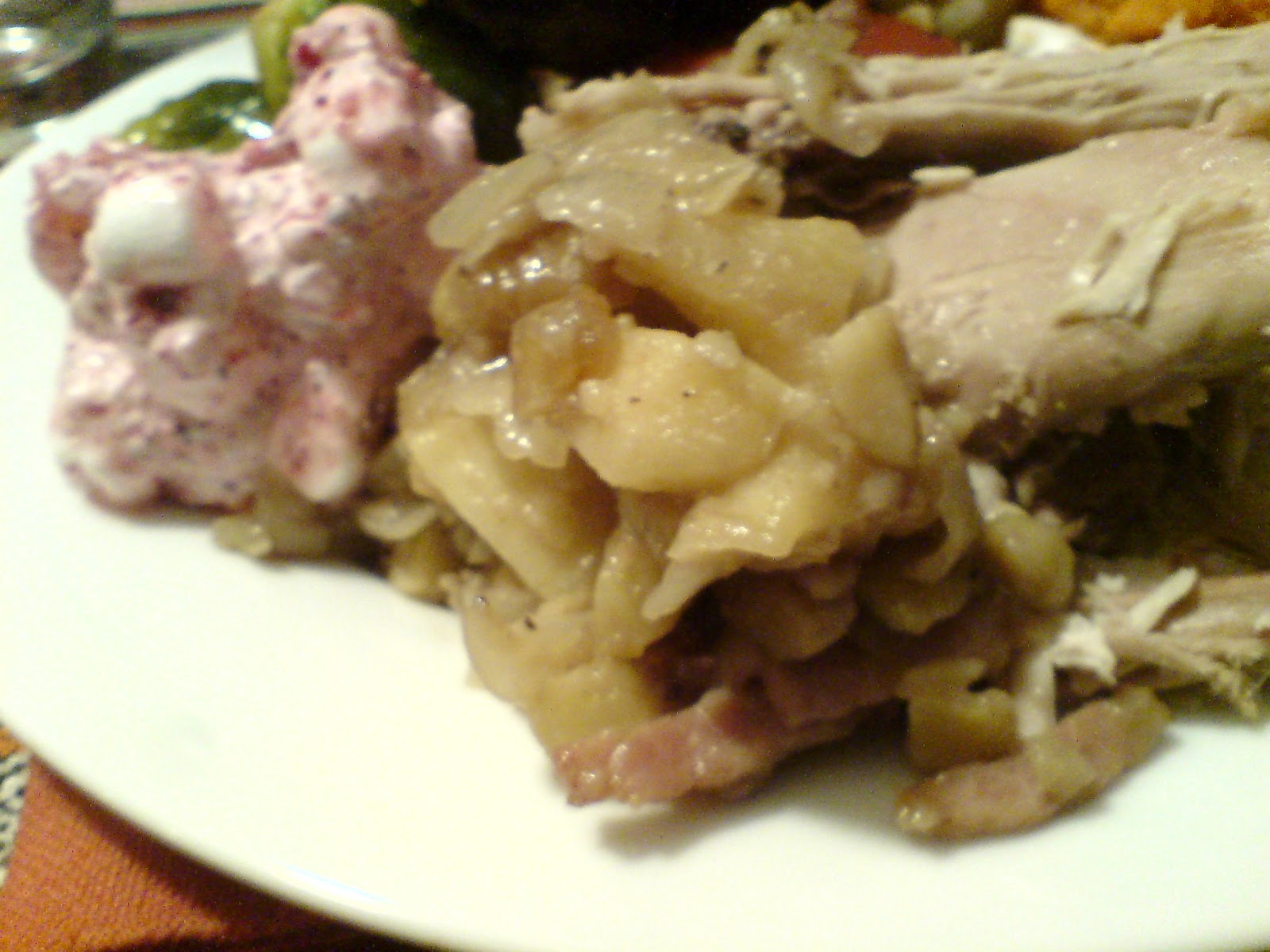
Anyways. In the EEB department of Rice Uiversity we had a Thanksgiving dinner and we were all asked to bring something in for it. These little cakes seemed like the perfect thing to make for a buffet – no need for slicing or even plates. I’m always slightly nervous of making recipes from the book for these kinds of things in case the recipe is God-awful – like previous bad experiences like the Whim-Wham, English Rarebit, the Rice Cake or the Mocha Cake.
First of all, melt two ounces of butter in a saucepan. Remove from the heat and add four ounces of currants (or if you live in America, raisins!), an ounce of candied chopped peel, two ounces of sugar, ½ a teaspoon each of ground allspice and nutmeg as well as ¼ teaspoon of ground cinnamon and a tablespoon of rum. Allow to cool.
While you’re waiting, roll out some puff pastry thinly and cut seven inch wide circles. Put a spoonful in the centre of the circle in line about five inches long, drawing and folding in the pastry, pinching in the edges. Turn them over and flatten them slightly with the rolling-pin so that you have oval shaped cake. Make three slashes over the top, brush with egg white and then sprinkle with sugar. Bake for 15 minutes at 220°C (425°F). Allow to cool on racks.
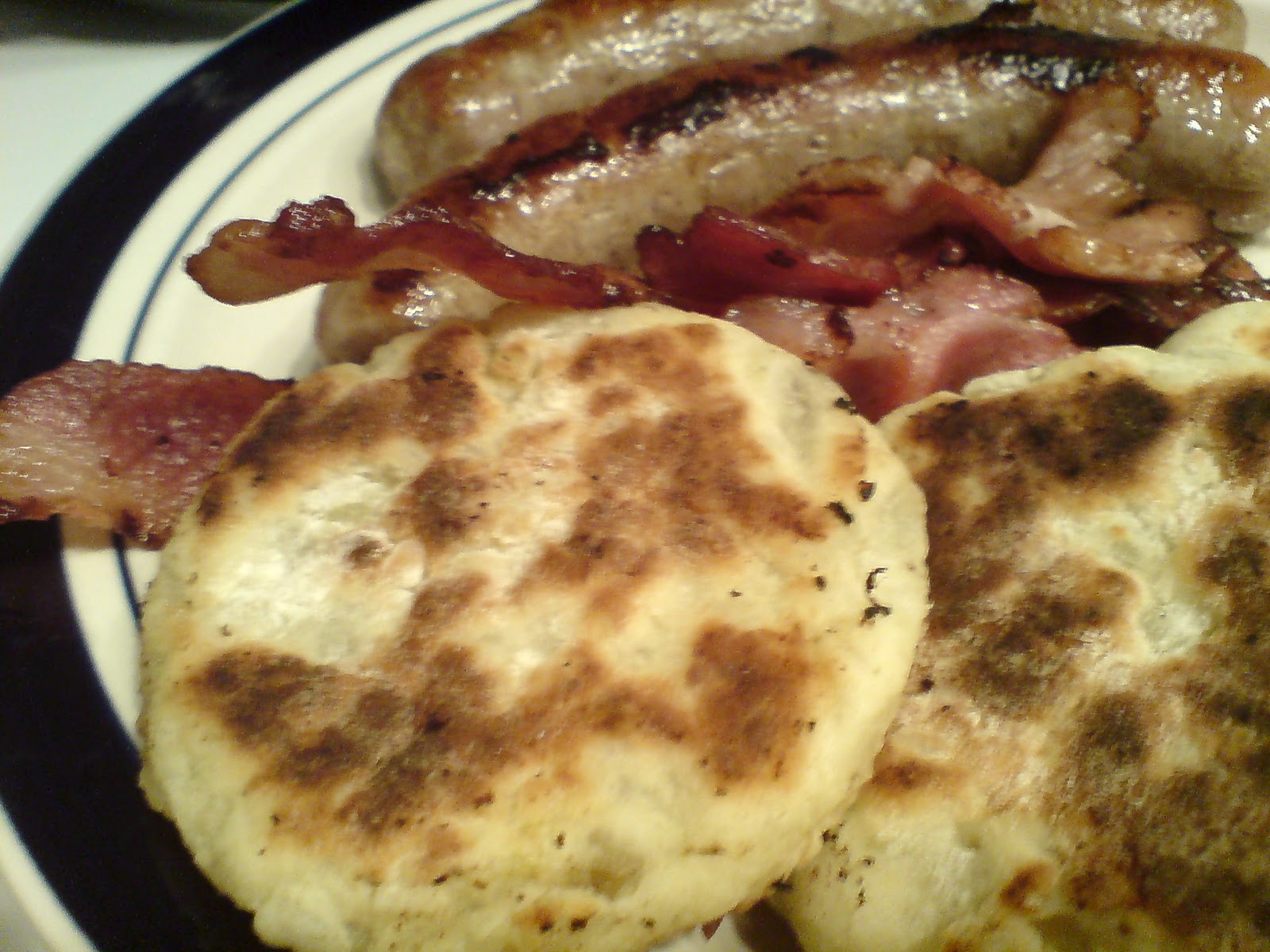
#259 Banbury Cakes. These were very good indeed and they went down well at the thanksgiving dinner which was good, where I got the chance to shamelessly plug the blog. I think I prefer these to the Eccles cakes too, though there isn’t much in it. I scoffed down two as soon as they were cool, which wasn’t good as I was meant to be off wheat at the moment. One thing led to another and I ended up drinking wheat beer and eating a giant pizza in Late Nite Pie. Oh dear. 7.5/10.
Just found this completely brilliant site called 5 books. They’ve a ‘history of food’ books post. I gotta get me copies of these bad boys. Nice to see Elizabeth Raffald is on the list. She appears quite alot in English Food and I have done an entry on her before I think
Hello there Grigsoners! No, I’ve not died, I have simply been a lazy bastard. I am going to stop apologising for my blog-tardiness and try my very best to pull my finger out. All that said, I have been preparing this recipe on the sly for the last few days. I went to Central Market with Gerda from the lab a while ago and found that quite alot of the ingredients that are tricky to get hold of in the UK are actually much easier to get hold of here in Texas. In the meat section, I happened upon an ox tongue and I knew that there are quite a few recipes using ox tongue specifically so I thought I’d grab it and do something with it later.
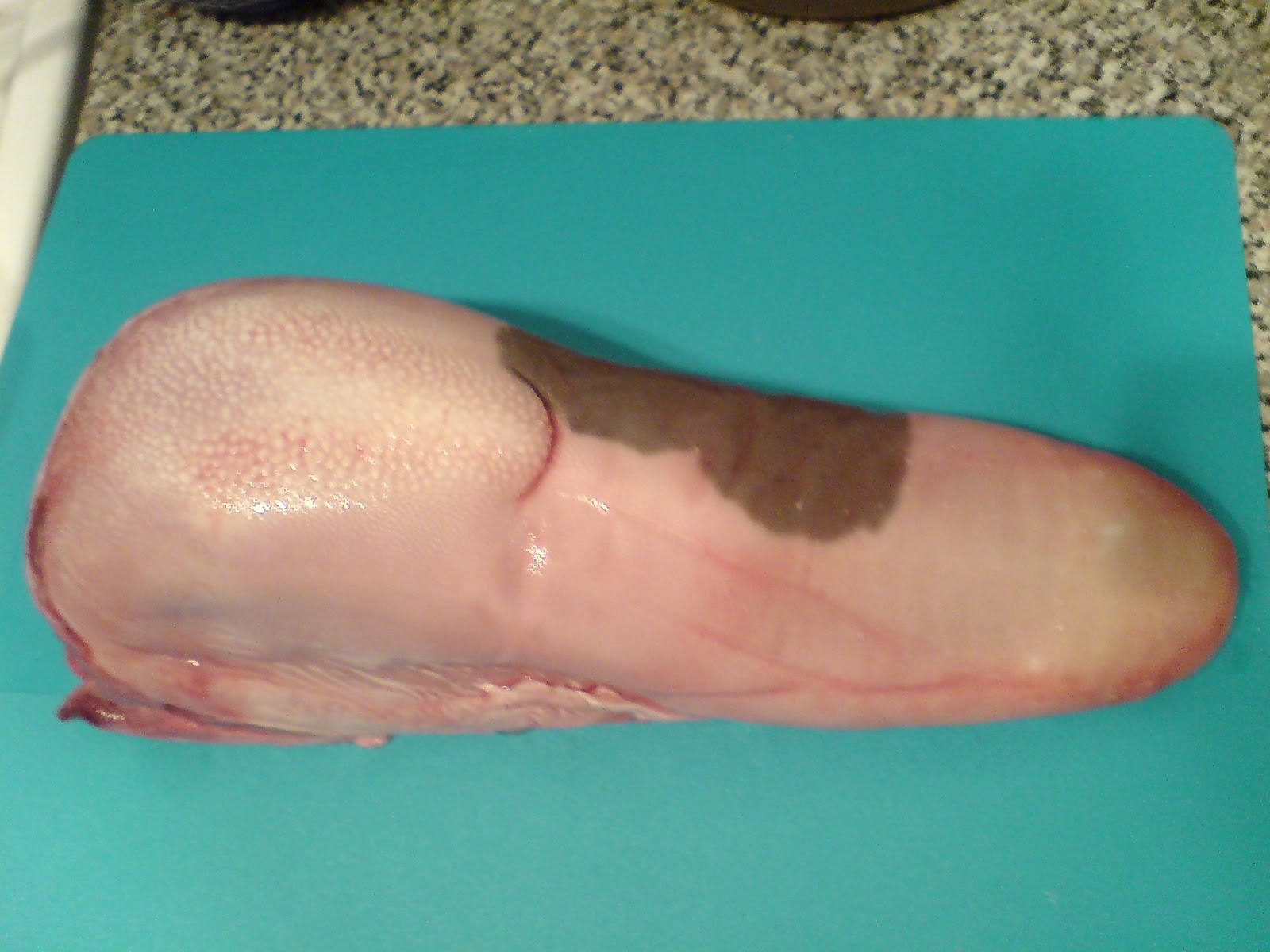
I decided upon this one – Boiled Ox Tongue: to Serve Cold, because I could take it into work and force my new labmates to eat it and (hopefully) put some comments on here! The recipe calls for a 2 ½ to 5 pound pickled (i.e. brined) ox tongue – these you can order form your butcher (in the UK at least). I thought I would pickle it myself using this now tried-and-tested brine method from English Food. The tongue needs 5 to 7 days in the brine tub, but there is no maximum time really – you can’t oversalt anything, because you can soak it in water for 6 or so hours beforehand. It’s recommended you do this with a pickled tongue from the butcher’s shop.
![]() |
| The tongue before brining |
Anyways, after you have soaked your tongue place in a stock pot and cover with cold water or a light stock. Bring it to the boil and skim any scum that appears at the water’s surface. Turn the heat down to the merest simmer. After half an hour, taste the water – if it is horribly salty, thrown the water away and start again. Add some stock vegetables: an onion studded with a couple of cloves and a chopped carrot and celery stick. Add also a bouquet garni and 12 crushed black peppercorns. Allow the whole thing to simmer for a total of 3 or 4 hours (don’t forget to include that first half hour!). The tongue is cooked when you can insert a skewer with ease.
![]() |
| The pressed but unsliced tongue |
When you are ready to eat it, slice it thinly and serve with a salad and some horseradish sauce so says Lady Jane Griggers. If you want to be all Victorian about it ‘press the tongue into a slipper shape, and then decorate it with aspic jelly and bits and pieces’. However, The Grigson goes on to say: ‘I think we have lost sympathy with over-presented food of this kind: it always arouses my suspicious – I wonder what the caterer is trying to conceal.’
Sorry for the lax attitude towards the blog everyone, but I have an excuse! I have now moved into my apartment in Midtown Houston, and I have been getting it filled with furniture. Unfortunately I have no table and chairs yet, so I can’t really get people round for dinner parties just yet. Plus I have pretty basic kitchen equipment at the minute – though everyone at work has been brilliant giving me kitchen stuff, so hopefully all will be up and running as normal pretty soon.
There are still several easy recipes to do in the meantime and this one couldn’t be simpler and is another recipe from Robert May (see this post). Cinnamon toast has been a staple sweet snack in England for a good few hundred years and the recipe hasn’t really changed much, and makes a very good substitute for cinnamon Danish pastry, should you get a midnight craving, as they are actually very similar – especially if May’s method is used because it uses a paste of sugar, cinnamon and claret.
I managed to get a bottle of Texan claret from the most amazing off-license (liquor store) called Spec’s, which is apparently the largest one in the whole of the United States and I actually got lost in the red wine section! It deserves an entry to itself. It is just a good job I don’t have alcoholic tendencies. Anyways, for those of you who know nothing about wine (this includes me, by the way), claret is usually red wine made in the Bordeaux region of France, so technically there’s no such thing as Texan Claret. Funnily enough, the Frenchies don’t recognise claret as a term itself; it’s a very British term used generally from May’s time to describe deep red wines such as Bordeaux and before that in medieval times for spiced wines, such as hippocras. As an aside, there is no recipe for hippocras or even mulled wine in English Food, so I shall try and hunt one out for the blog closer to Christmas.
Anyway, enough of my blabbering, here’s the old recipe that is not simply buttered toast sprinkled with cinnamon and sugar like these days:
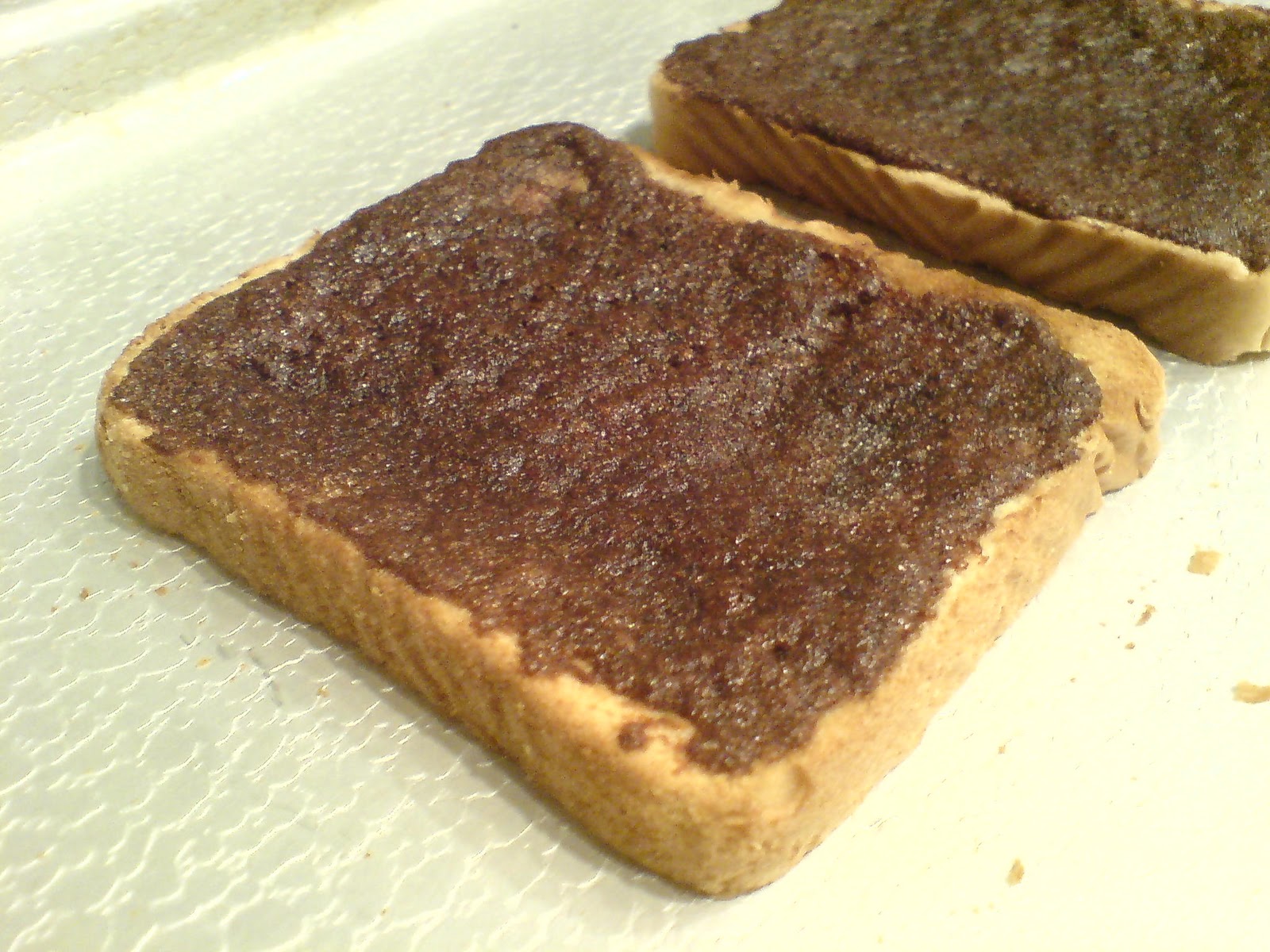
Begin by making the topping by simply making a paste from sugar and cinnamon in the proportions of one tablespoon of sugar to one teaspoon of ground cinnamon. Use the claret to make a nice spreadable paste. Butter some slices of toast, lay them on a baking sheet and spread the paste over them. Warm through briefly in a hot oven for about 5 minutes and serve it forth!
An old-fashioned recipe this one and it comes from a book called The Accomplisht Cook, or the Art and Mystery of Cooking by Robert May. It was published in 1660. To put this in context, King Charles II was on the throne after the country had briefly been de-royalled by the big old puritan misery-guts Oliver Cromwell.
Robert May himself was from a family of chefs, but obviously wanted to tell the common man how to cook; at least via rich home owners. In those days, you see, the lady of the house would have presented the head cook/chef with such a book to use. Assuming they could read. Read more about him and his book here.
Anyways, this is a very good recipe to do in the autumn because a large variety of squashes are available. This recipe can be used with ‘gourds, pompions, cucumbers and musk melons’, i.e. any soft or hard squash. The squashes are first baked in the oven at 190⁰C until tender; the length of time will depend upon the size of the squash. If the skin is very thick, it would be better to simmer it, says Griggers. I used some quite small squashes and decided to bake them.
Meanwhile prepare the stuffing for the squashes. You need to chop some onion and apples in the ratio of 1:2. The original recipe suggests using Cox’s Orange Pippins. These are not available so I used Granny Smith apples as they are quite tart. Place them in a casserole dish along with a decent knob (or knobs) of butter. Cover and bake in the oven alongside the squashes.
When the squashes are done, cut in half and scoop out the seeds and keep warm while you deal with the filling. Mash the apples and onions together and season with sugar, salt and black pepper. Fill the squash halves generously and return the whole thing to the oven for a short time to give it time to dry out a little. Serve with hot buttered toast.