#127 Banana Chutney

Thus far I have enjoyed making the preserves in English Food and was very much in the mood to make a new one – the Banana Chutney was selected as I had all the ingredients other than the masses of bananas in already, plus it seemed like a no-brainer; no faffing about with pectin and sugar thermometers here!


Begin by slicing up 12 bananas and simmering them in ½ a pint of cider (or white wine) vinegar until the bananas are cooked and mushy. Stir in 8 ounces of sugar and allow to cool. Next stir in 2 medium onions that have been finely sliced, 4 ounces of finely chopped sultanas, an ounce of curry powder (whatever strength you like), ½ teaspoon of cinnamon, a pinch of Cayenne pepper, and salt – and salt well; chutneys should be salty, add up to 3 teaspoons. Cover the bowl or pan with Clingfilm and allow to stand for 12 hours. Taste and check for seasoning again before potting in sterilised jars and store somewhere cool.

#127 Banana Chutney – 5.5/10. Nice and sweet; Griggers says to serve with ham, salt pork and chicken, but I had it in a cheese sandwich and it was very nice, though it was quite dry – I prefer chutneys to have a bit of sauce to them. If I were to make itagain, I would add more vinegar and sugar and would also cook the curry powder out too in a little oil before adding the bananas and vinegar at the start (but what do I know).
#114 Quince, Medlar, Sorb or Crab Apple Jelly

The quinces I bought the other day were beginning to look a bit sad and I needed to use them up with something. I really like quince, so quince jelly was the obvious choice – making a few jars of this would mean I would still be eating them way beyond their season had ended.

By the way, this recipe can be followed as is but with medlars, sorbs or crab apples, so if you are lucky enough to know where their might be some growing near you try this jelly.

Begin by scrubbing clean your quinces and chop them roughly along with the same weight in Bramley apples. Do not peel or core them – that is where the pectin resides that will set the jelly. Place the fruit in a pan and barely cover them with water. Simmer the fruit until they have become a pulp (I used a potato masher to help the quinces along).

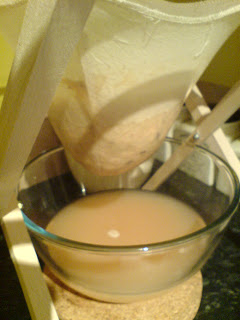
Place the pulp in a jelly bag suspended over a bowl – if you don’t have one, use a muslin-lined sieve instead. Leave the pulp to drip dry – this takes a while, a few hours at least, overnight if you’ve done loads. Measure the volume of liquid and pour into a heavy-based pan and add a pound of sugar for every pint of liquid. Boil this mixture until this has reached setting point (read the recipe for marmalade for more info on this) and pour into sterilised jars.

Quince jelly can be used like any fruit jelly, but is typically an accompaniment to cheeses, game and turkey.


#114 Quince Jelly – 6.5/10. A nice conserve, but I perhaps more apple than I should have, as the quince flavour is not super strong and is sweeter than I’m used to. That said, I used as jam and I think it’ll be a lot better with some game or cheese. Also, the recipe’s very good as I got four jars of jelly from just two quince!