#361 Poor Knight’s Pudding with Raspberries

This is the third and final dessert on the theme of the classic pud pain perdu(for all three click thislink). The others were recipes from 1420 and 1937, whereas this one is Jane Grigson’s adaptation of her grandmother’s way of using up left-over raspberry jam sandwiches. Here’s what she says on the subject:

Before the last war, when tea was an occasion for enjoyment and not for guilt, we often used to have home-made raspberry jam sandwiches at my grandmother’s house. There were always too many – raspberry jam being her favourite – and next day they would appear as a pudding, having been fried in butter. I always thought, and still do think, that their latter end was more glorious than their debut.

This is also the second and last of the recipes involving raspberries. I do wish Jane had written more as they are my favourite fruit and I had been looking forward to this one for quite a while: raspberries, cream and fried bread. What could there possibly be not to like about that?

This recipe serves four – but it can be increased or decreased as appropriate.

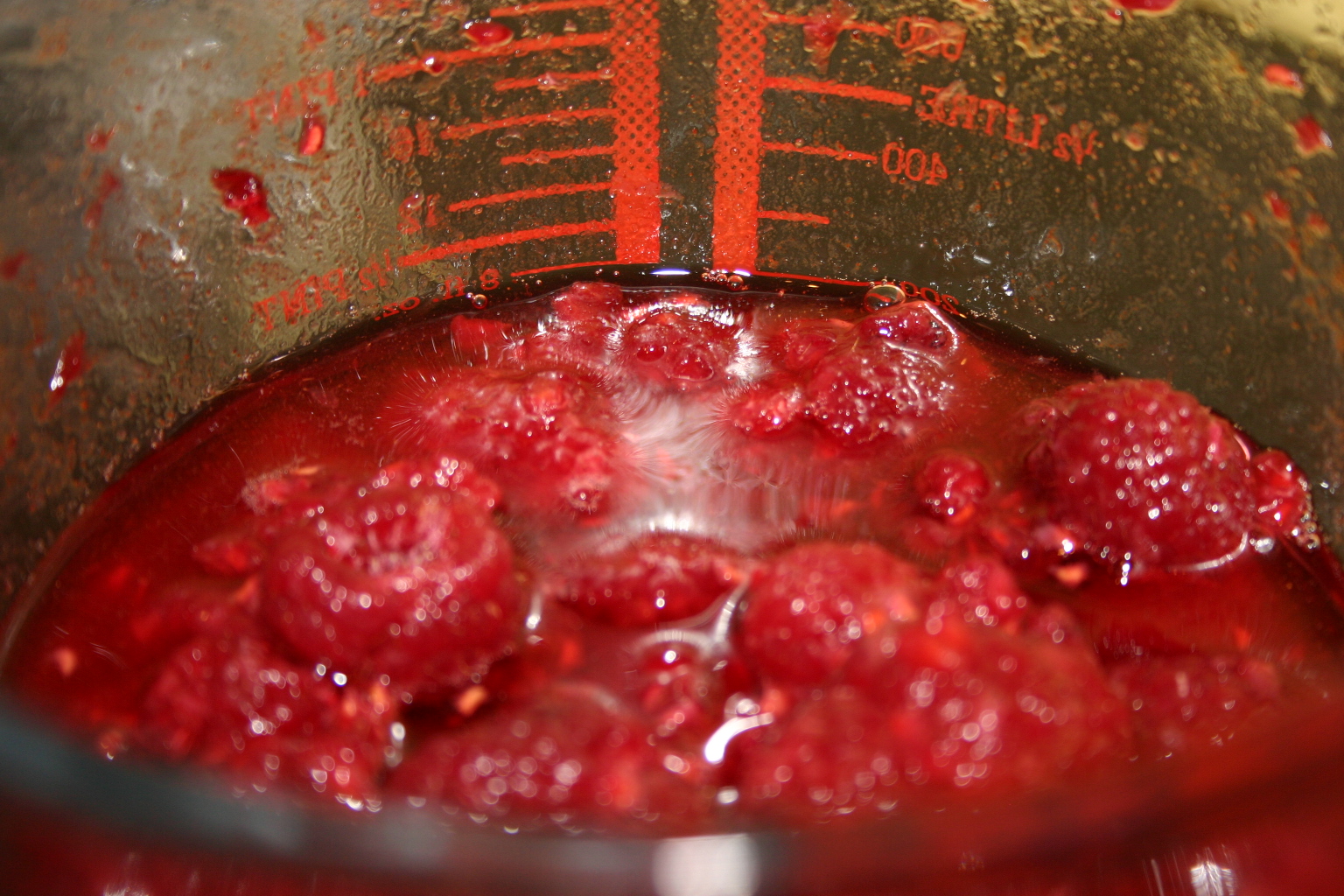
First of all you need to get your raspberries ready: place a pound of the delicious darlings in a bowl and sprinkle them with 4 ounces of icing sugar and ½ a teaspoon of ground cinnamon. Leave them to exude their juices; I left them overnight in the fridge.

Whip up 6 ounces of whipping cream (or half-and-hald single and double cream) and a tablespoon of caster sugar. Next, cut 8 slices of white bread and cut off the crusts if you like and fry them in clarified butter. To make this, Jane suggests melting 6 ounces of butterin a small saucepan before passing it through a sieve into your frying pan. Fry the bread to a golden brown.
 
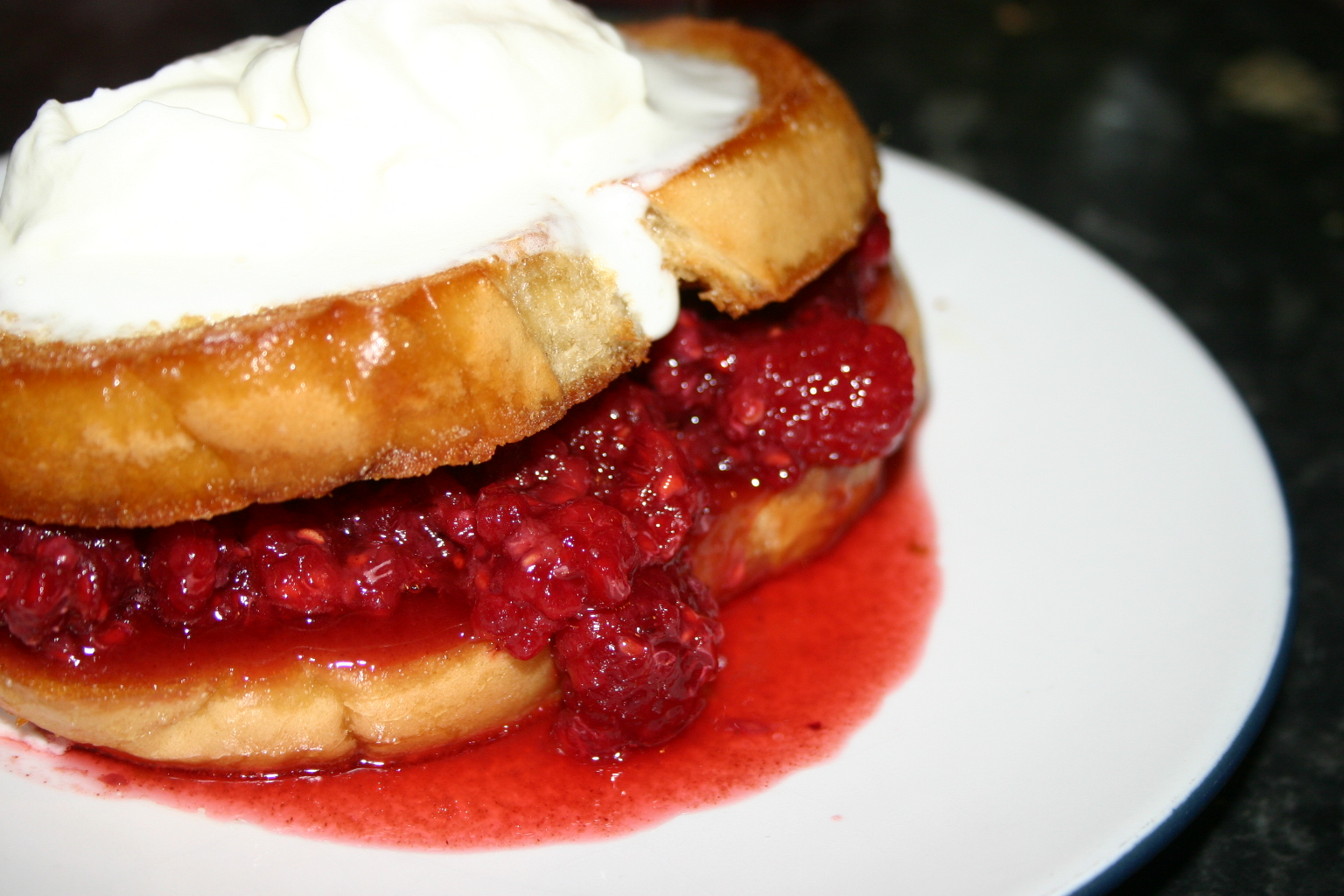
On a plate, place a slice of fried bread, then some raspberries with their juice, then a second slice of bread and finally a nice, healthy blob of cream.


#381 Poor Knight’s Pudding with Raspberries. This was absolute heaven! The sweet-tart raspberries where made so delicious with their seasoning of cinnamon. Obviously with all that butter and cream it is not for dieters, but a portion does count as one of your five fruit and veg, so it’s not all bad. A perfect pud: 10/10.

#349 Poor Knights of Windsor (1937)

The Poor Knights of Windsor was a charity set up centuries ago by Edward III soon after he created the Order of the Garter in the mid-14th century to give alms to old and retired soldiers that had lived to protect the country. Quite ahead of his time, I think. How this dessert came to be called Poor Knights of Windsor I do not know. The earliest mention of this dessert I can find crops up in Elizabeth Cleland’s 1755 book A new and easy method of cookery.

Edward III creates the Order of the Garter

Almost 2 years ago I made the 1420 version of this dessert, also called pain perdu. This medieval recipe gave reasonably precise instructions to make it (see here for that post). Perhaps surprisingly, this more recent recipe from Ambrose Heath’s 1937 book Good Sweets, is rather scant on instruction:
Cut a French roll in slices and soak them in sherry. Then dip them in beaten yolks of eggs and fry them. Make a sauce of butter, sherry and sugar to serve with them.

Brevity is obviously his middle name. Here’s what I did…

First I took some of Jane’s advice and that was to use not just any old French roll, but a nice, rich brioche (like it wouldn’t be rich enough without!?). Although brioche wasn’t around much in the 1970s it is widely available these days.

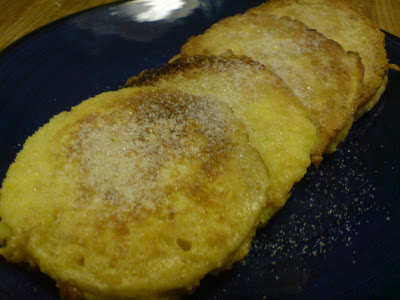
I beat a couple of egg yolks with a little water just to make them easier to work with. I took a slice of brioche and sprinkled it liberally with dry sherry, then dipped it in the egg yolks and fried them on a moderate heat in a frying pan with butter. I kept the poor knights warm in a low oven whilst I got on with making the sherry sauce.

I melted 2 ounces of butter slowly in a small saucepan, then I turned up the heat and stirred in a tablespoon of sugar.  When it had dissolved and was bubbling away, I added 2 tablespoons of dry sherry and that was it! Very simple indeed.

I served up the poor knights with a little of the buttery sauce drizzled over them.

#349 Poor Knights of Windsor (1937). It’s not very often that I make a recipe from the book just for myself, but  this one I did. I thought it would be awful – I don’t usually like alcohol in desserts, but I was so, so wrong! It wasn’t as rich or as heady as I expected, the secret was to make the sauce very sweet and to liberally sprinkle the brioche with the sherry, rather than soak it. Very good 7/10.

#345 English Apricot Pie

Flowers and Apricots by Joseph Bidlingmeyer, 1850

I have been eyeing this recipe for a good while, but fresh apricots are so pricey I have always put it off. However, Soulard Farmers’ market came to save me from my apricot fast by selling them for just over a dollar a pound! They were delicious too.

The reason apricots are so expensive is manifold: they flower very early and suffer poorly from bad weather – they will die even if there’s a light frost or a high wind; they don’t take to grafting well; they are very particular about the soil they grow in, to the point where the amount of fertiliser dug into the soil needs to be calculated; they also do not travel well. They are delicate things and much prefer Eastern climbes as they originated in China, coming to Europe via India and the Middle East. It is for all these reasons that you usually find apricots dried rather than fresh.


As an aside, the reason the apricot doesn’t take to grafting is because they were mis-classified as a member of the plum family, Prunus, and were grafted onto other Prunus species, cherry is usually the grafters’ favourite. It is actually part of the rose family. Everyday’s a school day.


So what are the benefits of eating this temperamental and pricey fruit, other than that they are quite delicious? Well there is quite a long list of benefits to eating apricots. The 18th century French writer Bernard le Bovier Fontenelle, who was a member of the Royal Society, lived to 100 years old and the secret to his longevity was apricots, a tip he got from his grandma. ‘A royal fruit, she called it, saying that the scatterbrained folk of our days ought to make more use of it.’ Quite.

Fontenelle

As it happens, apricots are high in phosphorus and magnesium and can significantly increase mental ability. They are super-rich in beta-carotene (which gives the fruit its yellow colour); 4 ounces of apricots will give you 50% of your daily allowance. They are also good for the blood – they can even alleviate anaemia better than liver! They are also a significant source of fluoride. Amazing.


This pie was invented by the great chef Carême. He is very particular about the type of pie dish you should use; it must be very shallow, not much deeper than a plate.


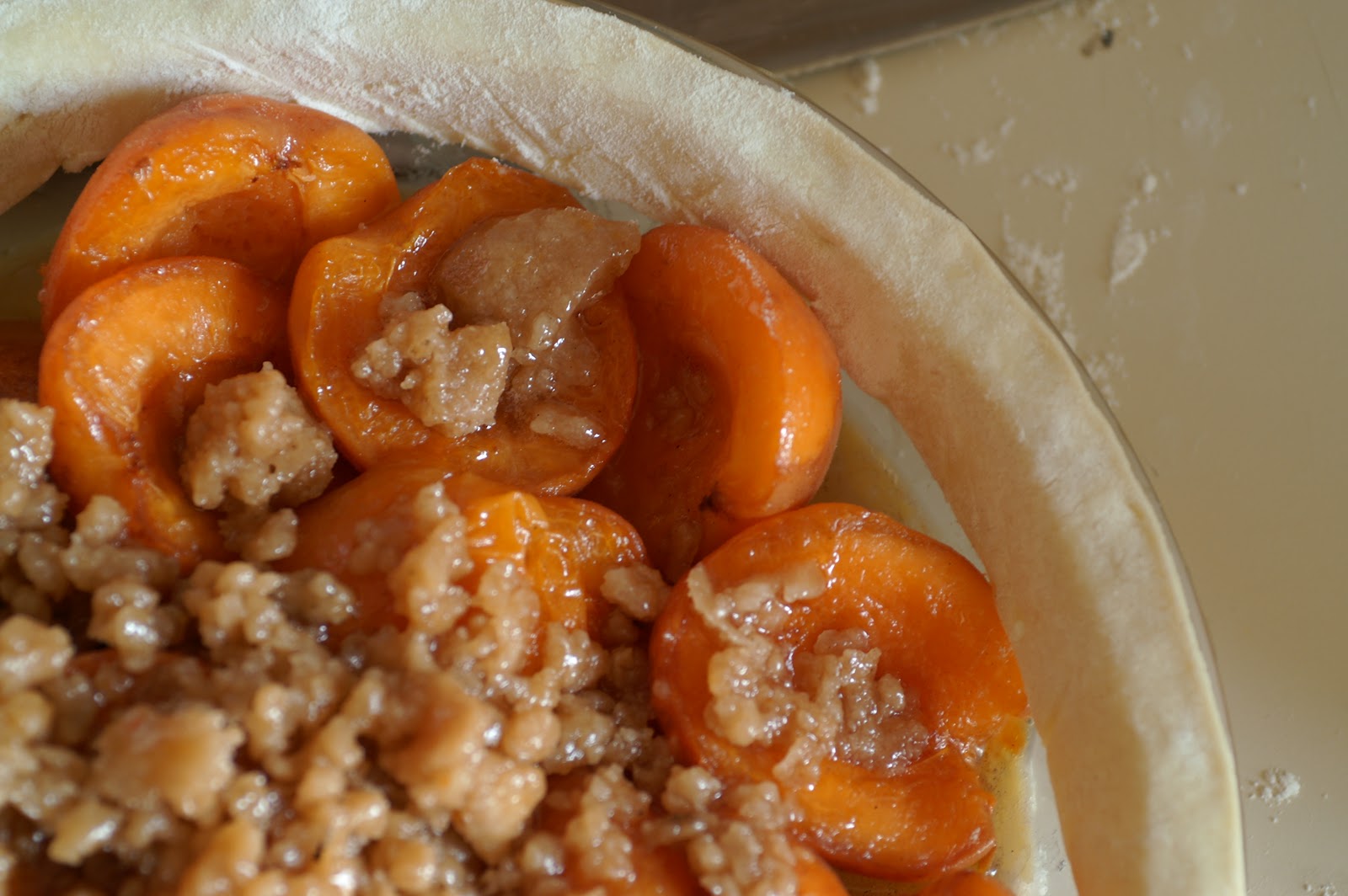
Halve 1 ½ pounds of fresh apricots and take out the stones. Next, melt 2 ounces of unsalted butter in a frying pan and stir in 8 ounces of caster sugar; this might seem alot but they really do need it. Over a moderate heat stir the sugar into the butter. After a few minutes it should start to melt. Add the apricots and coat in the butter-sugar mixture. Stir for a minute or two – you don’t want to cook the fruit, just get the apricot halves well covered.

Pile the fruit and butter and sugar, which should be toffee-like at this point, into a shallow pie dish.
Roll out some puff pastry. Cut strips around half and inch a glue them around the edge of the plate with beaten egg so that the strips ‘extend partway down the dish itself. This will create a good seal, preventing the apricots from escaping. Brush the strips with egg and cover.

Use a fork to seal the pastry lid then make a central hole so that any steam generated during cooking can escape. Brush with more egg and sprinkle some more caster sugar. Start the pie off in a hot oven – 230°C (450°F) – for 15 to 20 minutes so that the pastry can turn golden brown, then continue cooking at a lower heat of 160-180°C (325-375°F) for 15 minutes. ‘Serve hot or warm with plenty of cream.’

Sorry about the terrible pic.
I’m normally drunk by dessert…

#345 English Apricot Pie. What a delicious fruit pie! It occurred to me whilst I was eating it that I have never eaten apricots this way. Well it certainly won’t be the last time I do it; the sugar and butter became a deliciously sweet sauce and the cooked apricots softened and turned very tart. That Carême chap knew what he was talking about.

#329 John Evelyn’s Tart of Herbs


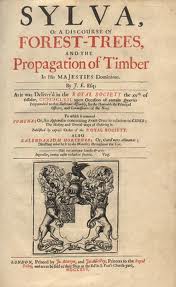
John Evelyn was a very influential diarist who left quite a legacy. He was from a well-to-do family in South-East London, but being the second son, had no rights to the estate (unless his brother died without having a son himself). So, to make up for this he decided to become a scholar and travelled France and Italy in search of knowledge during the tumultuous time of the English Civil War. He wrote several books, witnessed the Great Fire of London, and was friends with Christopher Wren and Samuel Pepys. He lived during the reigns of Charles II, James II and William III and Mary II. He was talented landscaper, designing the gardens at Sayes Court, London. He became quite chummy with Charles II and was a founding member of the Royal Society. One of his books, called Sylvia, or a discourse of Forest Trees declared the tragedy befalling the country’s trees that were being felled for fuel to the glass factories. The book was responsible for the planting of millions of trees – quite the modern conservationist!

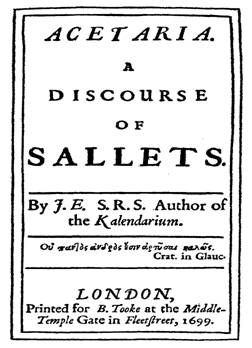
During his later years, he planned to write an encyclopaedia of horticulture, but only got as far as the first chapter. This chapter was published as a book in its own right in 1699, titled Aceteria and it is from this book that this recipe comes:
An Herb-Tart is made thus: Boil fresh Cream or Milk, with a little grated Bread or Naples-Biscuit (which is better) to thicken it; a pretty Quantity of Chervile, Spinach, Beete (or what other Herb you please) being first par-boil’d and chop’d. Then add Macaron, or Almonds beaten to a Paste, a littlesweet Butter, the Yolk of five Eggs, three of the Whites rejected. To these some add Corinths plump’d in Milk, or boil’d therein, Sugar, Spice at Discretion, and stirring it all together over the Fire, bake it in the Tart-Pan.
These sorts of sweet vegetable-based tarts were commonly eaten as a pudding during wintertime when there was no fresh fruit to be had. I had heard of carrots being used in this way, but not spinach! So, with an air of dubiousness I followed the updated version that Jane Grigson provides which surprisingly only contains spinach…
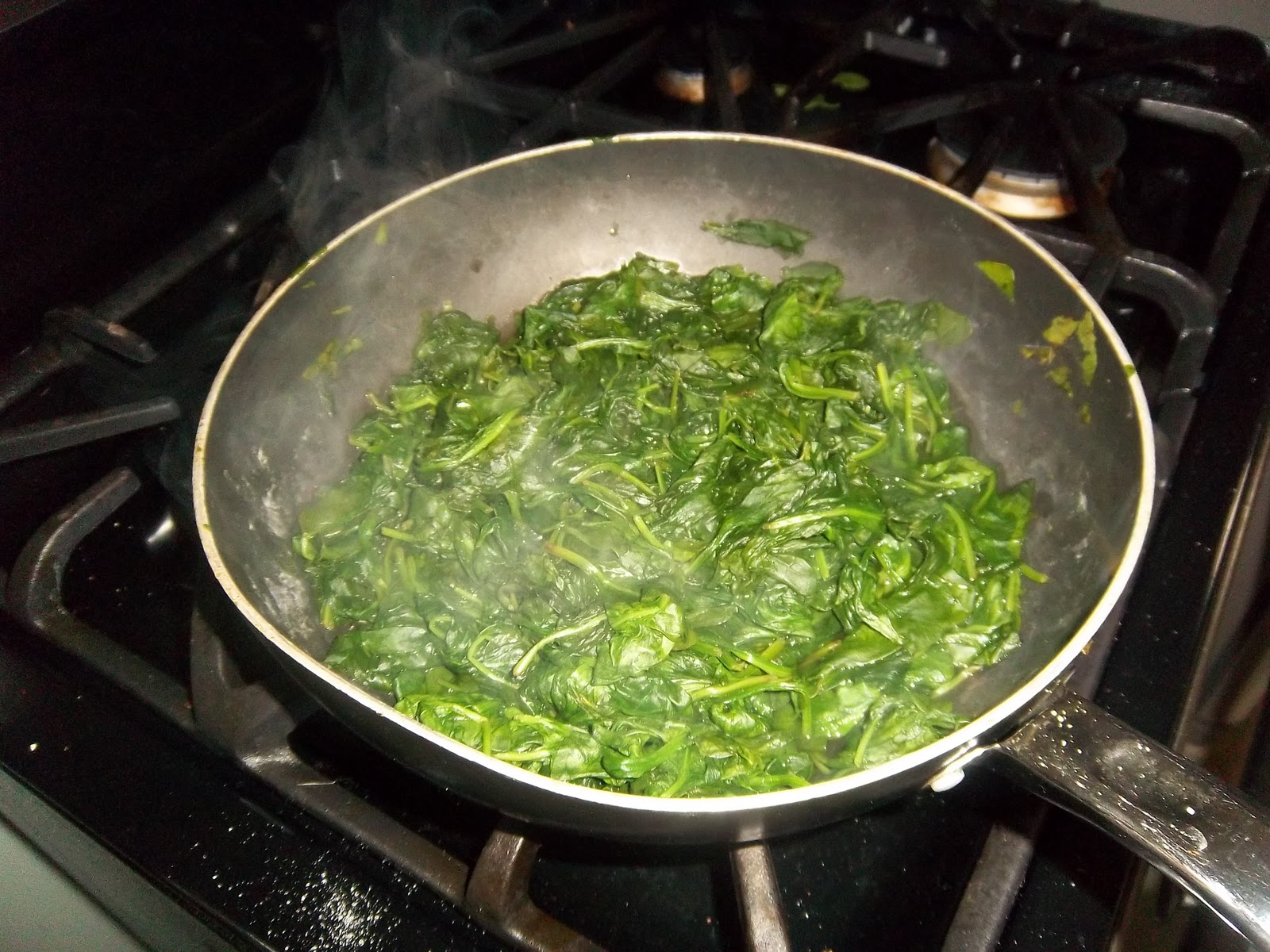
Begin by cooking 2 pounds of spinach in a pan with a little water and salt. Cover the giant pile with a lid and simmer until it collapses – about 5 minutes.
From this…
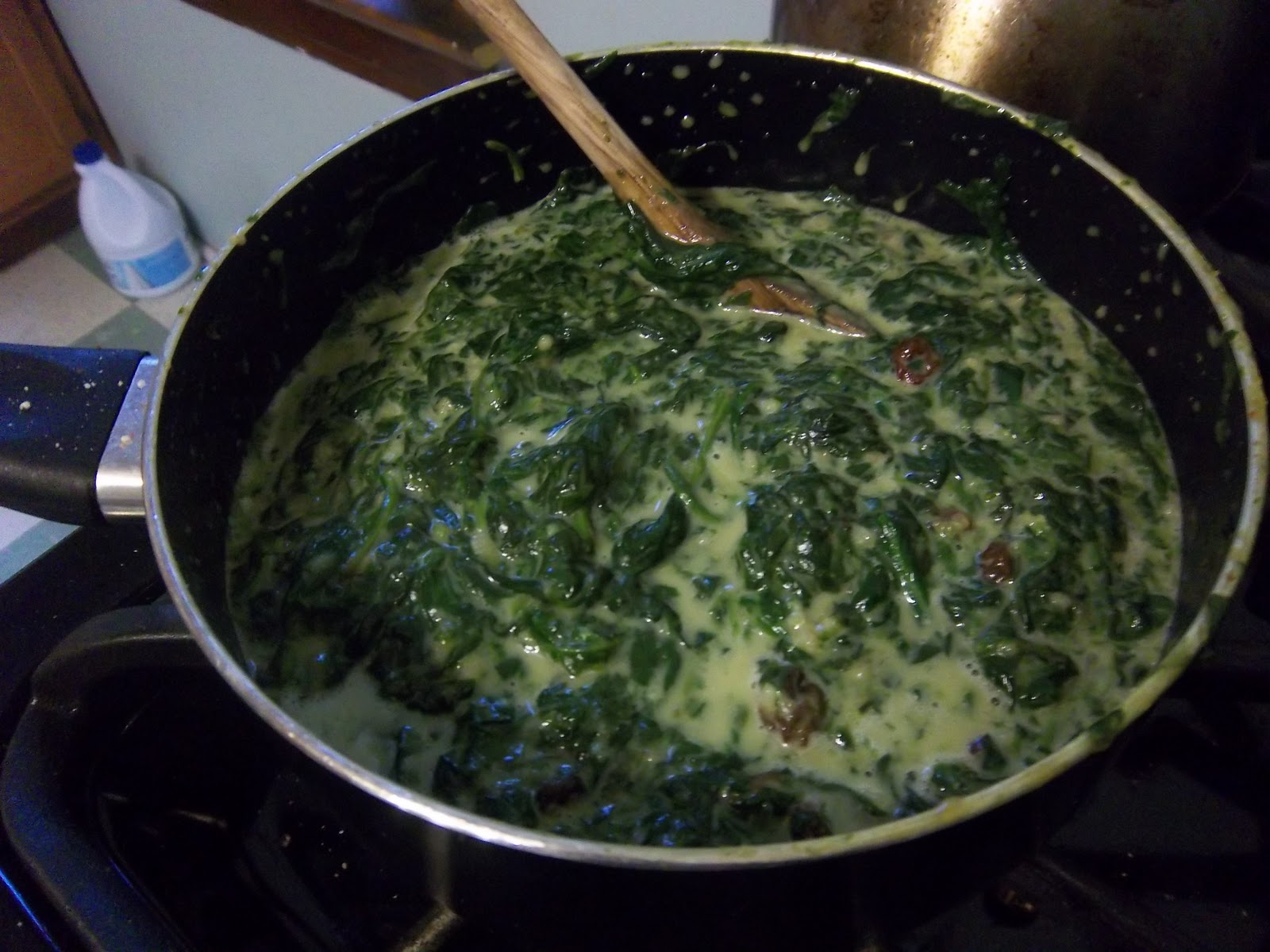
…to this!
Let it cool before draining and squeezing out any liquid, and then chop it.
Mix an ounce of breadcrumbs with ½ pint of single cream in a pan and slowly bring it to the boil. Meanwhile soak 2 ounces of currants or raisins in some warm milk. Into the cream, stir the spinach along with 1 or 2 ounces of macaroon crumbs (for a recipe see here), 2 ounces of butter, 2 whole eggs and two egg yolks, 2 to 3 tablespoons of sugar and the raisins and milk. Stir the green slurry over a low heat until everything is well-incorporated. Add more sugar or macaroon crumbs and grate in some nutmeg to taste.
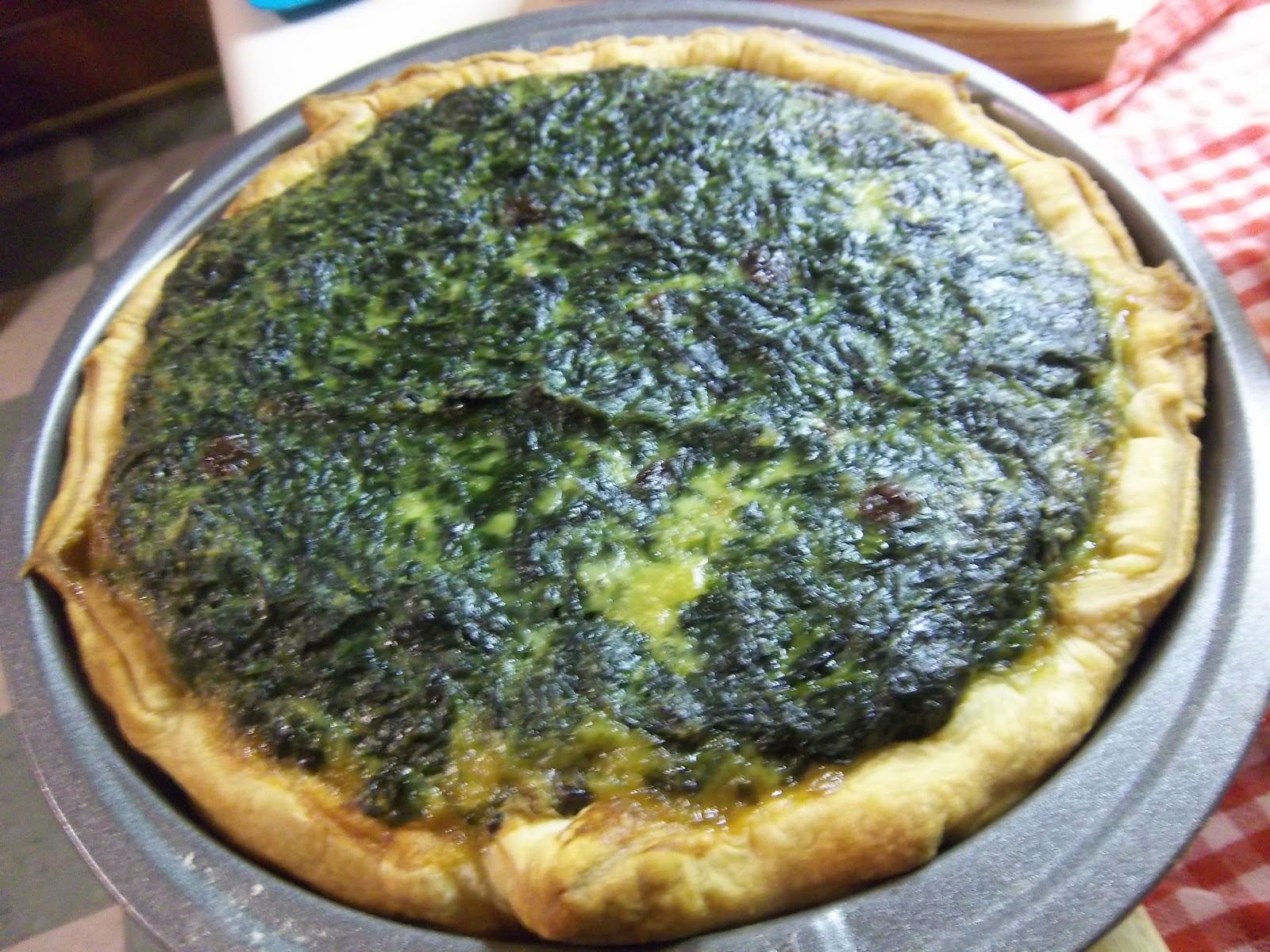
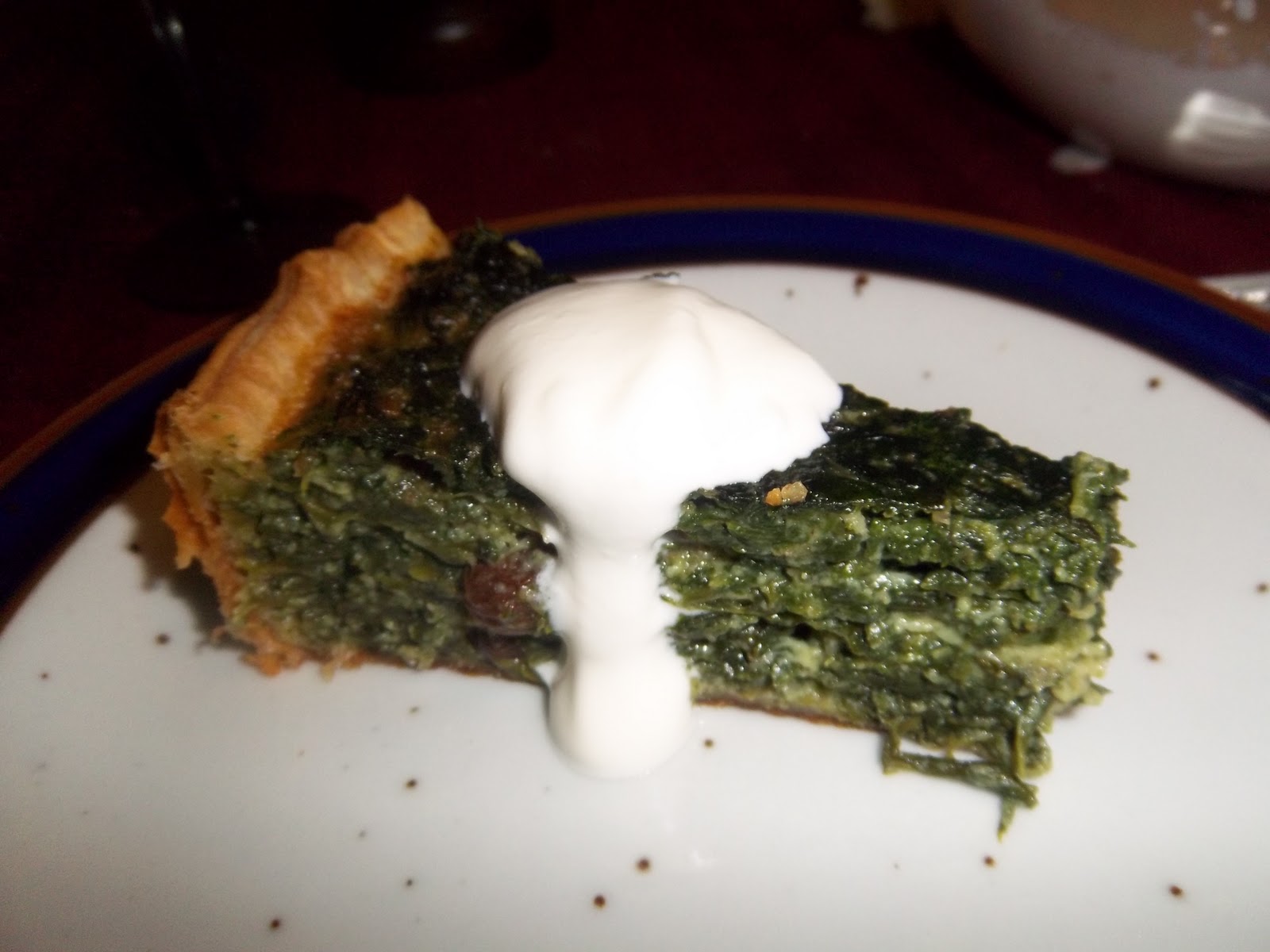
Line a 9 to 10 inch tart tin with some puff pastry and pour in the spinach mixture. Bake for 10 to 15 minutes at 220⁰C (425⁰F) until the pastry has begun the brown, and then turn the heat down to 180⁰C (350⁰F) bake until the filling is set, about 30 to 40 minutes.
This should be eaten hot or warm with some cream for pudding.
#329 John Evelyn’s Tart of Herbs. Well this was certainly a strange one and I haven’t made up my mind as to whether I liked it or not. There was no attempt at masking the flavor of the spinach, but it did marry surprisingly well with the fruit and other sweet things as well as the nutmeg. Even though everyone ate it quite happily we weren’t sure if it was a dessert, and after my fourth slice, I still wasn’t sure! I think it could be very successfully reproduced as an amuse-bouche or hors d’oeuvre though. An interesting winter-warmer, though maybe not for a pudding course. 7/10.

#318 Baked Almond Pudding I

I made this almond pudding because I found that I just happened to have all the ingredients for it, so I thought why not? I had bought a load of baking ingredients for the Thanksgiving desserts for which I was in charge, you see.
This is the second of two almond puddings (I did Baked Almond Pudding II a while back) that have absolutely no introduction from Griggers. It is strange that a recipe she obviously thought so good and so English that it had to have two recipes devoted to it should be basically unknown. However, a quick bit of research later, I found that these puddings were popular from the eighteenth century. The recipe closest to this one in English Food, appears in Mrs Rundell’s Domestic Cookery from 1859.

The almond tree drawn by Elizabeth Blackwell 1737

This recipe requires bitter almond essence – it is quite easy to find online these days – and it is quite important to add some. The essence really gives any almond-based dessert a hit of almond aroma that the subtly-flavoured domesticated almond cannot provide. The bitter flavour is provided by benzaldehyde and cyanide – in time past, any king eating anything that tasted of bitter almonds, would have had good reason to start panicking! The essence just contains the benzaldehyde, so don’t worry, you won’t cark-it from using it. It is very difficult to get hold of bitter almonds themselves, but a good substitute is the nut inside the kernel of an apricot.

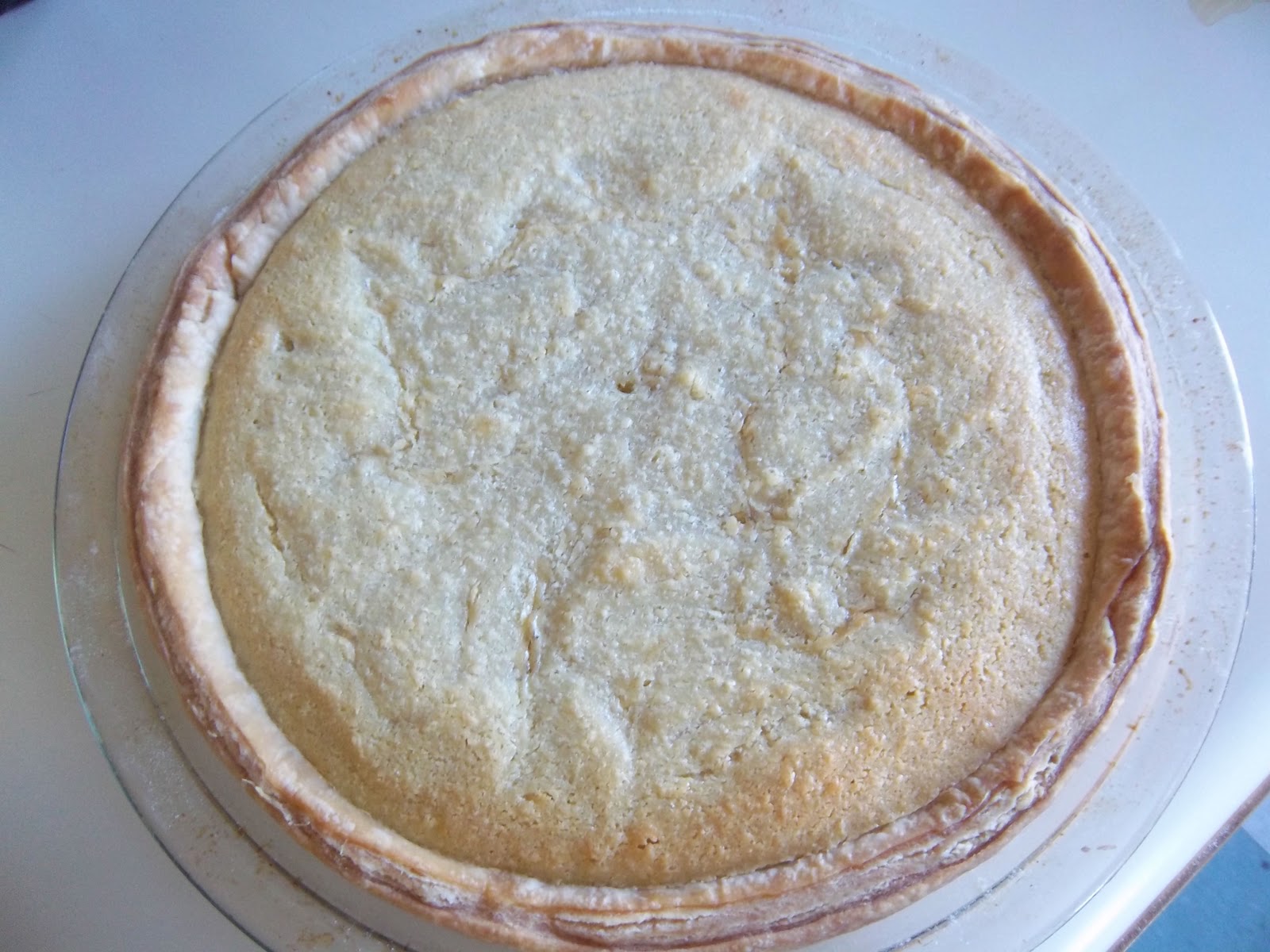
To make Almond Pudding I, begin by mixing together 4 ounces of melted butter, 8 ounces of ground almonds, 5 bitter almonds or a few drops of bitter almond essence, 2 tablespoons of double cream, a tablespoon of brandy, 4 or 5 heaped tablespoons of sugar, 2 egg yolks and 2 whole eggs. The mixture can then be turned into a greased shallow pie dish. Grigger says – as does Mrs Rundell – that you can line the pie dish with some sweet shortcrust pastry to make it go further. I had some left-over pastry and seeing as this dessert was for the Thanksgiving meal, I took their advice. Bake the pudding for around 45 minutes at 190C (375F) until there is a nice golden crust on the pudding.

Serve with some more sugar, butter and brandy, she also says.

#318 Baked Almond Pudding I. Much more cakey than the previous almond pudding, and as nice. It seemed rather bland – there wasn’t enough sugar and it would have been improved greatly if the pastry hah had a thin layer of raspberry jam. That said, it did get more moist and flavourful as it got older. An okay pudding that could be made very good with some minor alterations. 5/10.

#309 Sticky Toffee Pudding

Sticky toffee pudding has got to be one of the best – if not the best – of all English desserts. It is quite a recent invention – a chap called Francis Coulson cooked it up, as it were, in 1948. For a pud that is just over 60 years old, it has become such a cornerstone of English cooking I cannot imagine life without it. It was created as an antidote to the lean post-war rationing, and was packed full of butter, brown sugar, cream and dates. Many people thought this was too much of an extravagance and were quite shocked by its richness. Curiously, Francis Coulson was the first hotelier in England to include a hairdryer in every room. Don’t say I never give you interesting facts.
Because the sticky toffee pudding is such a treat, I have been saving the recipe for a special occasion, and as Hugh was over in St Louis on a visit, I thought it very appropriate. I also invited some mates from work for some drinks too. I had never made one before, and crossed my fingers that it would be as delicious as the ones I have eaten in restaurants or purchased from the excellent Cartmel Village Shop in the Lake District. Good though the Village Shop is, have a go at making one yourself. You will not be disappointed.
Begin by greasing a 7 inch square cake tin with butter. Chop 6 ounces of stoned dates, place in a pan and pour half a pint of boiling water over them. Bring to a boil and then take off the heat and stir in a level teaspoon of bicarbonate of soda and leave it be whilst you get on with the cake mixture.
Cream together 2 ounces of softened butter with 6 ounces of caster sugar. Next, beat two egg and add them to the butter and sugar in stages. Fold in 6 ounces of self-raising flour, then the dates and their juices and half a teaspoon of vanilla extract (not essence, people!). Pour the mixture into the cake tin and bake for 30 minutes at 180°C (350°F).
Whilst it bakes, make the sticky toffee sauce by melting together in a saucepan: 7 ounces of soft dark brown sugar, 6 tablespoons of double cream, 4 ½ ounces of butter and half a teaspoon of vanilla extract. Simmer for around three minutes until a luscious sauce develops.
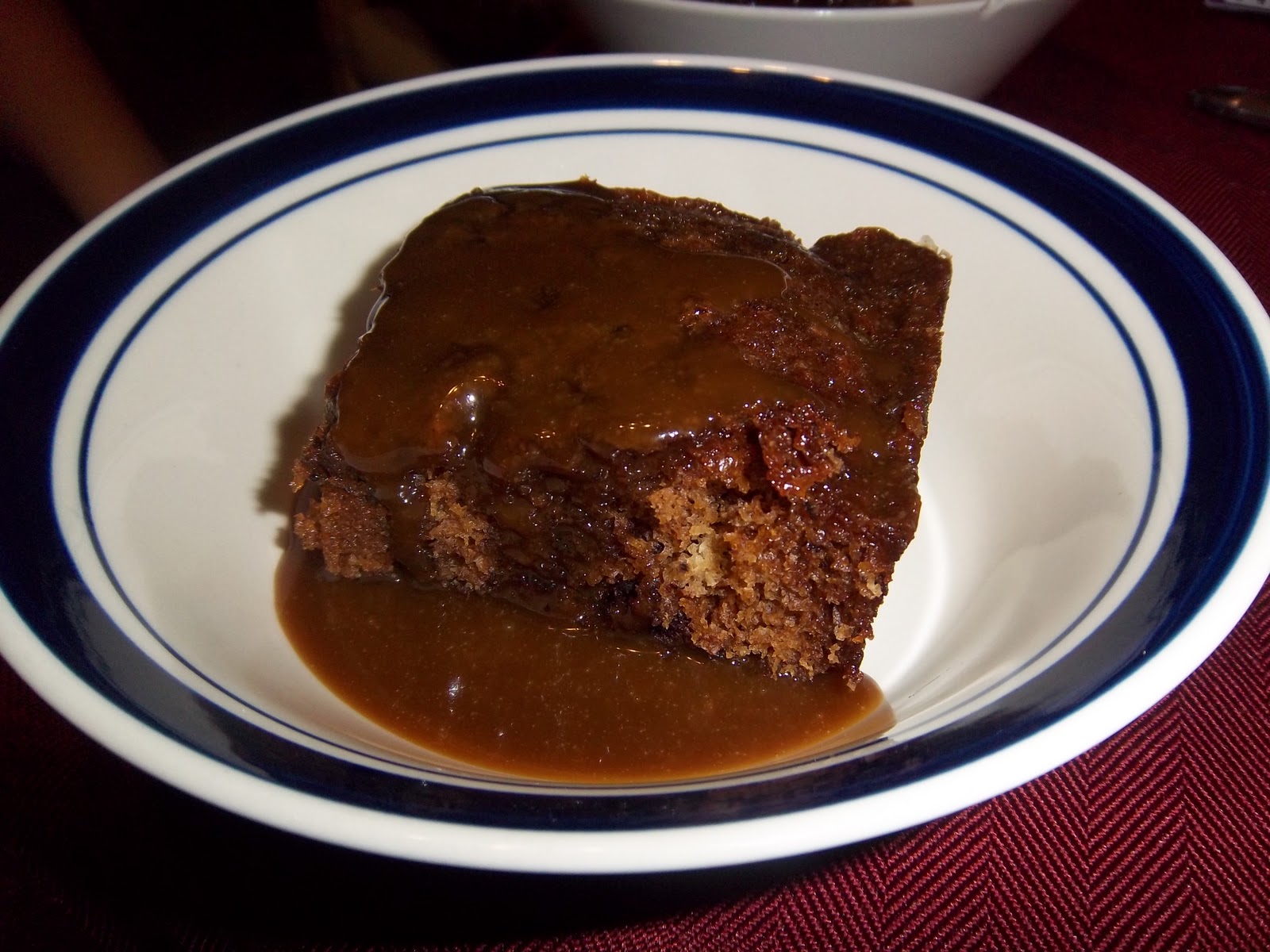
When the pudding is cooked, pour and spread a little of the sauce over it and put in the oven for a further 5 minutes. Cut the pudding into squares and serve it hot with more of the toffee sauce. Personally, I like it with either double cream or vanilla ice cream.

#309 Sticky Toffee Pudding. Without a doubt, the most delicious pudding from the book so far. The cake had become dark and sticky; the brown sugar preventing it from being too sickly. So good that I insist you go out and make this for yourself – no bought pudding could be as good as this. Fantastic, fantastic, fantastic 10/10.

#300 Trifle

Trifle (ˈtraɪf(ə)l), n.: A matter of little value or importance; ‘a thing of no moment’ (Johnson); a trivial, paltry, or insignificant affair.
                                                         Oxford English Dictionary


Dr Samuel Johnson: Trifle hater 
(but then he was a grumpy old bastard and did hate everything) 

Trifles make perfection, and perfection is no trifle         
                                                         Michelangelo

Michelangelo: Trifle appreciator

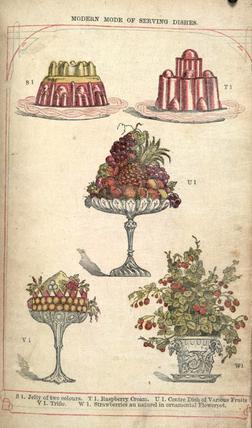
Is there nothing more English and impressive than a properly made trifle? I don’t think so. Indeed, it is the reason I have saved it for the landmark 300th recipe. Although its original meaning is one of ‘little value or importance‘, the trifles upon the Georgian, Victorian and Edwardian banquet table had gained a great opulence becoming a splendid centerpiece lavishly layered up with brandies, sherries, wines, custard, cream, macaroons, cake, syllabub and cream, not to mention the candied fruits and comfits to decorate the top. Mrs Beeton shows off some of them in her Book of Household Management so that other cooks could emulate them in stately homes across England.

A plate from Mrs Beeton’s Book of Houshold Management,
the trifle is on the bottom left

The trifle did start out from humble beginnings and was simply a fruit fool made up of puréed fruit and whipped cream. The earliest mention of the word trifle in the sense of a dessert, according to the Oxford English Dictionary, comes from the book A worlde of wordes, or most copious, and exact dictionarie in Italian and English by John Florio published in 1598. However, as the dessert became a vehicle for shrewd cooks to use up left over biscuits and cakes, it quickly evolved into a more complex dish altogether.

So what makes a trifle? By the mid-eighteenth century, it had pretty much become the layered beast we know of today, though there was no fruit involved. It was made of macaroons soaked in wine followed by a layer of custard atopped by a syllabub and ‘different coloured sweetmeats and small shot comfits…figures and flowers‘, according to Elizabeth Raffauld’s 1769 book, The Experienced English Housekeeper. Trifle purists today insist that this sort of trifle is the classic recipe and if a trifle were to contain fruit and – heaven forbid! – no alcohol then it is simply not a trifle.

By the early nineteenth century, there were many more additions – spiced cake and fruit jams and jellies for instance, often cream was exchanged for syllabub.

Then, in the twentieth century, the trifle had its downfall. Here is what Jane Grigson says about the pud:
A pudding worth eating, not the mean travesty made with yellow, packaged sponge cakes, poor sherry and powdered custards.’

That is her entire introduction to the recipe! I have to say I used to love (and still do love) my Mum’s trifle; a layer of tinned fruit, Swiss roll and jelly, with powdered custard and then whipped cream. I remember once trying a ‘proper’, i.e. sherry, trifle and it was simply disgusting. I hoped that the trifle in here would both look and taste impressive, but all I could think of was that vile sherry trifle and the stomach-churningly rich Whim-Wham I made a couple of years back for the blog.

So, with a certain amount of trepidation, I started to construct this pudding worth eating. Hopefully everyone who was coming round to my apartment would also think it worth eating too…

The first thing you need to do before you even consider making your trifle is to get hold of a nice bowl or dish to hold it in. I went for a classic stemmed glass trifle dish, nice and big and only $15. Bargain.
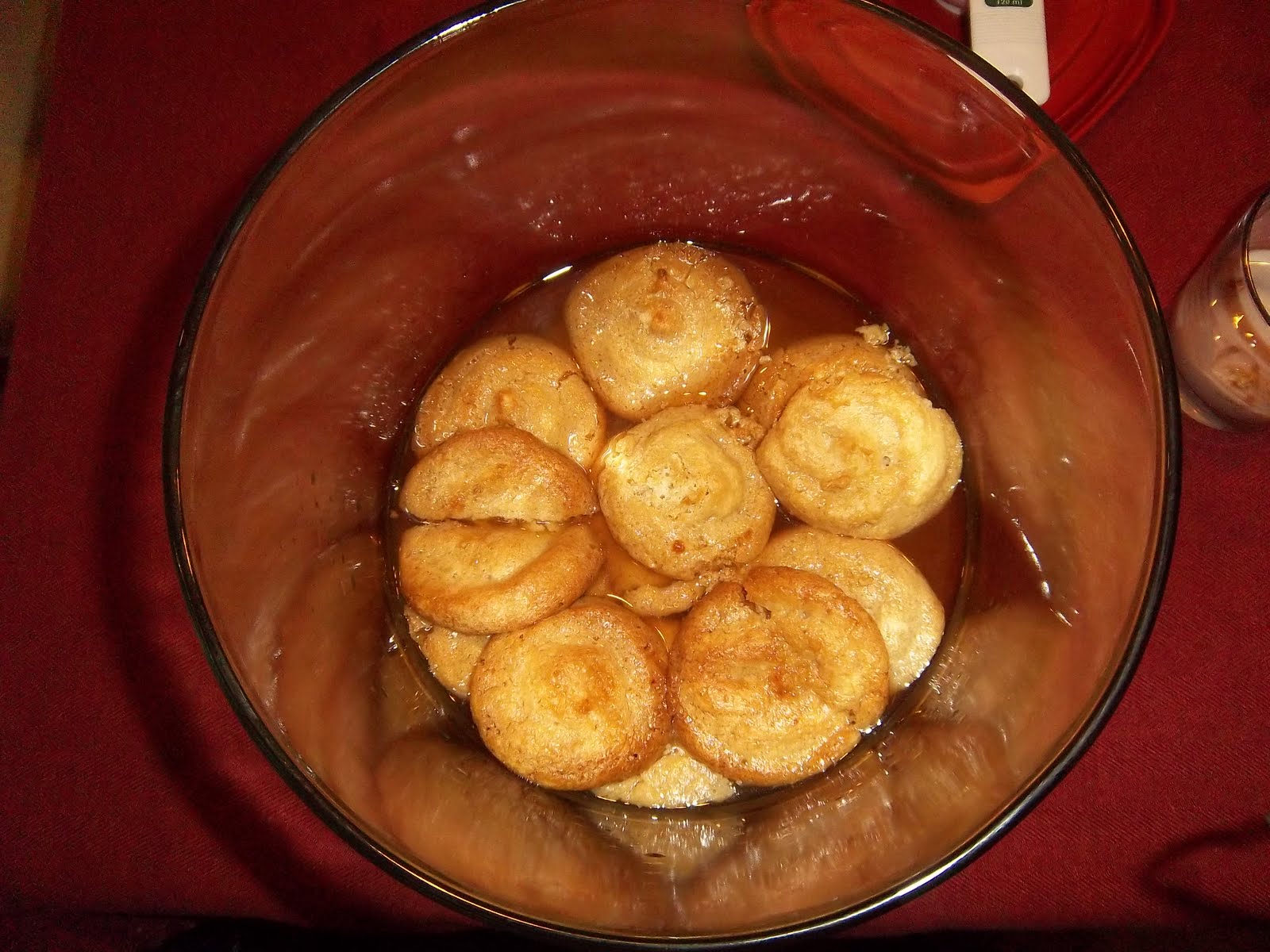
Now for the trifle itself: Start off by placing eight or so large macaroons in the base of your bowl. Break up some to fill in any gaps that may be there. By macaroons, I don’t mean coconut, but the old fashioned almond, or French, macaroons. These are quite tricky to get hold of and you won’t find them in a supermarket or even most bakeries. The best thing to do is phone around some French bakeries, or do as I did and keep it real by actually make your own. I took elements from an eighteenth century recipe by Elizabeth Raffauld and a contemporary one by Martha Stewart (see it here). Next, pour ¼ of a pint of a good dessert wine over them; Griggers suggests Frontignan, Malaga or Madeira wine. I went with Frontignan – not tricky to get hold hold of, but does more often go under the pseudonym of Muscat wine. Along with the wine, add two tablespoons of brandy.
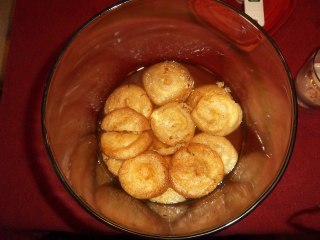
Next make the custard by boiling a pint of single cream in a saucepan (any Americans out there, use coffee cream or half and half). Whilst you wait for it come to a boil, whisk together two large eggs, two large egg yolks and tablespoon of plain flour in a bowl. When the cream comes to a boil, tip it over the eggs whisking vigorously as you go, then pour it back into your saucepan and stir over a low heat for a few minutes until it becomes nice and thick. Add sugar to taste – I went with around three tablespoons in the end. Remember to make it slightly sweeter than you prefer as cold food will not taste quite as sweet as hot. Pour the custard over the soaked macaroons and allow to cool. In fact it is best to leave it over night.

Don’t be thinking that there is time for idling though, for there is a syllabub to conjure up! The syllabub recipe has already appeared in the blog before so I won’t go through it here. Check out the recipe here and use the same wines as before to make it. Note that the syllabub requires an overnight steep as part of its prep.

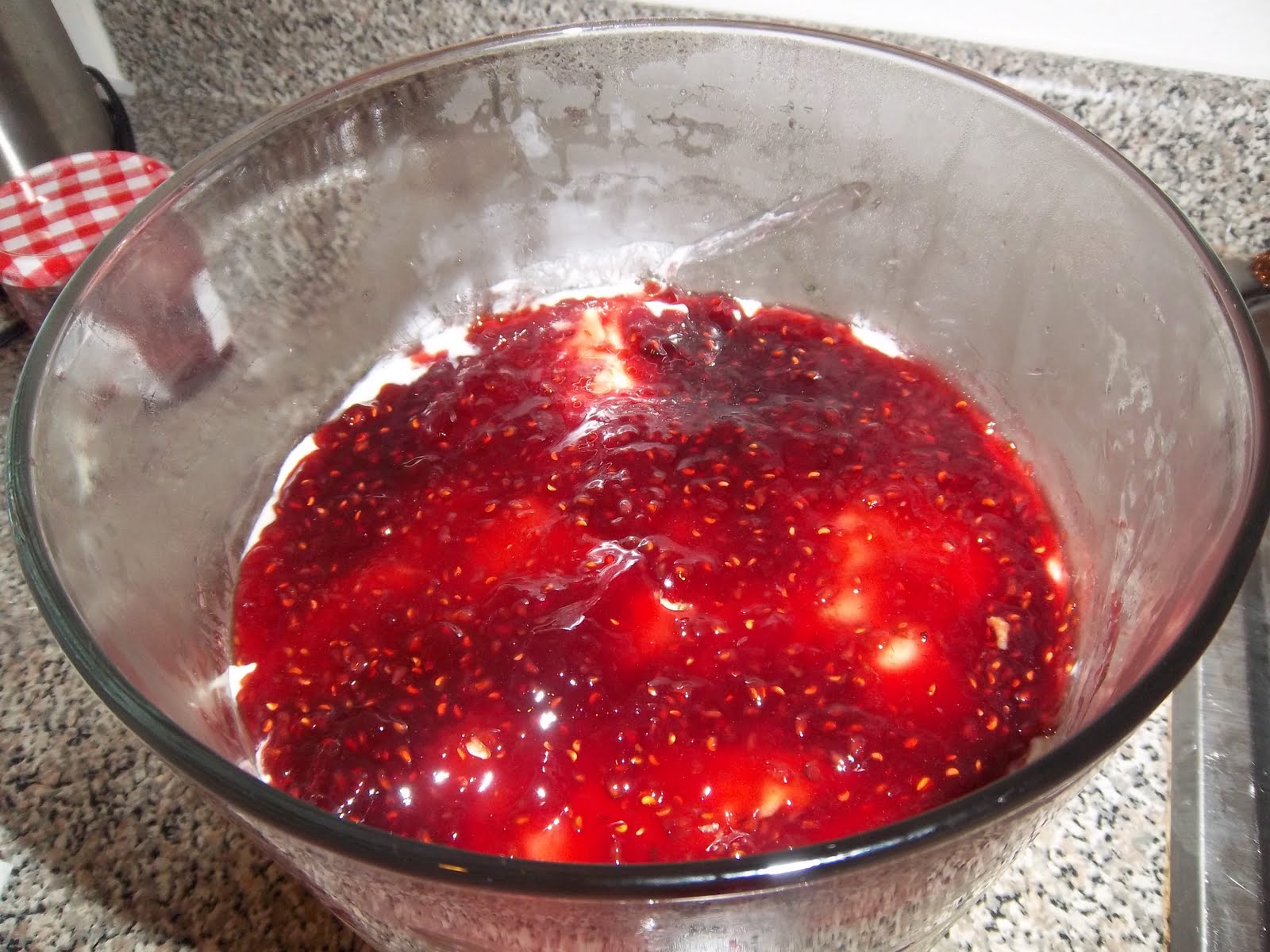
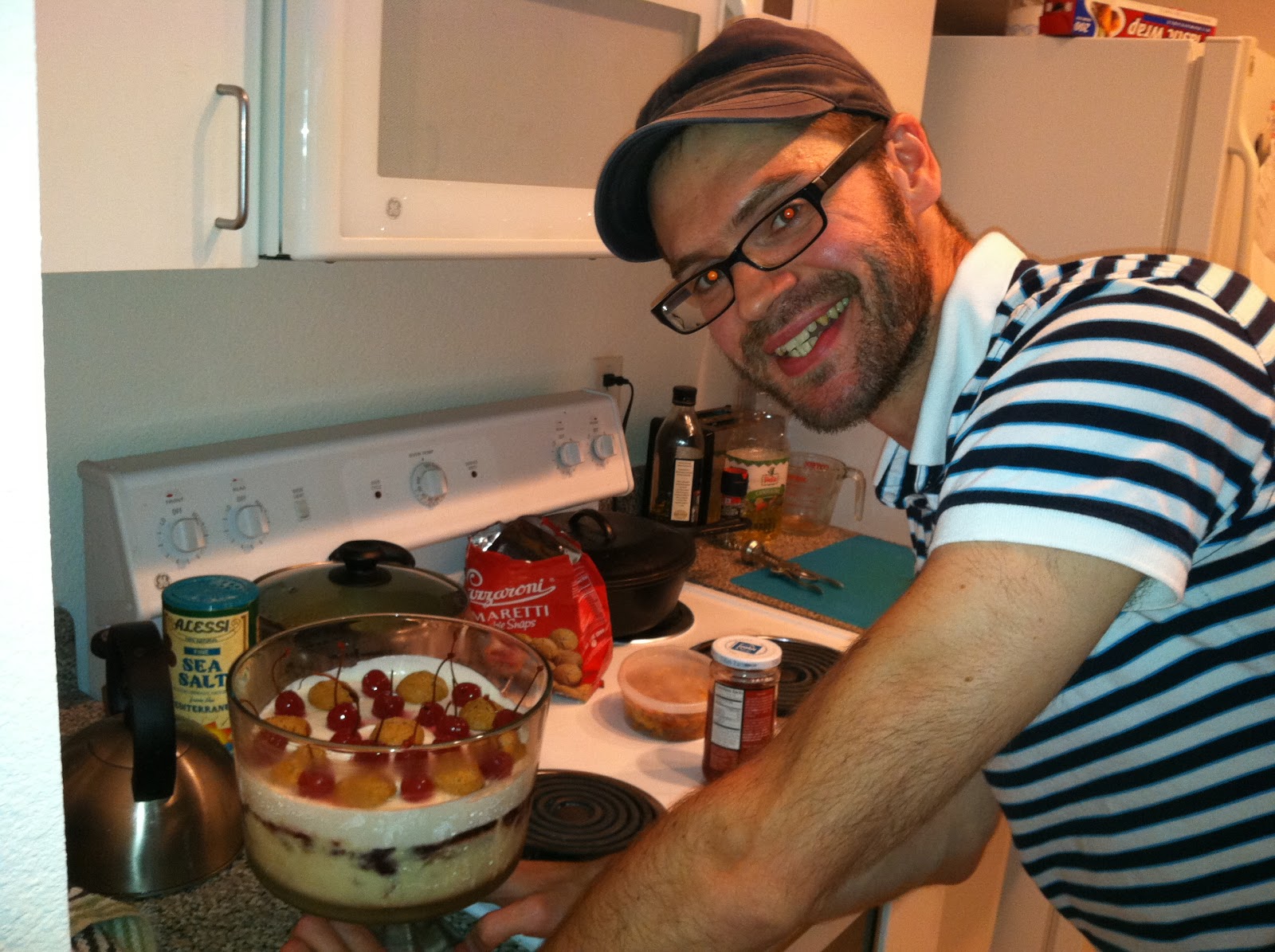
When the custard has firmed up, spread a good layer of raspberry jam over it and then spoon over the Everlasting Syllabub. Lastly, decorate with ratafia biscuits and some sweetmeats such as candied peel and comfits. Jane says to avoid tacky things like angelica and glace cherries, but I went with those nice cherries in syrup that are stones but have their stalks intact.

Leave the trifle somewhere cool for a while – a larder or pantry is better than a fridge, but in Houston, the refrigerator is the only option!

Groan!

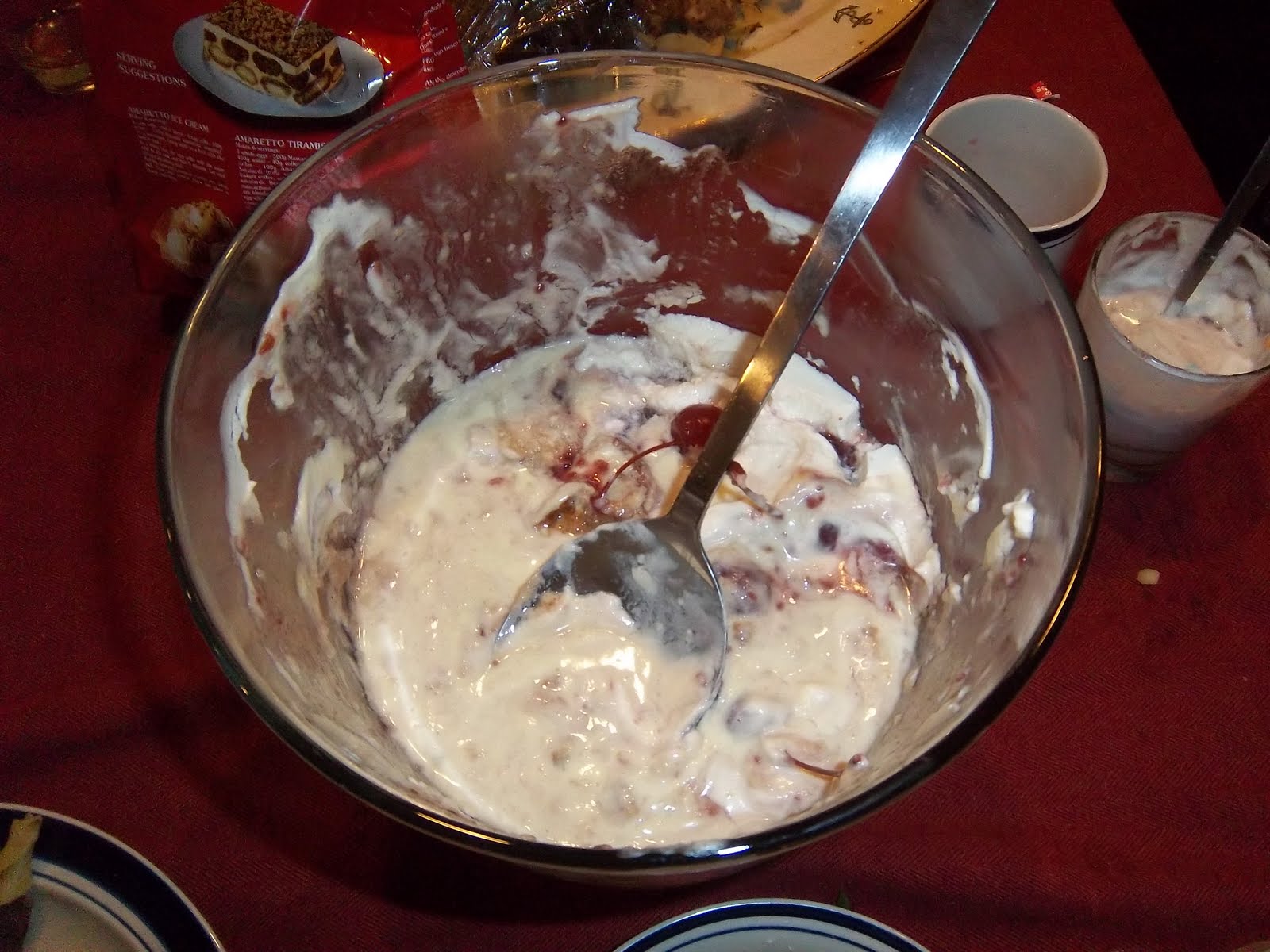
#300 Trifle. Three hundred recipes also means I am two-thirds of the way through English Food and what a recipe to choose! It took a good amount of time to make, but it was so, so worth it. The sweet wines blended perfectly with the light, fresh creams and custards in such a wonderful way, and the almond biscuits on the top and bottom layers gave it a nutty, scented quality and the sweet raspberry jam lent a subtle fruitiness. There was no hint of alcoholic acridity like I expected. In fact I had two helpings and then when everyone had left, I polished the rest off! Excellent, excellent, excellent. And worth eating! 10/10.

Don’t I look pleased with myself!?

#269 Elizabeth David’s Everlasting Syllabub

I made this syllabub to end to the little meal Hugh and I cooked for Maartin and Ninja. I’d had a feeling no one had tried one before as they have gone out of fashion rather. I’d only had one in my life before.
Syllabubs were very popular up until recently. Originally they were simply a mixture of ales or cider mixed with milk or cream, which was probably like a boozy curds-and-whey. The more solid, whipped and ever-lasting syllabubs first appeared in the seventeenth century, according to Griggers, although both were kinds were obviously eaten because recipes for both appear in the Experienced English Housekeeper by Elizabeth Raffauld from 1769 (I have recently got hold of a copy of it).
The recipe in English Food, is from a pamphlet called Syllabubs and Fruit Fools, written by the great Elizabeth David, but I thought I’d give this one from Elizabeth Raffauld too, you know, for those of you who want to keep it real. And have your own cow….
“To make a Syllabub under the cow
Put a bottle of strong beer and a pint of cider into a punch bowl, grate in a small nutmeg and sweeten it to your taste. Then milk as much milk from the cow as will make a strong froth and the ale look clear. Let it stand an hour, then strew over it a few currants well washed, picked, and plumped before the fire. Then send it to the table.
Brilliant. Sounds awful.
Anyway, here the recipe from Ms David:
This serves four to six. Bear in mind that you have to start this one the day before you want to serve it.
To a small bowl, add 4 fluid ounces of white wine or sherry (I went with wine, as sherry seemed a bit too rich), 2 tablespoons of brandy and the pared rind and juice of a lemon. Cover the bowl and let the flavours infuse together overnight. Strain everything into a large bowl and dissolve into the liquor two ounces of caster sugar. Next slowly mix in half a pint of double cream and grate in some nutmeg. Whisk the syllabub until it almost reaches the stiff peak stage so it is still a little floppy. Don’t over-whip it. There’s nothing worse than over-whipped cream; it goes all weird and cloying. You have been warned. Spoon onto glasses or ramekins and cover with foil or cling film. Leave them somewhere cool. Sir Kenelm Digby in 1669 recommends ‘[a] tiny sprig of rosemary or a little twist of lemon peel’, so I pared some thin pieces of lemon peel and let those stand in sugar overnight too as a traditional garnish. I served them with those little caramelised biscuits you get with coffee, I forget their name.
#269 Elizabeth David’s Everlasting Syllabub. Quite a boozy affair, this dessert, and I have never really got used to alcoholic puds, we just do eat them these days. However, as far as those kinds of desserts go, this was a good one, and nothing like the awfulness that was the Whim-Wham. The lemon and the fact it was a whipped dessert made it feel lighter than it was. Hugh ended up scoffing loads of them and made himself sick. Oh dear. I can’t scoff, cos I did exactly the same with the Whim-Wham. 6/10.

#253 Payn Pur-Dew (1420)

I haven’t done a historical recipe for a while, so I thought that my first recipe in this new country should be an old English one. It comes from the French pain perdu, which means lost bread, in other words smothered bread. It’s a French recipe but it obviously goes very far back in English history as this recipe proves. It’s from 1420 and is transcribed straight from the source, although Griggers doesn’t say what the source is! To put this into historical context, Henry V is the King of England and so he will have indulged himself on these in banquets; indeed, the inclusion of sugar in the recipe made it very regal. In the fifteenth century, honey would have been used as a sweetener. Eventually this dessert morphed into Poor Knight’s of Windsor – of which there are two recipes in English Food and I will try and do them soon so we can compare and contrast. Anyways, here is the recipe:

Take fair yolks of eggs, and separate them from the white, and drawn them through a strainer, and take salt [a pinch] and cast thereto; then take fair bread, and cut in round slices; then take fair butter that is clarified, or else fresh grease, and put in a pot, and make hot; then take and wet well the slices in the yolks, and put them in a pan, and so fry them up; but be ware of them cleaving to the pan; and when it is fried, lay them on a dish, and lay plenty of sugar thereon, and then serve forth.


I used clarified butter – not sure what is meant by grease, I suppose the author meant lard or dripping. It is important to clarify the butter, otherwise it and the bread will burn. The word fair in the recipe means fresh; so the quality of ingredients was important in medieval times just as nowadays. Griggers suggests using brioche should you have it. I didn’t.

FYI: Payn per-dew is also called French toast sometimes, but in the north of England I know it as ‘eggy bread’ and it is not just the yolks but the whole egg plus some milk is used. Slices are fried in a little oil and eaten with a scraping of tomato sauce or brown sauce and is certainly not a pudding!

#253 Payn Pur-Dew (1420). A simple and historical recipe that is a wee bit bland by our modern tastes. I think that in the 1420s it would have been an exciting dish, but I prefer it made with the whole egg and some milk to make it less rich and serve as a savoury rather than a sweet. It might have been better with syrup or honey on it instead; something with a bit of heady flavour. So, all-in-all it was okay, but not amazing. 4/10.

#249 Isle of Wight Pudding

Oh it HAS been a while, hasn’t it? I have been so very busy with getting ready for my move to Houston, I haven’t had the time to tell you all about the food I’ve been cooking. I have arrived in Texas now, by the way but haven’t really had much of a chance to explore the place, in fact I still have a bit of jet-lag. I shall fill you in about Houston soon, I’m sure.

Back in England it is blackberry season and those brambles that are so annoying and prickly for the rest of the year finally earn their keep. This recipe uses them, and so it was a great chance to try something that isn’t blackberry and apple pie (nice though it is). I made this in Derby visiting Simon and Rachel and the farm they are trying to set up as a cooperative eventually. They also keep bees and I used some of their delicious honey for this recipe too. If it isn’t blackberry season any soft fruit will do.


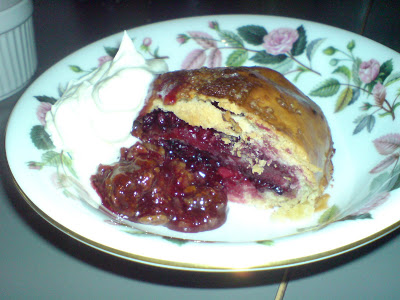
First make a shortcrust pastry with 8 ounces of flour and 4 of fat (butter, lard, or a mixture) plus cold water and roll it out into an oblong shape. Spread 4 fluid ounces of runny honey over the pastry and then sprinkle 8 ounces of blackberries over it. Roll up the dough so that it makes a sort-of Swiss roll, tucking the pastry under at the edges. Place in a small ovenproof dish and pour over 4 fluid ounces of single cream. Bake at 200⁰C for 45 minutes. Serve with thick cream.

#249 Isle of Wight Pudding. A really good pud this one, and cheap too! The best thing about it was that the juices from the berries plus the honey and cream heat up to form a delicious toffee sauce. The top goes very dark and forms a good crust, though it doesn’t make the dessert look very pretty. Give it a go – quick and simple. 7/10