#408 Little Cheese Soufflés

For a recent pop-up restaurant menu, I foolishly decided that one course should be soufflé. Now I must admit, I have had little trouble with Jane’s savoury soufflé recipes, but they were large soufflés with plenty of structure. What I wanted was little individuals ones which required even baking in my overworked and increasingly erratic oven. Luckily Jane had it covered – or so I thought – with this recipe for Little Cheese Soufflés.

This recipe appears to be far too good to be true; there is no béchamel sauce, no whipping of egg whites, no gentle folding and no ban Marie. All one has to do is mix the ingredients in the right order and bake! Obviously this was the one.

This mixture makes enough for 8 ramekins:

Grate 8 ounces of Lancashire cheese, setting a couple of tablespoons aside for later. Whisk together well 4 large eggs, and mix in ¼ pint each of single and double cream along with the cheese. Season with salt and both black and Cayenne peppers. Jane has a secret ingredient too; a rasp or two of freshly grated nutmeg.

Butter your ramekins and split the mixture between them, making sure there is a half-inch gap between mixture and ramekin rim. Mix together the cheese you put aside with two tablespoons of breadcrumbs and adorn each pot with the mixture.


Place on a baking tray and bake for 20-25 minutes at 200⁰C until risen and browned.
Griggers’ serving suggestion: ‘Serve immediately with thin slices of bread baked in the oven until crisp.
#408 Little Cheese Soufflés. Well what can I say? When Jane says ‘serve immediately’ she really does mean immediately! It took approximately 10 seconds for my risen soufflés to become sunken shells merely coating the inside of my ramekins. In her defence, these soufflé shells did taste good, though they certainly would not do for my pop up. As far as my understanding is, it seems that the mixture only rose because the eggs – technically – overbaked and therefore formed large bubbles. It seems the recipe was too good to be true after all. Hey ho. 3/10.
Here they are straight out of the oven. 10 seconds later, they weren’t so appetising!

P.S. For the pop-up I simply used her basic soufflé recipe and added my own flavourings. They rose and stayed up, so Jane saved the day in the end.

#407 Seftons

The first Earl of Sefton


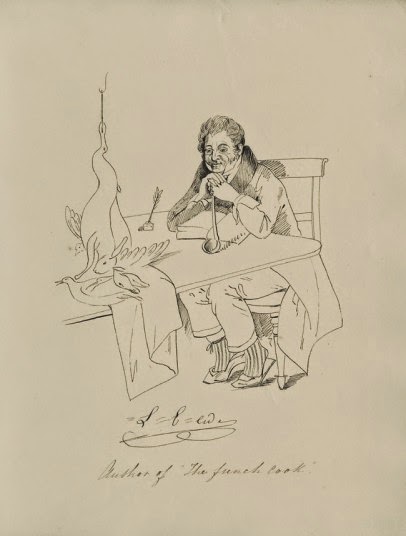
This recipe comes from the distinguished French Cook Louis Eustache Ude, chef to the Earl of Sefton. He came from good cooking stock himself; his father was chef to King Louis XVI.


Ude was quite a character, there’s a great story of him being hauled in front of a magistrate after he was found selling roast grouse on his menu before the 12th of August (the date from which the gamed season begins. See here for a post all about that). He was given a fine and sent on his way.


The next day, the Scottish Laird who had reported Ude to the police returned to Ude’s restaurant to make sure he was abiding by the rules. Pleased to see there wasn’t a morsel of the offending bird on the menu, he ordered Salami de fruit défendu, i.e. Salmi of Forbidden Fruit, which turned out – of course – to be grouse! The cheeky devil.

Louis Eustache Ude

There was none of this nonsense when he worked for the Earl of Sefton though as they goton like a house on fire, except for one day when he left his service because Ude spotted the Earl’s son adding salt to some soup he made. Offended by this, he turned on his heel and left.


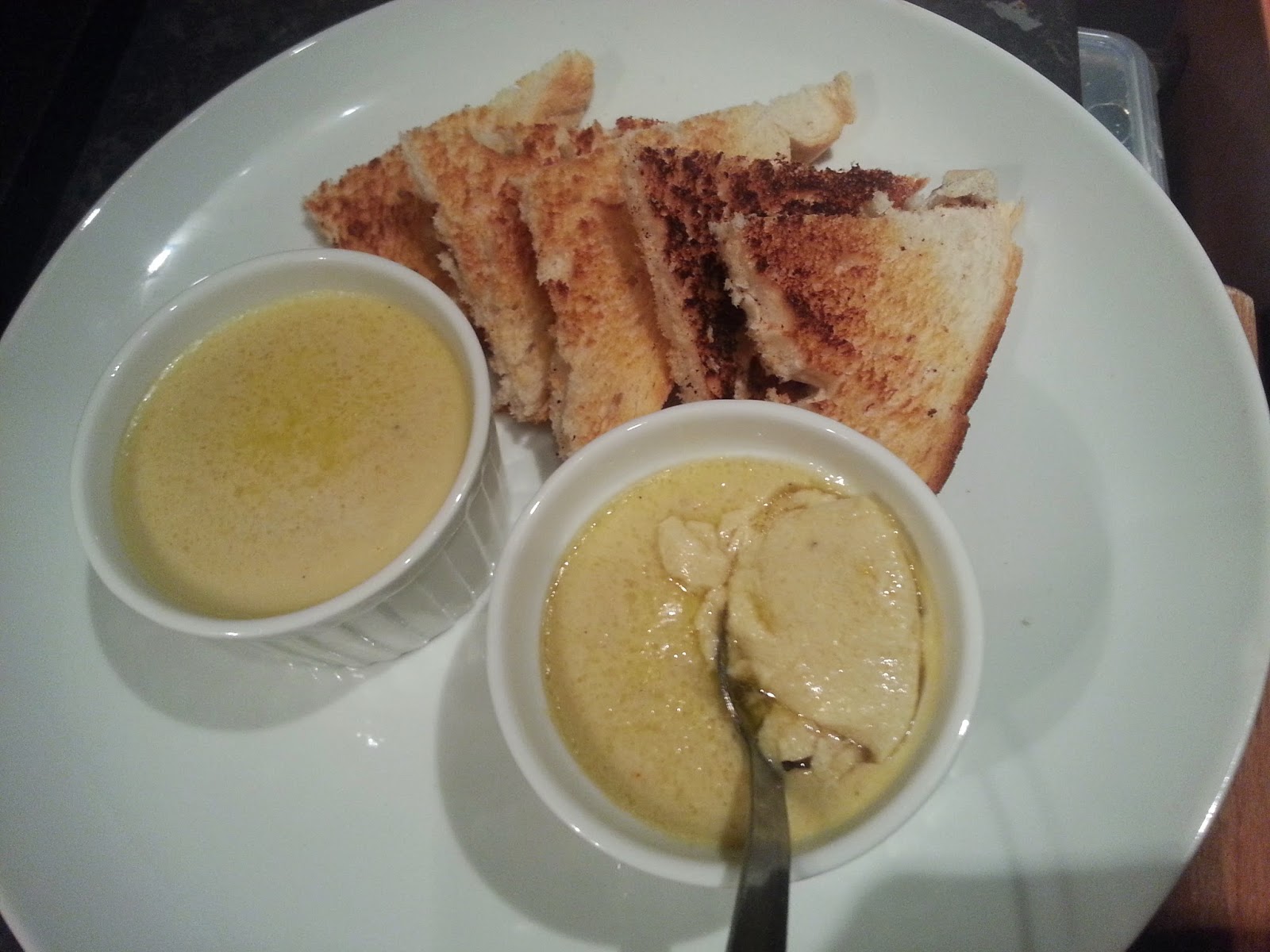
This recipe is essentially a savoury custard. It could only work with a home-made stock though. I imagine it would be excellent nourishing food for someone that is ill. The little custards can be served in their ramekins or turned out onto a plate.


Jane suggests to use a veal stock, but any stock can be used. On the other blog I recently wrote up a recipe for such a stock. For these sorts of dishes where the stock is the star of the show, you need to make your own stock, otherwise you risk it tasting of Cuppa Soup.


Anyway, that’s enough waffle. On with the recipe!


Bring one pint of good, clear, home-made stock to a boil and whisk it into 6 beaten eggs just as you would with a regular custard. Add the grated zest of a lemon, ¼ tsp of ground mace and season with salt and Cayenne pepper, then and whisk in 4 tbs of clarified butter.


Place your ramekins – you’ll need 6 to 8, depending on size – in a deep roasting tin and pour the custard into them and cover with foil. Pour boiling water into the tin, technically turning it into a ban Marie, and carefully slide the tin into an oven already preheated to 180C and bake for 12 to 20 minutes, or until the custards are just set and still have a good wobble on them. Serve straight away with thin, crisp toast, says Good Lady Grigson.


#407 Seftons. These were great, light and satisfying, even though they sound a little odd. I’m thinking that should I ever get my premises, they will definitely go on the menu; they are delicious, light, subtle and very satisfying and could very easily made vegetarian. I imagine a good mushroom stock would work very well as an alternative to veal. 8/10


Neil Cooks Grigson is on the radio!

Hello there everyone, just a very quick post to let you know that Yours Truly will be on Radio 4’s legendary Food Programme.

A 2-part tribute to Jane Grigson has been recorded in front of a live audience down in Bristol. Sheila Dillon hosts and on the panel are Diana Henry, Shaun Hill and Geraldine Holt. I was invited down to take part in it because Jane Grigson has changed my life, so I get to chat with them about how the blog has led me from PhD student, to starting my own food business.

It’s a two-parter and the first episode goes out today at 12.20, and the second episode is broadcast tomorrow at 3.30.
All very exciting and I am so glad that producers Rich Ward and Dan Saladino contacted me about it.

#406 Soused Herrings

The herring and mackerel recipes in the Saltwater Fish section of the Fishchapter have been pretty hit and miss; from the sublime #386 Herrings in Oatmeal to the ridiculously rank #390 Isle of Man Herring Pie, so I was rather pleased that this is the final one of the book. That said, this one did not strike too much fear into me; rollmops are okay and this recipe was not a million miles away from them.


Pickled herrings are not really considered as an English food these days, more Scandinavian, yet they were enjoyed frequently, after all how else were those inlanders going to get to eat them prior o e invention of the train? Pickled fish were an essential part of a #334 Salmagundi as we discovered in (quite unexpectedly) the Poultrysection.

When it comes to eating soused herrings, Jane suggests eating them the Scandinavian way: ‘serving them with a bowl of cream, beaten with lemon juice, salt and pepper, and flavoured with chives…[and] with wholemeal or rye bread and butter’.

This recipe is for 6 people, but as you’ll see, it is very adaptable to any number for folk.

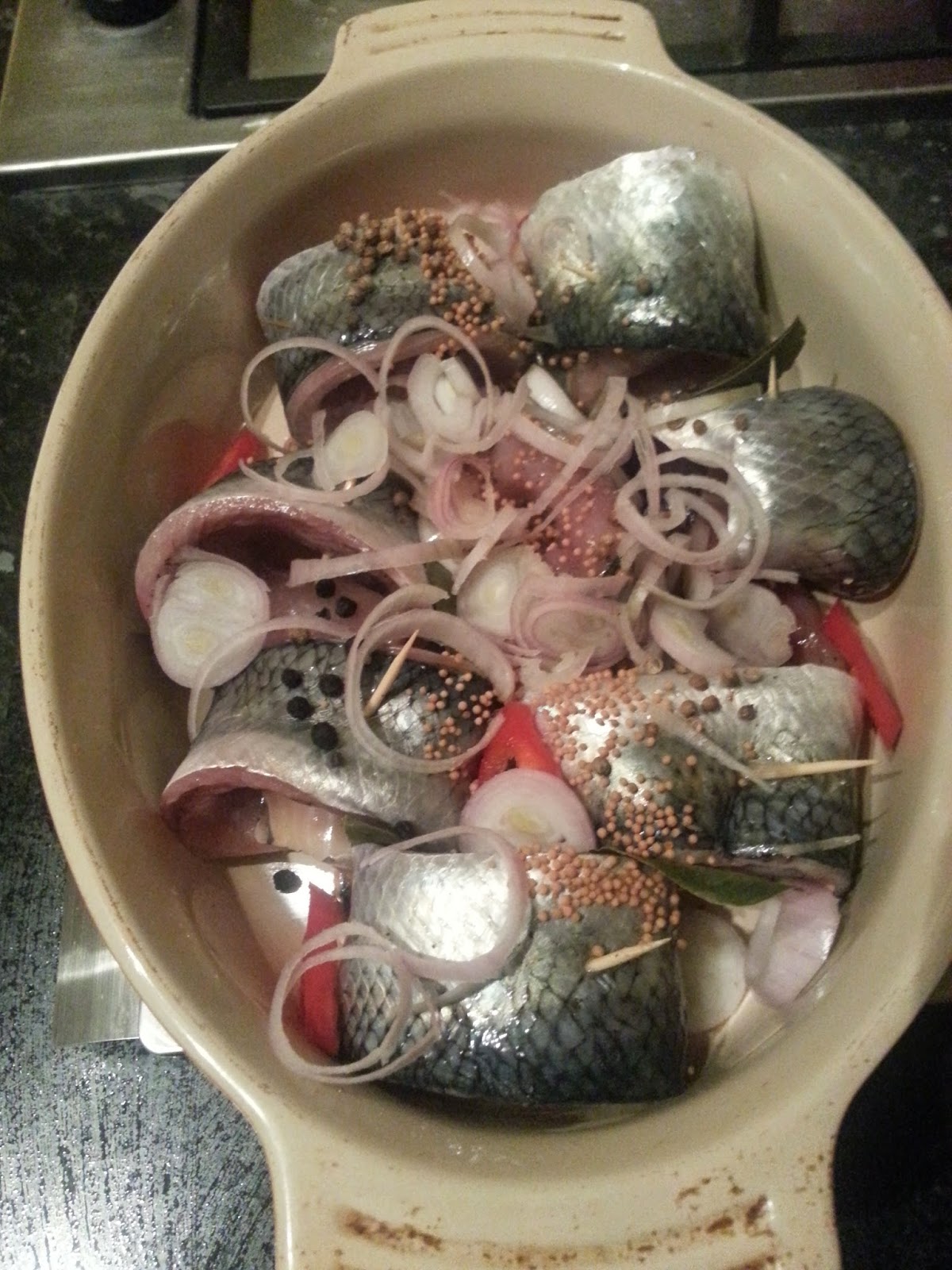
First, select 6 good-looking, plump, red-cheeked herring and ask the fishmonger to bone them, removing their heads. Once home, season the herrings with salt and pepper, roll them up tightly, and spear with cocktail sticks to secure them. Arrange the fillets in an appropriate ovenproof dish, masking sure they fit closely.

Next, pour over a quarter of a pint each of good malt vinegar and water. Halve 3 bay leaves and thinly slice 3 shallots(or a medium onion) and tuck between the fish. Add to that a deseeded and thinly-sliced red chili and level tablespoon of pickling spice.


Cover the dish with foil and bake at 160⁰C for 45 minutes and allow them to cool.

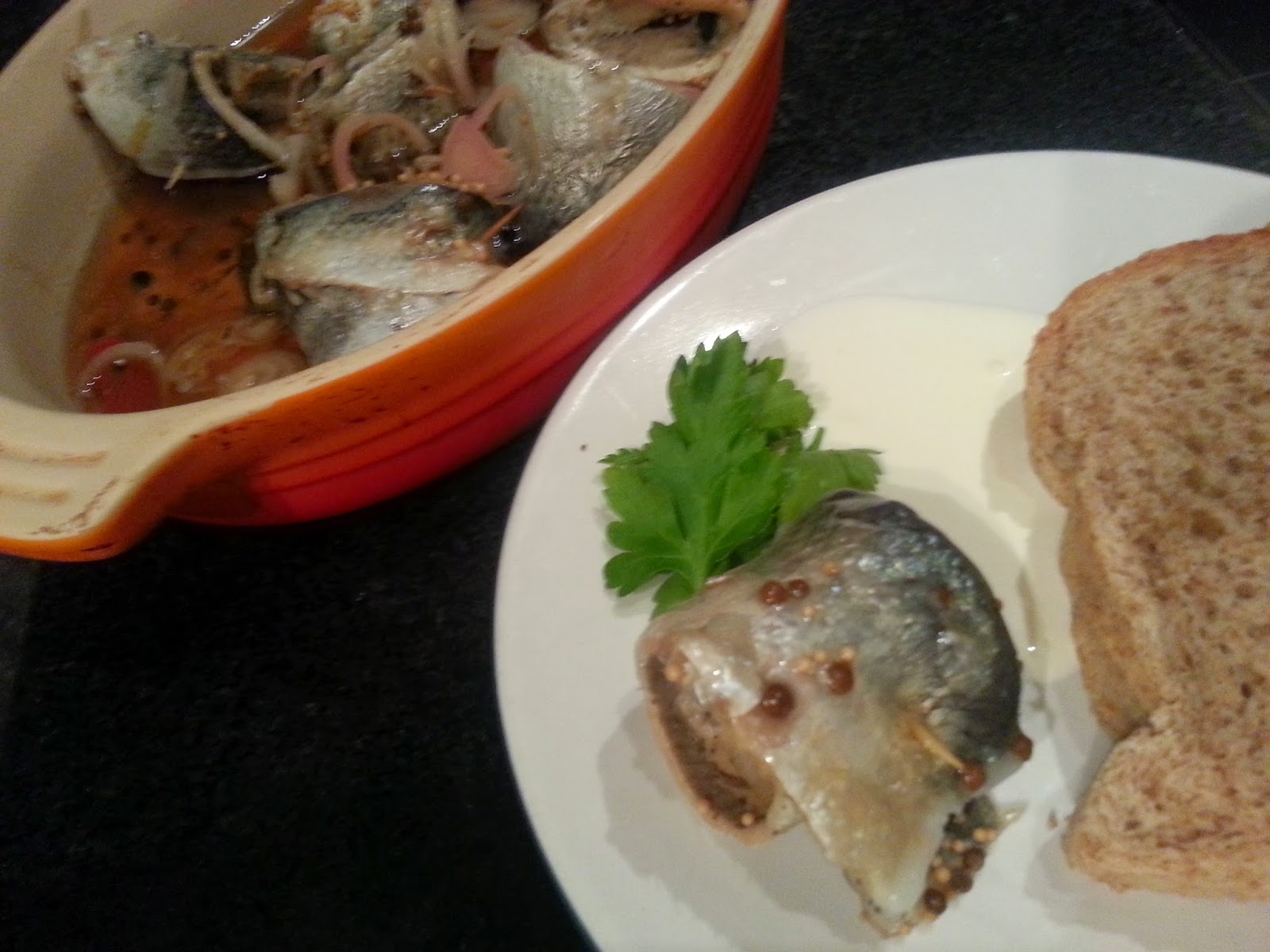
If you don’t want to serve the herring in their baking dish, move them to a more suitable serving dish and sieve over the pickling liquor.

#406 Soused Herrings. Well this was a middling recipe really, not inedible but not very exciting either. The well-flavoured pickling liquor was much better than the liquor used for rollmops. However, rollmops they were, which are never going to have me doing cartwheels. 4.5/10.


#405 Capon, Goose or Turkey Neck Pudding / Poddyng of Capoun Necke (1430)

Here’s a recipe that I’ve been dying to do since I first picked up Jane Grigson’s tome and, at Christmastime, I finally got the chance to cook it (yes, I am THAT behind on writing my posts!).

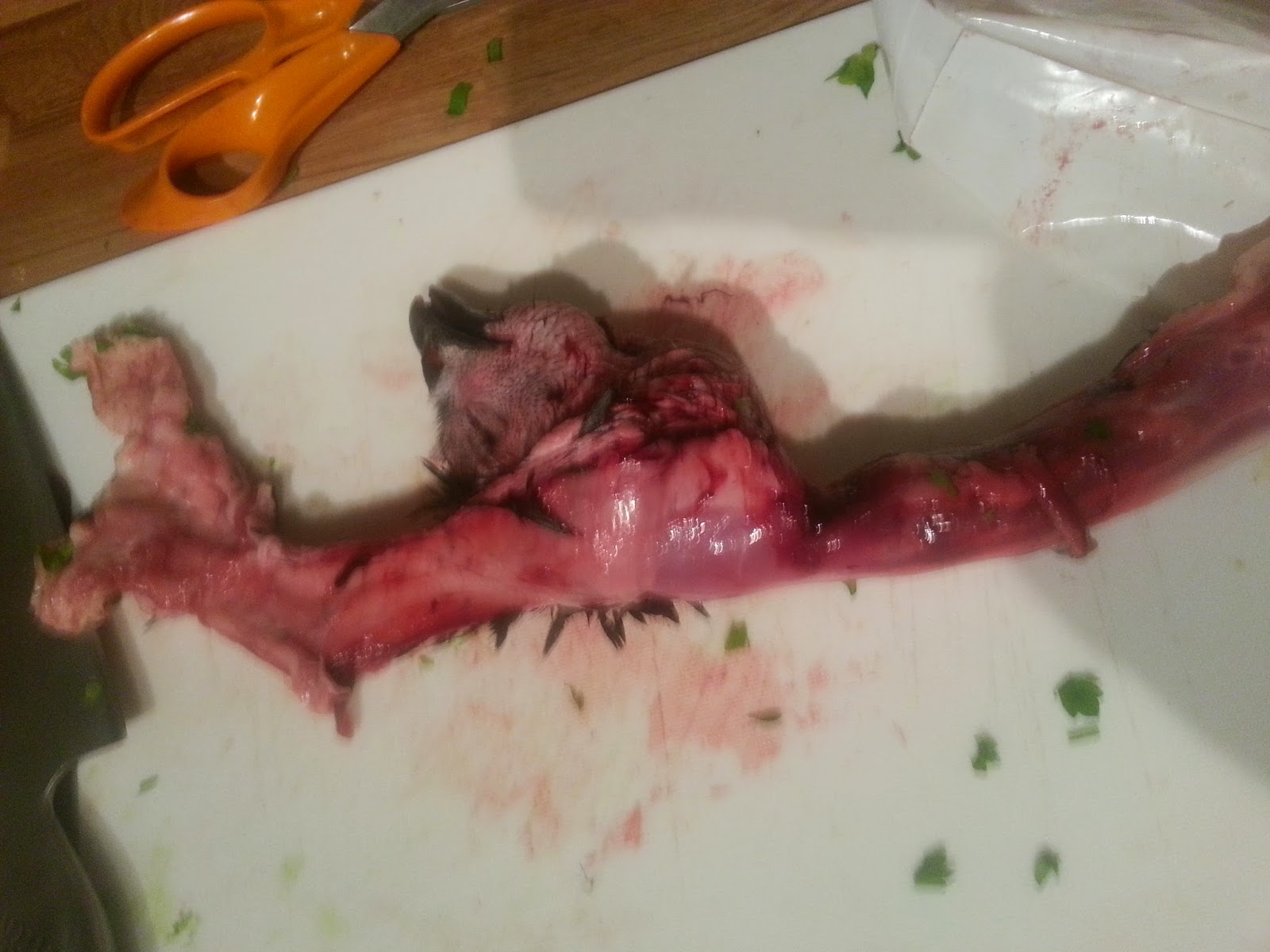
The main problem, you see, is getting hold of the neck of a turkey, goose or capon. It’s not the neck muscle that’s needed; that would be easy! All I’d have to do is rummage inside the giblets bag and pull the neck out. This recipe requires the neck skin – all of it, from the base of the neck, right up to the beak. In other words, I needed a fowl with its head still on.

The trouble is, it is very tricky to get one. I have three very good butchers close to me and none of them could get me a turkey with its head on! These birds are plucked and gutted mechanically these days, and the butcher doesn’t have to do a thing when he receives them.

To get a bird with its head on, you have to know a farmer or keep them yourself. Luckily for me Dalesbread Finest Meats, who attend Chorlton Market with me (3rd Saturday of the month!), farm and sell their own meat, including turkey and geese. No problem, they say.

This recipe comes from an early Fifteenth Century manuscript, jazzily called Harleian MS.279. Here’s the original recipe:

Poddyng of Capoun necke.—Take Percely, gysour, & þe leuer of þe herte, & perboyle in fayre water; þan choppe hem smal, & put raw ȝolkys of Eyroun .ij. or .iij. þer-to, & choppe for-with. Take Maces & Clowes, & put þer-to, & Safroun, & a lytil pouder Pepir, & Salt; & fille hym vppe & sew hym, & lay him a-long on þe capon Bakke, & prycke hym þer-on, and roste hym, & serue forth.

Essentially, it’s the skin of the neck wrapped around some spiced offal to produce some kind of hybrid between a sausage and a meatloaf.

This is Jane’s somewhat modified version of that recipe.

First job on the list is to get the neck skin removed from the bird. To do this, get yourself a pair of good, sharp scissors. Three incisions is all you need to make, and the first is around the base of the neck, as low as you can without exposing the breast. Next, cut around the neck end, close to the beak. Lastly, cut straight up the length of the neck, so that you can remove the skin in one piece.

This sounds easy. It is not.

Okay, now for the filling. Get yourself a good-sized mixing bowl and break up 8 ounces of sausagemeat and mix into it a good tablespoon of finely chopped parsley and a couple of egg yolks. Season with salt, pepper, mace and cloves. If you like add a pinch of saffron that has first been soaked in a tablespoon of hot water.

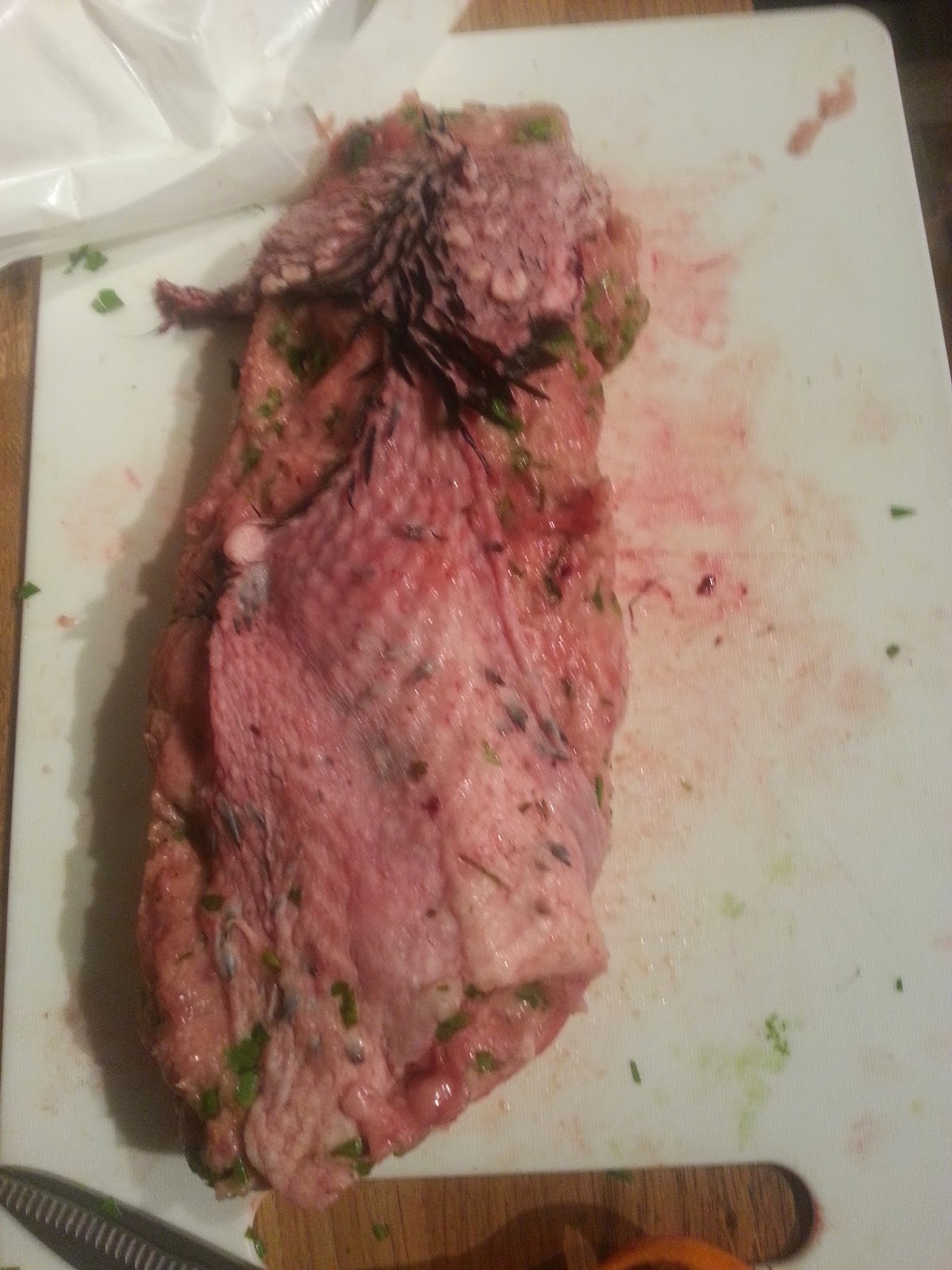
Lay the neck skin flat on a work surface and spread half of the mixture over it. Cut the liver of your bird into three pieces and arrange these in a line going down the centre then spread the remainder of the filling over the top of that. Pull the edges of the neck skin around, wrapping the filling up, turning it over and tucking it in. Pop it into a loaf tin.

This sounds easy. It is not.

I could not get the skin to wrap around the sausagemeat, nowhere near in fact. I tried my best, but it ended up essentially a meat loaf with some skin draped over it.

Bake at 180⁰C for 45 minutes. Cool and leave in the fridge so that the flavours can permeate. Slice and eat like a pâté.

#405 Capon, Goose or Turkey Neck Pudding / Poddyng of Capoun Necke (1430). This was both a disaster and a success at the same time. There was far too much filling for the neck, so as the ‘pudding’ baked the skin shrank, leaving a wrinkled line of neck flap. However, the filling was absolutely delicious! The liver was good and creamy and those mediaeval spices complemented the meaty, rich filling. All pâtés should have cloves and mace added to them, I reckon. Even though the neck ended up being completely superfluous, it’s still a high scorer. 7/10

This terrible photo doesn’t show it at it’s best!

#404 Lamb (or Mutton) to Eat as Venison

All the way back in November, I was asked to cater for a dinner party; a very special one because it had the most interesting brief. A seven-course dinner was required where each course represented a different time in history.

For the Georgian course, I went straight to my favourite book from that time period The Experienced Housekeeper by Elizabeth Raffald (1769). Flicking through the pages, I happened upon a recipe To dress a Leg of Mutton to eat like Venison. It required you to ‘[g]et the largest and fattest leg of mutton you can get cut out like a haunch of venison as soon as it is killed, whilst it is still warm.’ It then goes on to tell you to ‘remove the bloody vein’ and then marinade the thing in wine, dry it, and to roast it in pastry. I was intrigued, but it was obviously unachievable. Looking in other books, I found many versions of it, sometimes roasted, sometimes braised, but always marinated in red wine (and often in the blood of the beast too!). I knew the recipe looked familiar, and it finally dawned on me that a recipe for it appeared in good old English Food by good old Jane Grigson.

There’s a 4 day marinating time for this recipe, so plan ahead if you fancy making it – and I really suggest you do; see my review of the recipe below.

Start off by making the marinade: dice up 5 ounces each of onion, carrot and celery, chop 3 cloves of garlicand brown them in a couple of tablespoons of oil, such as sunflower or rapeseed. Take your time over this and get them good and brown; the veg won’t be in the final dish, but its flavour will be. Let it cool.


Now mix the cooled, browned vegetables with the following:

1 bay leaf
2 good sprigs of thyme
4 sprigs of parsley
2 sprigs of rosemary
8 crushed juniper berries
8 crushed coriander seeds
10 crushed black peppercorns
3 tsp salt
1 (UK) pint red or dry white wine, or dry cider

¼ (UK) pint of red or white wine vinegar(and, though not on the ingredients list, cider vinegar, if going down the cider route)


Now tackle the meat. Use a full leg of lamb or mutton, I went for the latter. It was huge, so I increased all the above values by a half. All you need to do it score the fat into a diamond pattern, like you would do for a ham. Find a large, deep dish or pot and place the lamb inside and pour over the marinade. Make sure the whole leg gets the marinade on it, so turn it over a few times. Keep the leg somewhere cool – a fridge, or a nice cool cellar or pantry – and cover it with foil. Turn it twice a day for four days.

When the four days is up, get a new set of vegetables ready. Slice 2 onions, 2 carrots, 2 leeks and chop 2 sticks of celery. Also chop up 8 ounces of unsmoked (‘green’) streaky bacon. Brown all of these in a couple of ounces of butter


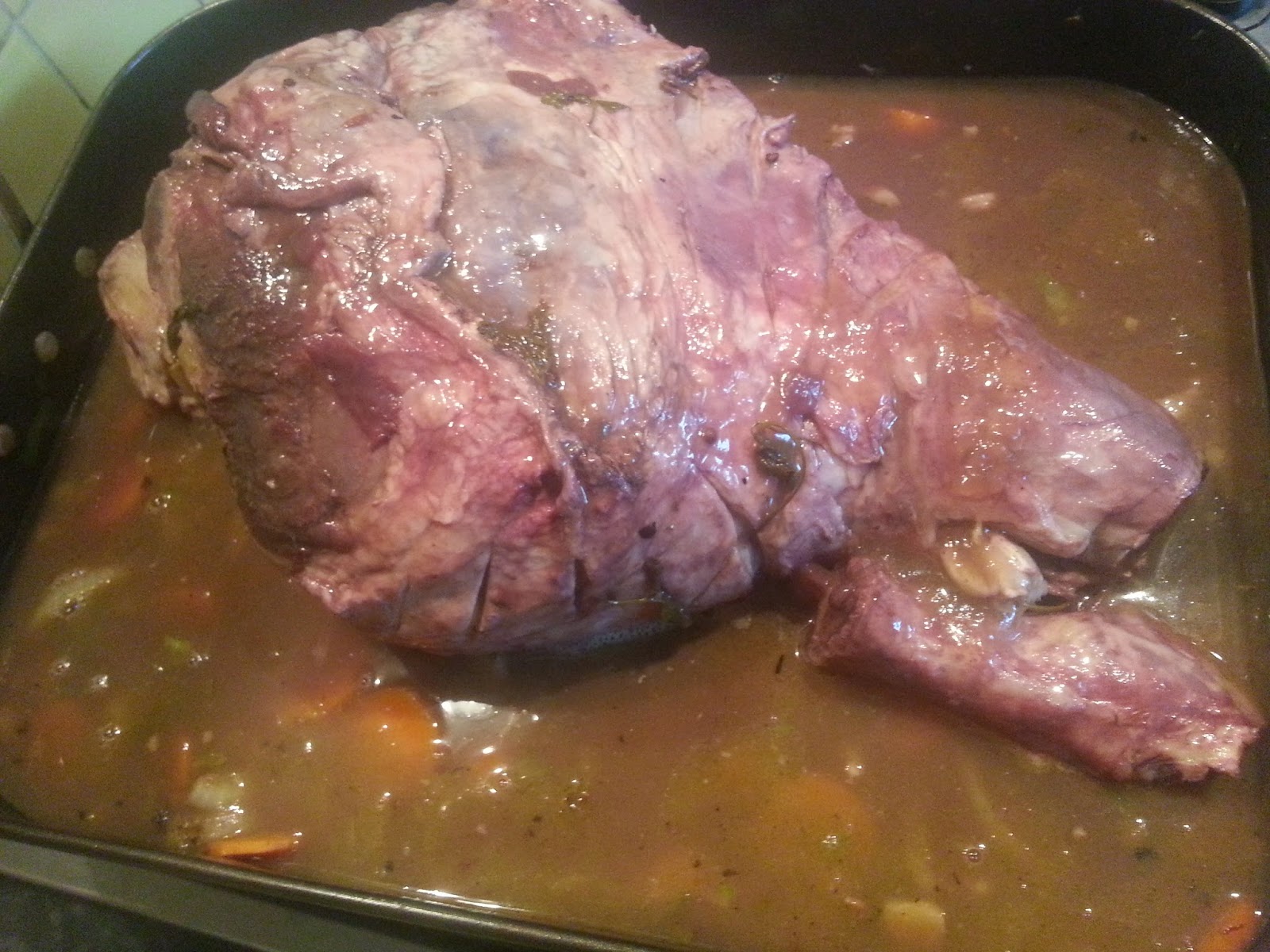
Spread the vegetables over the base of a deep roasting tin, place the leg on top and strain the marinade over it. Top up the marinade liquid with veal stock so that it comes up two-thirds of the way up the tin. You don’t actually need to use veal stock; chicken stock or water would do, I am sure. However, if you want to make your own, look here for my recipe for it from the other blog). Cover with more foil.


You have two choices now: either bring the whole thing slowly to boil and simmer gently for 2 hours on the hob, or bring to simmer and pop it in a cool oven instead, 150⁰C will do it. If you are using mutton, you need to cook the leg for another hour or even 90 minutes. Turn the joint over after one hour and in the final thirty minutes, ladle out 2 pints of the cooking liquid and boil it down hard to make a concentrated, richly flavoured stock.

When the cooking time is up, remove the leg and put it into another roasting tin and turn the oven up to 220⁰C. Roast for a good 20 minutes and baste well with the concentrated stock to achieve a nice glaze.


Jane suggests serving with gravy made with the pan juices and reduce stock and the usual lamb/mutton accoutrements. See here for a post all about that. I actually served it with a ‘Lenten Pie’, from Raffald’s book. At some point I will blog each course on the other blog.

Jane points out that you do this recipe with a leg or pork and magically transform it into wild boar.

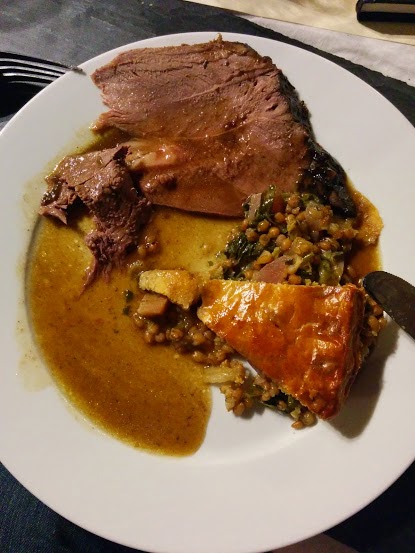
#404 Lamb (or Mutton) to Eat as Venison. Oh my goodness, this may simply be the single most delicious thing I have ever cooked! First of all, it tasted exactly like venison; beautifully gamey, but with the moist succulence you would expect from lamb or mutton. It was transformed! There must be some kind of witchcraft afoot. I was amazed, and luckily so were my diners! I cannot recommend this more highly, absolutely bloody brilliant. 10/10.

#403 Raised Mutton Pies

Just a quickie from theMeat Pies &Puddings part of the Meat, Poultry & Game Chapter:

This is the last of the raised pie recipes in English Food. It’s a little different in that you don’t need to make a jellied stock like the others, but a gravy made from mutton bones.

If you can’t get hold of mutton, then lamb will do just as well.

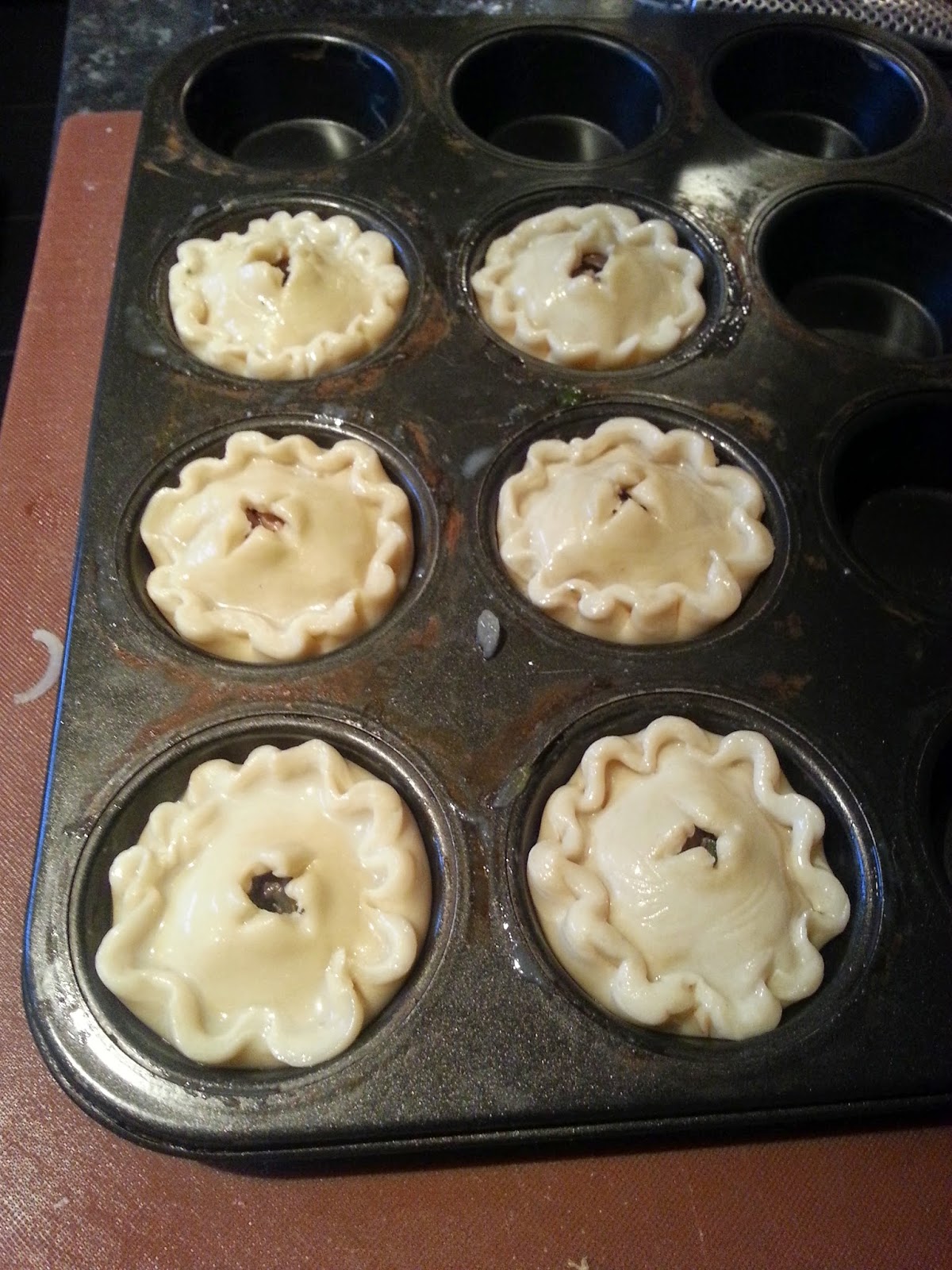
To make the pie, you will need to make a batch of hot water pastry – have a look at the post #282 Raised Pies. It also goes through the process of making the pies themselves. In this case, the pies are to be made small. To do this you can use wooden pie dollies or jam jars and raise the pastry around them. Alternatively, and much easier, is to use muffin tins and roll pastry to fit.


For the filling, you need a whole best end of neck of mutton, or a pound of fillet meat. Make sure the butcher give you the bones of the sheep. Chop the meat finely, including some fat. Finely chop 3 shallots or 4 ounces of onion along with 4 ounces of mushrooms and a tablespoon of parsley. Mix all of these together with the meat and a teaspoon of dried thymeand salt and pepper. Place in a pan with ¼  pint of water, bring to a simmer and let it tick over for 5 minutes. Cool.


Fill your pastry cases, however you have constructed them, with the mixture and bake for 25-45 minutes at 200⁰C, depending on size.


Once whipped out of the oven, pour in gravy made from the bones. There is no instruction from Jane as to how to make this, but it’s pretty easy. Make a stock from bones, trimmings and some stock veg. Reduce it and mix into a roux of butter and flour to thicken it up.


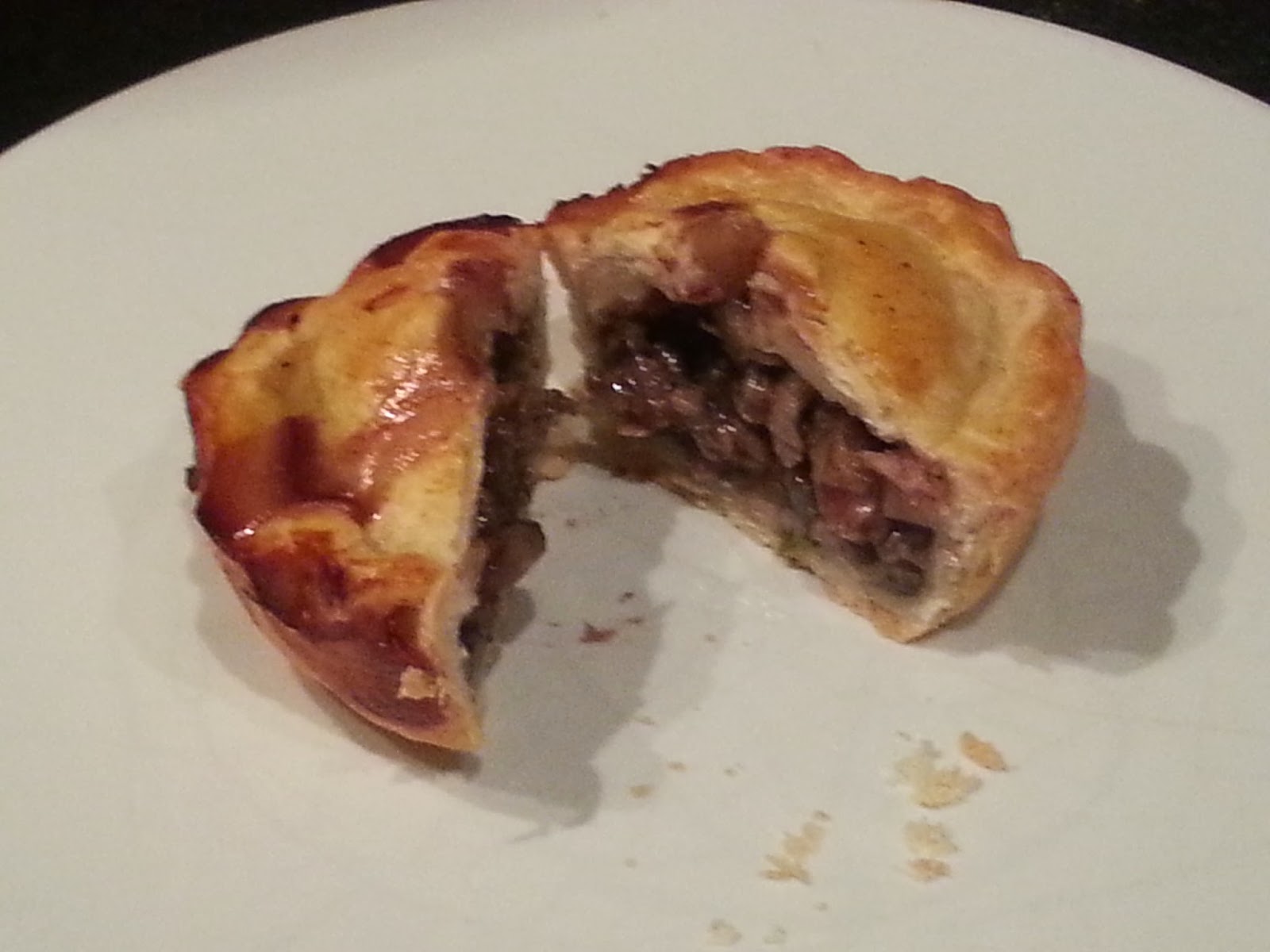
#403 Raised Mutton Pies. These were great – I must admit I was a little dubious of the watery filling, but it really was delicious, the vegetables and herbs made the water into a delicious stock, which reduced during baking. They were so good, I added them to one of pop-up restaurant menus. 8/10.


#402 Blaeberry or Blackcurrant Pie

Wild blaeberries (from berryworks.com)


The flitterin faces come doun the brae
And the baskets gowd and green;
And nane but a blindie wud speer the day
Whaur a’ the bairns hae been.
The lift is blue, and the hills are blue,
And the lochan in atween;
But nane sae blue as the blaeberry mou’
That needna tell whaur it’s been.


Blaeberry Mou,
William Soutar

Here’s recipe from English Food that I have found extremely difficult to cook; blaeberries and blackcurrants simply don’t crop up in greengrocers. Almost all of the blackcurrants grown in this country are snatched up and turned into Ribena, the leftovers being very expensive, assuming you can track them down. Blaeberries are not commercially grown and therefore you have to rely on happening upon bushes – many bushes; you’ll need between 1 ½ and pounds for this recipe!

But then I came across some huge punnets of them at a greengrocer called Elloits in Chorlton, Manchester. I couldn’t believe my luck so I bought a couple and skipped away clutching my precious bounty back home.

 So – and I know you are quite likely to be thinking this – what the heck are blaeberries!? They have many aliases: tayberries, bilberries, whortleberries, whimberries, wild blueberries….the list goes on. Blaeberries are very commonly found in the very north of England, Scotland and Ireland. They are quite popular in France – where they are called myrtles – and are generally used to make liqueurs.

 Jane Grigson tells us of a rather disturbing song she used to sing at school as a child where a young mother is left distraught when her baby is stolen by faeries whilst she picks blaeberries:

I went to gather blaeberries, blaeberries, blaeberries,
I went to gather blaeberries, and left my darling baby-O.
I found the track of the swan in the mist,
The swan in the mist, the swan in the mist,
I found the track of the swan in the mist,
But ne’er a trace of my baby-O.

So the blaeberry is steeped in the history of the northern climes of the British Isles, but people are trying to get this wild, rather niche, delicacy cultivated and into our shops. Susan McCallum of the Hutton Institute is asking for people to keep an eye out for blaeberry hotspots so that the most productive plants can be bred. This is because they match the American blueberry for their health benefits, and sales of blueberries are on the increase. Here’s the post all about the project.

In this recipe, Jane says we can use blaeberries or blackcurrants in this recipe; I assume because they are both found in Britain, but I think that you should use blueberries as alternative fruit because their flavour is so very close to that of the blaeberry. Jane also uses the Yorkshire trick of spiking the tart with some freshly chopped mint.


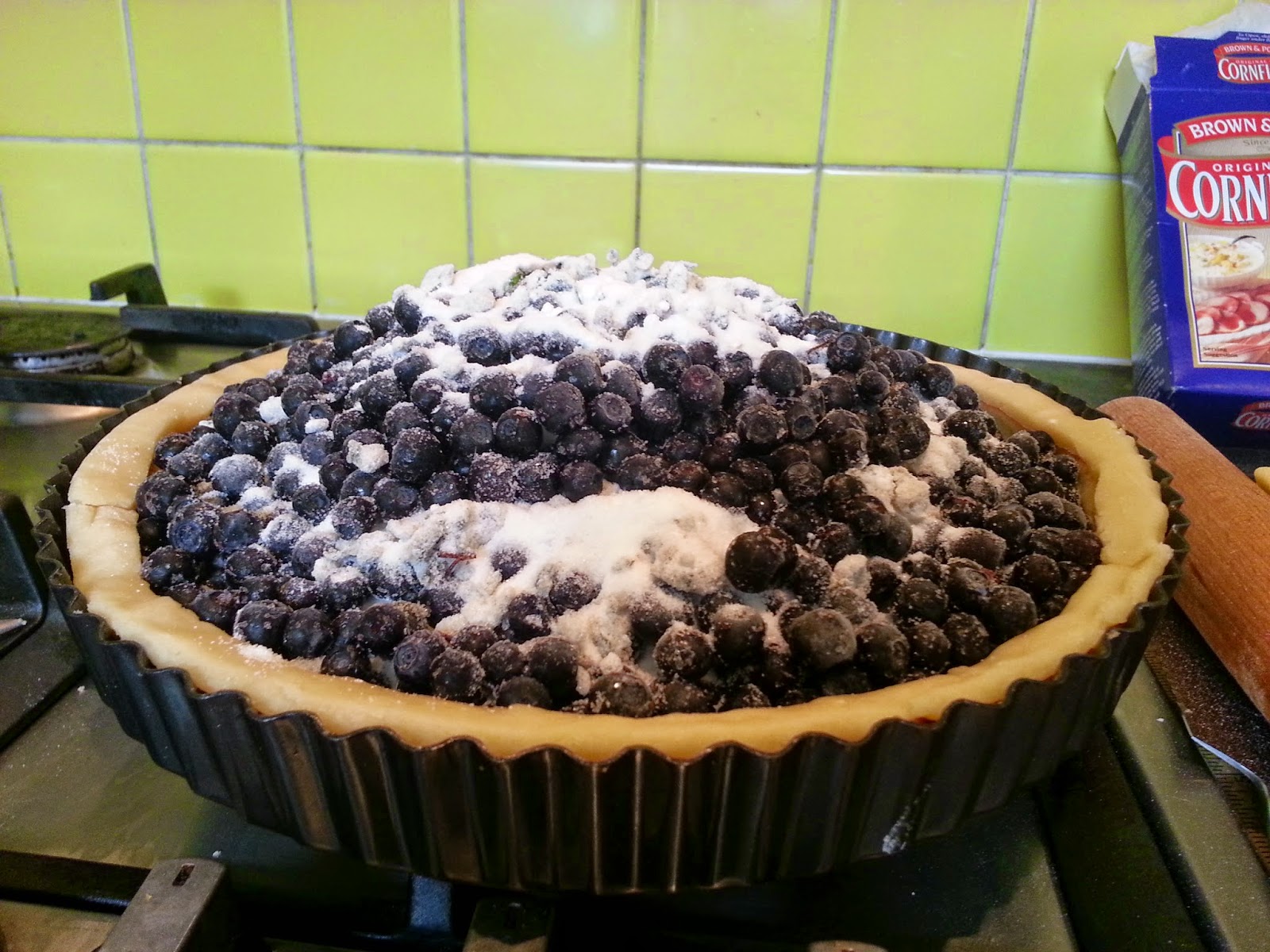
Pick over 1 ½ to 2 pounds of fresh blaeberries or blackcurrants, removing leaves and stalks. Weigh out 8 ounces of caster sugar and mix it with a heaped tablespoon of cornflour and a level tablespoon of chopped mint leaves. Layer the fruit and sugar mixture alternately in a pie dish, making sure the fruit is humps up in the centre and cover with some sweet shortcrust pastry. Brush the pie with water or egg whiteand sprinkle more sugar on top. Bake at 220⁰C for 15 minutes, and then turn the heat down to 190⁰C and bake for a further 20-30 minutes. Serve with cream.


It’s worth mentioning that it can be made as a double crust pie too.

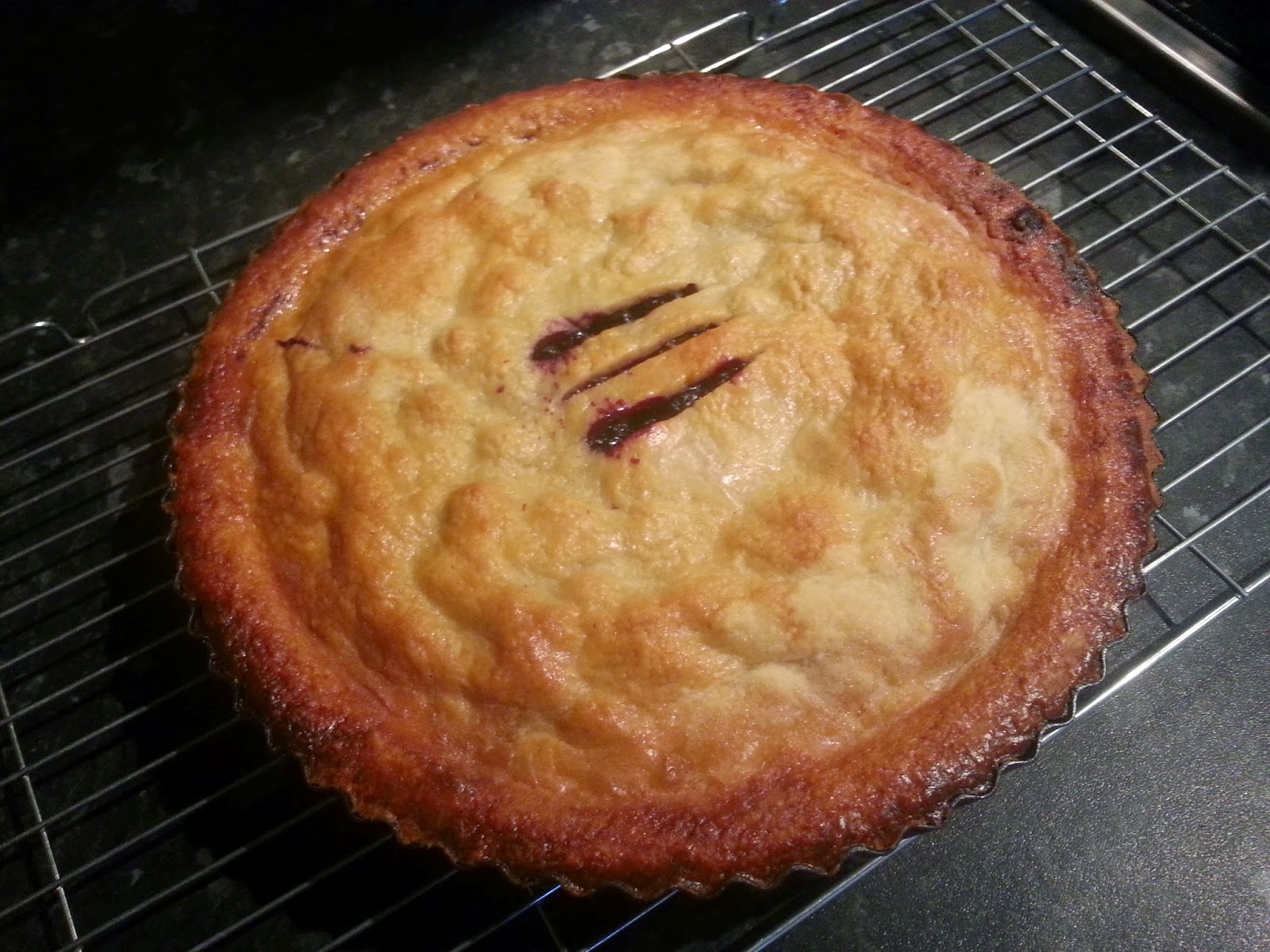
 #402 Blaeberry or Blackcurrant Pie. I decided to make this pie for one of my Pud Clubs, and not only did it go down very well, but won – pitched against six other puds! It was so delicious; a deep jammy and tart filling that was so intensely flavoured it was almost a shock, and the aromatic mint took it to another level. This might be up for the award of best pud in English Food! 10/10

#401 Plum Bread

I made this bread (the penultimate recipe in the Breadpart of the Teatime chapter) all the way back last autumn when plums were in season. It has taken me only four months to pull my finger out and tell you about it.

This is a recipe from a book called British Cooking by Theodora Fitzgibbon published all the way back in 1965. I just a quick search of her back catalogue and she has written a huge series of books on British and Irish cookery. (I ordered a load off that evil website that rhymes with Schlamzon, don’t judge me.)

Jane points out that raisins can replace plums out of season. Here’s what to do:

This is an old school recipe and so it starts with an ounce of fresh yeastcreamed in 3 tablespoons of warm milk. Leave it to do its stuff for 10 minutes and in the meantime mix together 8 ounces of strong white flour, 2 tablespoons of sugar and the grated zest of a lemon in a bowl.

Make a well in the centre and plop in a large beaten egg, 2 ounces of melted, but tepid, butter and the yeast. Now mix to form the dough. What Jane does not mention is that this dough is so stiff it couldn’t possibly make a decent loaf of bread. Nevertheless, once the dough is (somehow) kneaded to make a smooth dough, place it in an oiled bowl with some clingfilm over it.

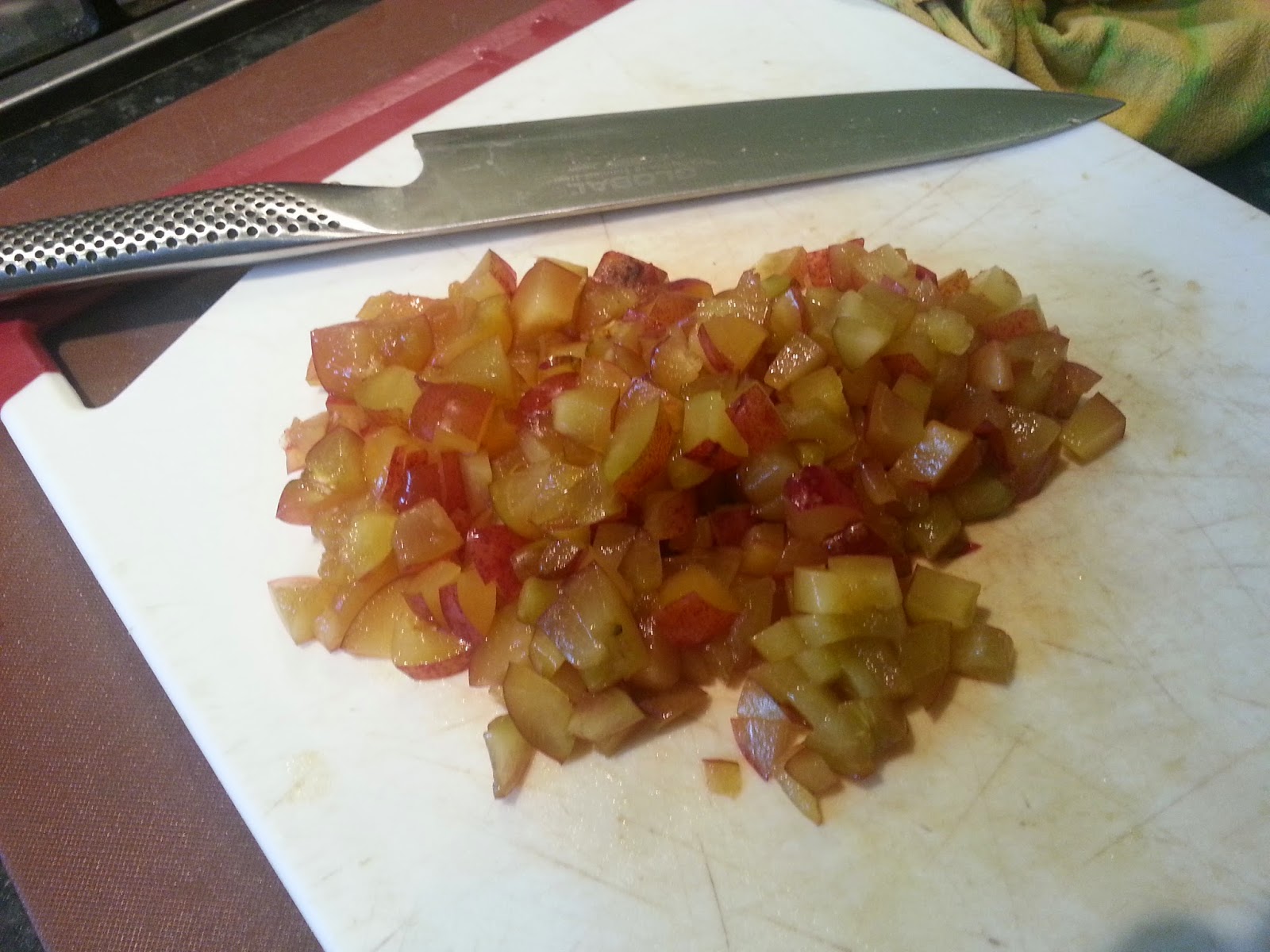
Next stone and chop enough plums to make 8 ounces and knead these into the bread. This was quite simply an impossible task, the dough was so stiff that the plums just squashed and made a pulpy mess. This required the food mixer.

“Mix in the plums, this makes the dough sticky”, says Jane. Well the Kitchen Aid made it into a big old sloppy mess, and I was not feeling hopeful.

Pour this mixture into a buttered and lined 9 inch loaf tin and leave it prove until the dough comes to the top of the tin. Bake for an hour at 190⁰C, remove and see if it sounds hollow, if not, pop it back in for another 15 minutes.

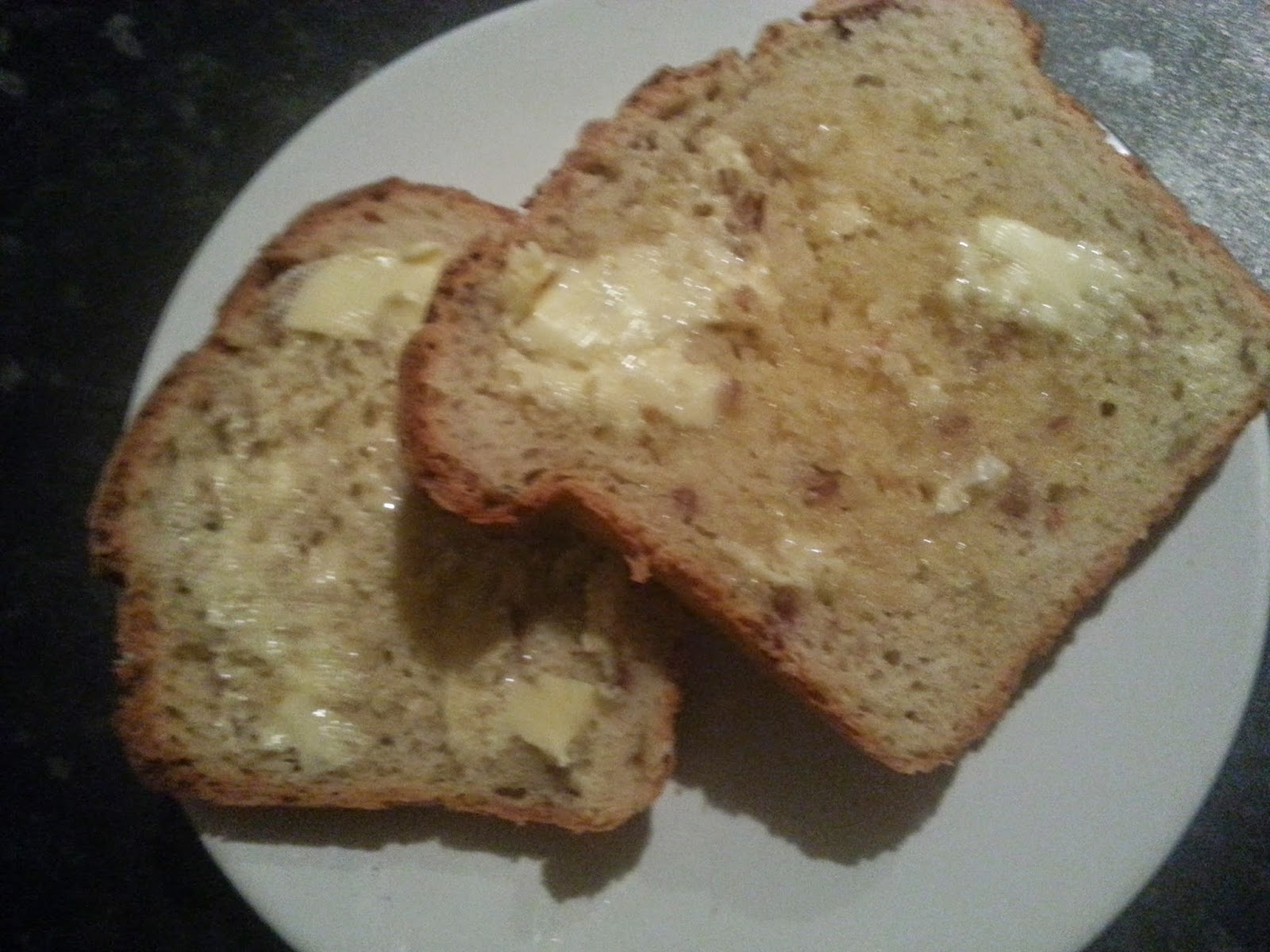
#401 Plum Bread. Of all the hundreds of bread recipes in England, why did Jane pick this one? It was so difficult to make and really was not worth the effort. Although the plums were delicious and sweet, the final bread had a strange sour taste. Its texture was very close and cakey. I am wondering if there was a typo or something somewhere in the recipe (I have spotted quite a few in other recipes). Disappointing and took up far too much of my time. 3/10.


#400 Crown Roast of Lamb

Well, well, well. Here we are at #400! Who would have thought I’d get this far?

I’ve chosen this classic piece of meat sculpture for this milestone as it is such a special thing, and hardly seen these days. Plus, doing it Jane’s way means you don’t simply pop to the butcher’s shop and ask for the roast assembled and oven-ready. No, Jane’s way means constructing it yourself; something I really could not have done at the beginning of this project. This saves you a lot of money, and earns you plenty of kudos with your friends.

I did a quick look through some old books and it is odd that this classic and ancient and slightly macabre dish does not seem to appear before the 20th Century. I must be wrong here – can anyone shed any light on it?

To make your own rack of lamb, you will need three things: your lamb, stuffing and a trussing needle & thread.

First, the stuffing: go for any of the stuffing recipes in the Stuffings section of thelast chapter, or go with the stuffing recipe from #175 Shoulder of Lamb with Rice and Apricot Stuffing. I chose the latter.

Ok, now the tricky bit. Go to your butcher and ask for a whole best end of neck; it is from this that you will get your two, perfectly symmetrical, racks. You should get 7-8 cutlets from each rack. Here’s what you ask the butcher to do (in Jane’s own words):

  1. to divide in two down backbone so you have two symmetrical pieces,
  2. to chine it [this means to remove the backbone],
  3. to make small cuts between the cutlet bones [this is quite simple to do yourself].

The butcher will desperately try to chop off the long bones and you must insist he does not! At home, you can get the racks prepped by French trimming the thin ends; scraping away the fat from the ribs, just like#305 Guard of Honour. It’s quite laborious at first, but you’ll soon get the knack.

Sit the two racks back-to-back with the fatty sides touching. Take your trussing needle and sew the ends together with two stiches, making sure the thread is tied good and tight.

Stand it up and shape it into a crown using your fist – this is where those little cuts the butcher made are important.  Cover the ends with foil and sit the whole thing on a rack in a foil-lined roasting pan. Season the meat (especially the fat) and fill the centre with your chosen stuffing.

Roast for 75 minutes  at 190⁰C. Remove from the oven, cover with foil and let the meat rest for 20 minutes or so. If you want to be posh remove the foil from the ribs and replace with paper ruffles.

But what to serve with roast lamb? Don’t fear, Grigson has it all covered for us in this post.

#400 Crown Roast of Lamb. What a spectacle this was! I loved the way it looked; not all nice and neat with each rib the same length, but instead the bones were their natural varied lengths, making it look even  more like a real crown. The stuffing was, of course, great and the meat itself wonderfully tender and medium rare. A surprising thing bearing in mind it had been a roasting for what seemed like a long time. The only minor thing is that the stuffing began to char, so I would recommend covering it with some foil for the first half of the roasting. Nevertheless, still marvellous. 10/10.