A New Venture
I do apologise so very much for being tardy with Neil Cooks Grigson, I have been crazily busy since my move from St Louis, Missouri (US of A) back to Levenshulme, Manchester (UK of A).
However I have not been lazy and I have exciting news; I have started up a food business! It is in its very early stages, but I have had more success already than I hoped. The business is called The Buttery (I couldn’t waste a surname like mine!) and it sells traditional British foods; some classics and some long-forgotten. I have built up such a list of amazing recipes over the years with my two blogs, I thought I should share the wealth and give the business a whirl. So over the last few months I have been designing logos, coming up with menus and working out how the hell I’m going to do this! Needless to say it has taken over my life.
Aside from selling some good proper food, I want the business to be community-based in two different ways: firstly I want to support local businesses and promote the excellent produce that is practically on our own door-step; secondly, I want to offer cookery lessons to the surrounding community, not fancy cooking but basic skills like bread and stock making. If I can get a community grant from the government I’ll be able to do the lessons for free too.
The food that I am making fit into four broad categories and many of them appear either on this blog or British Food: A History: Savouries, Desserts, Teatime and Preserves & Pickles.
I would love it if you had a look at the website to tell me what you think (www.buttery.org.uk). If you have any special requests or anything blindingly obvious I have missed out, do let me know!
Now that I have had my first market – and it was nerve-wracking on the day – I promise to add posts much more often. Also, I’ll keep you posted with any further developments.
Chao for now!
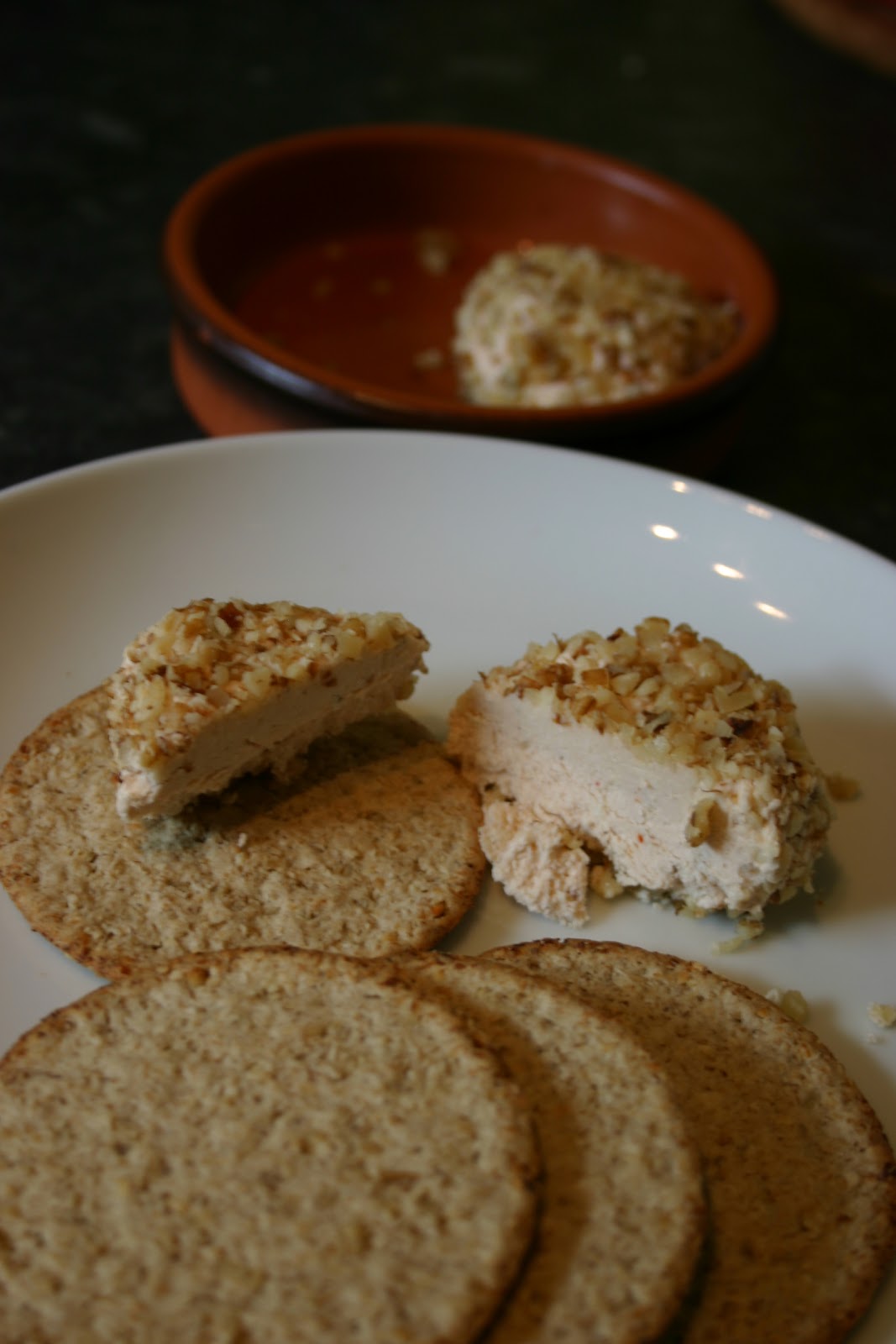
#351 Potted Cheese
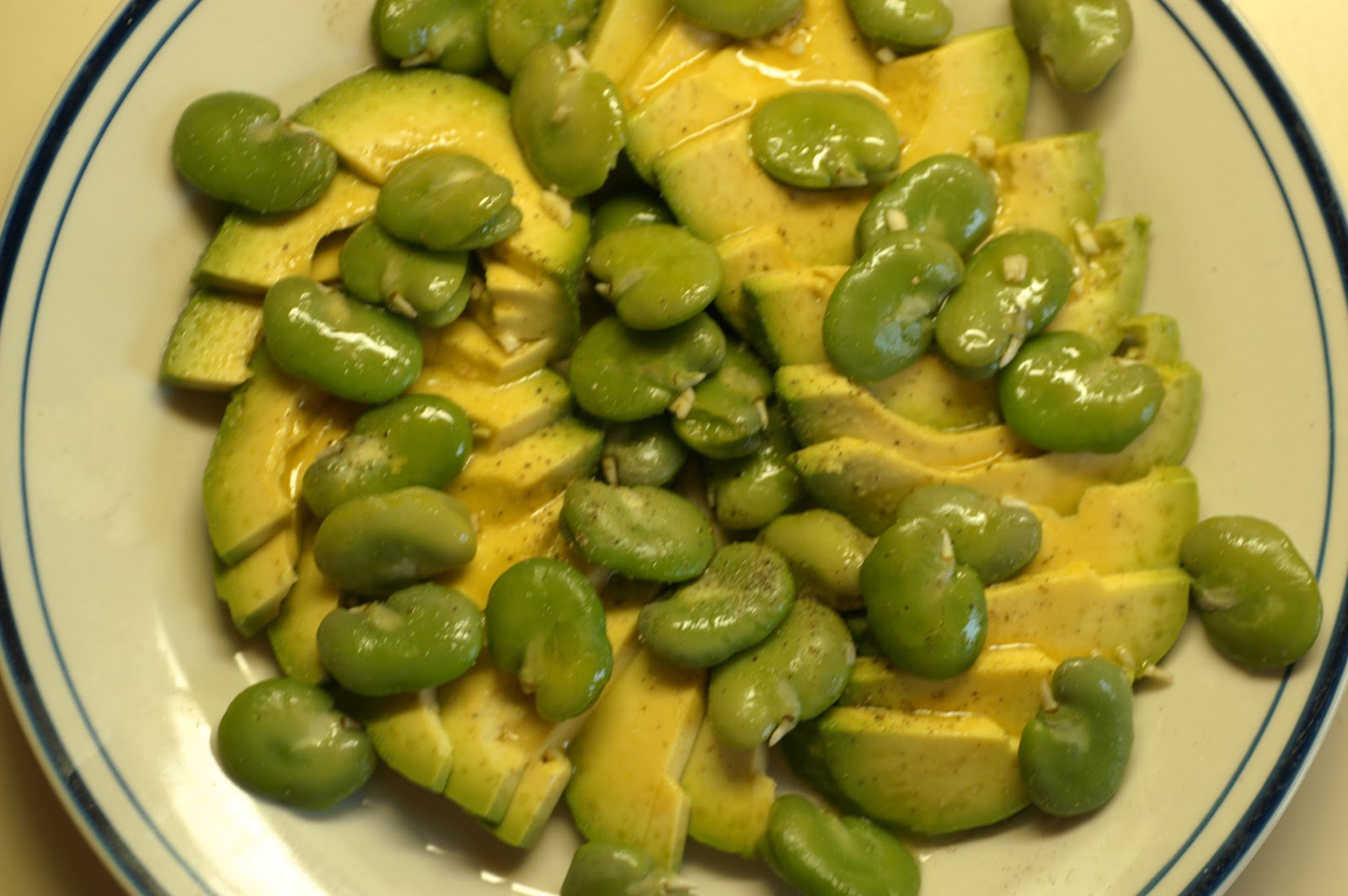
#350 Harold Wilshaw’s Broad Bean and Avocado Salad
This recipe – the 350th – is the last I shall cook in America because tomorrow morning I fly back to England. It has been a great place to carry on the blog; there were many foods that were tricky to get hold of in Britain that were easy to find in the USA. The Americans’ love of freshwater fish and shellfish (particularly oysters) really helped me out in the Fish chapter and I managed to find lots of offal like pig’s heads, lamb’s heads, tongues and sweetbreads. The other great thing was that all my friends were so game to try the often strange things I served up to them, and I thank them very much for that.
This recipe would not seem strange to an American – a salad made from avocados and broad (fava) beans, but this would have been an extremely exotic dish in England during the 1970s where the avocado was very much the new kid on the block in the greengrocer’s shop. Of course, for that very reason, it makes this recipe a contemporary one – at least when the book was first published – perhaps Jane was doing her bit to introduce a new taste to the 1970’s English palette. It never became a classic recipe, but full marks to Griggers for effort.
I wanted to do this recipe before leaving St Louis because avocados are so delicious here and so flavourless in England. It’s a very simple one that marries together broad beans and avocados; two vegetables that I would never have thought about putting together. If only Hannibal Lector had known, he might not have been done for cannibalism:
Num um um-um-um”
This recipe comes from the ex-Guardian food writer Harold Wilshaw, whose name I always read as Harold Wilson when I flicked through the pages of the Vegetables chapter. He apparently he ‘thought up this particular salad when unexpected guests arrived and there wasn’t much in the house.’ How bourgeois of him to have an avocado just lying around in his house.
To make the salad start by podding some broad beans and boiling them for around 5 minutes. Drain and then begin the task of removing the thick seed coat. It’s not has fiddly as you might think; if you make a nick in one end of the bean, you can quite easily squeeze out the bright green bean from within.
Slice an avocado and arrange it on a plate along with the beans and drizzle over a simple vinaigrette made from either cream and lemon juice, or olive oil and vinegar. Season well and scatter over some extras if you like: chopped parsley, chives, spring onion or coriander leaves are suggestions as well as air-dried Cumbrian ham or Parma ham.
#350 Harold Wilshaw’s Broad Bean and Avocado Salad. Well I have to that this was an absolutely delicious and simple salad. Both vegetables are sweet in flavour, but have very different textures. I just hope I can get hold of avocados good enough to make it! 8.5/10
100 recipes to go!
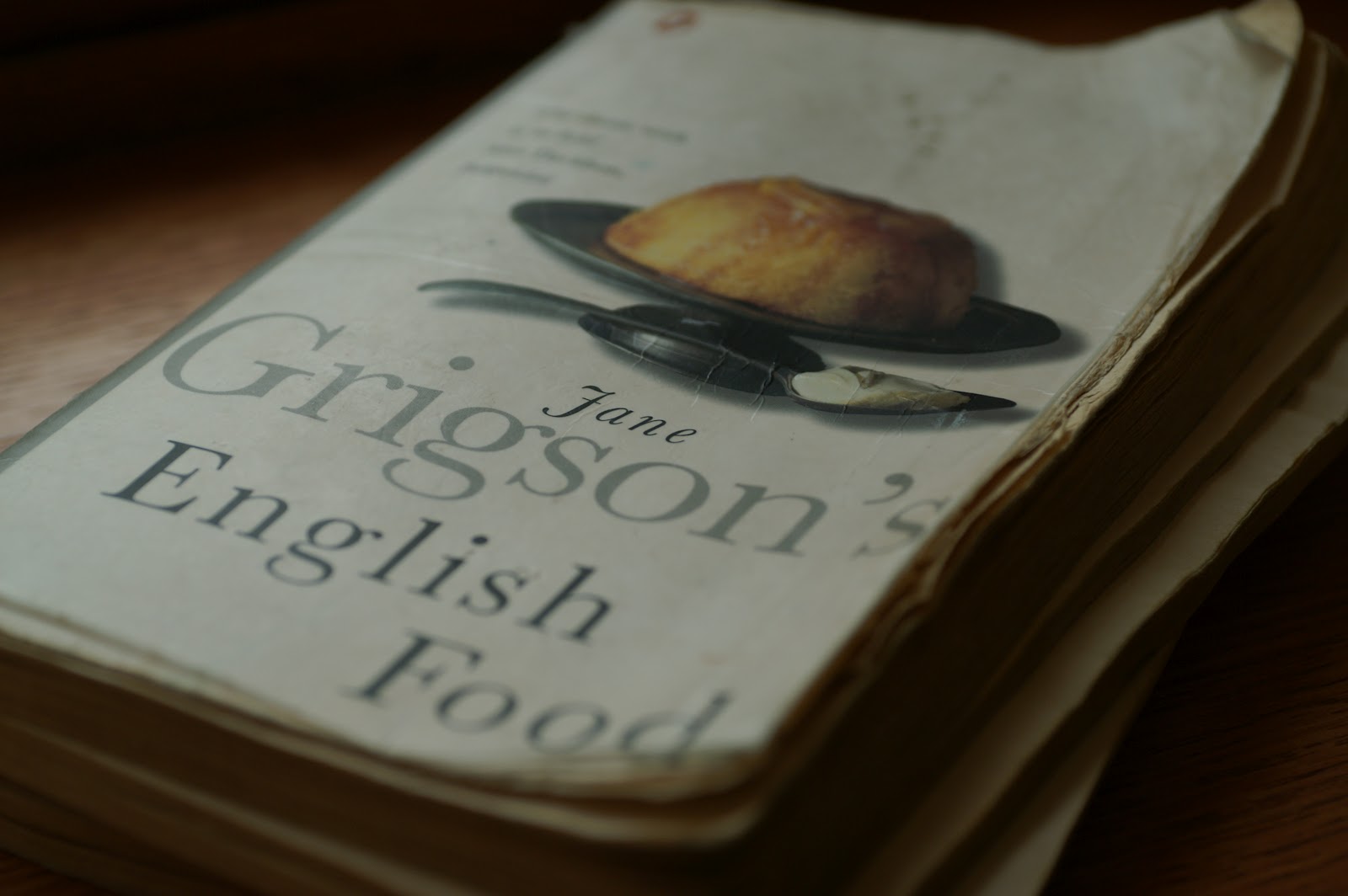
Who would have thought that I would still be working my way through English Food? Not my fickle self, that’s for sure. My copy is looking very dog-eared now; most of the pages have come loose, the cover is tatty and there’s food all over it. I do hope I don’t have to buy another copy before I finish the whole book (if I ever can finish it).
I might be in the final 100 recipes, but there is still quite a way to go really – if I average out at five recipes a month that’s still 20 months of blogging yet to do. I hope you all keep reading the blog and adding your excellent comments to the post.
Laters!
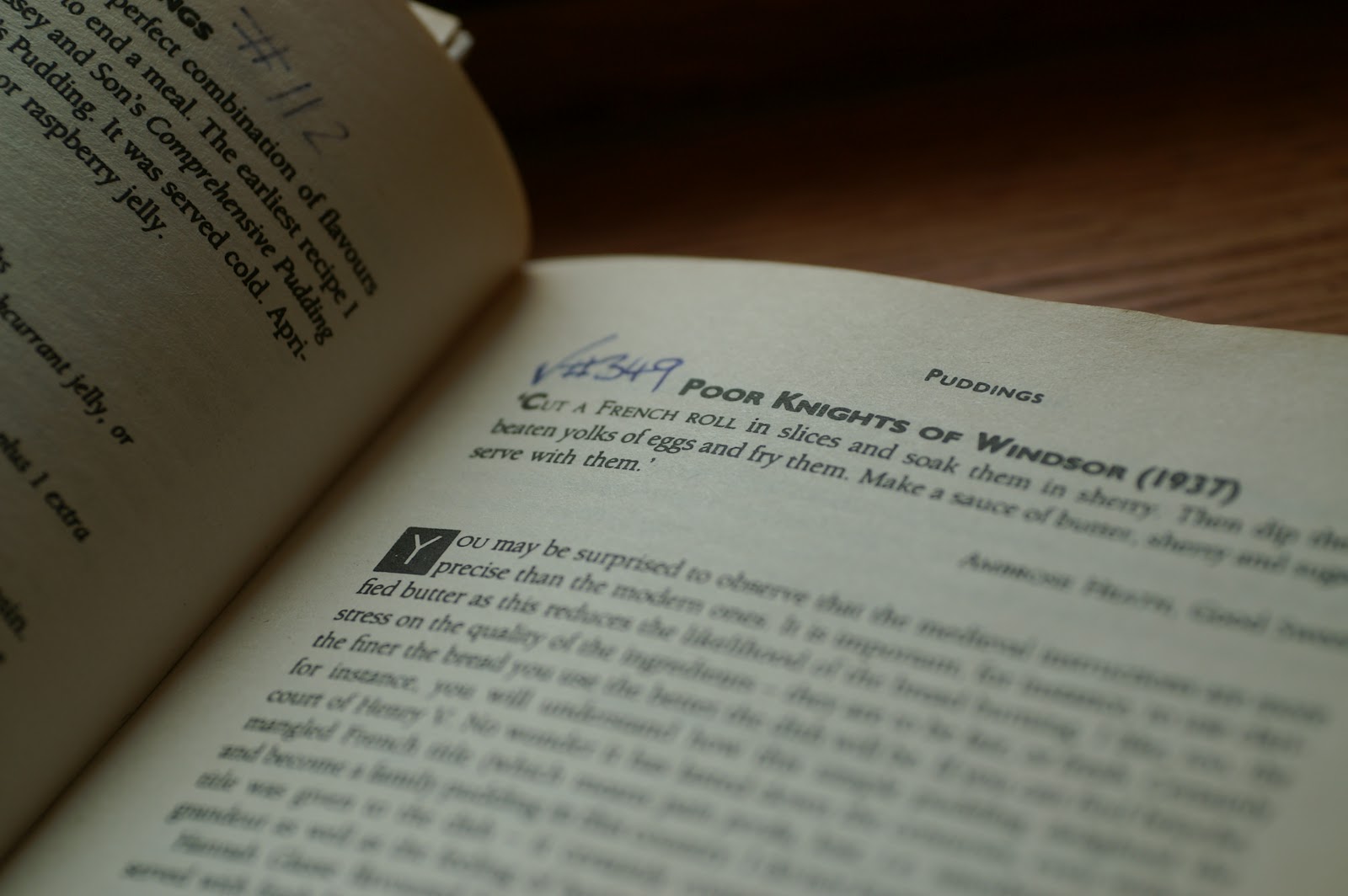
#349 Poor Knights of Windsor (1937)
The Poor Knights of Windsor was a charity set up centuries ago by Edward III soon after he created the Order of the Garter in the mid-14th century to give alms to old and retired soldiers that had lived to protect the country. Quite ahead of his time, I think. How this dessert came to be called Poor Knights of Windsor I do not know. The earliest mention of this dessert I can find crops up in Elizabeth Cleland’s 1755 book A new and easy method of cookery.
Almost 2 years ago I made the 1420 version of this dessert, also called pain perdu. This medieval recipe gave reasonably precise instructions to make it (see here for that post). Perhaps surprisingly, this more recent recipe from Ambrose Heath’s 1937 book Good Sweets, is rather scant on instruction:
Cut a French roll in slices and soak them in sherry. Then dip them in beaten yolks of eggs and fry them. Make a sauce of butter, sherry and sugar to serve with them.
Brevity is obviously his middle name. Here’s what I did…
First I took some of Jane’s advice and that was to use not just any old French roll, but a nice, rich brioche (like it wouldn’t be rich enough without!?). Although brioche wasn’t around much in the 1970s it is widely available these days.
I beat a couple of egg yolks with a little water just to make them easier to work with. I took a slice of brioche and sprinkled it liberally with dry sherry, then dipped it in the egg yolks and fried them on a moderate heat in a frying pan with butter. I kept the poor knights warm in a low oven whilst I got on with making the sherry sauce.
I melted 2 ounces of butter slowly in a small saucepan, then I turned up the heat and stirred in a tablespoon of sugar. When it had dissolved and was bubbling away, I added 2 tablespoons of dry sherry and that was it! Very simple indeed.
I served up the poor knights with a little of the buttery sauce drizzled over them.
#349 Poor Knights of Windsor (1937). It’s not very often that I make a recipe from the book just for myself, but this one I did. I thought it would be awful – I don’t usually like alcohol in desserts, but I was so, so wrong! It wasn’t as rich or as heady as I expected, the secret was to make the sauce very sweet and to liberally sprinkle the brioche with the sherry, rather than soak it. Very good 7/10.
#348 Veal Rolls
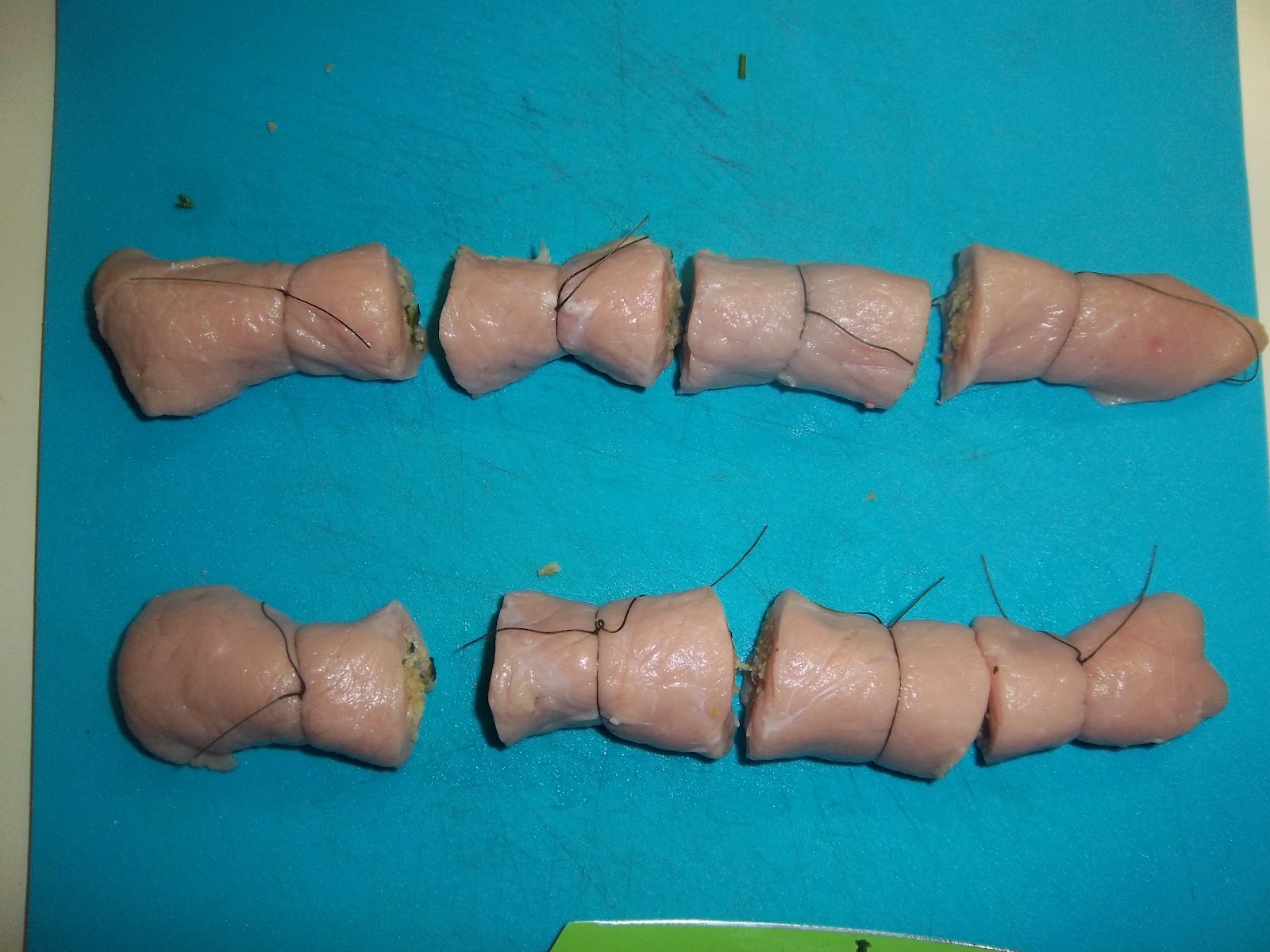
Here’s a quickie from the Beef & Veal section of the Meat chapter and I shall Jane Grigson herself tell us what to do for this one:
Tie it with thread in three or four places, then cut into three or four pieces.
Brush each piece with beaten egg, dip it into flour and string it on a skewer, one skewer for each person. Grill for 20-30 minutes, preferably on a spit, basting them from time to time with melted butter. Serve them with fried mushrooms and lemon quarters.
#347 Sawce Noyre for Roast Capon
This recipe for black sauce was popular all over Europe in the Middle Ages with many variations and alternative names like sauce infernal. They all use fried and ground livers as a base. In England it was served up with roast meat; capon in this case was used as were various game birds. Other countries used other additional flurries such as Parma ham, dried ceps, onions or garlic and spread it on toast or bread.
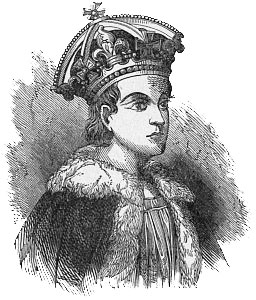
The recipe comes from a manuscript with the rather clinical name Ashmole MS. 1430, dating unsurprisingly from 1430. To put the year in context, Henry VI of the House of Lancaster is on the Throne; the political bubblings are beginning that led eventually to the War of the Roses around 20 years later. The original hand-scribed pages are kept in the British Museum, but the manuscript did appear in print along with some other 15th century cook books in the late 19th century.
Jane doesn’t give the original recipe that she bases hers on, but I did find it online. It is written in Middle English and takes a little deciphering:
Black sauce for capouns y-rostyde.—Take þe Lyuer of̘ capouns, and roste hit wel; take anyse, and grynde parysgingere, and canel, and a litil cruste of̘ brede, and grynde hit̘ weƚƚ aƚƚ to-gedre; tempre hit up wiþ verious, and þe grece of the capon, þanne boile it̘ and serue forþe.
I translate it as:
Take the livers of capons, and roast them well; take aniseed, ground ginger, and cinnamon, and a little crust of bread, and grind it well all together; temper it up with verjuice and the fat of the capon, then boil and serve forth.
Going back even further in time to the very first known practical cook book – Forme of Cury – written around 1390 contains a recipe for mallard in black sauce.
I made it to go with roast chicken rather than roast capon and it is best made whilst it is resting so you can skim off the fat from the roasting tin and use it to fry the livers.
Pass a beady eye over a pound of chicken livers, making sure that there are no big gristly bits or little green bile ducts left on them. Heat some chicken fat in a frying pan and add the chicken livers. Make sure that the heat is really high so that the livers brown nicely whilst keeping the insides moist and pink. This should take about 4 minutes in all – though it might be worth poking one of the biggest livers with a slenderly-pointed knife to check that the liver is not still raw. Medium rare is good, but anything less than that could be risky, there are several cases every year of Campylobacter brought about by eating undercooked chicken livers.
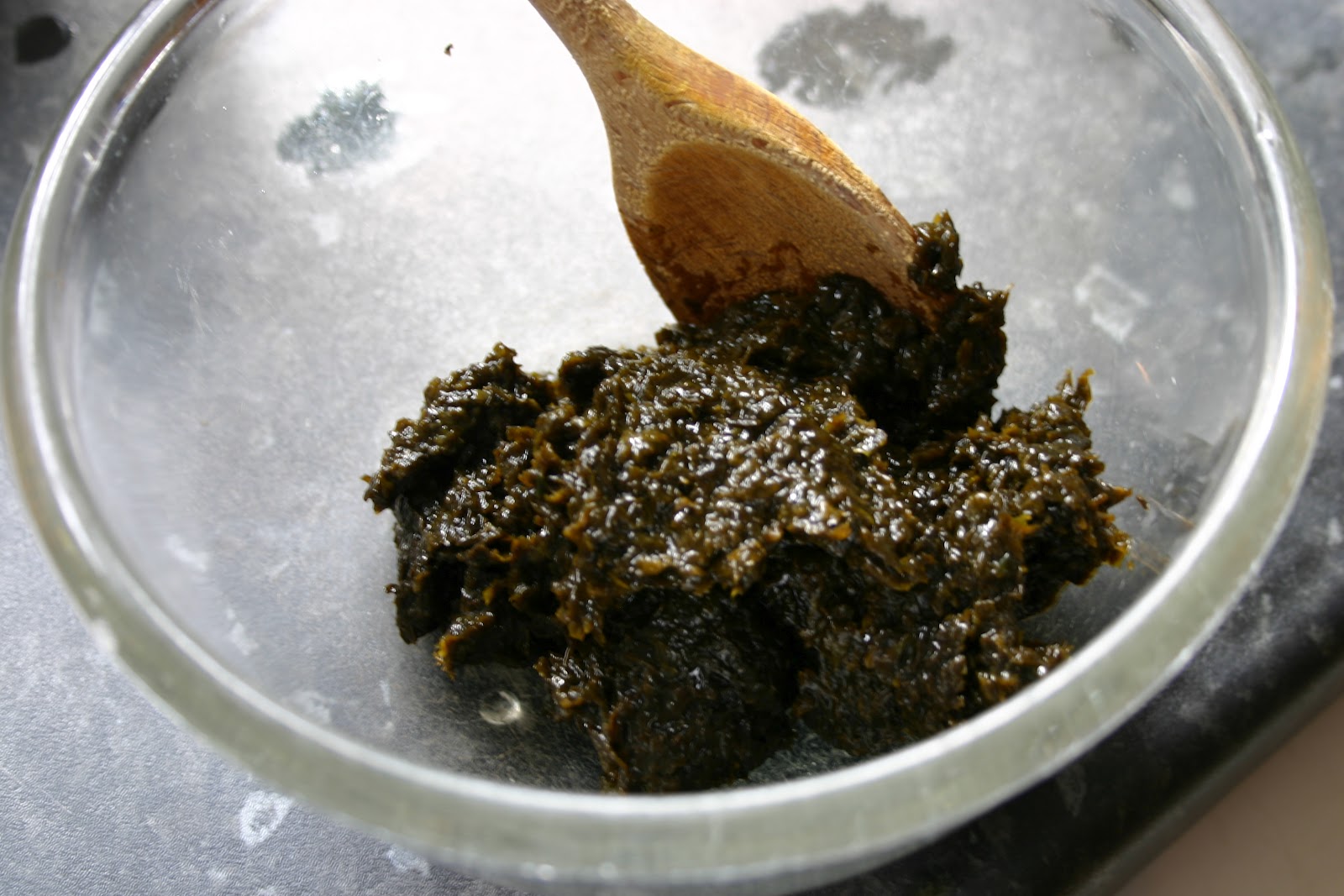
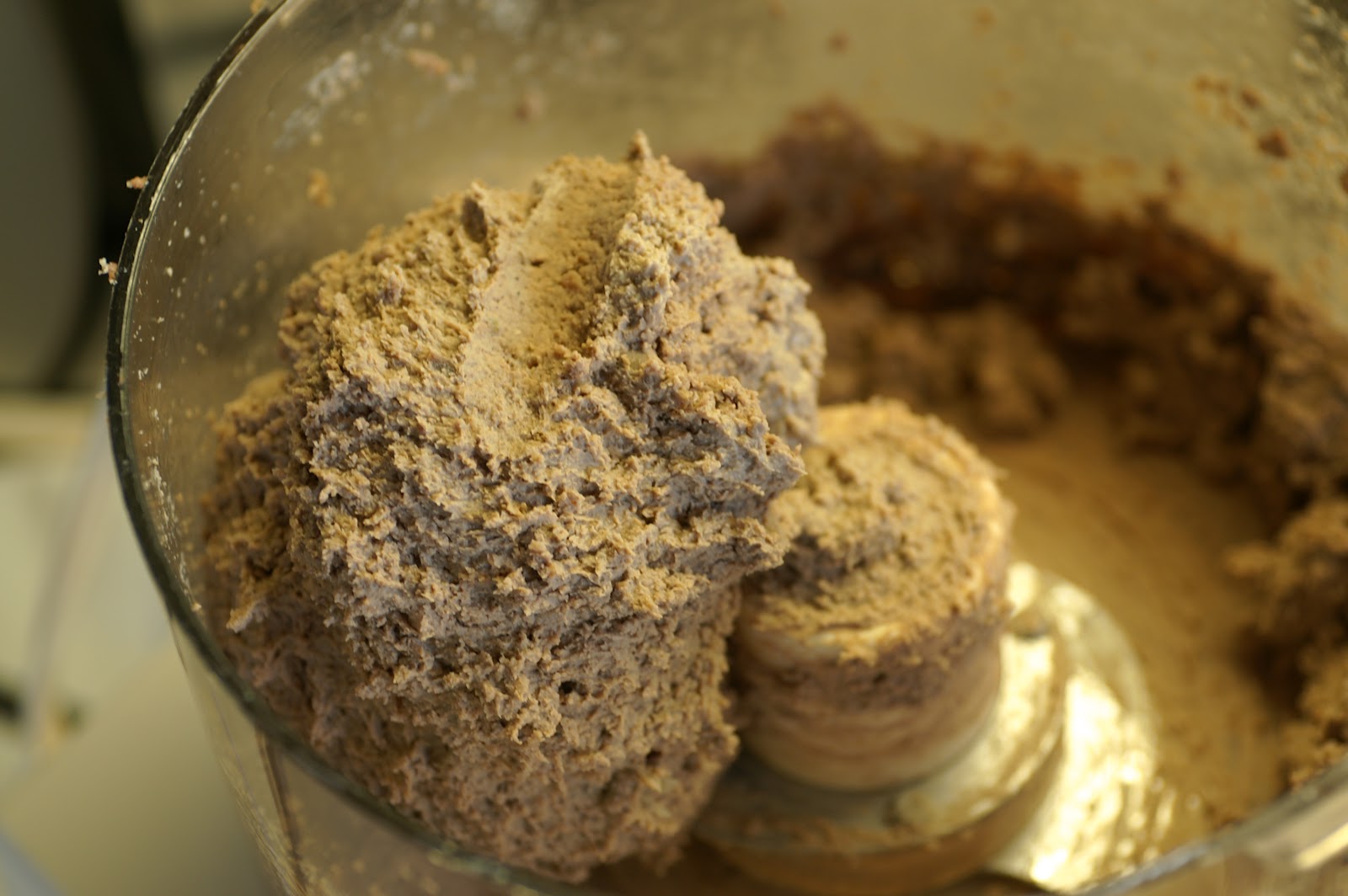
While the livers are frying, demolish a slice of bread, crusts removed, in a food processor; or if you want to keep it old school you can grate it. Tip in the livers and whizz again – old-schoolers can pass them through a sieve or mincer. Season with the spices: I went with a quarter teaspoon each of ground aniseed (you could also use star anise), ginger and cinnamon. Don’t forget the salt and pepper. Give it a final spin in the food processor. The sauce will be very thick indeed – it should be a spreadable consistency and not in the least pourable. It looked like a big scoop of liver ice cream – except that it was hot! Strange.
Reheat the sauce and add some cider vinegar or lemon juice to taste (or verjuice like in the original recipe – you can buy it online). If it is really thick, let it down with a little water.
#347 Sawce Noyre for Roast Capon. This was a strange one indeed – it was made up of pure liver and was therefore very rich, though when eaten with a big piece of relatively bland chicken it did balance out better. The best way to eat it, it turned out, was to spread it on some bread as those in mainland Europe did. I liked the spice combination a lot, especially the aniseed; I may use it in chicken liver pâté. Aside from that though, I think this one’s left in the history books! 4/10.
#346 Pice ar y Maen (Welsh Cakes on the Stone)
#345 English Apricot Pie
I have been eyeing this recipe for a good while, but fresh apricots are so pricey I have always put it off. However, Soulard Farmers’ market came to save me from my apricot fast by selling them for just over a dollar a pound! They were delicious too.
The reason apricots are so expensive is manifold: they flower very early and suffer poorly from bad weather – they will die even if there’s a light frost or a high wind; they don’t take to grafting well; they are very particular about the soil they grow in, to the point where the amount of fertiliser dug into the soil needs to be calculated; they also do not travel well. They are delicate things and much prefer Eastern climbes as they originated in China, coming to Europe via India and the Middle East. It is for all these reasons that you usually find apricots dried rather than fresh.
As an aside, the reason the apricot doesn’t take to grafting is because they were mis-classified as a member of the plum family, Prunus, and were grafted onto other Prunus species, cherry is usually the grafters’ favourite. It is actually part of the rose family. Everyday’s a school day.
So what are the benefits of eating this temperamental and pricey fruit, other than that they are quite delicious? Well there is quite a long list of benefits to eating apricots. The 18th century French writer Bernard le Bovier Fontenelle, who was a member of the Royal Society, lived to 100 years old and the secret to his longevity was apricots, a tip he got from his grandma. ‘A royal fruit, she called it, saying that the scatterbrained folk of our days ought to make more use of it.’ Quite.
As it happens, apricots are high in phosphorus and magnesium and can significantly increase mental ability. They are super-rich in beta-carotene (which gives the fruit its yellow colour); 4 ounces of apricots will give you 50% of your daily allowance. They are also good for the blood – they can even alleviate anaemia better than liver! They are also a significant source of fluoride. Amazing.
This pie was invented by the great chef Carême. He is very particular about the type of pie dish you should use; it must be very shallow, not much deeper than a plate.
Halve 1 ½ pounds of fresh apricots and take out the stones. Next, melt 2 ounces of unsalted butter in a frying pan and stir in 8 ounces of caster sugar; this might seem alot but they really do need it. Over a moderate heat stir the sugar into the butter. After a few minutes it should start to melt. Add the apricots and coat in the butter-sugar mixture. Stir for a minute or two – you don’t want to cook the fruit, just get the apricot halves well covered.
Use a fork to seal the pastry lid then make a central hole so that any steam generated during cooking can escape. Brush with more egg and sprinkle some more caster sugar. Start the pie off in a hot oven – 230°C (450°F) – for 15 to 20 minutes so that the pastry can turn golden brown, then continue cooking at a lower heat of 160-180°C (325-375°F) for 15 minutes. ‘Serve hot or warm with plenty of cream.’
#345 English Apricot Pie. What a delicious fruit pie! It occurred to me whilst I was eating it that I have never eaten apricots this way. Well it certainly won’t be the last time I do it; the sugar and butter became a deliciously sweet sauce and the cooked apricots softened and turned very tart. That Carême chap knew what he was talking about.