Tag: 8: Stuffings Sauces and Preserves
#347 Sawce Noyre for Roast Capon
This recipe for black sauce was popular all over Europe in the Middle Ages with many variations and alternative names like sauce infernal. They all use fried and ground livers as a base. In England it was served up with roast meat; capon in this case was used as were various game birds. Other countries used other additional flurries such as Parma ham, dried ceps, onions or garlic and spread it on toast or bread.
The recipe comes from a manuscript with the rather clinical name Ashmole MS. 1430, dating unsurprisingly from 1430. To put the year in context, Henry VI of the House of Lancaster is on the Throne; the political bubblings are beginning that led eventually to the War of the Roses around 20 years later. The original hand-scribed pages are kept in the British Museum, but the manuscript did appear in print along with some other 15th century cook books in the late 19th century.
Jane doesn’t give the original recipe that she bases hers on, but I did find it online. It is written in Middle English and takes a little deciphering:
Black sauce for capouns y-rostyde.—Take þe Lyuer of̘ capouns, and roste hit wel; take anyse, and grynde parysgingere, and canel, and a litil cruste of̘ brede, and grynde hit̘ weƚƚ aƚƚ to-gedre; tempre hit up wiþ verious, and þe grece of the capon, þanne boile it̘ and serue forþe.
I translate it as:
Take the livers of capons, and roast them well; take aniseed, ground ginger, and cinnamon, and a little crust of bread, and grind it well all together; temper it up with verjuice and the fat of the capon, then boil and serve forth.
Going back even further in time to the very first known practical cook book – Forme of Cury – written around 1390 contains a recipe for mallard in black sauce.
I made it to go with roast chicken rather than roast capon and it is best made whilst it is resting so you can skim off the fat from the roasting tin and use it to fry the livers.
Pass a beady eye over a pound of chicken livers, making sure that there are no big gristly bits or little green bile ducts left on them. Heat some chicken fat in a frying pan and add the chicken livers. Make sure that the heat is really high so that the livers brown nicely whilst keeping the insides moist and pink. This should take about 4 minutes in all – though it might be worth poking one of the biggest livers with a slenderly-pointed knife to check that the liver is not still raw. Medium rare is good, but anything less than that could be risky, there are several cases every year of Campylobacter brought about by eating undercooked chicken livers.
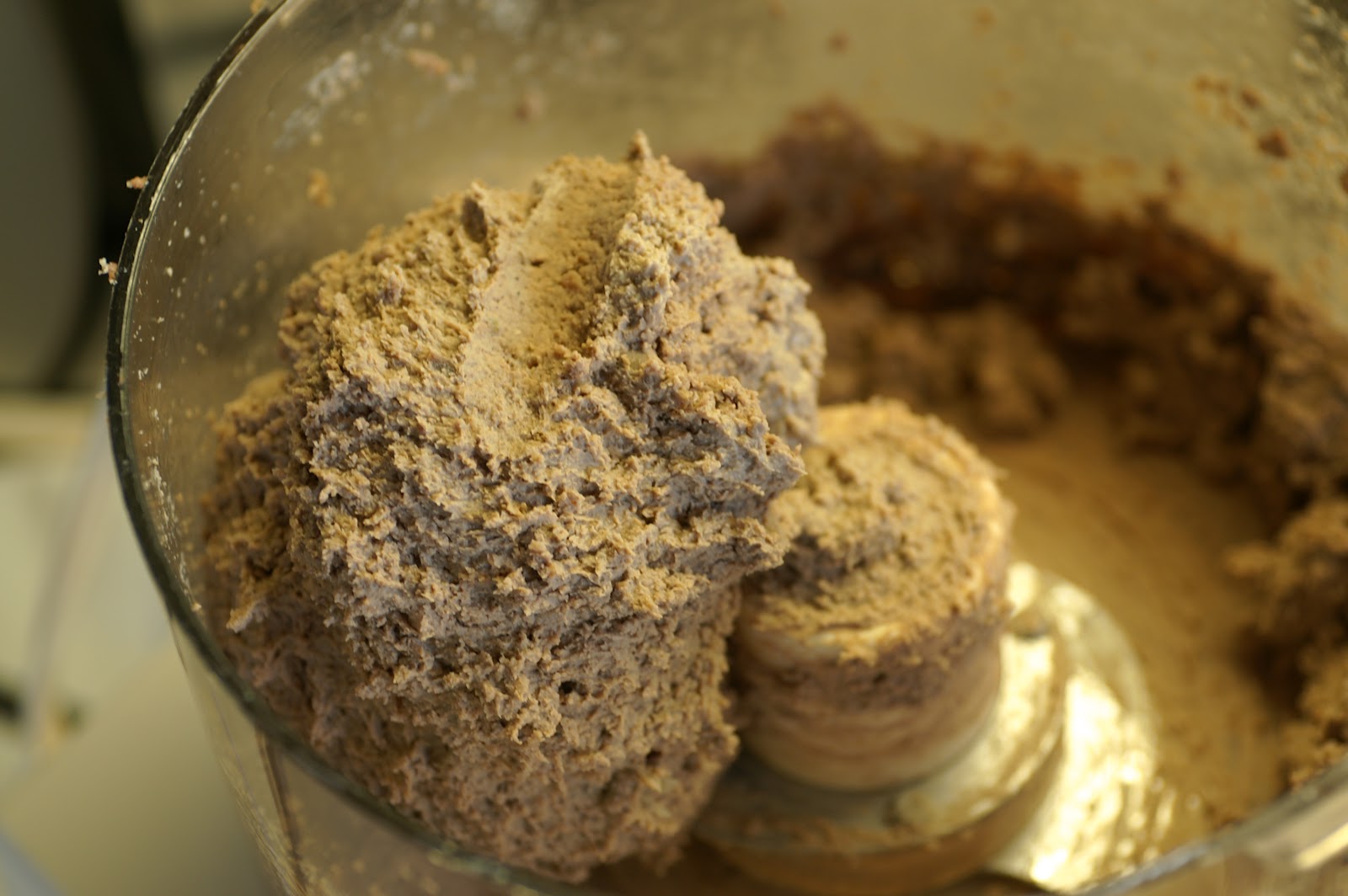
While the livers are frying, demolish a slice of bread, crusts removed, in a food processor; or if you want to keep it old school you can grate it. Tip in the livers and whizz again – old-schoolers can pass them through a sieve or mincer. Season with the spices: I went with a quarter teaspoon each of ground aniseed (you could also use star anise), ginger and cinnamon. Don’t forget the salt and pepper. Give it a final spin in the food processor. The sauce will be very thick indeed – it should be a spreadable consistency and not in the least pourable. It looked like a big scoop of liver ice cream – except that it was hot! Strange.
Reheat the sauce and add some cider vinegar or lemon juice to taste (or verjuice like in the original recipe – you can buy it online). If it is really thick, let it down with a little water.
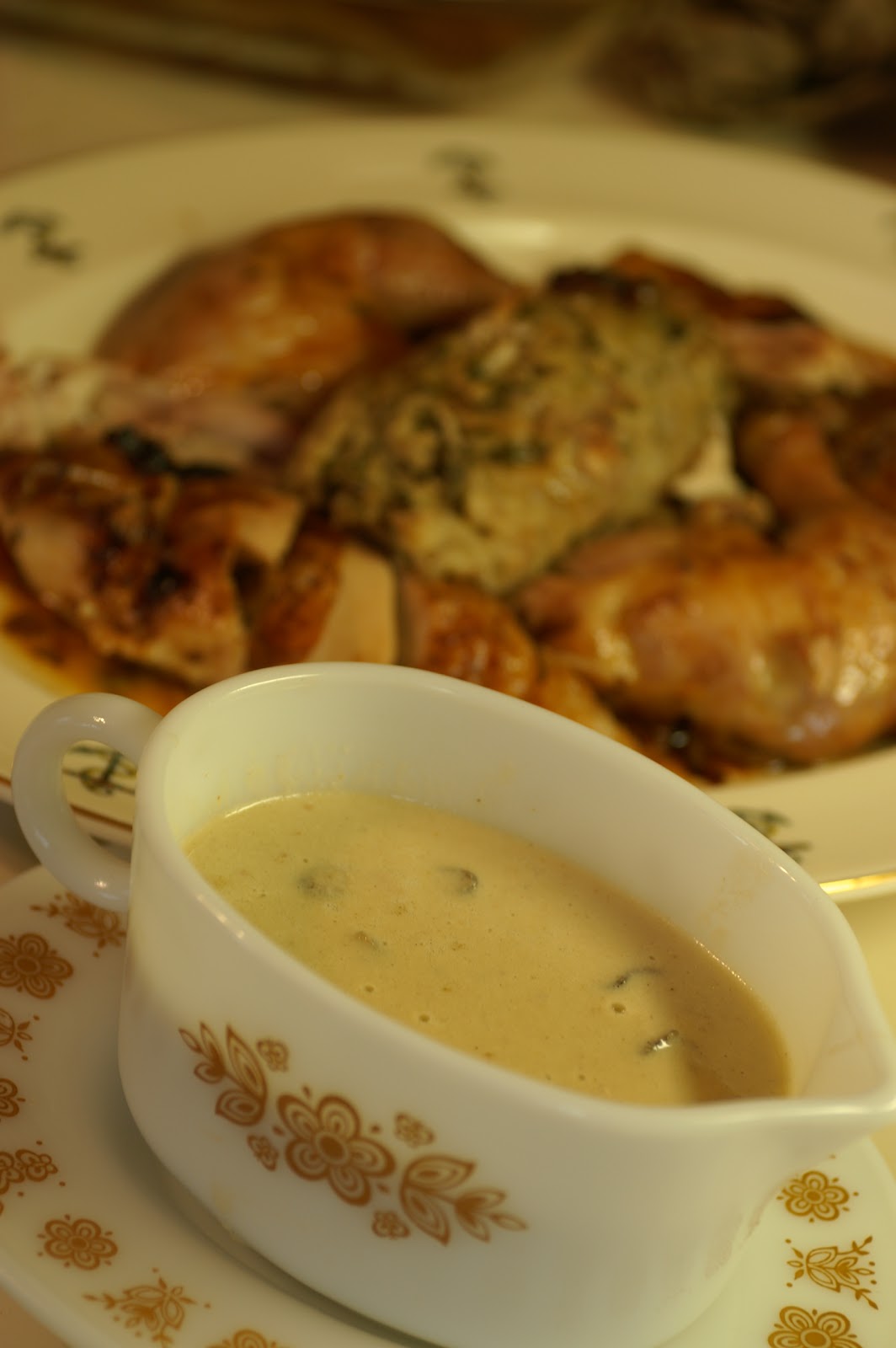
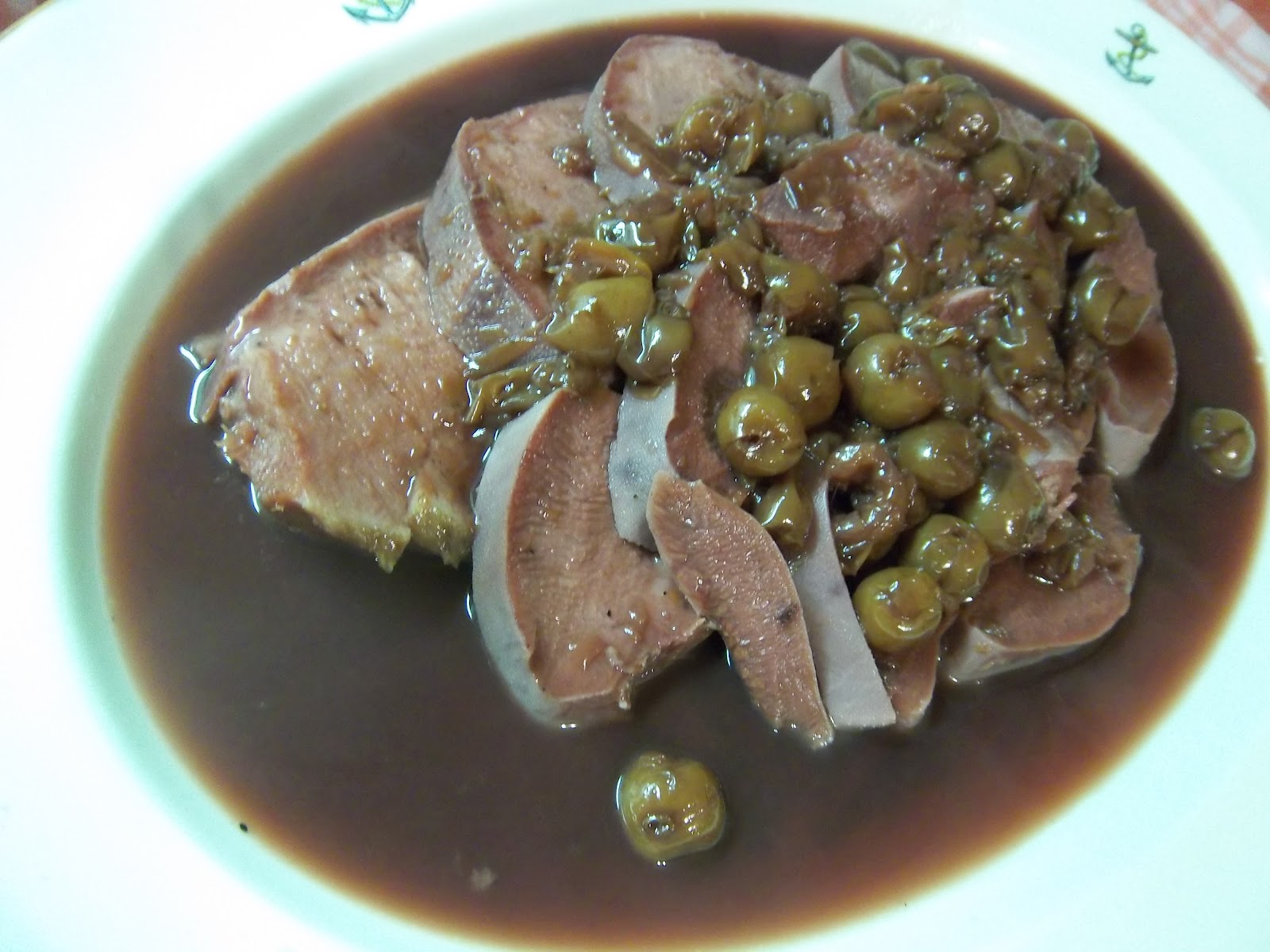
#347 Sawce Noyre for Roast Capon. This was a strange one indeed – it was made up of pure liver and was therefore very rich, though when eaten with a big piece of relatively bland chicken it did balance out better. The best way to eat it, it turned out, was to spread it on some bread as those in mainland Europe did. I liked the spice combination a lot, especially the aniseed; I may use it in chicken liver pâté. Aside from that though, I think this one’s left in the history books! 4/10.
8.1 Stuffings – completed!
Everyone loves some good stuffing – I obviously do because I have come to the end of the Stuffings bit of chapter 8: Stuffings, Sauces and Preserves. It’s not that impressive as there are only 5 recipes and one of those was a sauce. Nevertheless it is the first section that I have finished so I thought I’d give a little reminder and a review. Here are the recipes in the order they appear in the book, with their scores:
The most versatile of the stuffings, at least according to Jane herself, is the Herb Stuffing; she uses it in three other recipes: #305 Guard of Honour, #263 Stuffed Tomatoes and Veal Rolls (not done that one yet!). Certainly that and the Hazelnut Stuffing are used by me every now and again. I have never revisited Parsley and Lemon Stuffing though.
Well I may have finished this bit of the book, but there are still plenty left to go…
#343 Oyster Stuffing and #344 Oyster Sauce
Oysters are rather expensive in the UK and it can be a rather arduous task shucking them, though in the US, they are much cheaper and often come in tubs preshucked in their own liquor ready for cooking. It is for these reasons that I have been trying to finish all the recipes in English Food that include oysters before I return to England in a little over a month’s time. These two are the final oyster recipes. Not only that, by cooking these recipes I have completed the Stuffings section of the Stuffings, Sauces & Preserves chapter. This might sound impressive, but if you clicked on the link, you’ll have seen that there were only five in the section, and one of those was a sauce!
These are two recipes that were made very popular during the Victorian era that put together shellfish and meat. I have grown to love this combination and so I was looking forward to cooking these. Past recipes on this vein are Chicken with Mussels, Beefsteak Stewed with Oysters as well as the classic Steak, Kidney and Oyster Pudding (and pie!).
I’m not going to blog the two individually because they cannot really be made separately. The first is a light stuffing made with classic stuffing ingredients like breadcrumbs and suet. The second is a simple béchamel sauce flavoured with liquor collected from the oysters used for the stuffing.
The quantities in the recipe are for a large turkey and it requires rather a lot of oysters – 4 to 5 dozen! You can halve the number if you are using the big Atlantic ones; it’s the equivalent to 2 tubs of the preshucked ones you see in supermarkets in the US.
If you do have to shuck your own, I have heard of a method that takes the pain out of it, though I have never tested it myself. Apparently, if you put your cleaned oysters in the freezer flat side facing up, they should magically open their shells after 10 minutes or so. The reason for this is that they go to sleep and relax their strong adductor muscle which you usually have to fight against with the shucking knife when you open them manually.
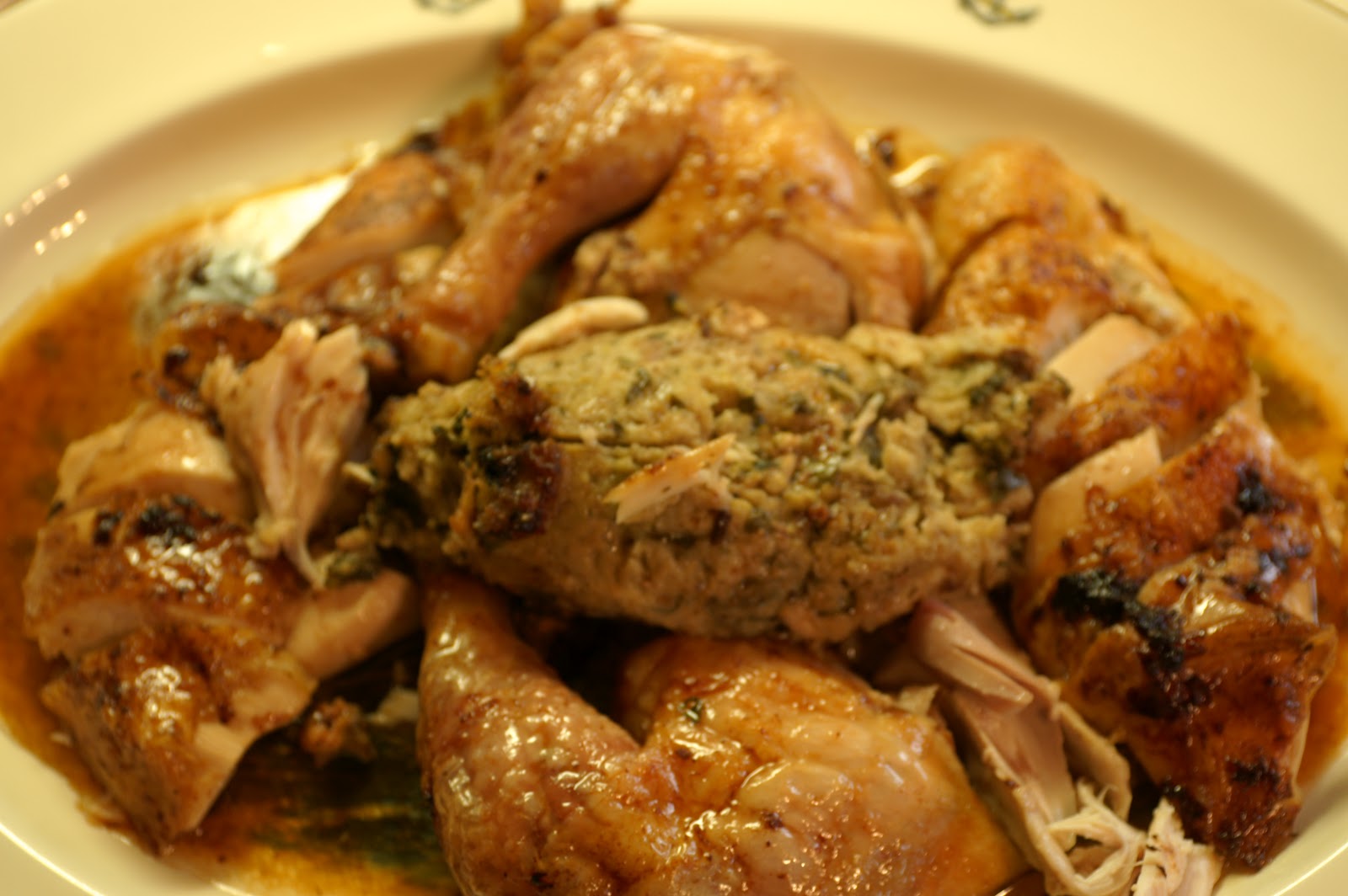
Grigson says you can halve the quantities if using a large chicken, which is what I did. Even then, I found I still had plenty left over so I cooked it separately in an ovenproof dish.
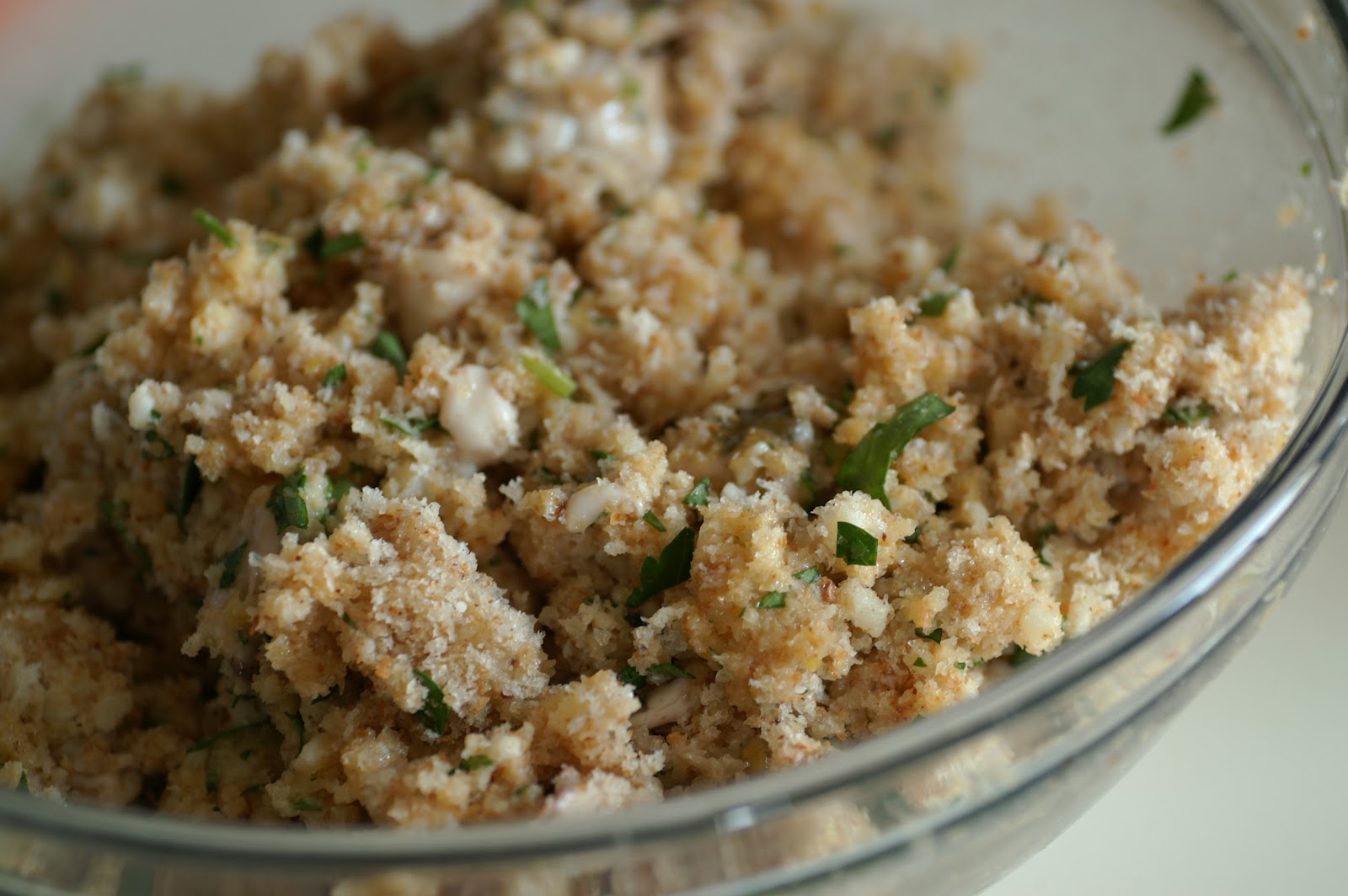
First of all shuck 2 or 3 dozen oysters should you need to; do it over a sieve in a bowl so you can save the liquor for the oyster sauce. Chop the oysters, keeping the pieces large. Mix them into the other stuffing ingredients: 10 ounces of white breadcrumbs made from stale bread, 5 ounces of suet, 2 heaped tablespoons of parsley, the grated rind of a lemon, 2 heaped teaspoons of thyme, ¼ teaspoon of both nutmeg and mace, a good pinch of Cayenne pepper, 2 large beaten eggs, salt and pepper. It is important to mix these together rather loosely; there should be no dry breadcrumbs but at the same time it should not be mixed into to big ball of stodge.
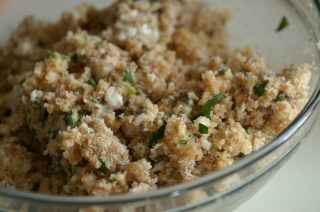
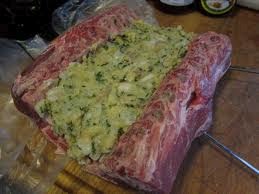
Stuff the cavity of your poultry rather loosely – it will expand as it cooks – and truss the legs with some string. Also stuff it into the neck end too, if the flap of neck skin has been left on your bird, securing it with a couple of short skewers (I have noticed that the neck skin is usually removed in America). Any left over can be baked for thirty minutes in an ovenproof dish.
Roast the bird as normal, taking the total weight including stuffing when calculating the roasting time.
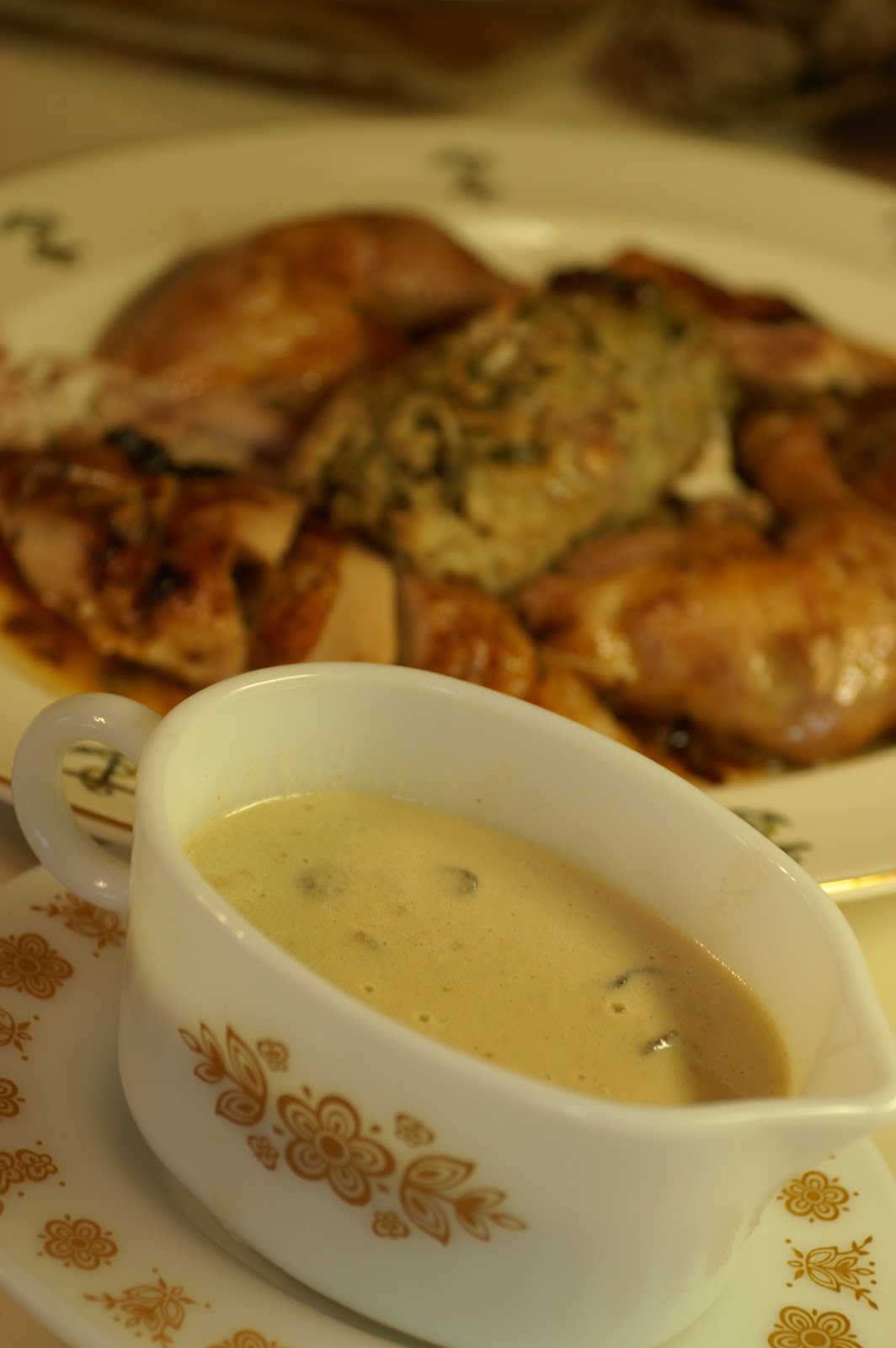
Open 2 dozen oysters, saving the liquor. Make a béchamel sauce by melting 2 ounces of butter in a saucepan then stir in two tablespoons of flour. Mix together with a wooden spoon to make a roux and cook on a medium heat for a couple of minutes. This is a white roux, so don’t let it colour. Add ½ pint of milk in 3 or 4 parts, stirring until the milk is absorbed and the roux smooth before adding more, then stir in ¼ pint of double cream and the reserved oyster liquor from the sauce and stuffing. Simmer for 20 minutes, stirring everyone now and again. This part could be done in advance if you need – make sure you cover the pan with a lid because a thick skin will quickly grow. Chop the oysters into good sized pieces and add them to the sauce. Heat through then season with salt, white pepper, grated nutmeg, Cayenne pepper and lemon juice. The sauce should be the ‘consistency of double cream’, says Griggers.
#343 Oyster Stuffing for Turkey and Other Poultry. This was amazing – the oysters were tender and the stuffing was light, the flavour being lifted by the fresh herbs and the aromatic lemon zest.
#344 Oyster Sauce. This was a beautiful white and well-flavoured sauce mildly spiced with a wonderful iodine tang from all that oyster liquor. Absolutely delicious.
I can’t score these separately as they would never be made separately; that said this one is a no-brainer: 10/10.
#332 Cherry, Plum or Damson Sauce
Morello and amarelle cherry trees (Prunus cerasus)are easy to cultivate, and yet it is getting increasingly difficult to find fresh British ones sold at markets, though you can find them frozen or canned pretty easily. The English cherry orchard is a feature of the country declining greatly, mainly because of the competition from cheap imported ones from the Middle East and places like that. The morello cherry was introduced in Britain by the Romans around 50AD and were very popular in Tudor times. Will the English cherry ever return? Because they are so easy to grow and take up little space I shall grow some upon my return to Britain (once I have a garden of course!).
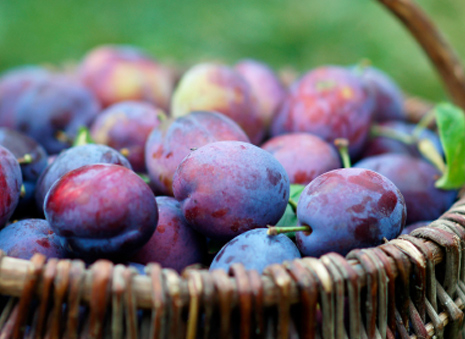
Plums, like the cherry, are of Genus Prunus and there are around 20 species used in several different ways, the species used in Britain is P domestica which is actually a hybrid of two other species. P domestica has been bred into several varieties including my favourite, the greengage.
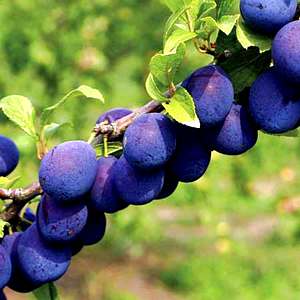
P domesticus also produced the damson, our third fruit for this recipe. Damsons to me are the most English of all three, though I have never tried them before. I shall have to rectify that.
Stone 8 ounces of morello or amarelle cherries, plums or damsons. You can use canned cherries if you want, just make sure they are in water, not syrup. This is what I used. Put the fruit in a saucepan along with ¼ pint each of red wine and port, a tablespoon of sugar, 2 cloves and an inch-long piece of cinnamon. Bring to a boil and simmer for around 10 minutes until the fruit is nice and tender. If you want, you can sieve the damsons or plums if using, but I think it’s better to leave whole. Now add 2 good tablespoons of redcurrant jelly and the juice of 3 oranges and a lemon. Season with black pepper and, off the heat, stir in an ounce of butter. Taste and add more sugar if needed.
#315 Cornel Cherry, Rowanberry, Bilberry or Cranberry Jelly
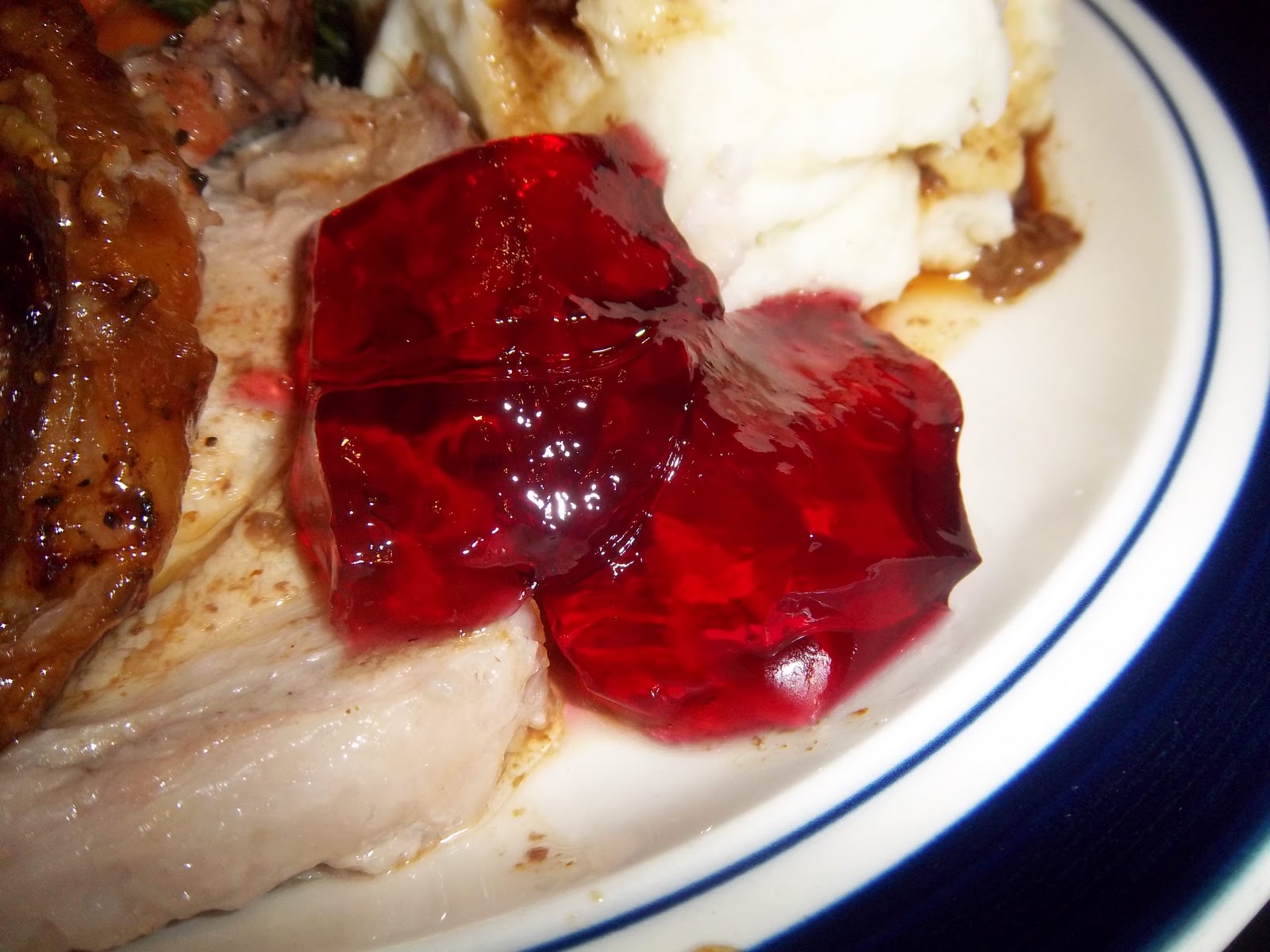
Cornel cherries are not cherries at all but the fruit of a dogwood tree. They are only really used to make jellies in Britain, though other countries use them to flavour spirits. You can buy dried ones in health food shops these days as a super-food, but are unlikely to find them fresh in shops. They are native to Europe so you might just find some growing wild. I am no botanist, but I will keep a look-out for them on my return to Britain. These seem to be Jane Grigson’s favourite out of the four as it’s the only one she actually mentions in her little introduction to the recipe.
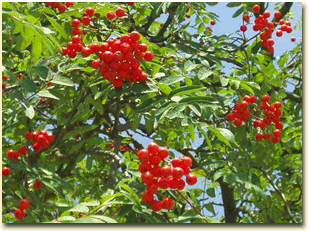
Rowanberries – the fruit of the rowan tree – on the other hand are very familiar. Rowans must be one of the most common trees in Britain; equally likely to be found in forests, parks and gardens alike. I envisioned making this jelly using rowanberries, who’d have thunk I’d end up in America? Rowanberry jelly is traditionally eaten with venison or lamb. It seems crazy with so much of it just growing wild everywhere it isn’t put it to good use. Next Autumn I will make some.
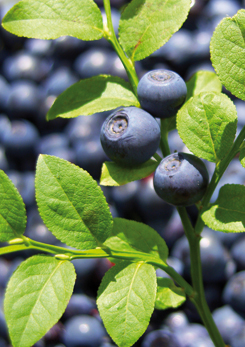
It might surprise you to learn that the cranberry is not a New World fruit (it surprised me!). There are several species of them around the globe. When we think of cranberries we think of the large plump ones from America, but two species are found in the UK and are smaller, paler and more tart that their American cousins; one is found across the whole of the country, and the other is just found in Northern Scotland. If you buy cranberries at a supermarket, however, they will be the American species.#294 Preserved Spiced Oranges (Part II)
#306 Mint Sauce
Ah, mint sauce. I love mint sauce, but have never actually made it myself. Mint sauce is, of course, the sauce to go with roast lamb, especially during the summer months. Though, I remember as a child when I used to go swimming with my Dad on a Sunday to Morley Swimming Baths, I always had a chip butty smothered in mint sauce straight afterwards.
The piquant sauce goes so well with fatty or rich foods. St Hildegarde, a German spiritualist nun of the early Middle Ages, said this of mint: “Like salt, when used sparingly, it tempers foods…[M]int, added to meat, fish or any other food, gives it a better taste and is a good condiment; it warms the stomach and ensures good digestion.”
#294 Preserved Orange Slices (part 1)
These oranges are flavoured with a heady mix of cinnamon, mace and cloves; quite a wintery combination, I suppose. In Victorian times, the orange was the most prized Christmas gift and British children would have waited with baited breath to get their hands on them. This did not apply to Irish children though – a little earlier in history, William of Orange’s extreme anti-Catholic laws were so unpopular that the Irish people made a declaration that no orange tree would ever be planted in Irish soil.
I had been planning on doing these preserved oranges for a while as they are an accompaniment to pork and duck, my two new favourite meats, thanks to recent recipes here in the blog. I’ve only just gotten round to making them because a spice required for the recipe is mace – in the form of blades. Tricky, as supermarkets don’t stock them. However, now I have a car I could pop to The Heights area of Houston and visit Penzey’s spices. What a great shop! Every spice and spice blend you could ever need. Luckily, there is a store in St Louis, so I can keep myself stocked up when I move there. My favourite bit was Granny’s Kitchen which had all the baking spices.
Anyway, enough waffle. Here’s the recipe…
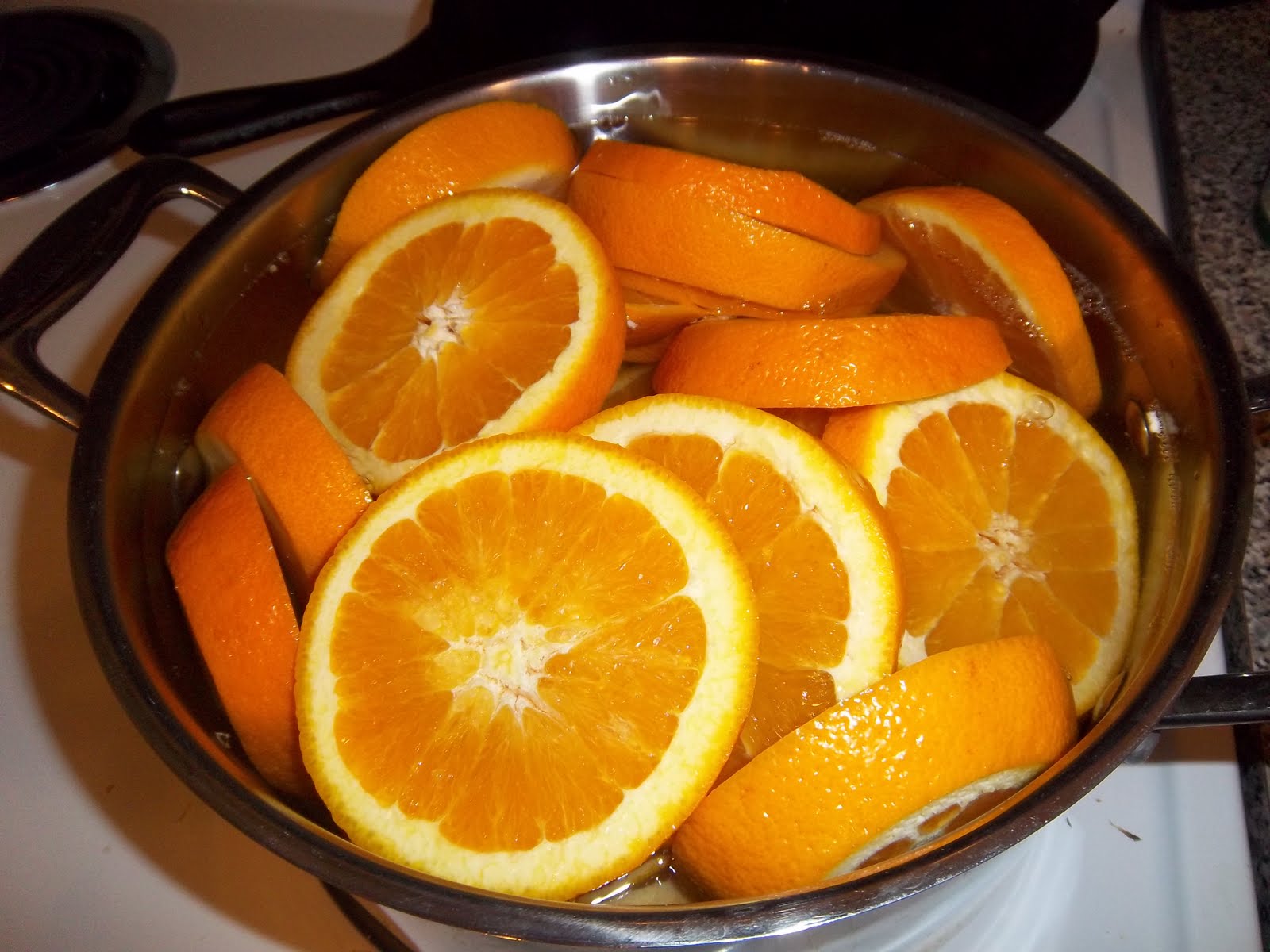
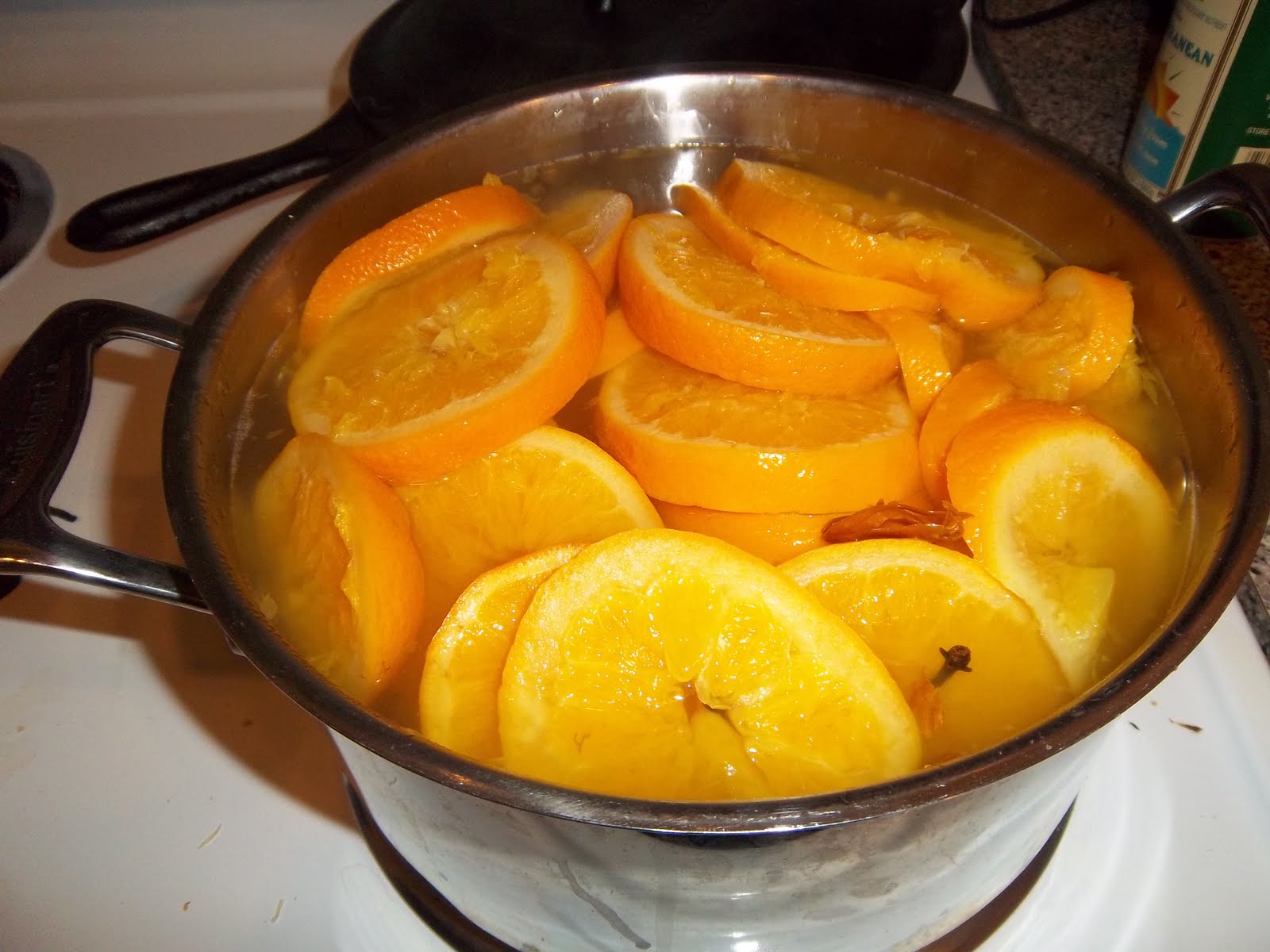
Begin by slicing 10 large oranges – keep them thick, about a centimetre is good – place them in a large pan and cover them with water.
Bring to a boil, cover and simmer gently for 30 to 40 minutes until the peel has softened. Don’t stir the oranges around as they will break up. Meanwhile, in another pan, dissolve 2 ½ pounds of granulated sugar in a pint of white wine vinegar. Add 1 ½ sticks cinnamon, a heaped teaspoon of cloves and 6 blades of mace to the vinegar syrup and boil for a total of 3 or 4 minutes.
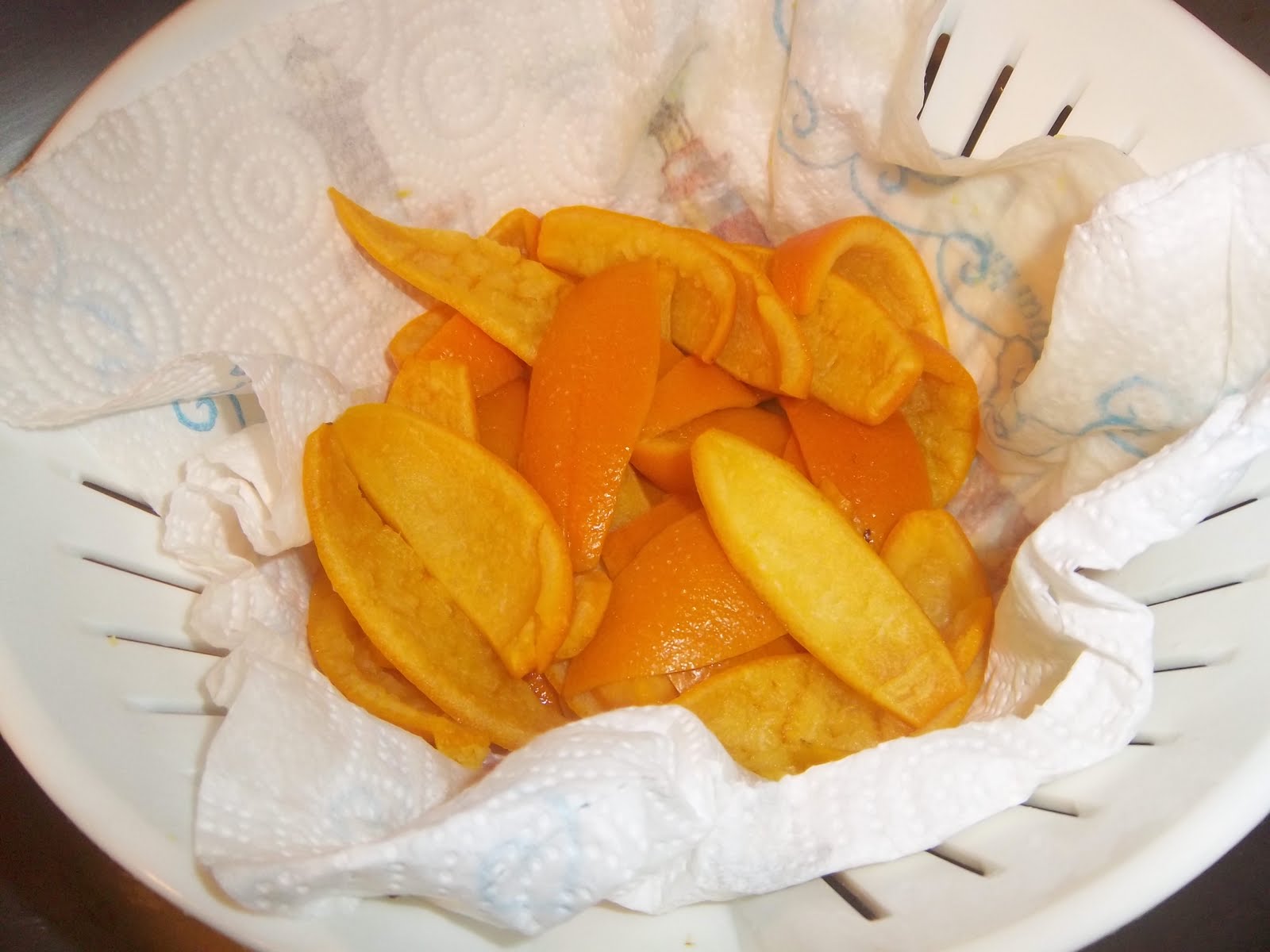
When the oranges are done, drain them, reserving the orange liquor. Return the oranges to their pan and pour over the syrup to cover – if there isn’t enough, use some of the orange liquor. Cover, bring to simmering point and cook gently for a further 25 to 30 minutes.
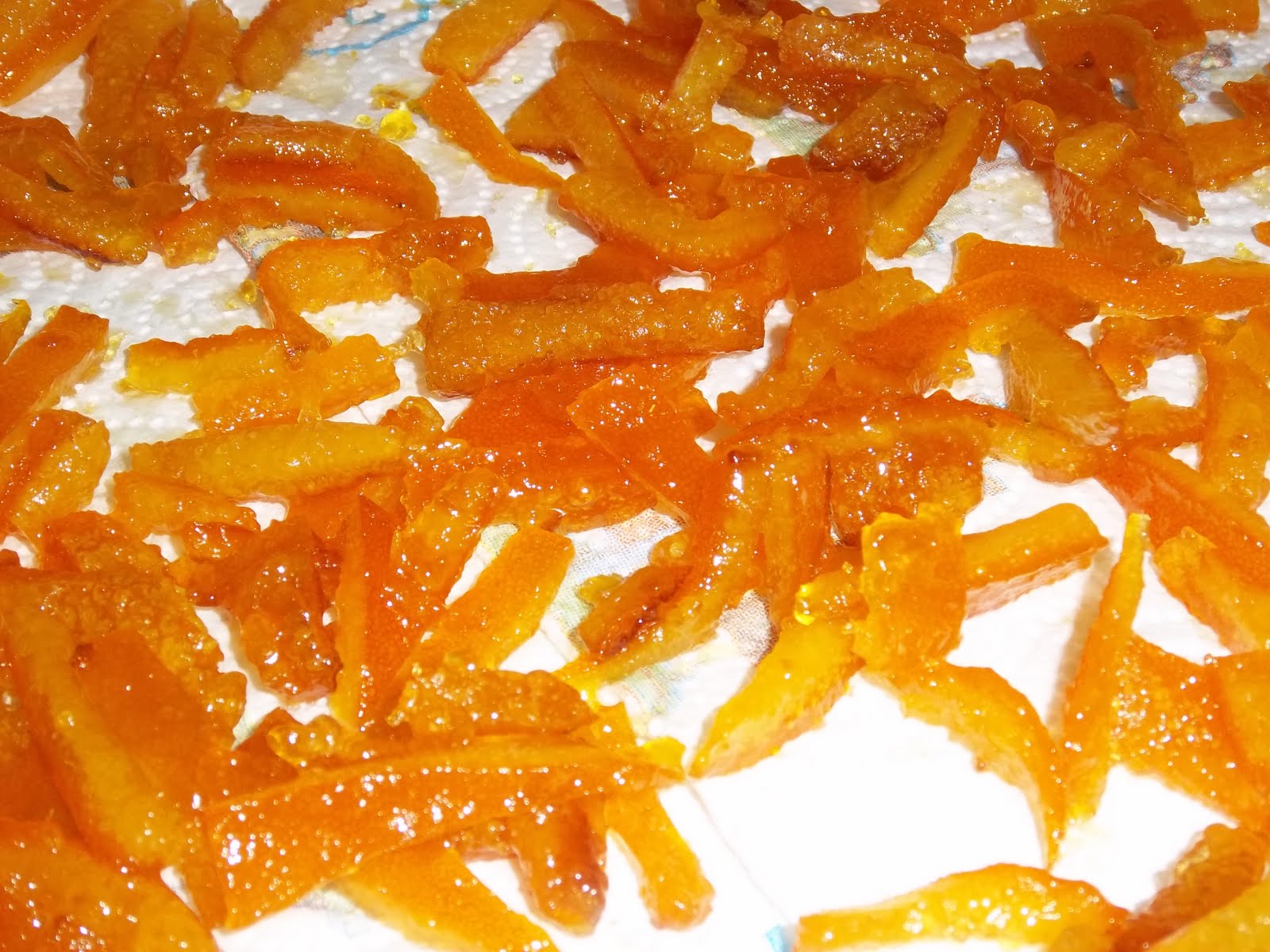
Take off the heat and leave for 24 hours. Next day, pot in sterilised jars. Top up with syrup over the next or two, should they need to be. Here’s the catch though folks: you now have to leave them for at least 6 weeks to mature! When the time is up, they can be served with hot or cold pork, ham or duck. The syrup also makes a good sauce for duck too. Apparently.
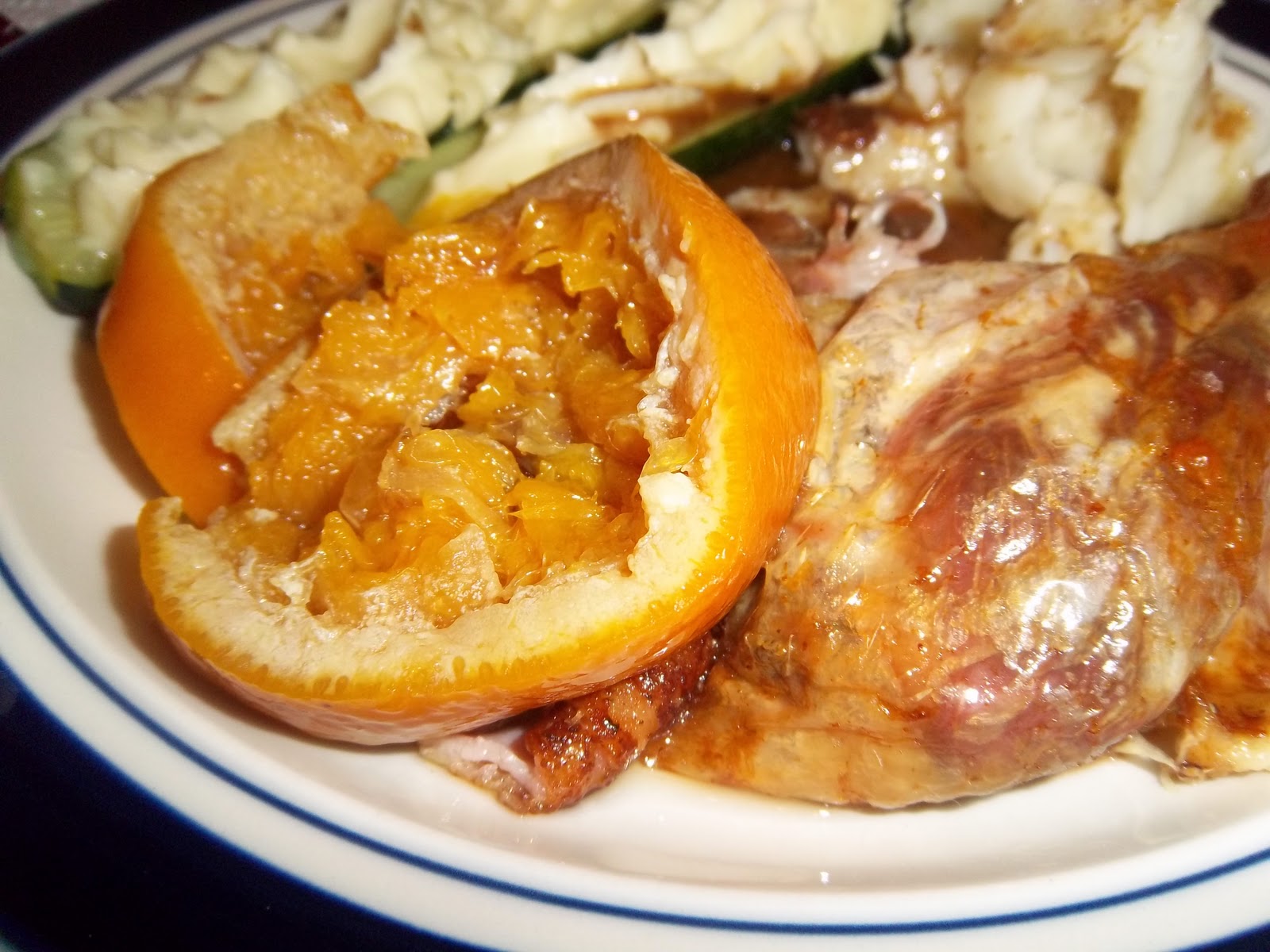
#294 Preserved Orange Slices. Well we shall have to have a bit of patience over these. It’s strange to think that when they are ready, I’ll be living in St Louis. I can say that the syrup is delicious though. Look here for the results.