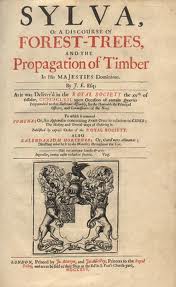
John Evelyn was a very influential diarist who left quite a legacy. He was from a well-to-do family in South-East London, but being the second son, had no rights to the estate (unless his brother died without having a son himself). So, to make up for this he decided to become a scholar and travelled France and Italy in search of knowledge during the tumultuous time of the English Civil War. He wrote several books, witnessed the Great Fire of London, and was friends with Christopher Wren and Samuel Pepys. He lived during the reigns of Charles II, James II and William III and Mary II. He was talented landscaper, designing the gardens at Sayes Court, London. He became quite chummy with Charles II and was a founding member of the Royal Society. One of his books, called Sylvia, or a discourse of Forest Trees declared the tragedy befalling the country’s trees that were being felled for fuel to the glass factories. The book was responsible for the planting of millions of trees – quite the modern conservationist!
Tag: dessert
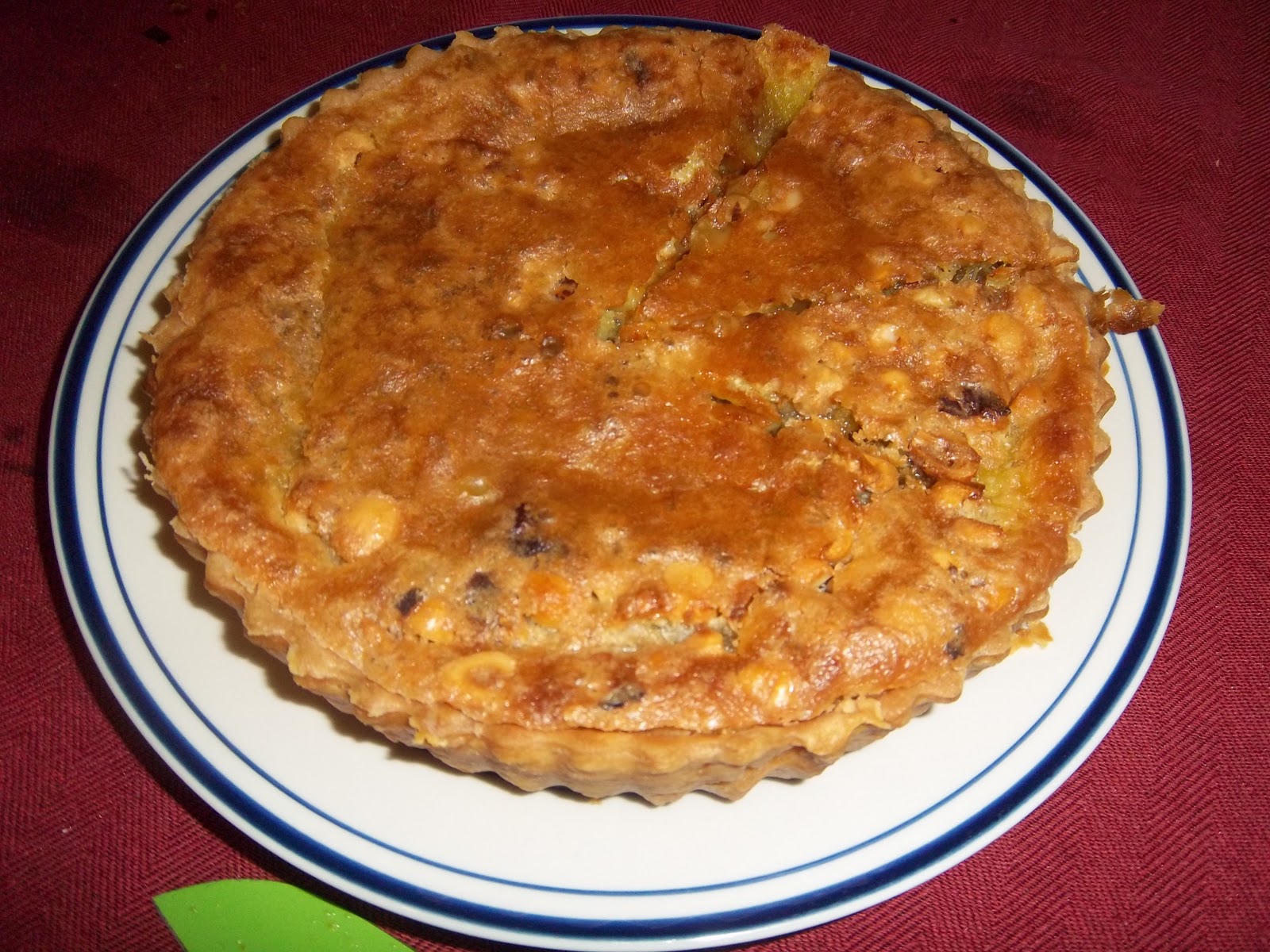
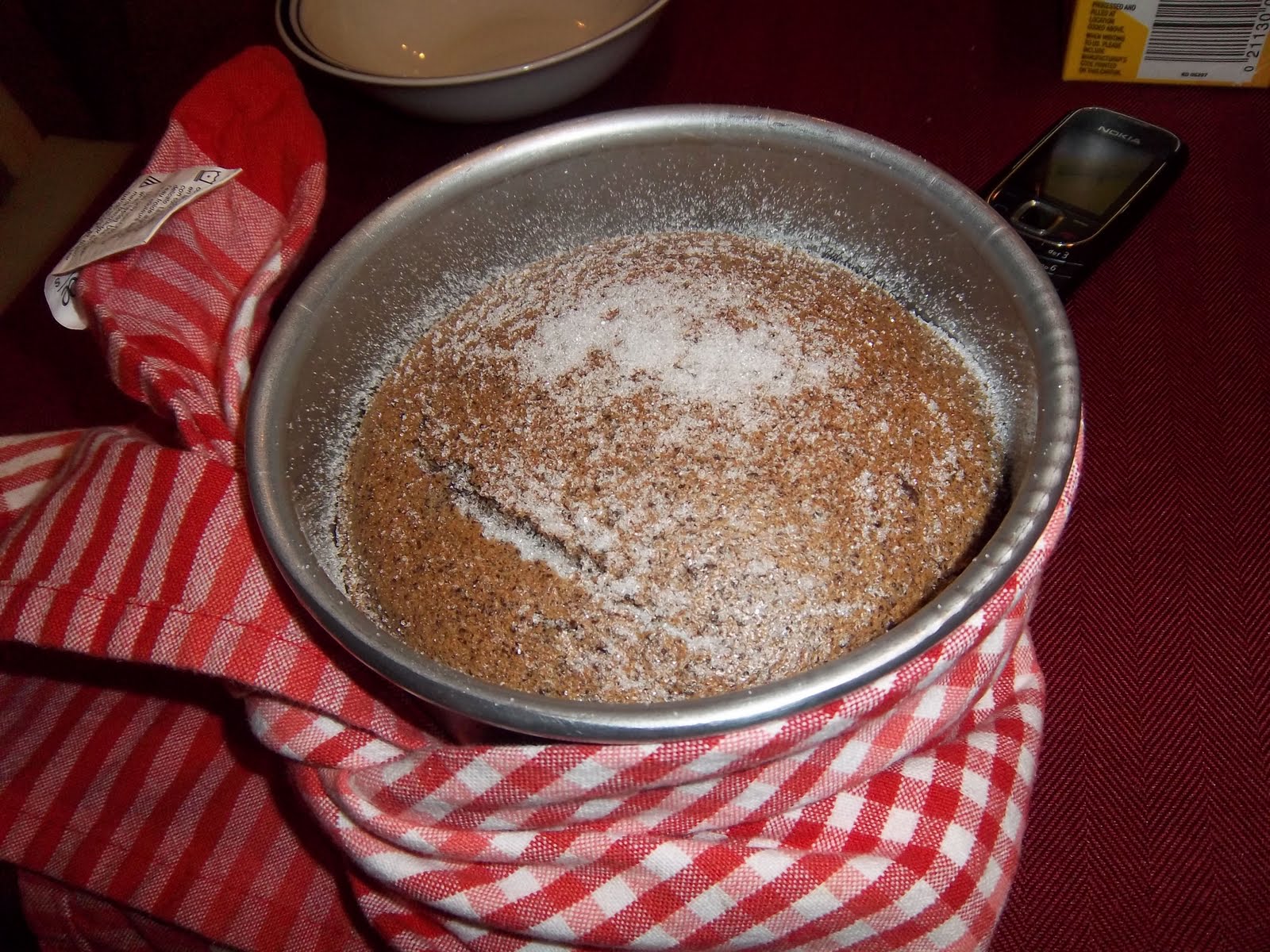
#321 Sweetmeat Cake
This recipe is apparently Jane Grigson’s favourite of the eighteenth century sweet tarts apprently. A sweetmeat is really any delicious sweet morsel – in this case candied orange peel, but I expect you can use any candied fruit or spice. The sweetmeats are scattered in a pastry case and covered in a sweet filling before being baked. I couldn’t really find any British recipes, though I found a couple of mentions in nineteenth century stories; I have no idea where Jane got hold of this one. I expect she pored over many a book in the National Library.
I did actually find a mention in a Canadian journal from the 1910s that sweetmeat cakes were made using honey thickened with breadcrumbs as a filling – this wasn’t a surprise as this sweetmeat cake (a tart, really) was the predecessor to one of my favourite puds, the treacle tart (as an aside she gives a brief description of a treacle tart, but not a proper recipe, not sure why she didn’t include this obvious one in the book).
Well, wherever she got it from, here is the recipe:
Preheat the oven to 180⁰C (350⁰C).
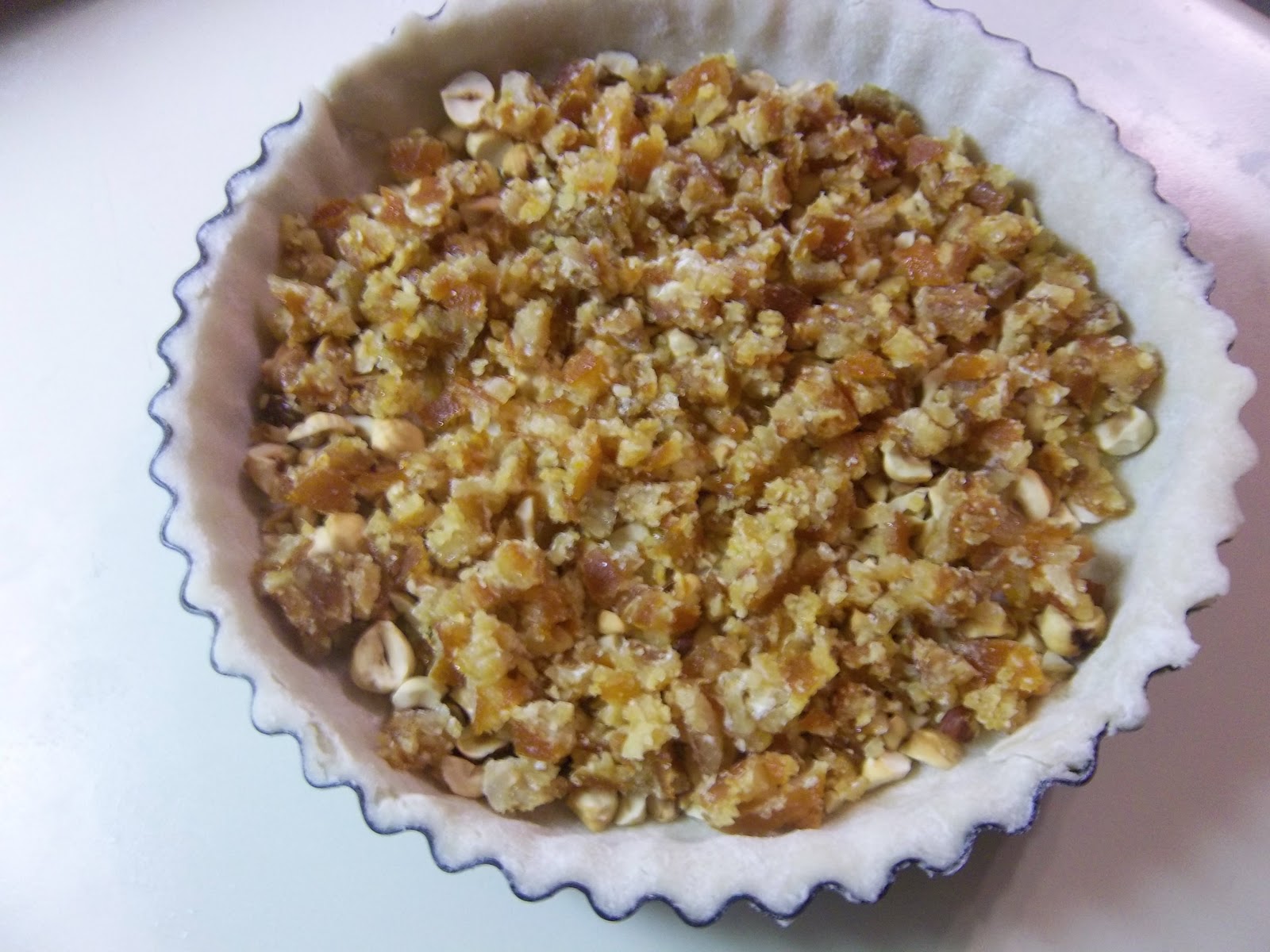
Start off by lining a nine inch tart tin with either shortcrust or puff pastry (I went with the former). Next, chop 2 ounces of roasted hazelnuts and 4 ounces of candied peel and scatter them over the pastry.
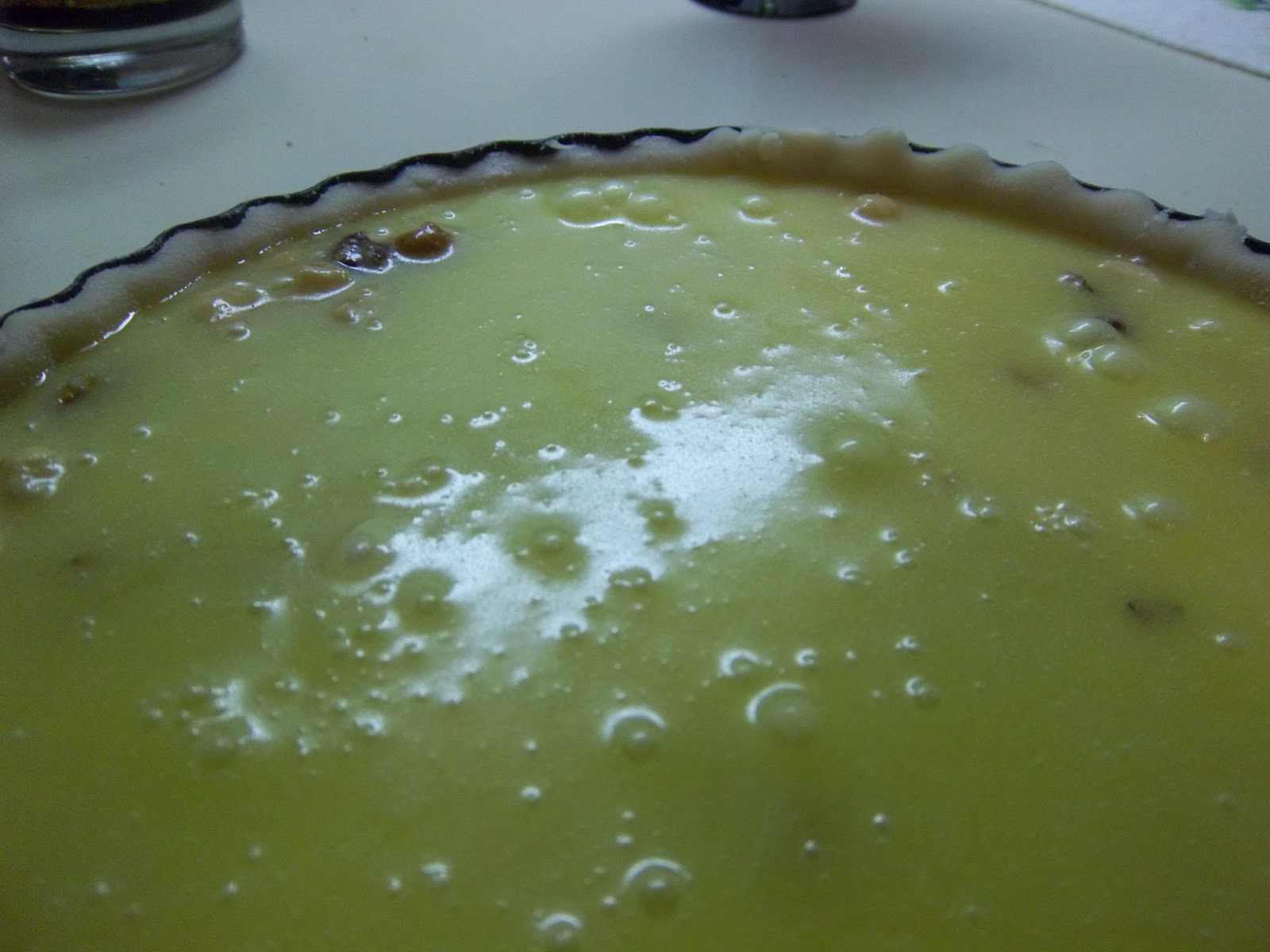
Mix together 2 large eggs, 2 large egg yolks, 6 ounces of caster sugar and 6 ounces of melted salted butter. Once thoroughly beaten, fill the tart with the mixture.
Bake for around 35 to 40 minutes until the top has turned a delicious golden brown. The tart will rise in the oven, but then sink when you take it out. Griggers says to eat it warm with cream, but it was pretty good with some nice vanilla ice cream too.
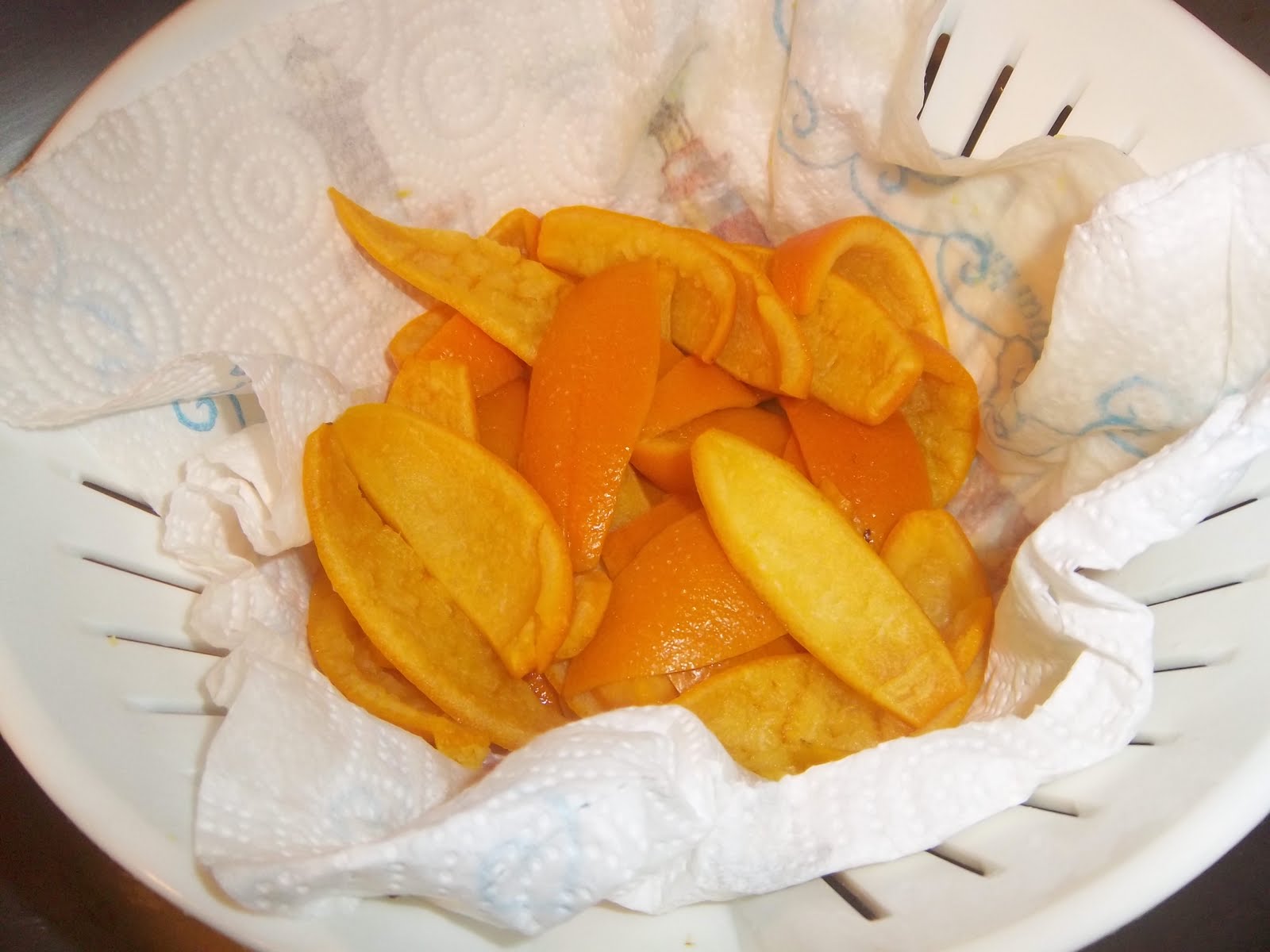
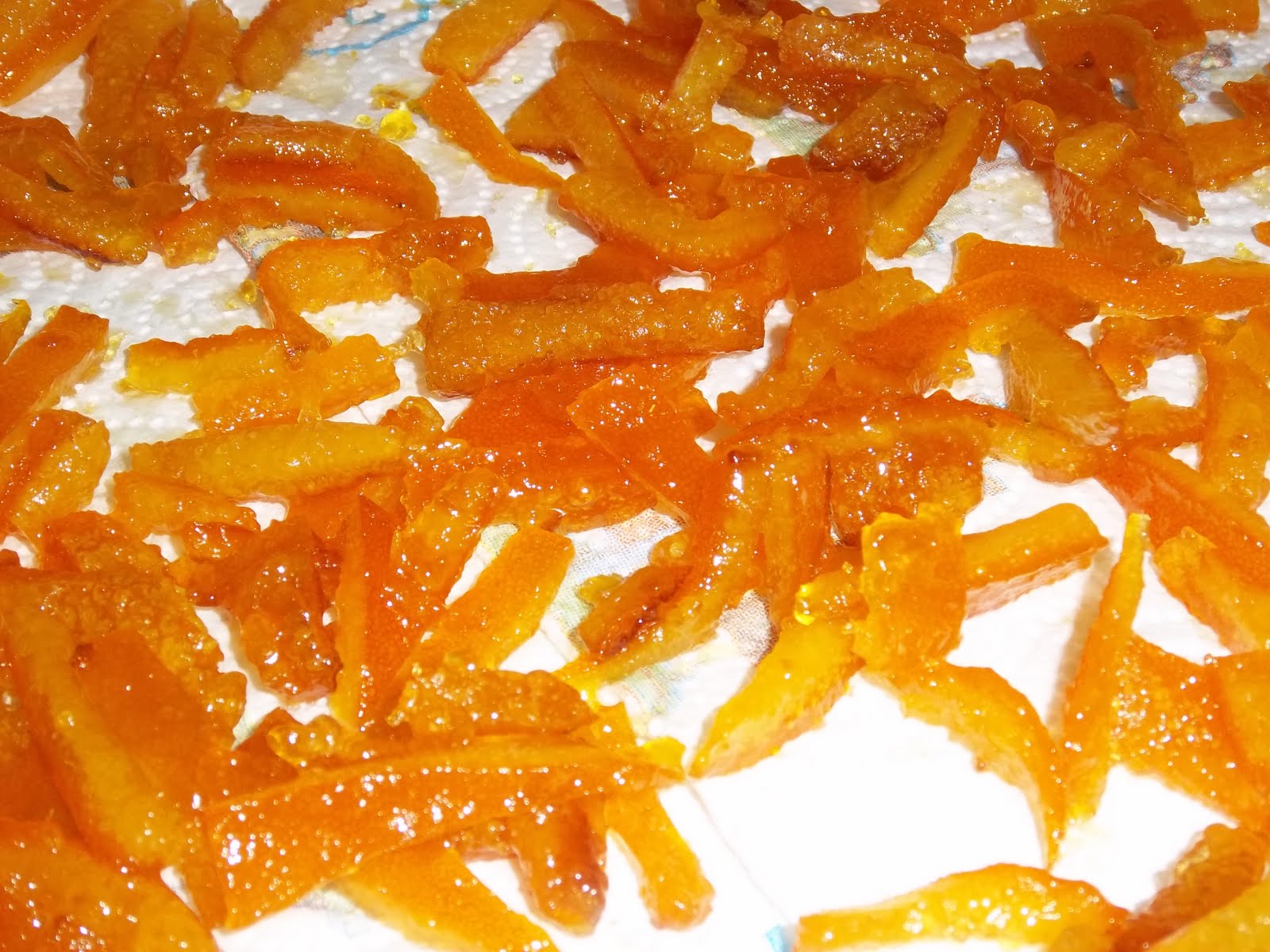
#321 Sweetmeat Cake. A fantastic and easy-to-do pud! The mixture turned into a slightly chewy toffee and its sweetness was perfectly counteracted by the still slightly bitter candied peel. Plus the hazelnuts lent a neutral earthiness and some texture. One major reason for this, I believe, is that I used home-made candied orange peel (see here for the post); it really made a difference. The bought stuff is too sweet, with too little bitter flavour and in pieces that are too small. This is well worth a try and even better than treacle tart! 10/10
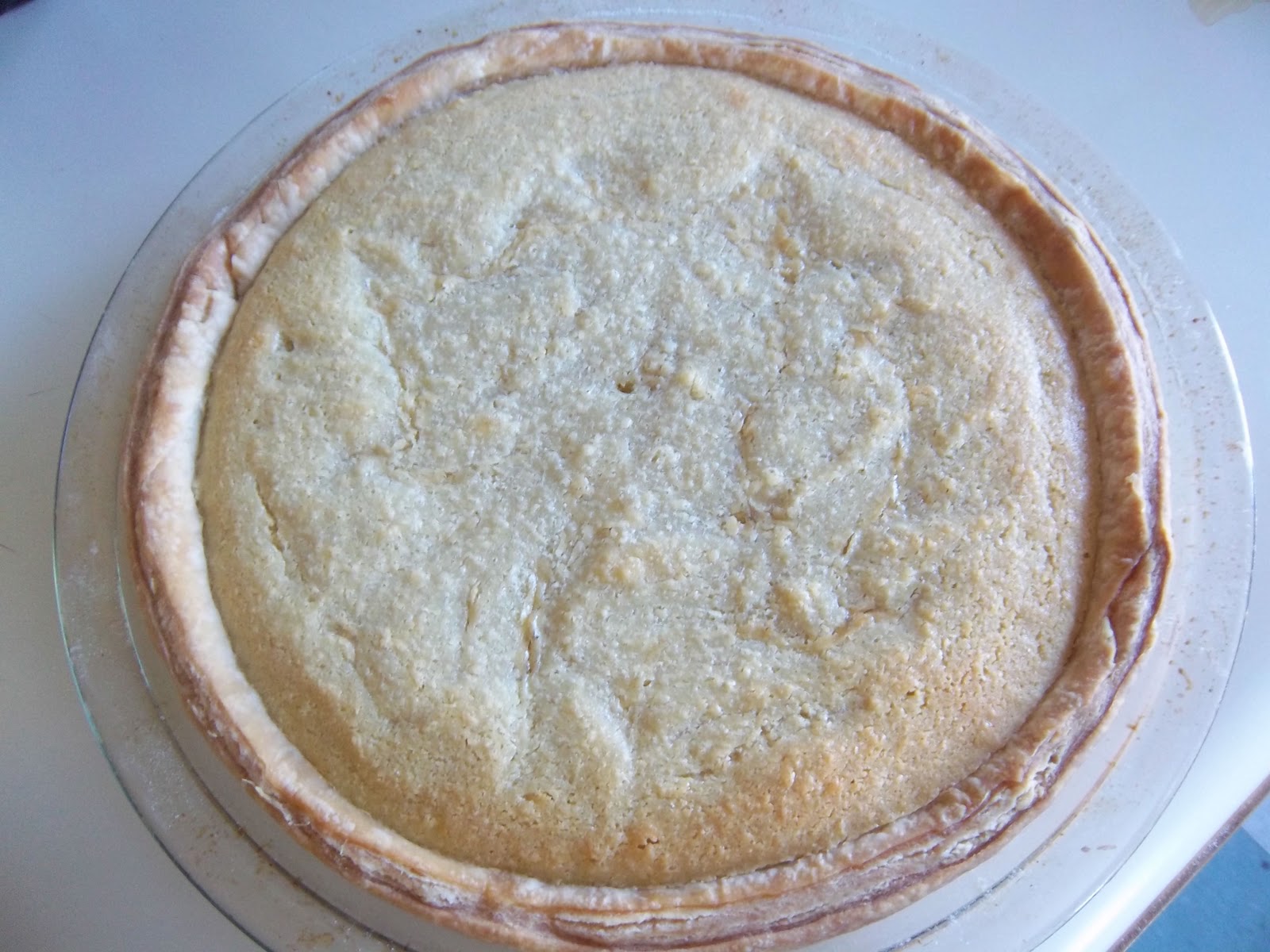
#318 Baked Almond Pudding I
I made this almond pudding because I found that I just happened to have all the ingredients for it, so I thought why not? I had bought a load of baking ingredients for the Thanksgiving desserts for which I was in charge, you see.
This is the second of two almond puddings (I did Baked Almond Pudding II a while back) that have absolutely no introduction from Griggers. It is strange that a recipe she obviously thought so good and so English that it had to have two recipes devoted to it should be basically unknown. However, a quick bit of research later, I found that these puddings were popular from the eighteenth century. The recipe closest to this one in English Food, appears in Mrs Rundell’s Domestic Cookery from 1859.
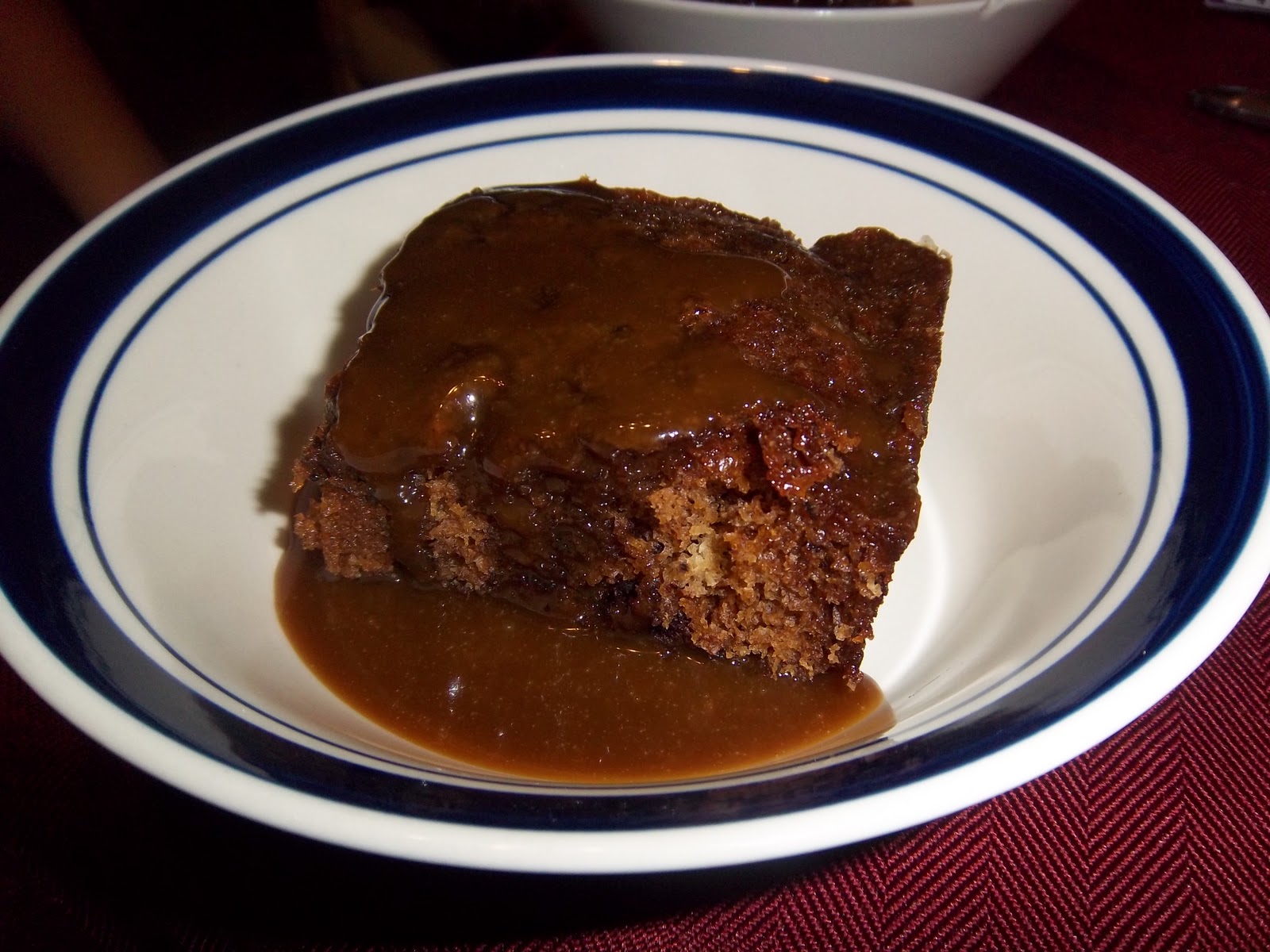
#309 Sticky Toffee Pudding
#300 Trifle
Trifle (ˈtraɪf(ə)l), n.: A matter of little value or importance; ‘a thing of no moment’ (Johnson); a trivial, paltry, or insignificant affair.
Oxford English Dictionary
Trifles make perfection, and perfection is no trifle
Michelangelo
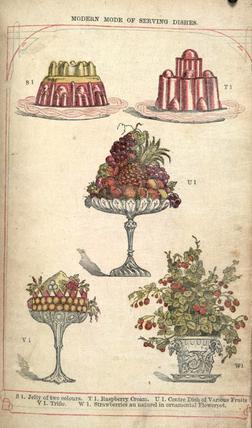
Is there nothing more English and impressive than a properly made trifle? I don’t think so. Indeed, it is the reason I have saved it for the landmark 300th recipe. Although its original meaning is one of ‘little value or importance‘, the trifles upon the Georgian, Victorian and Edwardian banquet table had gained a great opulence becoming a splendid centerpiece lavishly layered up with brandies, sherries, wines, custard, cream, macaroons, cake, syllabub and cream, not to mention the candied fruits and comfits to decorate the top. Mrs Beeton shows off some of them in her Book of Household Management so that other cooks could emulate them in stately homes across England.
The trifle did start out from humble beginnings and was simply a fruit fool made up of puréed fruit and whipped cream. The earliest mention of the word trifle in the sense of a dessert, according to the Oxford English Dictionary, comes from the book A worlde of wordes, or most copious, and exact dictionarie in Italian and English by John Florio published in 1598. However, as the dessert became a vehicle for shrewd cooks to use up left over biscuits and cakes, it quickly evolved into a more complex dish altogether.
So what makes a trifle? By the mid-eighteenth century, it had pretty much become the layered beast we know of today, though there was no fruit involved. It was made of macaroons soaked in wine followed by a layer of custard atopped by a syllabub and ‘different coloured sweetmeats and small shot comfits…figures and flowers‘, according to Elizabeth Raffauld’s 1769 book, The Experienced English Housekeeper. Trifle purists today insist that this sort of trifle is the classic recipe and if a trifle were to contain fruit and – heaven forbid! – no alcohol then it is simply not a trifle.
By the early nineteenth century, there were many more additions – spiced cake and fruit jams and jellies for instance, often cream was exchanged for syllabub.
Then, in the twentieth century, the trifle had its downfall. Here is what Jane Grigson says about the pud:
‘A pudding worth eating, not the mean travesty made with yellow, packaged sponge cakes, poor sherry and powdered custards.’
That is her entire introduction to the recipe! I have to say I used to love (and still do love) my Mum’s trifle; a layer of tinned fruit, Swiss roll and jelly, with powdered custard and then whipped cream. I remember once trying a ‘proper’, i.e. sherry, trifle and it was simply disgusting. I hoped that the trifle in here would both look and taste impressive, but all I could think of was that vile sherry trifle and the stomach-churningly rich Whim-Wham I made a couple of years back for the blog.
So, with a certain amount of trepidation, I started to construct this pudding worth eating. Hopefully everyone who was coming round to my apartment would also think it worth eating too…
The first thing you need to do before you even consider making your trifle is to get hold of a nice bowl or dish to hold it in. I went for a classic stemmed glass trifle dish, nice and big and only $15. Bargain.
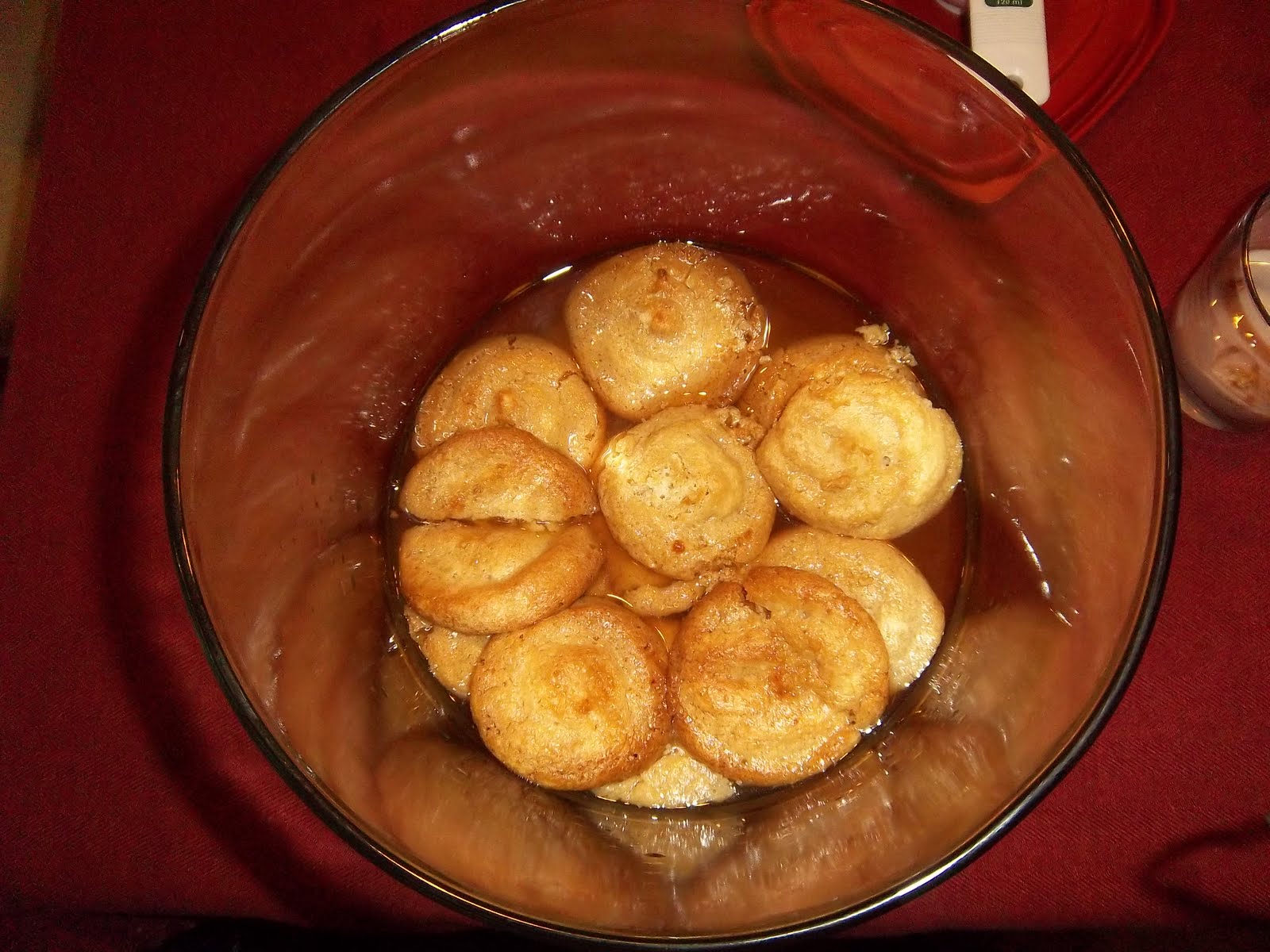
Now for the trifle itself: Start off by placing eight or so large macaroons in the base of your bowl. Break up some to fill in any gaps that may be there. By macaroons, I don’t mean coconut, but the old fashioned almond, or French, macaroons. These are quite tricky to get hold of and you won’t find them in a supermarket or even most bakeries. The best thing to do is phone around some French bakeries, or do as I did and keep it real by actually make your own. I took elements from an eighteenth century recipe by Elizabeth Raffauld and a contemporary one by Martha Stewart (see it here). Next, pour ¼ of a pint of a good dessert wine over them; Griggers suggests Frontignan, Malaga or Madeira wine. I went with Frontignan – not tricky to get hold hold of, but does more often go under the pseudonym of Muscat wine. Along with the wine, add two tablespoons of brandy.
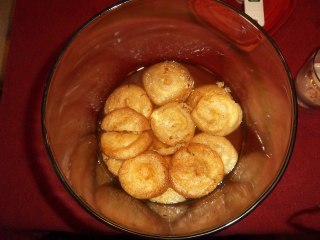
Next make the custard by boiling a pint of single cream in a saucepan (any Americans out there, use coffee cream or half and half). Whilst you wait for it come to a boil, whisk together two large eggs, two large egg yolks and tablespoon of plain flour in a bowl. When the cream comes to a boil, tip it over the eggs whisking vigorously as you go, then pour it back into your saucepan and stir over a low heat for a few minutes until it becomes nice and thick. Add sugar to taste – I went with around three tablespoons in the end. Remember to make it slightly sweeter than you prefer as cold food will not taste quite as sweet as hot. Pour the custard over the soaked macaroons and allow to cool. In fact it is best to leave it over night.
Don’t be thinking that there is time for idling though, for there is a syllabub to conjure up! The syllabub recipe has already appeared in the blog before so I won’t go through it here. Check out the recipe here and use the same wines as before to make it. Note that the syllabub requires an overnight steep as part of its prep.
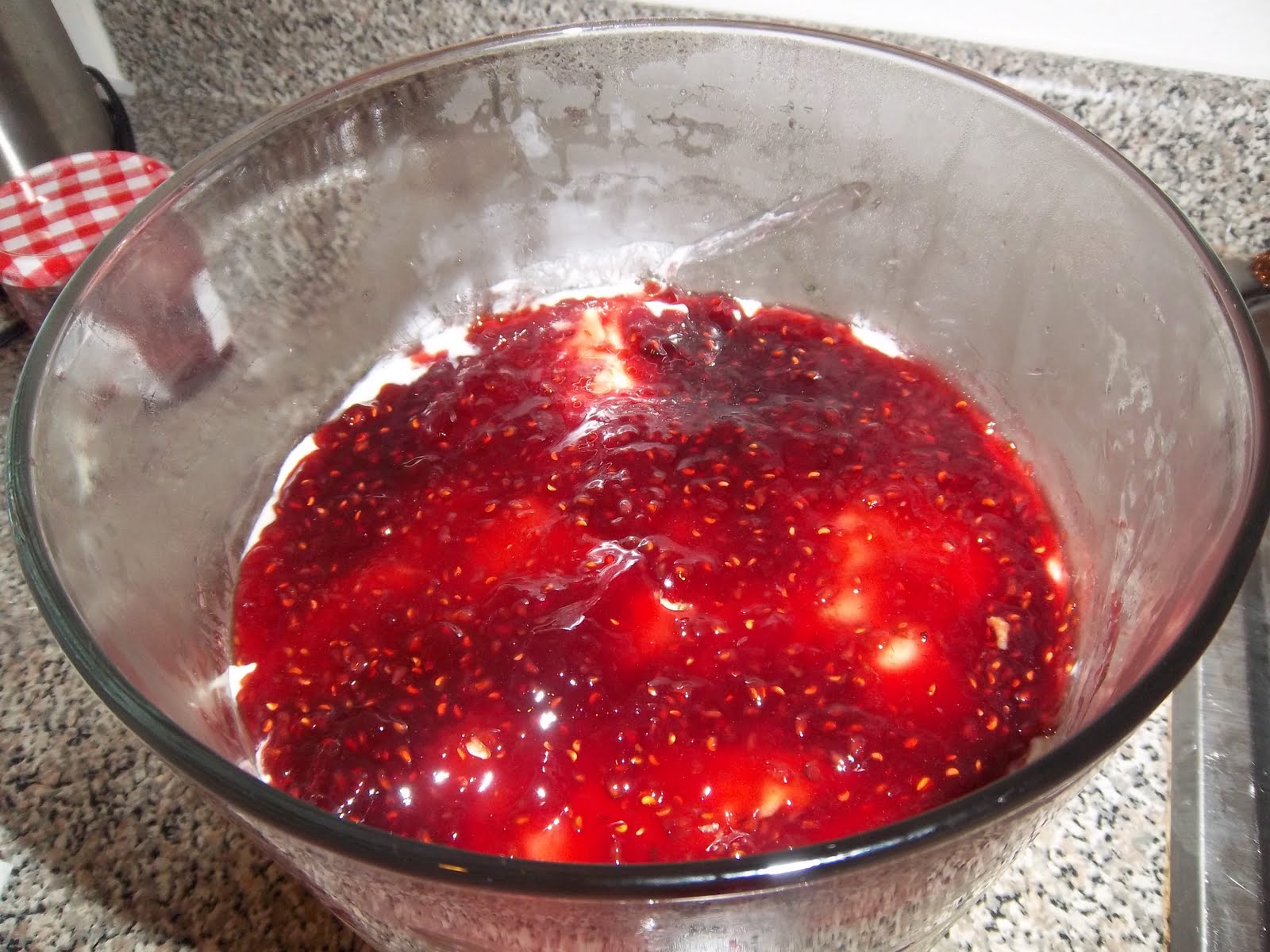
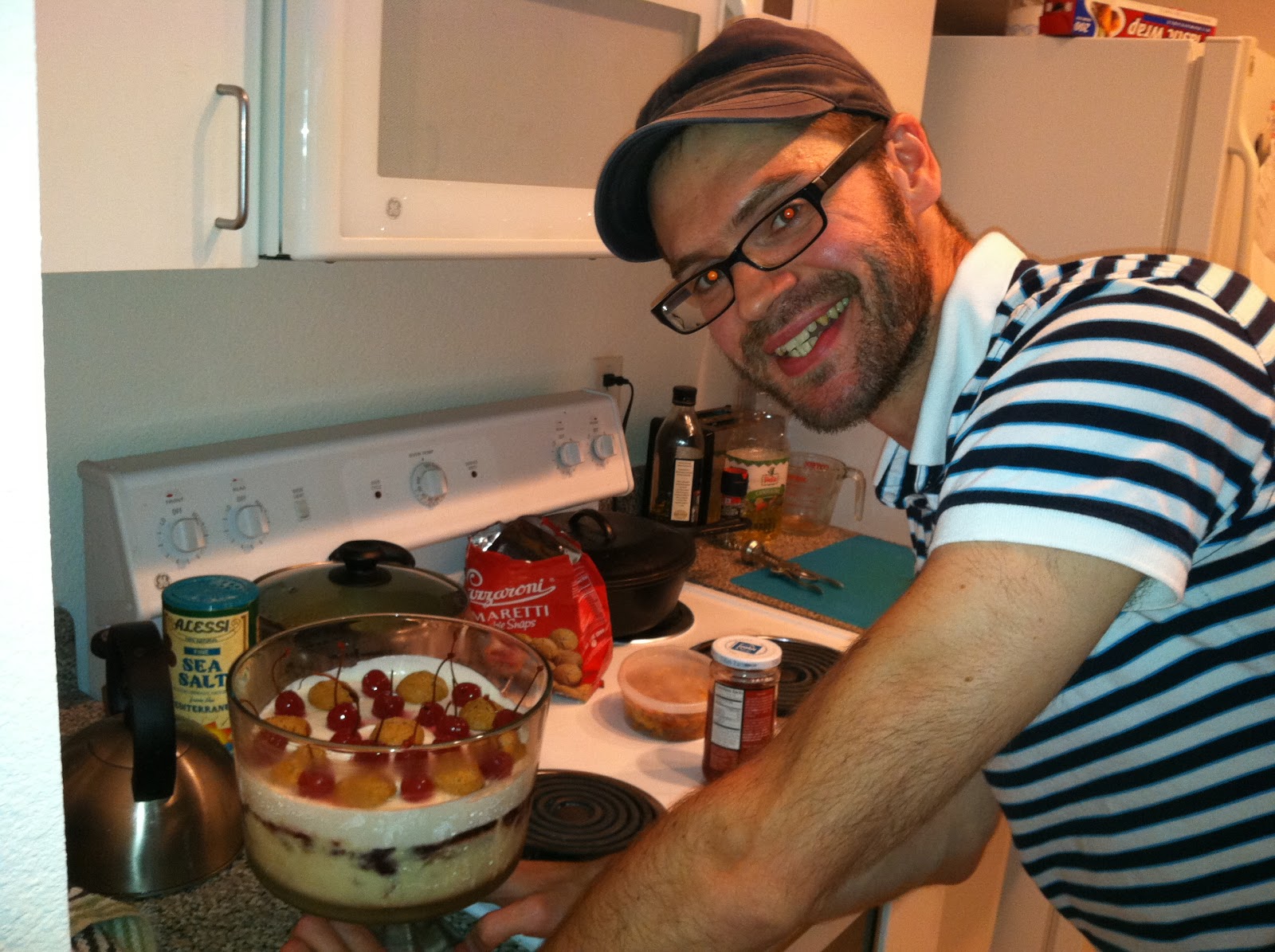
When the custard has firmed up, spread a good layer of raspberry jam over it and then spoon over the Everlasting Syllabub. Lastly, decorate with ratafia biscuits and some sweetmeats such as candied peel and comfits. Jane says to avoid tacky things like angelica and glace cherries, but I went with those nice cherries in syrup that are stones but have their stalks intact.
Leave the trifle somewhere cool for a while – a larder or pantry is better than a fridge, but in Houston, the refrigerator is the only option!
#300 Trifle. Three hundred recipes also means I am two-thirds of the way through English Food and what a recipe to choose! It took a good amount of time to make, but it was so, so worth it. The sweet wines blended perfectly with the light, fresh creams and custards in such a wonderful way, and the almond biscuits on the top and bottom layers gave it a nutty, scented quality and the sweet raspberry jam lent a subtle fruitiness. There was no hint of alcoholic acridity like I expected. In fact I had two helpings and then when everyone had left, I polished the rest off! Excellent, excellent, excellent. And worth eating! 10/10.
#293 Mrs Beeton’s Chocolate Soufflé
I’ve cooked quite a few – and eaten quite a few – soufflés in my time, but this is my first sweet one. It comes from the great Mrs Beeton’s Book of Household Management, or to give its full title, The Book of Household Management Comprising information for the Mistress, Housekeeper, Cook, Kitchen-Maid, Butler, Footman, Coachman, Valet, Upper and Under House-Maids, Lady’s-Maid, Maid-of-all-Work, Laundry-Maid, Nurse and Nurse-Maid, Monthly Wet and Sick Nurses, etc. etc.—also Sanitary, Medical, & Legal Memoranda: with a History of the Origin, Properties, and Uses of all Things Connected with Home Life and Comfort. Those Victorians do go on, don’t they? The book is actually a collection of articles that she published in The Englishwoman’s Domestic Magazine between 1859 and 1861, and although she conjures up imaginations of austerity and matronliness, she actually died at the rather young age of 46 of tuberculosis, or consumption as the Victorians called it, and her great masterwork was published when she was just thirty years of age.
#293 Mrs Beeton’s Chocolate Soufflé. This was a very good soufflé. It wasn’t very sweet, which really showed off the bitter chocolate taste. In fact is tasted just like a whipped up mug of cocoa. The chilled cream – which Americans don’t seem to use on their desserts – in combination with the hot soufflé, really set it off. The only problem was that 20 minutes was a little too long; the centre of the soufflé wasn’t soft, as I like it to be, so it’ll be 15 minutes in the future. That’s my only gripe though. 7.5/10.
#286 Candied Peel
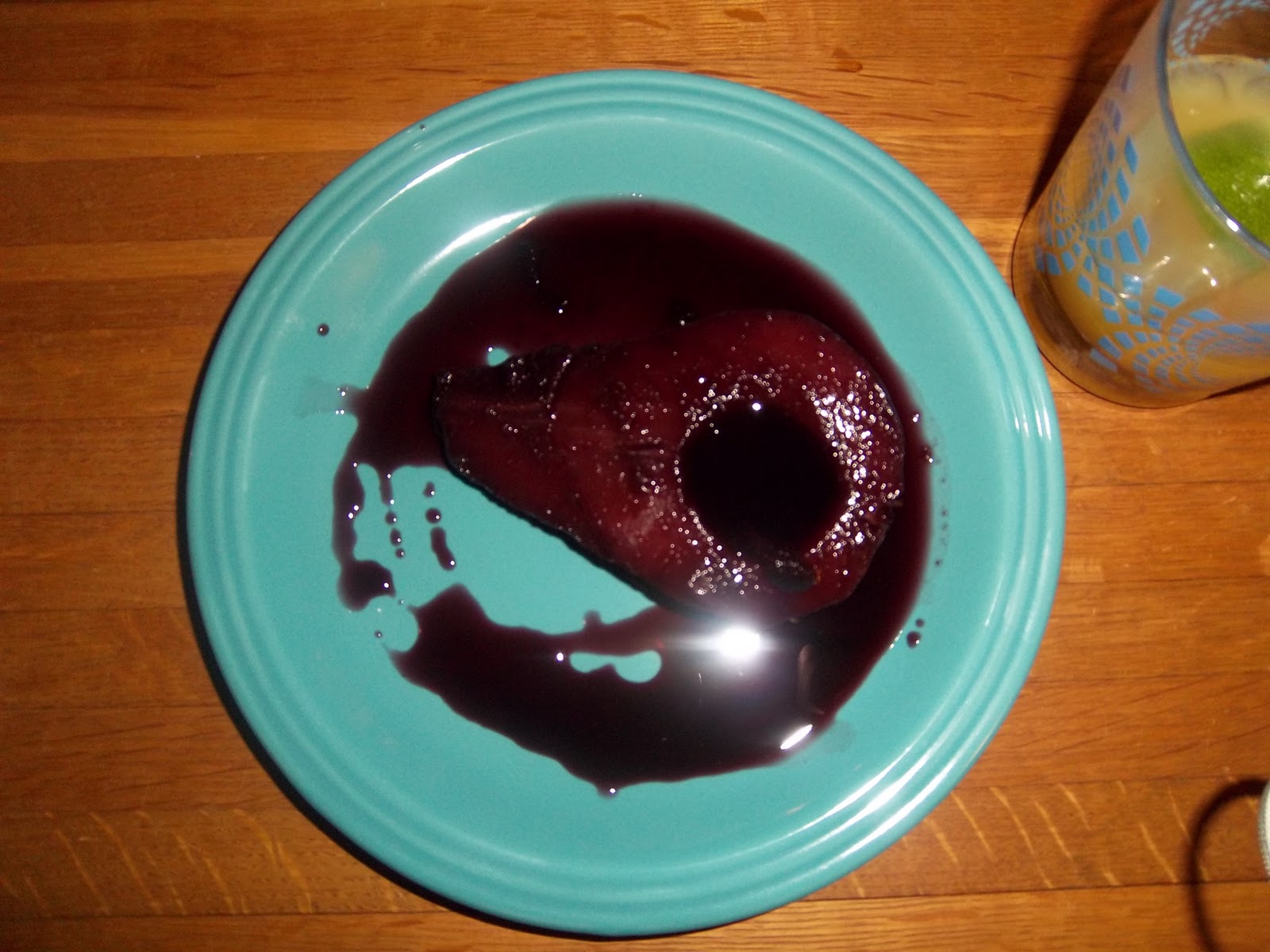
#275 Pears in Syrup
“Your old virginity is like one of our French withered pears: it looks ill, it eats dryly.” Bertram, As You Like It
This is an old, old recipe that Griggers herself has updated rather. In Medieval times a variety of pear called Wardens were used that were rock hard and required an hour’s cooking beforehand. These days, we use eating pears so it’s a lot quicker to make. It is best though to use unripe pears for this, though it doesn’t really matter what kind.
A some of you may know, one of my gripes is picky eaters. Vegetarianism and veganism don’t come under that term ofr me though. I think making a moral stance against eating animals or using the products of animals certainly has a lots of merit. Not eating honey is a bit stupid though. Anyway, what IS annoying is veggies who ARE picky. I mean, what is the point of restricting your diet if you don’t like most stuff anyway. Luckily noone fell into that category this night!
#269 Elizabeth David’s Everlasting Syllabub
#253 Payn Pur-Dew (1420)
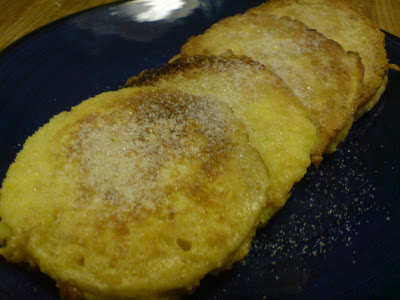
I haven’t done a historical recipe for a while, so I thought that my first recipe in this new country should be an old English one. It comes from the French pain perdu, which means lost bread, in other words smothered bread. It’s a French recipe but it obviously goes very far back in English history as this recipe proves. It’s from 1420 and is transcribed straight from the source, although Griggers doesn’t say what the source is! To put this into historical context, Henry V is the King of England and so he will have indulged himself on these in banquets; indeed, the inclusion of sugar in the recipe made it very regal. In the fifteenth century, honey would have been used as a sweetener. Eventually this dessert morphed into Poor Knight’s of Windsor – of which there are two recipes in English Food and I will try and do them soon so we can compare and contrast. Anyways, here is the recipe:
‘Take fair yolks of eggs, and separate them from the white, and drawn them through a strainer, and take salt [a pinch] and cast thereto; then take fair bread, and cut in round slices; then take fair butter that is clarified, or else fresh grease, and put in a pot, and make hot; then take and wet well the slices in the yolks, and put them in a pan, and so fry them up; but be ware of them cleaving to the pan; and when it is fried, lay them on a dish, and lay plenty of sugar thereon, and then serve forth.’

I used clarified butter – not sure what is meant by grease, I suppose the author meant lard or dripping. It is important to clarify the butter, otherwise it and the bread will burn. The word fair in the recipe means fresh; so the quality of ingredients was important in medieval times just as nowadays. Griggers suggests using brioche should you have it. I didn’t.
FYI: Payn per-dew is also called French toast sometimes, but in the north of England I know it as ‘eggy bread’ and it is not just the yolks but the whole egg plus some milk is used. Slices are fried in a little oil and eaten with a scraping of tomato sauce or brown sauce and is certainly not a pudding!
#253 Payn Pur-Dew (1420). A simple and historical recipe that is a wee bit bland by our modern tastes. I think that in the 1420s it would have been an exciting dish, but I prefer it made with the whole egg and some milk to make it less rich and serve as a savoury rather than a sweet. It might have been better with syrup or honey on it instead; something with a bit of heady flavour. So, all-in-all it was okay, but not amazing. 4/10.