#288 Leek Pie

I beseech you heartily, scurvy, lousy knave, at my desires, and my requests, and my petitions, to eat, look you, this leek: because, look you, you do not love it, nor your affections and your appetites and your digestions doo’s not agree with it, I would desire you to eat it….if you can mock a leek, you can eat a leek.

William Shakespeare, Henry V

 I like to get a bit of Shakespeare in whenever I can.

There’ll be no mocking of leeks on this blog. They are one of my favourites, though I don’t really eat them that often. The main reason, I think, is that no matter how much I wash them before preparing them, there is always some grit – invisible to the naked eye – that ends up in the final dish. I’m always so thorough too. Hey-ho, a bit of dirt is fine. In fact there’s an old Yorkshire saying: tha’s got to eat a peck o’muck before you die. Indeed.

Here’s a pie that sounds great – leeks, cream and bacon in pastry. Nothing can be bad about this one, with or without grit.

I assumed that this recipe was a Welsh one, but no, variations of it are found across Britain and France. Grigson doesn’t say that much about it, other than in France onion and flour are added to the filling, so technically this is the French version, but let’s not split hairs.

To make the pie, you’ll need to buy or make some shortcrust or puff pastry. I made some shortcrust. You’ll need to make a shortcrust that uses 10 ounces of flour and five of fat; I did eight and four respectively and only just managed to get away with it.

To make the filling, chop and onion and cook it in an ounce of butter until soft and golden. Meanwhile, trim, wash and chop a pound of leeks. Slice the green part thinly, as it is quite tough and takes longer to cook than the white part. Add the leeks to the onions along with two ounces more of butter. Season with salt and pepper. It’s important to add the salt at this point as it draws the liquid from the leeks, concentrating their flavour.

When softened and mushy, turn off the heat and add four ounces of chopped back bacon. Now measure four ounces of double or clotted cream – weight, not volume – and beat in a teaspoon of flour. Pour this over the leeks and bacon and allow to cool.


Roll out two thirds of your pastry and line a nine inch tart tin. Add the filling and roll out a lid with the remaining pastry, using beaten egg as a glue. Crimp the edges and ‘decorate in restrained manner’. I just made some fluting around the edge. Brush with egg and make a hole in the centre so the steam can escape. Bake for 15 minutes at 220°C (425°F) or until the pastry is nice and brown, then turn the heat down to 180°C (350°F) for another twenty to thirty minutes.
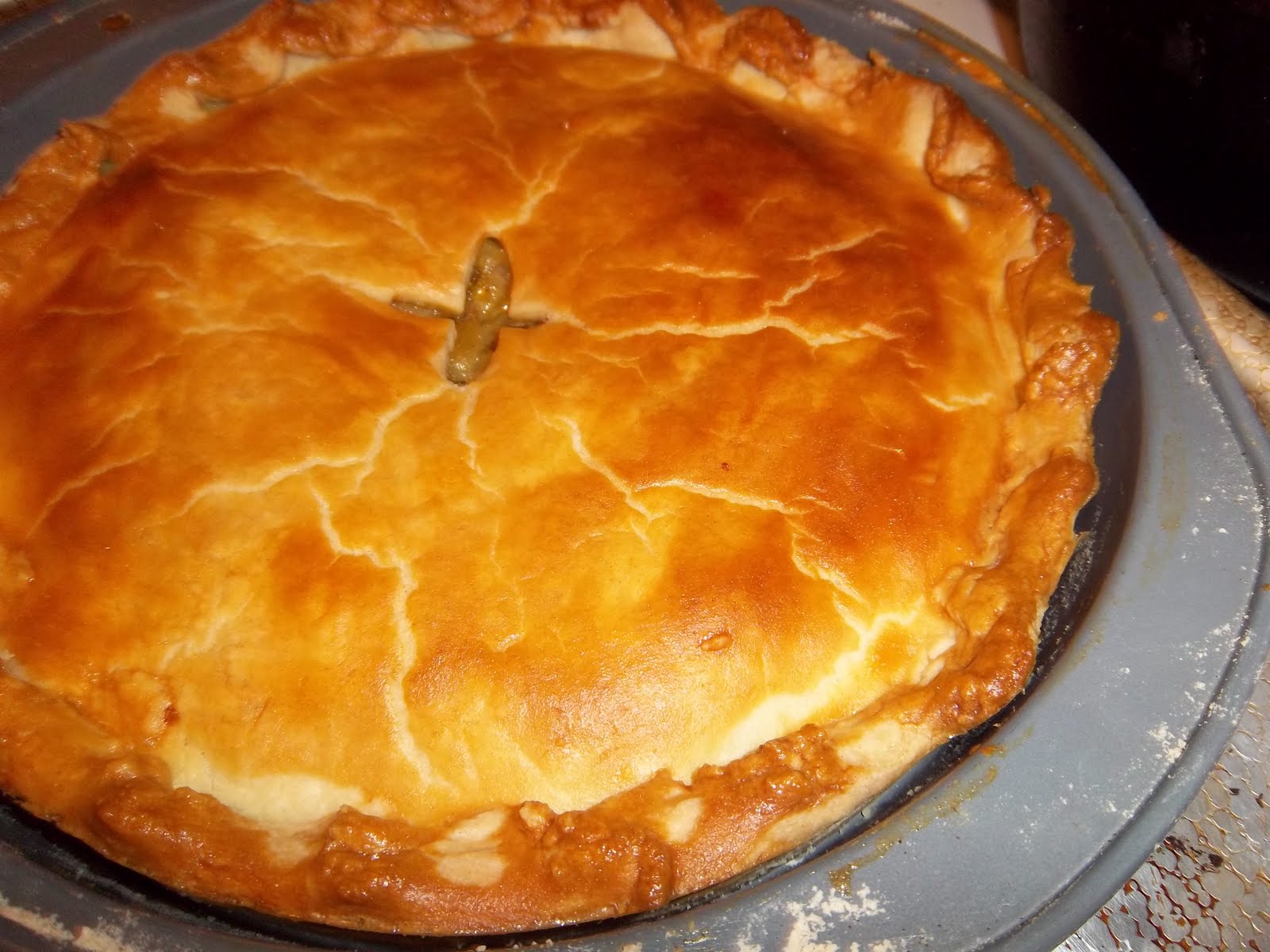


#288 Leek Pie. What a great pie! The filling became a rich and delicious mush with subtle onion and leek flavour. The secret to this – as with so many of the best in English Food – is the that are just a few ingredients cooked slowly over a low heat with a good amount of seasoning. It was just as delicious cold as it was hot. One of the best recipes thus far I’d say. Go and cook it! 9.5/10.


#285 Creamed Parsnips

Parsnips don’t seem to be that popular in America, at least compared to Britain. In the USA, carrots and sweet potatoes are much more favoured as a sweet-starchy vegetable. In Europe, parsnips have been cultivated since Roman times, and although in the UK, the wild parsnip is quite a common plant, it has rather pathetic roots,and isn’t worthwhile eating. The parsnips eaten in Britain are therefore not indigenous. They were probably brought over around AD55 during the Roman invasion. The Romans used parsnips in desserts because of their sweet and chestnutty flavour, weirdly, parsnips are used in a cake in English Food that is based upon the recipe for an American carrot cake. Ah, the circle of life.
The European wild parsnip

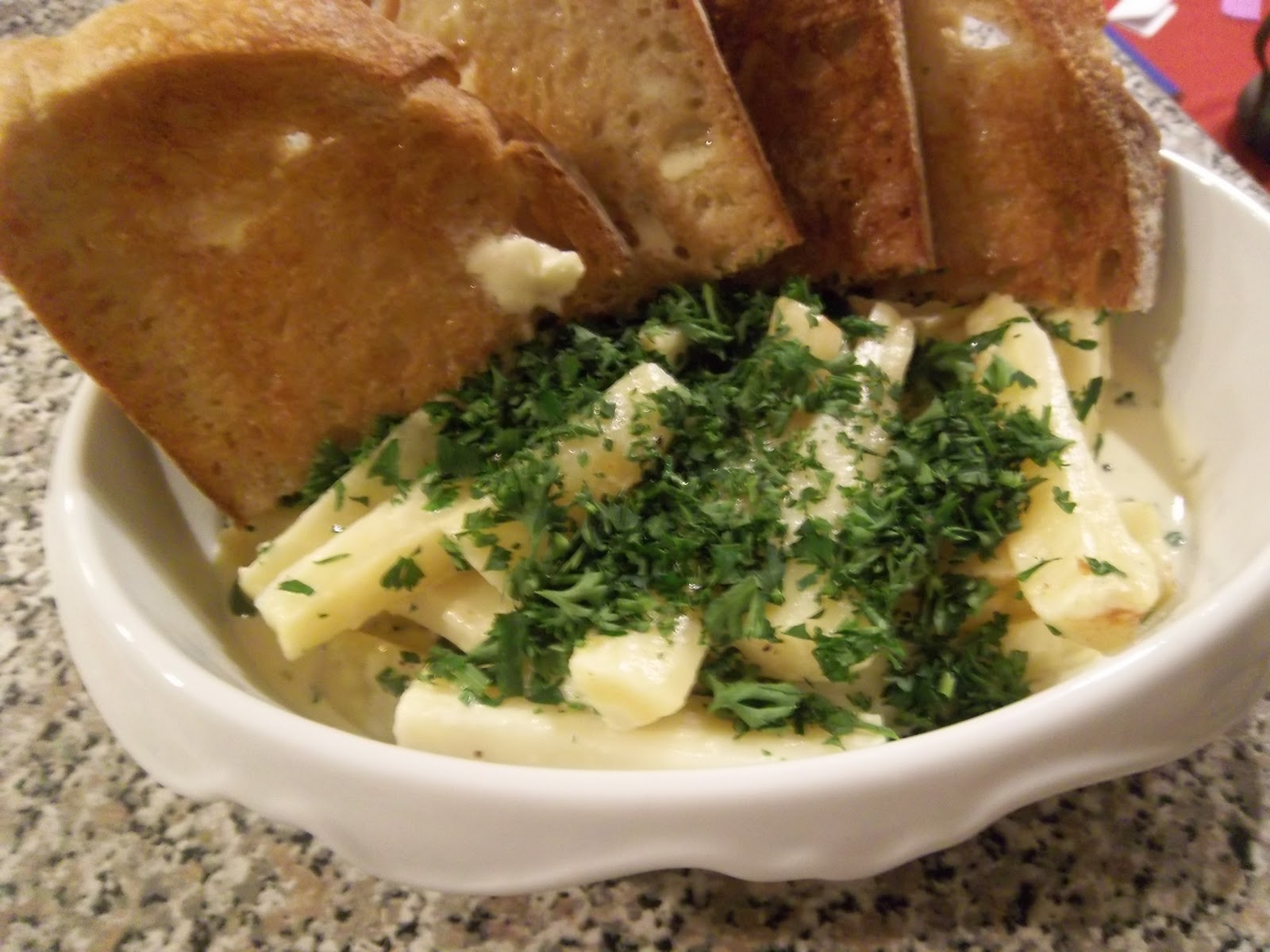
Creamed parsnips can be served alongside some roast meat, or on their own with toast or in pastry cases as a supper dish, says Griggers. I had them for supper.
Peel, top, tail and quarter a pound and-a-half of parsnips. Remove any woody parts, if the parsnips are large and cut them into batons. Plunge them into boiling, salted water and allow to cook until tender – between five and ten minutes, depending upon the size of you batons. Drain and return to the heat. Stir in a quarter of a pint of double cream (or half-and half double and single). Heat through, season with salt and pepper and stir in some finely chopped parsley. Serve hot.
#285 Creamed Parsnips. Ah the simple things are the best, innit? These were delicious and not at all heavy – the parsley lifted the whole thing, preventing the dish becoming sickly. The creamy sauce and the carby parsnips themselves made the supper feel quite substantial. A hidden, simple gem. 8/10.


#263 Stuffed Tomatoes

A quickie, this one…
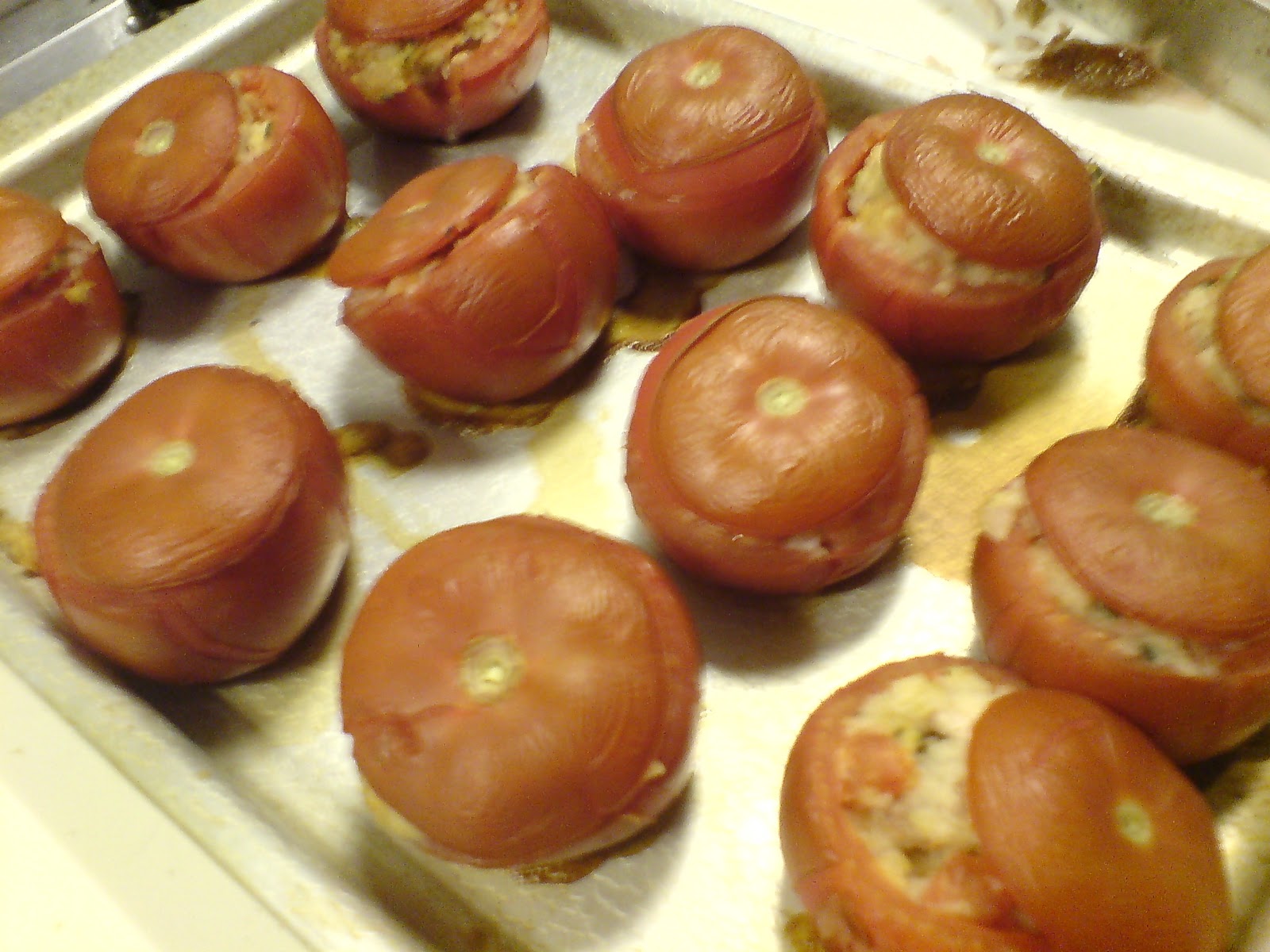
So as I mentioned in my last post I made a couple of vegetable sides from English Food for Joan and Dave’s Thanksgiving party. That is not to say that these recipes from the Vegetables chapter are in any way vegetarian and these stuffed tomatoes are no exception. They are pretty easy to do aswell. Take twelve tomatoes and cut off their tops. Scoop out their centres and chop them up, removing any seeds first. Turn the tomatoes upside down to drain. Meanwhile, make a batch of herb stuffing – I’ve made it before as a recipe in its own right (get it here) and add the chopped centres to the mixture. Spoon them into the tomatoes and replace their little hats. Place on a baking sheet cook alongside whatever you might be having for dinner. In our case it was, of course, turkey. The temperature doesn’t really matter; just don’t leave them in so long that they just collapse. Griggers reckons that they would go well with lamb too.
#263 Stuffed Tomatoes. I liked these, though I’m not sure if everyone agreed. The stuffing was good though wasn’t as flavoursome as the last time I made it, but it was still good and did compliment the tomatoes. The tomatoes here are very good though – they actually taste of tomatoes and aren’t just the green chlorosed lumps we typically find in British supermarkets. 6/10.

#261 Parsnip and Shellfish Salad

Don’t let it ever be said that I don’t like a warm salad. Though I rarely make them, I don’t know why. Britain is not big on its salads really, though America definitely knows what it’s doing. This sort of food is perfect for this time of year – light and fresh, yet warming. Grigson doesn’t mention where this recipe comes from or how old it is and there’s nothing on the Internet regarding it in its historical sense.
This salad is pretty easy to do: quarter some parsnips, cut them into chunky spears and simmer in salted water for around five minutes until tender. Drain. Stir in some salad dressing (I did the one from English Food, though exchanged the sugar for honey). Add some shellfish (prawns or lobster) or some chunky meaty white fish like monkfish – I went for the prawns as I had them already. Arrange some lettuce on a plate and add the parsnips and shellfish. I used an iceberg lettuce, which has developed a stigma for being a bit crap, but I really like them; sweet and crisp (and cheap!). Scatter with chopped chives and parsley.
#261 Parsnip and Shellfish Salad. This was an excellent and easy to prepare salad. The warm parsnips acted like little sponges to the salad dressing and the sweet prawns complimented the earthy flavour of the parsnips. A very good 10 minute dinner. 8/10.

#229 Vegetable Souffle

A quick one this one.

I made this vegetable soufflé for my mates Stuart and Jamie when they popped round to watch a DVD and have a few drinks. Stuart is a vegetarian and has never had a soufflé, which I find unbelievable as they appear often as the veggie option on menus. It’s like being vegetarian and saying you never had a mushroom risotto! I’ve not added a photo – there’s been a few soufflés now and they all seem to look the same.

Anyways, to make it, soften some onion and a garlic clove in some butter and add to it some cooked, pureed vegetables, about 7 ounces – spinach would work well. I went for mushrooms; I didn’t puree them, instead I diced them and softened them in the pan with the onions. Now follow the method for the cheese soufflé, though I used half the amount of cheese in it. Fold the vegetables into the mixture before adding the whisked egg whites.

#229 Vegetable Soufflé. These soufflés have all been great thus far. The mushroom and cheese combination is a great one; happily marrying the rich creamy salty tang of the Cheddar with the earthy mushrooms. Very good. 8.5/10

#220 Carrots in 1599

These days we take the humble carrot for granted and treat it as a bog-standard, perhaps boring, veg to have with our meat and two veg – particularly beef. In the Sixteenth Century, however, things were obviously very different for us commoners and carrots were a blessing. Europe in 1599 was ravaged with bubonic plague and many people had to live off their own land. Wheat was not something you can grow in large enough amounts to sustain one’s own family and the extent of the poverty in those times meant few could afford it. Therefore people took to growing root vegetables – and the carrot was very popular as it was relatively easy to grow. There is a species of wild carrot that grows in Britain and Europe, but the cultivated carrot actually most likely arrived from Afghanistan.

Drama King: Billy-Bobs Shakespeare

Just so you know (and to put things into a historical perspective), in 1599 Queen Elizabeth I was on the throne, the first performance of Julius Caesar by William Shakespeare went down well at the Globe Theatre in London and Oliver Cromwell – the future Lord Protector of England – was born.

A blast from the past? Carrots in 1599

For this entry, Jane recounts a section from the book Profitable Instructions for the Manuring, Sowing and planting of Kitchin Gardens by Richard Gardiner which was first published in 1499. He essentially makes suggestions as how to make good use of carrots: ‘carrots roots are boiled with [salted] beef…a few carrots do save one quarter of beef in the eating of whole beef…carrots of red colours are desired of many to make dainty salads…[they] make those pottage good, for the use of the common sort…carrots well boiled and buttered is a good dish for hungry or good stomachs’. Carrots also give ‘good nourishment to all people…therefore sow carrots in your gardens, and humbly praise God for them, as for a singular and great blessing’.

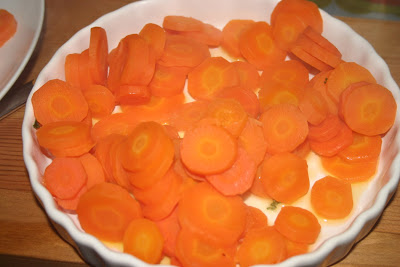
I particularly liked the phrase ‘carrots well boiled and buttered is a good dish for hungry or good stomachs’, so that is what I did to go with the jugged hare. It’s good to know that some things don’t change.

#220 Carrots in 1599. I’m not actually going to give a score for this as it’s not really a proper recipe (i.e. a total cop-out). However, I think it really highlights that we take much of our food for granted – not that there is anything wrong with that – and that people in other counties or times past view things in such a different and sometimes inspiring ways.

#187 Soyer’s Clear Vegetable Soup

I am still trying to count the pennies at the minute and this recipe was designed to be cheap to make as it is from Alexis Soyer’s book Shilling Cookery for the People (1845). I’ve mentioned Soyer before in the blog – he was a French chef who wanted to help the people and the book was one way. He was also a pioneer – he helped develop cooking on gas and ovens with adjustable temperatures. Anyway, I did baulk at this recipe: shilling cookery with veal in it!? However, I was wrong; I managed to get hold of a veal knuckle to make the soup for just 25 pence from the Orton Farmers’ Market. Bargain. You may have some reservations about eating veal, but these days you really don’t need to – I’ll discuss that in a later entry though.

I love how the book has two vegetable soup recipes and neither even entertain being vegetarian! Brilliant. We love Griggers!

To make this soup you need to begin by making a veal stock: You need to get hold of 2 pounds of veal knuckle – it seems that they are quite easy to get hold of as long as your butcher sells veal in the first place. Ask the butcher to chop it into small pieces – I couldn’t as I was at the market and had to do it myself which was a nightmare to do. Place the knuckle pieces in a large pan along with 2 ounces of butter; 2 ounces of chopped, lean unsmoked bacon; 3 teaspoons of salt; ½ teaspoon of ground black pepper; 6 ounces of sliced onion; and ¼ pint of water. Bring the water to a boil and stir the ingredients for around 10 minutes. An opaque whitish stock is created. Now add a further 4 ½ pints of water and bring to a boil, then skim, then simmer for 45 minutes. Strain the stock when cooked. You can do all this in advance, of course.

For the soup itself you need to dice some vegetables: around 8 ounces of turnip, Jerusalem artichokes or carrot, or a mixture; plus 3 ounces of mixed onion, leek and celery. Melt 2 ounces of butter or dripping in a pan and add the diced vegetables along with 2 teaspoons of sugar. Stir them until they caramelise and, when ready, add 3 pints of the stock. Simmer until the vegetables are tender. Lastly, stir through 2 tablespoons of chopped parsley or chives, or both. Serve with brown bread and butter.


#187 Soyer’s Clear Vegetable Soup. This was an unusual soup; I can’t decide if I liked it or not. I was a very thin soup that wasn’t hearty at all, so it didn’t fill any gap in my stomach! It was saved by the sweet vegetables and their caramelised coating that darkened the soup and made look quite attractive. Not sure if I’d make it again though – 5/10.

#185 Vegetable Soup

In case you didn’t know, ‘Thrifty’ is my middle name. Well ‘Skint’ is, at any rate and I’m ploughing through the cheaper of the recipes. This is not necessarily a difficult, but they also have to be healthy too as I’ve developed a bit of a man gut and my moobs are beginning to bud. This is not good.

Obviously the soups are a good target and this vegetable soup seems perfect. I have my own recipe for vegetable soup that I’ve put on the blog before and I think it’s pretty good, she has some interesting additions such as dill and allspice berries. Let’s see if Griggers does a better one…

An important point that Griggers makes is that you don’ have to stick to any particular strict rules with this kind of soup – any vegetables will do I think. Also, this recipe for vegetable soup is not vegetarian, but it could easily be adapted by omitting the meat and using vegetable stock.

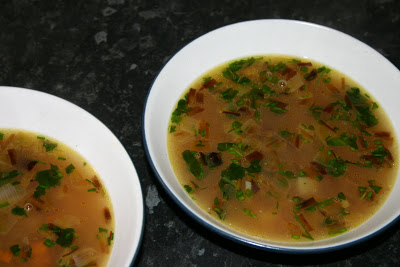
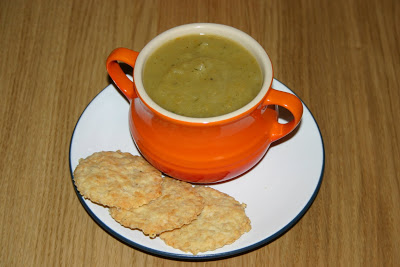
Begin by simmering a pound of sliced cabbage in 2 ½ pints of water or light stock along with 12 lightly crushed peppercorns, 6 crushed allspice berries and ½ pound of salt pork, smoked bacon joint or ham hock for 30 minutes. I would use just water if your using a hock with bone, stock otherwise. Now add 2 coarsely chopped carrots, 4 potatoes that have been peeled and cubed, 2 sliced leeks (or one leek and one onion) and a few lovage leaves (these are optional). Simmer for a further 30 minutes. Remove the meat and use it for another meal, or, as I did, chop it up and return it to the soup at the end. The soup needs to be blended now – don’t go mad with it, either pulse and partially liquidise it, or use a mouli-legumes. Found that one of those hand blenders is the best thing for this job. Finally, add one to two tablespoons of grated Parmesan, some dill (optional), cream (also optional) and season with salt, pepper and sugar. Griggers suggests eating the soup with fingers of cheese on toast or cheese and oat biscuits. I went with the latter (cheap and easy to make!).

#185 Vegetable Soup. I can’t believe I’ve not made this recipe yet! Well I have to say it beats my vegetable soup hands down. The soup is very hearty and the addition of the salty piquant cheese and the lemon-fresh dillweed really transform it into a pretty macho vegetable soup. 8/10.

#176 Samphire

I came across some marsh samphire in the fishmongers the other week – I had been looking for it previously and thought I would have to go to extreme lengths to get hold of it – I bought it, just in case I never came across it again. Luckily, Griggers mentions in English Food that samphire can be successfully frozen by blanching briefly and then popping into the freezer.

Samphire grows on the salty soil near the sea, and marsh samphire grows in salt marshes. The word samphire is a corruption of the French Saint Pierre, the patron saint of fishermen. He was obviously looking after them by providing the coastal veg. Samphire comes/came under several names: sea asparagus, glasswort (it was used in glass production), crab grass and frog grass. Keep a look out for it when you are near the sea – rock samphire grows well on Dover cliffs, but collecting it is a precarious activity – ‘a dreadful trade’, according to Shakespeare in King Lear. Best stick to the marshes, if you want to try and collect your own.

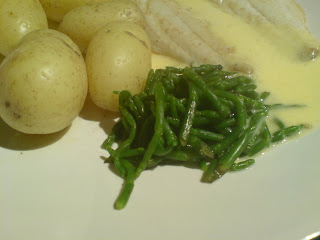
Samphire is dealt with in two ways: pickling or boiling. Boiled samphire is generally served as a vegetable with fish or lamb or with a hollandaise sauce (which I did, along with some pan-fried sea bass). To do this, boil rapidly in unsalted water until tender, this should be just five minutes. Drain and serve.


#176 Samphire. 5/10. It seems that the blanching and freezing technique is not as successful as indicated by Griggers; they were unfortunately left all soggy and not at all crisp and tender. The flavour however, was good; salty and sweet with a mild taste of ocean ozone. I think that I shall try it again but without freezing it this time.

#172 Cucumber Ragout

I chose this unusual recipe as the accompaniment to roast chicken – Griggers really bigs this “delicious” and “piquant” dish up and suggests eating it with chicken, veal or lamb. I had never eaten cucumber as a cooked vegetable before and was not feeling too hopeful about it (she bigged up the Mocha Cake and that was total crap!). However, a quick look in Larousse Gastronomique showed me that we English are missing out on something – there are loads of cooked cucumber recipes! Still dubious, I made it in advance so that if it did become watery pap, I could cook some peas and carrots to go with the chicken!

FYI: the word ragoût can mean two things: a stew (usually poultry or meat), or something usually a bit boring, tarted up into something delicious (from the French ragoûter, to revive the taste), which generally applies to vegetables, particularly if you are French.

Peel and slice two cucumbers and brown them in a wide saucepan with some butter. In a separate pan, brown two medium onions and brown those in some butter too. Place them to a saucepan and add 8 tablespoons of chicken stock and 3 tablespoons of dry white wine. Cover the pan and simmer until the cucumber is tender. Mash together 2 rounded teaspoons each of flour and butter and add it bit by bit into the cucumber mixture until it thickens into a sauce. Season well with salt, pepper and ground mace.

#172 Cucumber Ragoût. A revelation. I can’t believe how transformed the cucumber becomes once it is cooked. It is like an extra-tasty courgette. Why on Earth do we not as a nation cook with cucumbers? The same I suppose goes with lettuce, which is used extensively in French and Italian cookery. I say we should try and revive it. Give it a go, you shall not be disappointed.