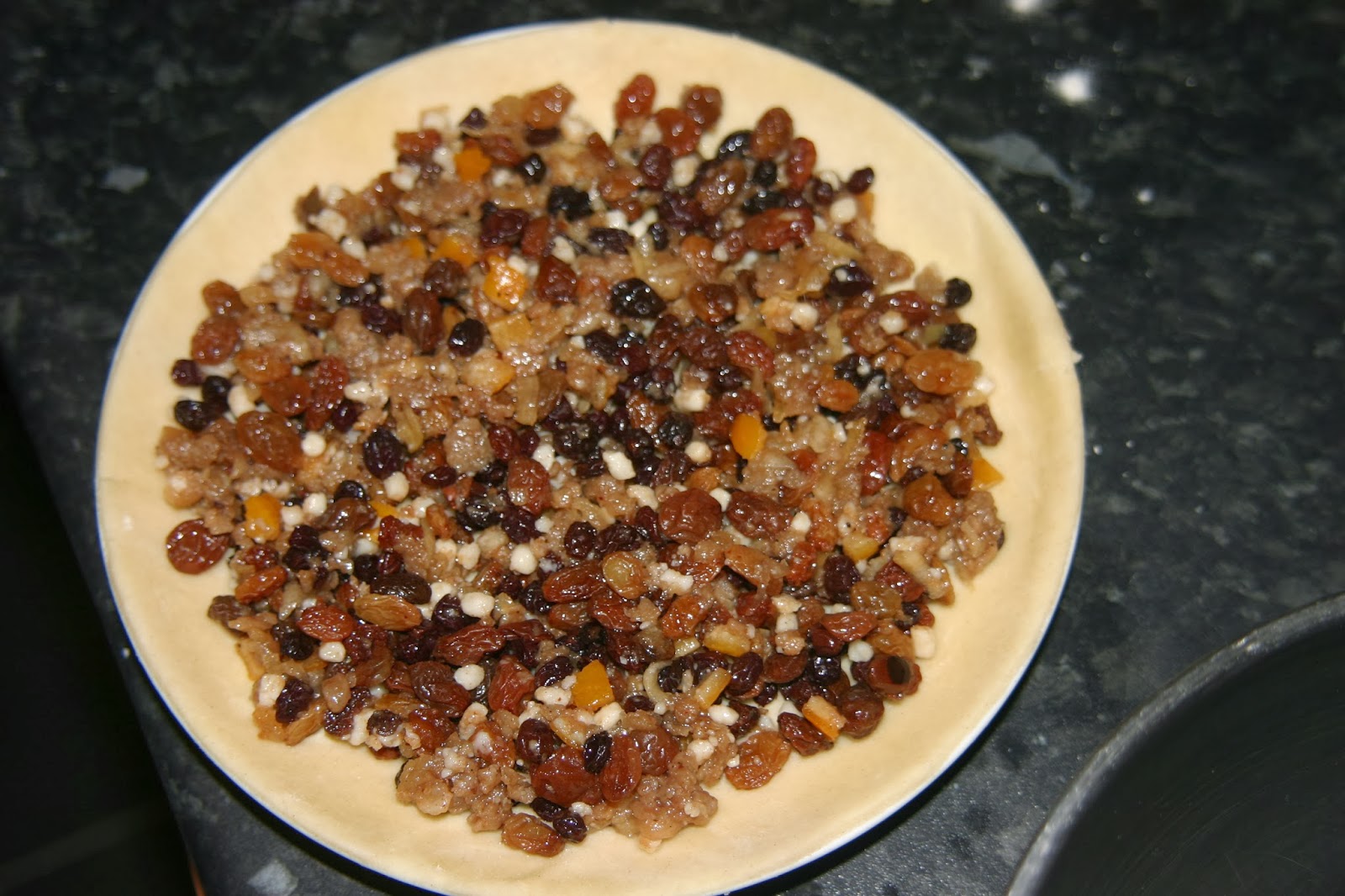
5.2: Lamb & Mutton – Completed!

Last year, I cooked my 447th recipe from Jane Grigsonโ€™s English Food (3rd edition). It was the superlative #447 Roast Saddle of Lamb, the last of the 16 recipes in the Lamb & Mutton section of the Meat, Poultry & Gamechapter.
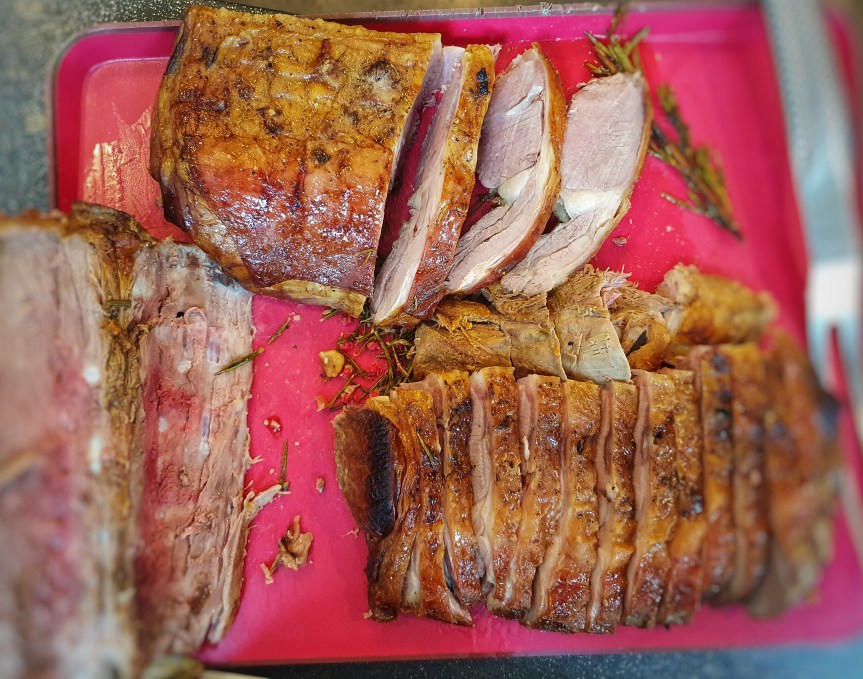
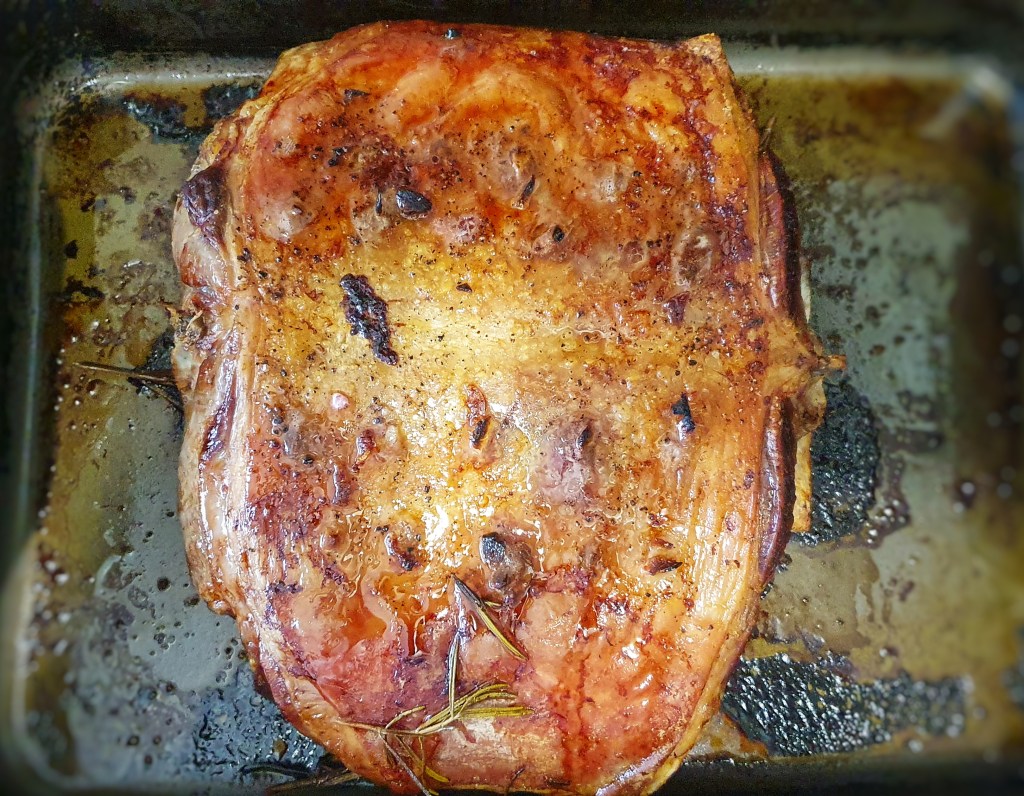
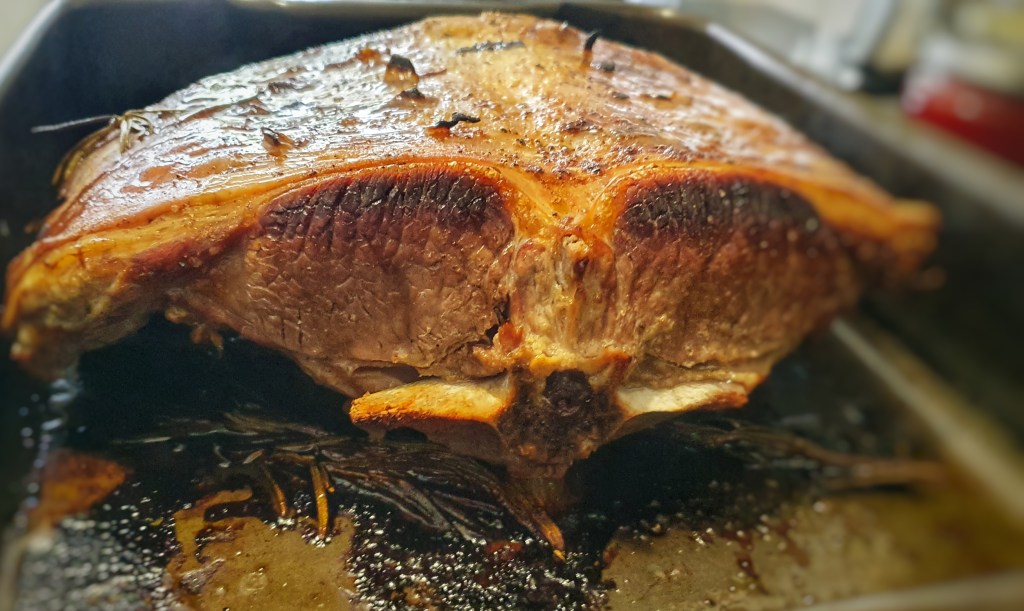
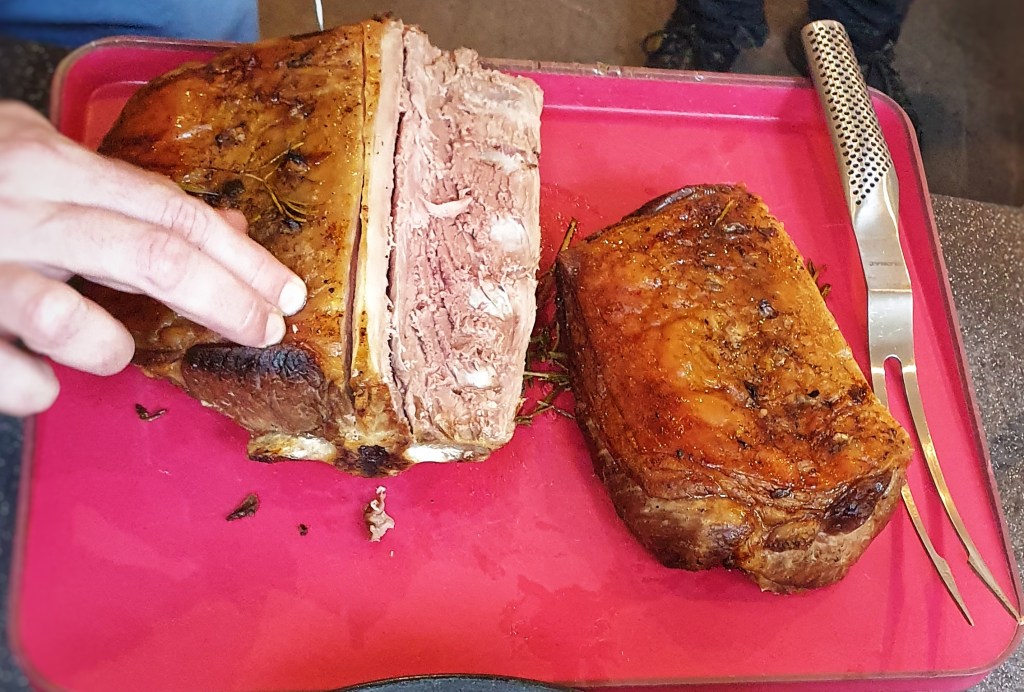
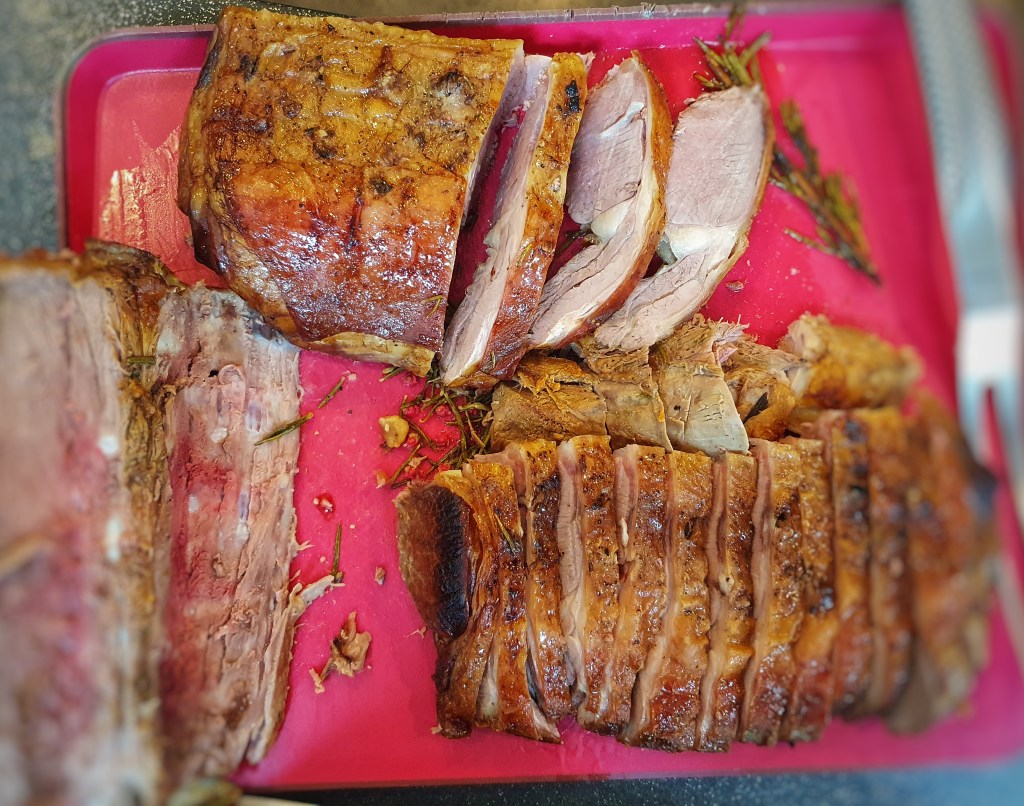
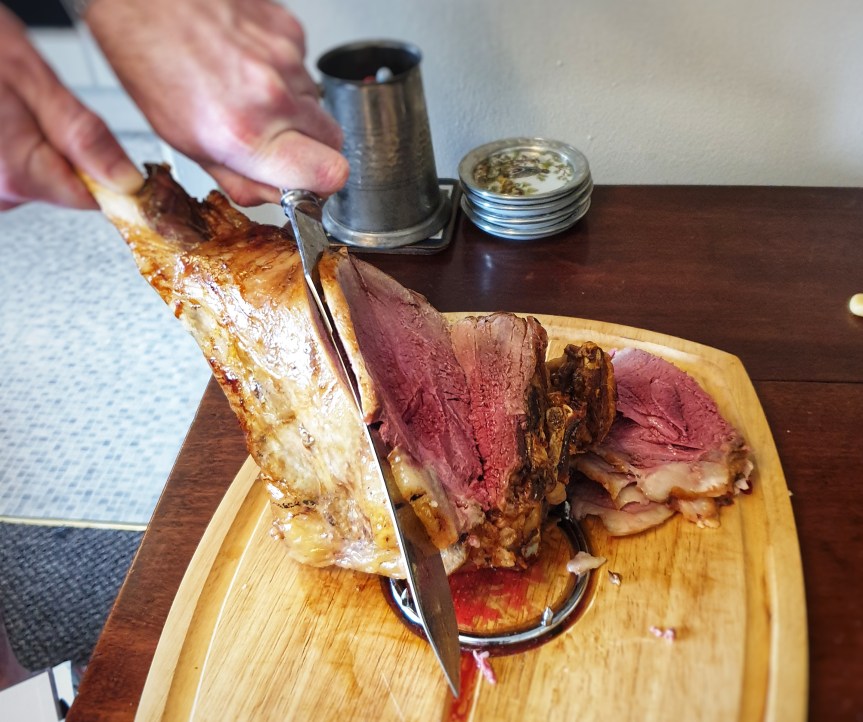
#447 Roast Saddle of Lamb. My carving skills are certainly improved since I started this project!

The recipes arenโ€™t being cooked at a particularly fast rate anymore because the ingredients are either difficult to find or are expensive to buy (or both). There are just three recipes left to cook from the whole book. If you are wondering, these are: Roach, Elvers in the Gloucester Style and Ptarmigan!

Looking back at the recipes that make up the Lamb & Mutton section, it occurred to me how formative they were โ€“ from both a personal and professional point of view. First of all, the vast majority of dishes were very highly received, and easily the highest scoring section of the Meat, Poultry & Game chapter (see the stats section below), and bearing in mind lamb had been pooh-poohed by my family as greasy, fatty and of bad flavour, I wasnโ€™t exactly primed to enjoy this batch of recipes.
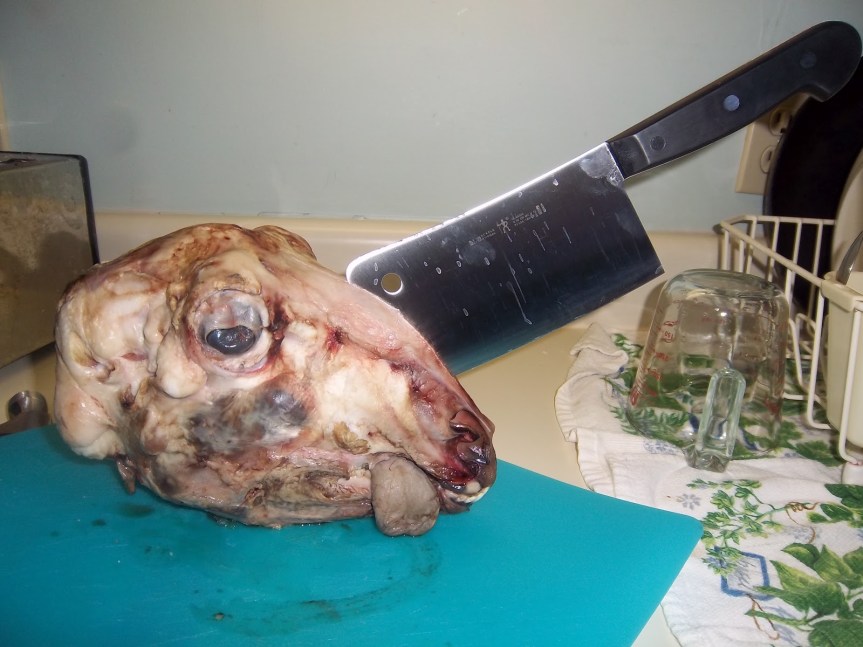
Possibly the goriest recipe in the book! #333 Lamb’s Head with Barley & Brain Sauce

Several years into the Neil Cooks Grigson project, when I had my burgeoning food business (The Buttery), I decided I should have a go at doing my own pop-up restaurant in my house,[1] I took inspiration from these recipes for the main course: the centrepiece was a boned saddle of lamb[2] with the blueberry sauce from #440 Primitive Lamb with Blueberry Sauce plus #379 Kidneys in their Fat as a garnish.

A few years later when The Buttery had become a proper bricks-and-mortar establishment, I revisited #188 Ragoรปt of Lamb and got it on the menu, and it went down very well indeed.
An English classic: #143 Boiled Leg of Lamb with Caper Sauce

The star recipe was discovered whilst puzzling over a menu for a private catering job. I decided to cook #404 Lamb (or Mutton) to Eat like Venison: a leg of lamb long-marinated in red wine and red wine vinegar, so that the meat was extremely tender and tasted like the best venison youโ€™ve ever eaten in your whole entire life. Astounding stuff. Other recipes to score full marks were #438 Plain Roast Primitive Lamb with Gravy and #400 Crown Roast of Lamb.

I also got the opportunity to discover some ingredients and dishes I probably never would have tried in other circumstances: the two primitive lamb recipes, the delicious combination of lamb and laverbread, and the rather challenging #333 Lambโ€™s Head and Barley, with Brain Sauce, which tasted good, and helped me to ditch my own prejudices regarding this sort of humble cookery.
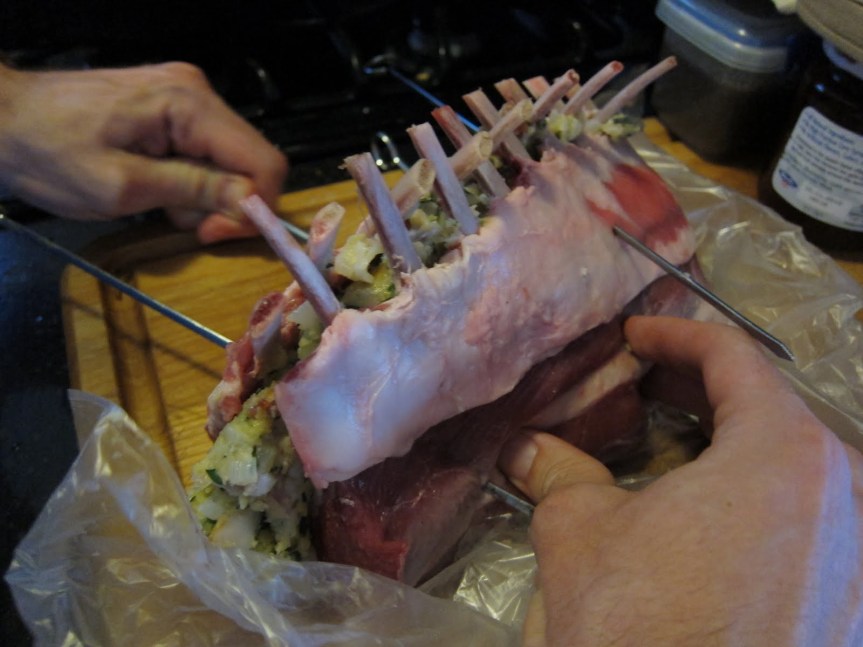
Constructing #305 Guard of Honour

The Lamb & Mutton section, then, was a great success and a source of inspiration, but what was Janeโ€™s opinion of lamb and mutton in England whilst she was writing and updating English Food in the 1970s, ’80s and ’90s? Typically, itโ€™s a mix of praise and frustration. Indeed, she opens the section thus: โ€˜First-class lamb has become a problem in England since the importation of cheap, refrigerated New Zealand lamb made it a meat for the most homely occasionsโ€ฆNowadays I sometimes conclude that our best lamb all goes to Franceโ€™. But Jane is not totally filled with pessimism, adding โ€˜[h]owever, perseverance and a certain obstinacy should lead you to a butcher who can supply local or at least very good English lamb.โ€™ Her favourite was actually Welsh mountain lamb. She also gives a special mention to the Rare Breeds Survival Trust, not just for saving breeds of sheep on the brink of extinction, but for making them economically viable to farm and sell. I echo this gratitude.


If you can support the podcast and blogs by becoming a ยฃ3 monthly subscriber I would be most grateful! Subscribing means unlocking lots of premium content, including bonus blog posts and recipes, access to the Easter eggs, a monthly newsletter and the secret podcast. Alternatively, you could treat me to a one-off virtual pint or coffeeย Click here for more information.


The Stats

When I complete a section or a chapter of the book I like to give you the stats for the section. So here goes with Lamb & Mutton: in short it has been the most popular part of the Meat, Poultry & Game chapter with a mean score of 8.47 and a median of 8.5. Most interesting, though, is that it has a mode of 10 โ€“ the only other category to receive full marks for its modal score is Stuffings.

Below, I have listed the recipes in the order they appear in the book with links to my posts with their individual scores, so have a gander. It is worth pointing out, that my posts are no substitute for Janeโ€™s wonderful writing, so if you donโ€™t own a copy of English Food, I suggest you get yourself one.

#447 Roast Saddle of Lamb 9.5/10

#299 Leg of Lamb Stuffed with Crab 7/10

#404 Lamb (or Mutton) to Eat like Venison 10/10

#188 Ragoรปt of Lamb 7.5/10

#143 Boiled Leg of Mutton (or Lamb) with Caper Sauce 7.5/10

#243 Spiced Welsh Mutton โ€˜Hamโ€™ 8.5/10

#191 Lamb with Plums 8/10

#175 Shoulder of Lamb with Rice and Apricot Stuffing 9/10

#440 Primitive Lamb with Blueberry Sauce 9.5/10

#438 Plain Roast Primitive Lamb with Gravy 10/10

#353 Roast Rack of Lamb with Laverbread 9/10

#305 Guard of Honour 8.5/10

#400 Crown Roast of Lamb 10/10

#115 Lancashire Hot-Pot 6.5/10

#333 Lambโ€™s Head and Barley, with Brain Sauce 6.5/10

#379 Kidneys in their Fat 8.5/10


Notes

[1] There would be 10 pop ups in all as well as several โ€˜Pud Clubsโ€™. I shoved all my furniture upstairs and brought in tables and chairs. For my efforts, I was nominated for a Manchester Food & Drink Award. They were exciting times.

[2] Because it was boned, I didnโ€™t count the roast saddle of lamb recipe to be officially ticked off โ€“ Jane is very clear that a saddle of lamb should be cooked on the bone.
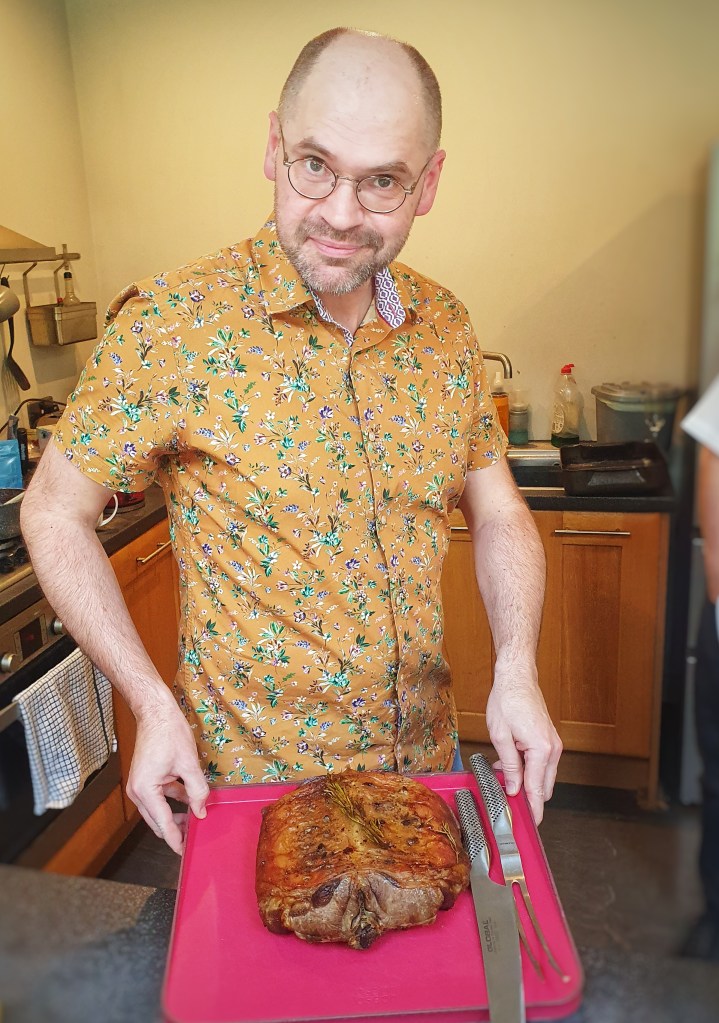
#447 Roast Saddle of Lamb

Itโ€™s been two years since I last posted a recipe on here! I can only apologise. This recipe really should have been cooked long ago. There were two reasons I put it off: First, according to Jane, the gargantuan joint feeds 10 to 12 people, and comes in at a weighty 9โ€“12 lbs / 4 ยฝ -6 kilos. I have done many Jane Grigson-themed dinner parties in the past, but never one that could feed 12. That said, I did cook a saddle of lamb for my very first pop-up restaurant in 2013, but that was off the bone and dressed for easy carving. For this recipe, Jane insists upon bone-in. The second reason was that I assumed the cut she describes was too arcane. She tells us โ€˜[t]he butcher will have prepared the saddle by slitting the tail and curving it over, with the two kidneys between the tail pieces and the saddle.โ€™ She goes on: โ€˜for this kind of high-class butchery it is wise to go to an experienced man of mature years and if his father was a butcher before him, so much the better.โ€™

I asked several butchers, and they all thought it odd I was asking for a saddle on the bone, and none quite understood Janeโ€™s description.

Frustrated that I couldnโ€™t get a handle on Janeโ€™s description, I hit the books. The Constance Spry Cookery Book (1956) tells us a saddle of lamb is made of the โ€˜two loins together from ribs to tail.โ€™ Going back in time a few decades, Charles Francatelli (1907) describes no fewer than six recipes for saddle of lamb, all of which ask for a boned, rolled saddle. He does mention a baron of lamb made up of back, rumps and tops of legs, which seems too far the other way! Beetonโ€™s Book of Household Management (1861) doesnโ€™t describe the joint, but it does tell us that โ€˜the joint is very much in vogueโ€™. There is an illustration, but it is so small in my first edition transcription that it is of little use. Lastly, Eliza Acton, writing in 1845, provides a recipe but again provides no explanation of the meat itself โ€“ everyone is assuming we all know what a saddle of lamb should look like, it seems.

I settled upon ordering a saddle from Hopkinsonโ€™s of Lymm, a great butcher who talked me through the butchering process. The tail piece wasnโ€™t there, but thatโ€™s okay. It would serve eight looking at it, and that was the number of folk I would be feeding, so I was very happy.

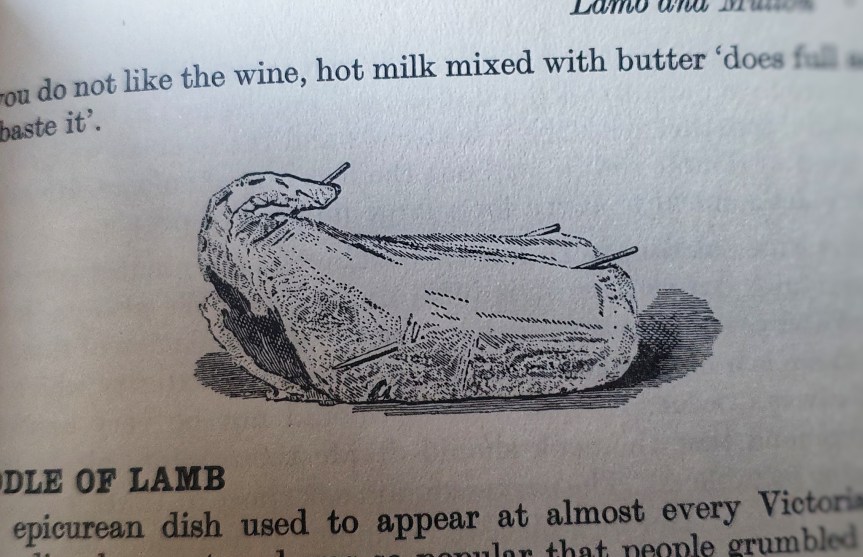
The missing piece – the saddle of lamb as shown in Sheila Hutchins’ English Recipes (1967)

It was only after I had cooked the joint and started researching for this post that I found some more information, and it was with the pages of Sheila Hutchinsโ€™ English Recipes (1967) that I had a eureka moment, because there is a lovely, clear illustration of the joint. Rats! Itโ€™s always the way. She also tells us that โ€˜[t]his epicurean dish used to appear at almost every Victorian and Edwardian banquetโ€™, but โ€˜inevitablyโ€™ became a middle-class aspiration.

Going by this new evidence, I was happy that my saddle was essentially a neatened and slightly over-trimmed version of the joint Jane wanted us to cook.


If you can, support the podcast and blogs by becoming a ยฃ3 monthly subscriber, and unlock lots of premium content, including bonus blog posts and recipes, access to the easter eggs and the secret podcast, or treat me to a one-off virtual pint or coffee: click here.


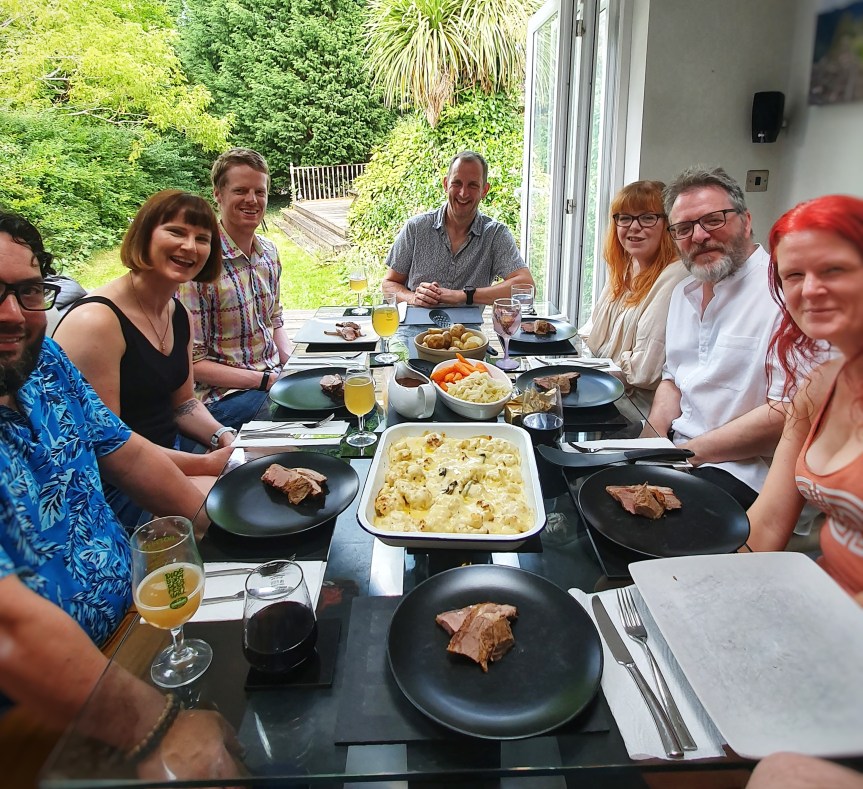
And so, I cooked the saddle for three Grigson dinner party stalwarts: Nic Alden, Simone Blagg and Anthea Craig. There were eight of us in all โ€“ a huge thank you to Simone for hosting the meal. My teeny flat couldnโ€™t hold more than four people! Have a listen to this podcast episode about past Grigson dinner parties to hear us discussing the low and high points of parties past:

Say cheese, everyone!

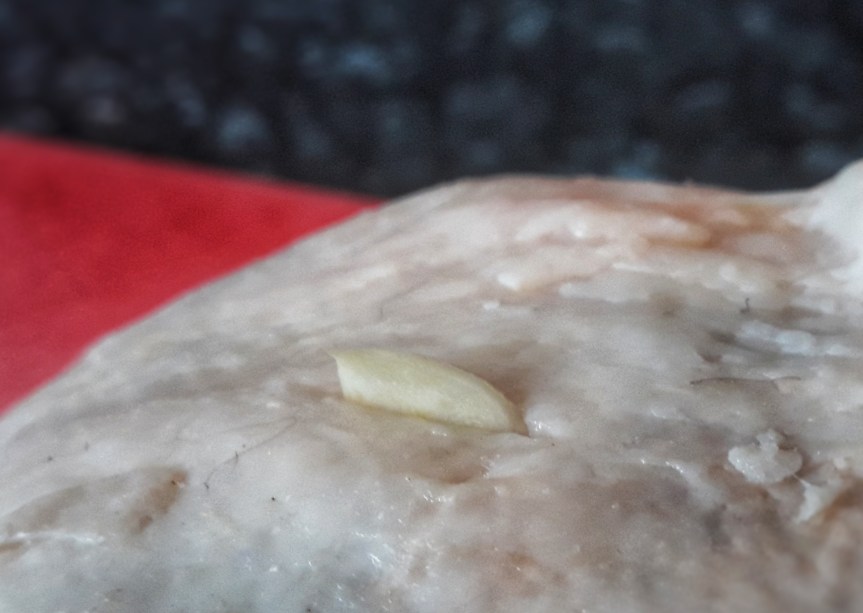
To roast the lamb, first preheat the oven to 190ยฐC. Then, rub all over with salt, pepper and thyme leaves. If you like, insert thin slivers of garlic into the meat, and then brush it with a little melted butter.

Now I didnโ€™t follow Janeโ€™s exact cooking instructions because my joint was lighter than the one she described. If yours does weigh in at her size, roast it for 2ยฝ hours, basting it with a quarter of a pint of port or red wine. Keep basting with the wine and juices every 30 minutes or so. Then, in the final 30 minutes, dredge it with a scattering of flour and dribble on a little more melted butter.

My joint weighed in at 2 kg, so I did the same as Jane describes, except for two things: because the joint wouldnโ€™t be in the oven as long, I preheated it to 230ยฐC, roasted it for twenty minutes, and then turned it down to 190ยฐC, and roasted it for 1 ยผ hours. As it turned out, it was perhaps in the oven too long, because there was just the merest sign of pinkness. Sixty or sixty-five minutes would have been better to suit my tastes.

Remove the meat from the oven and keep warm as you prepare the gravy: make a roux by cooking an ounce of butter in a saucepan until it turns golden brown, then stir in a tablespoon of flour. Mix and cook the roux out for a few minutes, then pour in the cooking juices (skim away the fat first). Deglaze the roasting pan with ยพ pint of lamb stock โ€“ made either from the trimmings or from a good preparatory brand โ€“ and add to the gravy. Add the liquids in stages to avoid lumps. Season with salt and pepper. Strain into a gravy jug.

Carving the saddle was easy: I cut down the sides of the backbone and then the ribs, pulling away the carved meat with one hand, keeping it taut, making for easier cuts against the ribs. Then it was a simple case of slicing it up.

I also served it with Janeโ€™s excellent blueberry sauce.

#447 Roast Saddle of Lamb. What a delicious piece of meat! Iโ€™ve cooked racks of lamb several times now, but roasting them in one large piece like this was quite something โ€“ one thing I have learned is that the tenderest roasts are made with the large pieces of meat. I heartily recommend roasting a saddle of lamb on the bone. The only issue was that I slightly overcooked it (to my taste at least). I therefore will knock off half a mark: 9.5/10.
References

Acton, E. (1845) Modern Cookery For Private Families. Quadrille.

Beeton, I. (1861) The Book of Household Management. Lightning Source.

Francatelli, C.E. (1906) The Modern Cook. Macmillan and Co. Ltd.

Grigson, J. (1992) English Food. Third Edit. Penguin.

Hutchins, S. (1967) English Recipes, and others from Scotland, Wales and Ireland as they appeared in eighteenth and nineteenth century cookery books and now devised for modern use. Cookery Book Club.

Spry, C. and Hume, R. (1956) The Constance Spry Cookery Book. Weidenfeld and Nicholson.

#440 Primitive Lamb with Blueberry Sauce

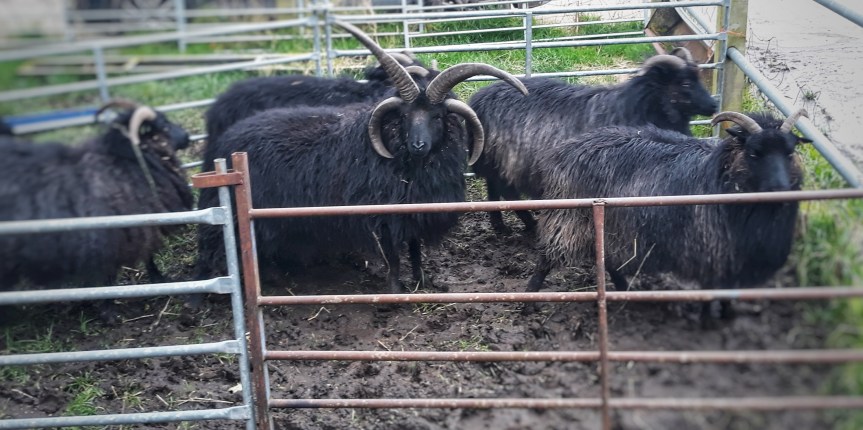
Hereโ€™s the second of the two recipes in English Food that uses primitive lamb. Regular followers will know that I acquired two legs of Hebridean hogget earlier this year. A hogget is a sheep thatโ€™s too old to be lamb, but not yet considered mutton. It was wonderful to go to the farm and chat with Helen, the farmer who works so hard to keep this rare and primitive breed alive and kicking. Hereโ€™s the episode of my Lent podcast that included my interview with her :

Primitive breeds such as the Hebridean need help: help from specialist farmers and help from us, because they wonโ€™t survive if there is no demand. Primitive breeds are excellent for the smallholder โ€“ they are small and easy lambers, meaning their husbandry is much less stressful than large commercial breeds with their giant lambs! They have great character too: they are brighter and are excellent foragers that display more natural behaviours. If I ever get a bit of land, I will definitely be getting myself a little flock.

In that episode we focus on the one breed, but I thought Iโ€™d give a mention to the other primitive breeds just in case you are thinking about getting hold of some. Aside from the Hebridean there are the Soay, Manx Loaghtan, Shetland, Boreray and North Ronaldsay. They all belong to the Northern European short-tailed group, and they were probably brought to the Outer Hebridean islands by Norse settlers. They are small, very woolly and extremely hardy sheep. The islands upon which they were found were the St Kilda archipelago, and had been there since the Iron Age. Some moved and adapted, the Manx Loaghtan obviously went to the Isle of Man, but some remained on the islands and adapted too. The North Ronaldsay, for example, lives on the small rocky northernmost islands and has become a seaweed-grazing specialist.

Of all the breeds, the Soay sheep are considered to be the most like their ancestors, and it is found on several islands in the archipelago. On the island of Herta, a feral population of around 1500 was discovered; their name is befitting because Soay is Norse for sheep island.

A plane’s view of the islands (pic: Flying Fish World)

This recipe is exactly the same as the other one except the lamb is served with a blueberry sauce rather than a gravy. Although we are at the tail-end of the blog, I actually made this sauce for my first ever pop up restaurant all the way back in 2013 which took place in my little terraced house โ€“ a lot has happened since then, thatโ€™s for sure! It sounded so delicious I couldnโ€™t wait until I found some primitive lamb. The usual fruit to serve with lamb is of course the tart redcurrant, usually in jelly form. Blueberries are usually sweeter than currants, but Jane is not daft and makes up for it with the addition of a vinegar syrup.

And, if you are thinking this is some kind of American abomination, donโ€™t be so sure: although all of the blueberries we buy in  shops are undoubtably American varieties, donโ€™t forget its close relative, the more humble blaeberry, which I suspect is what the lamb would have been served with. Itโ€™s appeared in the blog before, and scored full marks: #xxx Blaeberry Pie

Anyway, enough waffle: hereโ€™s what to do:

Roast the lamb or hogget as described for #438 Plain Roast Primitive Lamb with Gravy, but instead of making the gravy start to make this blueberry sauce as it roasts:

In a saucepan simmer eight ounces of blueberries with ยผ pint of dry white wine, ยผ pint of lamb stock and a tablespoon of caster sugar. Remove a couple of dozen of the best berries for the garnish and blitz the remainder in a blender and pass through a sieve.

Dissolve 2 teaspoons of sugar in 6 tablespoons of white wine vinegar in a small saucepan and boil down until quite syrupy, then add to the blended berries along with some finely chopped mint or rosemary. Set aside and return to it when the roast had been taken out of the oven.

Skim any fat from the meat juices and pour them into the blueberry sauce. Reheat and add some lemon juice โ€“ I used a little shy of half a lemon here โ€“ and then season with salt and pepper, and even sugar if needed. When ready pour into a sauce boat, not forgetting to add in the reserved berries.

#440 Primitive Lamb with Blueberry Sauce. Well you wonโ€™t be surprised that this was, again, delicious, how could it not be? I did a better job of roasting it this time I feel. I really enjoyed the blueberry sauce and it went very well with the slightly gamey meat. I think I may have preferred the plain gravy to the blueberries though, but thereโ€™s not much in it. Because of this doubt, I am scoring it a very solid 9.5/10

P.S. The leftovers made an excellent #84 Shepherdโ€™s Pie.

Refs:

โ€˜British Rare & Traditional Sheep Breedsโ€™ The Accidental Smallholder website: www.accidentalsmallholder.net/livestock/sheep/british-rare-and-traditional-sheep-breeds/

โ€˜Soayโ€™ RBST website www.rbst.org.uk/soay

โ€˜Manx Loaghtanโ€™ RBST website www.rbst.org.uk/manx-loaghtan

โ€˜Hebridean Sheep Characteristics & Breeding Informationโ€™ Royโ€™s Farm website: www.roysfarm.com/hebridean-sheep

โ€˜About Shetlandsโ€™ North American Shetland Sheepbreedersโ€™ Association website: www.shetland-sheep.org/about-shetlands/

โ€˜The Origins of Registered Boreray Sheepโ€™, Sheep of St Kilda website: www.soayandboreraysheep.com/

โ€˜Borerayโ€™ RBST website: www.rbst.org.uk/boreray-sheep-25

โ€˜North Ronaldsayโ€™ RBST website: www.rbst.org.uk/north-ronaldsay

#438 Plain Roast Primitive Lamb with Gravy

This is a recipe I have been waiting over a decade to make, but patience is a virtue and I have finally been able to cook it; after years of searching farmersโ€™ markets and emailing farmersโ€™ websites, I finally found someone who farms primitive sheep breeds. Hereโ€™s what happened.

If you donโ€™t follow the other blog, you might not realise that I have been making a podcast about Lent and for the final episode, I wanted to cook some lamb as it would be in keeping with the Lenten theme. So, I got it into my head that it had to be from a primitive breed of sheep. After a surprisingly short internet search and some inquiring emails, I found Helen Arthan, a farmer of rare breed sheep and cattle, and she kindly agreed to take part in the podcast, so off I went to her beautiful farm in the Cheshire countryside.

There are several primitive breeds of sheep still being farmed, and Helen kept one of the oldest โ€“ Hebridean sheep โ€“ which descend from Viking stocks. Rather than tell you about these beautiful and characterful animals here, I am going to send you in the direction of the podcast episode to hear about it yourself instead; so here it is:

There are two recipes that use primitive lamb in English Food, thereโ€™s this one where it is roasted and served with a simple gravy and the other is the same but served with a blueberry sauce. I had my heart set on the latter, but then thought I should cook it plain and simple the first time, so I could really appreciate the flavour of the meat. Luckily for me, Helen gave me two legs, so I shall be posting the other recipe soon. Itโ€™s just like buses isnโ€™t it? You wait ten years for primitive lamb legs and then two come along at once.

I cooked up the hogget for my friends Kate and Pete who both helped me out in the first two episodes of the podcast and are long-time Grigson blog supporters. It seemed only right I should make it for them.

In Janeโ€™s recipe, she roasts two lamb legs together because they are rather small. However, Helen gave me hogget โ€“ a slightly older and therefore larger animal โ€“ which is similar in weight to a regular lamb leg. In fact, one stocky hogget leg weighed more than Jane said two lamb legs would weigh.

Iโ€™m going to give two methods for cooking the meat: the lamb version that Jane gives for roasting two small lamb gigots (legs) weighing a total of 6 or 7 pounds, and another that I use for one large leg that is more typical in size, like you would get from a regular butcher.

Before you start, set the oven to 230ยฐC and prepare the leg or legs โ€“ this stage is the same for either method.  Take a clove of garlic for each leg, peel and slice as thinly as possible. Then, using a small pointed knife, stab the legs, placing a slice of garlic in each one. If garlic isnโ€™t your thing, you could just sit a sprig of rosemary on it. Thereโ€™s nothing stopping you doing both of course.
Rub in plenty of coarse sea salt and black pepper, sit the leg or legs on a trivet sat inside a roasting pan. Allow to sit for 30 minutes before roasting.

If cooking two small legs: place in the oven and cook for 15 minutes, then turn the heat down to 180ยฐC and cook for 20 minutes more. Remove the lamb legs and check they are done by inserting a skewer or a temperature probe. The temperature should feel warm, around 55ยฐC. Allow the meat to rest.

If cooking one larger hogget (or regular lamb) leg: weigh it before placing in the oven and calculate the cooking time. 12 minutes per pound/450 grams is what you want if you want rare meat, and 14 minutes per pound/450 grams if you want just pink, medium meat. Place in the oven and roast for 15 minutes, then turn the heat down to 160ยฐC for the remainder of the cooking time. Remove the meat and allow to rest.

To make the gravy: skim off the fat from the pan juices; you donโ€™t have to be too fastidious. Put the pan over a hob and scatter two teaspoons of plain flour or cornflour and stir in using a wooden spoon or small whisk, making sure you get the crusty bits from the bottom. You donโ€™t have to add the flour if you prefer a thin gravy. Pour in a glass of wine โ€“ either red or white wine go well with lamb. If using red add half a pint of lamb (or beef) stock, if using white add the same amount of chicken stock. Allow to cook for a couple of minutes before straining into a gravy jug.

Serve the lamb with #306 Mint Sauce or #422 Peppered Redcurrant Jelly, says Jane. I decided on the former (because her recipe is excellent) as well as some roast potatoes, roast parsnips and some purple sprouting broccoli. For more guidance as to what is traditionally served with roast lamb, follow this link.
#438 Plain Roast Primitive Lamb with Gravy. This was sublimeโ€ฆthe meat was so tender and well-flavoured, though not strong in lamby flavour as one might expect. The meat was so tender and was delicately flavoured from the garlic. Iโ€™m very glad I decided to cook it with just a gravy made from its own juices and some stock โ€“ I really got to appreciate the hogget without any blueberry distraction. As per usual when a dish is this good and Iโ€™m with friends, I completely forget to take decent photographs! I will make sure I do when I make the blueberry version. I cannot recommend highly enough, if you ever see some, buy it. 10/10.

#416 Cumbrian Tatie Pot

I recently made to visit to my friends in their 18th century house in Mallerstang, Cumbria and have been meaning to bring the ingredients up with me to make this dish. Itโ€™s one of those lamb, onion and potato based meals you find in the North of England such as Lancashire Hot Pot and Lobscouse, or indeed Irish stew and Scotch broth. It mysteriously appears in the Meat Pies & Puddings section of the Meat, Poultry & Game Chapter.

Mallerstang is a beautiful, slightly bleak, hamlet close to Kirkby Stephen. It sits at the foot of Wild Boar Fell, and there are the remains of a mediaeval castle which is flanked by the sparkling River Eden. Itโ€™s an amazing place that is seemingly trapped in time; I recommend a visit.

Cumbrian Tatie Pot is one of those rare dishes in England that mixes its meats, something more common on Continental Europe. โ€œThe recipe in slightly different form appears in various books of Lakeland cookeryโ€, says Jane, โ€œand often the beef is described as โ€˜optionalโ€™ โ€“ which it most definitely is not. It makes the character of the dish. So resist the national tendency to leave it out.โ€ You have been told. ย I found several recipes on the Internet, and none of themhad beef on their ingredient lists.
โ€œTatie Potโ€, she goes on to say, โ€œis very much a dish of communal eating, at village get-togethers, or at society beanosโ€ฆThere is always a certain rivalry to see whose version is the best.โ€ Well I was driving up for a get-together and it was Cumbrian and it looked like the perfect dish to cook in a kitchen equipped with an Aga. What could possibly go wrong?

The first thing you need to do is get hold of the meat; youโ€™ll need 2 pounds of either scrag end (often called round of lamb/mutton these days) or best end of neck off the bone and 2 pounds of shin of beef. Make sure you ask for the bones as well as some extra ones, if the butcher has some. Whilst youโ€™re in the butcherโ€™s shop get yourself a nice black pudding.

When you get home, use the bones and some stock vegetables and herbs, plus a little wine if you have it, to make a good stock. As I was cooking on an Aga, I could get it simmering on the hot plate before popping it in the cool oven overnight. Hereโ€™s a post from the other blog on stock-making, if youโ€™re not used to making them.

Cut the meats into good-sized pieces and coat them in some well-seasoned flourand arrange the pieces in a wide roasting pan. Scatter over the meat six level tablespoons of mixed, dried pulses(e.g. split peas, pearl barley, red lentils). In the original recipe, Jane says to soak them overnight, but with todayโ€™s dried pulses there is no need for this step. Chop two large onions and slice the black pudding into half-inch slices and disperse these evenly, tucking the black pudding between pieces of meat. Season.

Next, peel around three pounds of potatoes and quarter them lengthways. Arrange them on top with their rounded sides pointing upwards. Season well.

Skim the stock of fat and warm it up then pour it over so that it comes halfway up the spuds. Bake at 200โฐC for four hours, topping up the stock with more stock or water, so that the potatoes get a good, dark, crunchy top. As I was cooking on an Aga, I put the tatie pot in the hot oven for two hours and then in the cool oven until everything was nicely cooked and unctuous. The hot oven was rather hotter than expected and the potatoes were perhaps a little darker and crunchier than expected, but never mind, this is country cooking.

#416 Cumbrian Tatie Pot. Even though those potatoes were a little on the burnt side, they did not detract from the fact this was an absolutely delicious dish. The long and slow cooked meat was as soft as butter, the pulses gave body and nuttiness and it was a delight to discover a piece of melting black pudding every now and again. This is definitely going to appear on a future menu; simple and excellent food that sticks to your ribs: 9.5/10

#404 Lamb (or Mutton) to Eat as Venison

All the way back in November, I was asked to cater for a dinner party; a very special one because it had the most interesting brief. A seven-course dinner was required where each course represented a different time in history.

For the Georgian course, I went straight to my favourite book from that time period The Experienced Housekeeper by Elizabeth Raffald (1769). Flicking through the pages, I happened upon a recipe To dress a Leg of Mutton to eat like Venison. It required you to โ€˜[g]et the largest and fattest leg of mutton you can get cut out like a haunch of venison as soon as it is killed, whilst it is still warm.โ€™ It then goes on to tell you to โ€˜remove the bloody veinโ€™ and then marinade the thing in wine, dry it, and to roast it in pastry. I was intrigued, but it was obviously unachievable. Looking in other books, I found many versions of it, sometimes roasted, sometimes braised, but always marinated in red wine (and often in the blood of the beast too!). I knew the recipe looked familiar, and it finally dawned on me that a recipe for it appeared in good old English Food by good old Jane Grigson.

Thereโ€™s a 4 day marinating time for this recipe, so plan ahead if you fancy making it โ€“ and I really suggest you do; see my review of the recipe below.

Start off by making the marinade: dice up 5 ounces each of onion, carrot and celery, chop 3 cloves of garlicand brown them in a couple of tablespoons of oil, such as sunflower or rapeseed. Take your time over this and get them good and brown; the veg wonโ€™t be in the final dish, but its flavour will be. Let it cool.


Now mix the cooled, browned vegetables with the following:

1 bay leaf
2 good sprigs of thyme
4 sprigs of parsley
2 sprigs of rosemary
8 crushed juniper berries
8 crushed coriander seeds
10 crushed black peppercorns
3 tsp salt
1 (UK) pint red or dry white wine, or dry cider

ยผ (UK) pint of red or white wine vinegar(and, though not on the ingredients list, cider vinegar, if going down the cider route)


Now tackle the meat. Use a full leg of lamb or mutton, I went for the latter. It was huge, so I increased all the above values by a half. All you need to do it score the fat into a diamond pattern, like you would do for a ham. Find a large, deep dish or pot and place the lamb inside and pour over the marinade. Make sure the whole leg gets the marinade on it, so turn it over a few times. Keep the leg somewhere cool โ€“ a fridge, or a nice cool cellar or pantry โ€“ and cover it with foil. Turn it twice a day for four days.

When the four days is up, get a new set of vegetables ready. Slice 2 onions, 2 carrots, 2 leeks and chop 2 sticks of celery. Also chop up 8 ounces of unsmoked (โ€˜greenโ€™) streaky bacon. Brown all of these in a couple of ounces of butter.ย 


Spread the vegetables over the base of a deep roasting tin, place the leg on top and strain the marinade over it. Top up the marinade liquid with veal stock so that it comes up two-thirds of the way up the tin. You donโ€™t actually need to use veal stock; chicken stock or water would do, I am sure. However, if you want to make your own, look here for my recipe for it from the other blog). Cover with more foil.


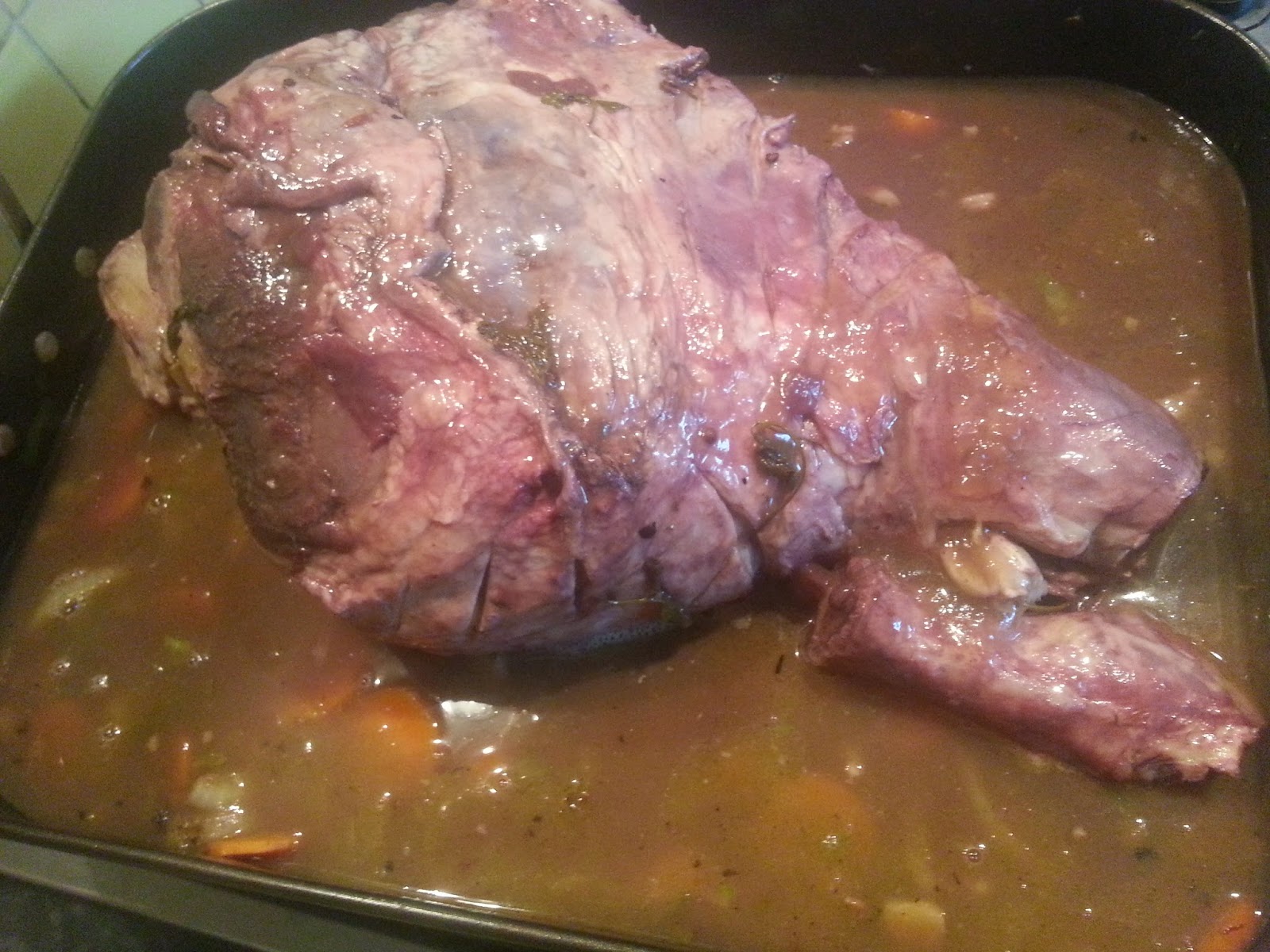
You have two choices now: either bring the whole thing slowly to boil and simmer gently for 2 hours on the hob, or bring to simmer and pop it in a cool oven instead, 150โฐC will do it. If you are using mutton, you need to cook the leg for another hour or even 90 minutes. Turn the joint over after one hour and in the final thirty minutes, ladle out 2 pints of the cooking liquid and boil it down hard to make a concentrated, richly flavoured stock.

When the cooking time is up, remove the leg and put it into another roasting tin and turn the oven up to 220โฐC. Roast for a good 20 minutes and baste well with the concentrated stock to achieve a nice glaze.


Jane suggests serving with gravy made with the pan juices and reduce stock and the usual lamb/mutton accoutrements. See here for a post all about that. I actually served it with a ‘Lenten Pie’, from Raffald’s book. At some point I will blog each course on the other blog.

Jane points out that you do this recipe with a leg or pork and magically transform it into wild boar.

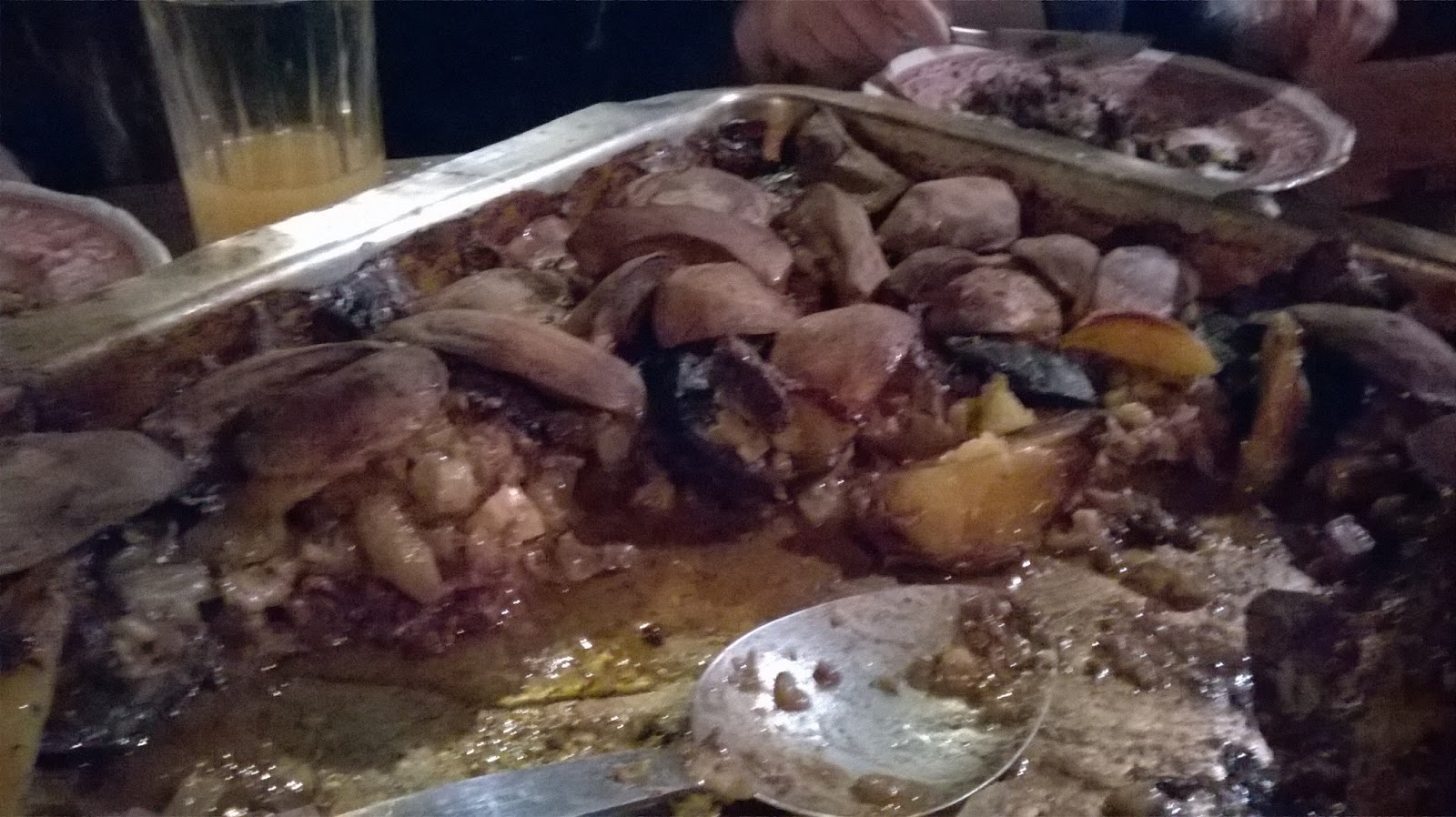
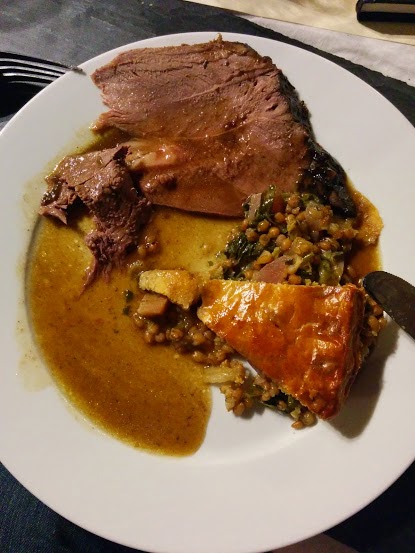
#404 Lamb (or Mutton) to Eat as Venison. Oh my goodness, this may simply be the single most delicious thing I have ever cooked! First of all, it tasted exactly like venison; beautifully gamey, but with the moist succulence you would expect from lamb or mutton. It was transformed! There must be some kind of witchcraft afoot. I was amazed, and luckily so were my diners! I cannot recommend this more highly, absolutely bloody brilliant. 10/10.

#403 Raised Mutton Pies

Just a quickie from theMeat Pies &Puddings part of the Meat, Poultry & Game Chapter:

This is the last of the raised pie recipes in English Food. Itโ€™s a little different in that you donโ€™t need to make a jellied stock like the others, but a gravy made from mutton bones.

If you canโ€™t get hold of mutton, then lamb will do just as well.

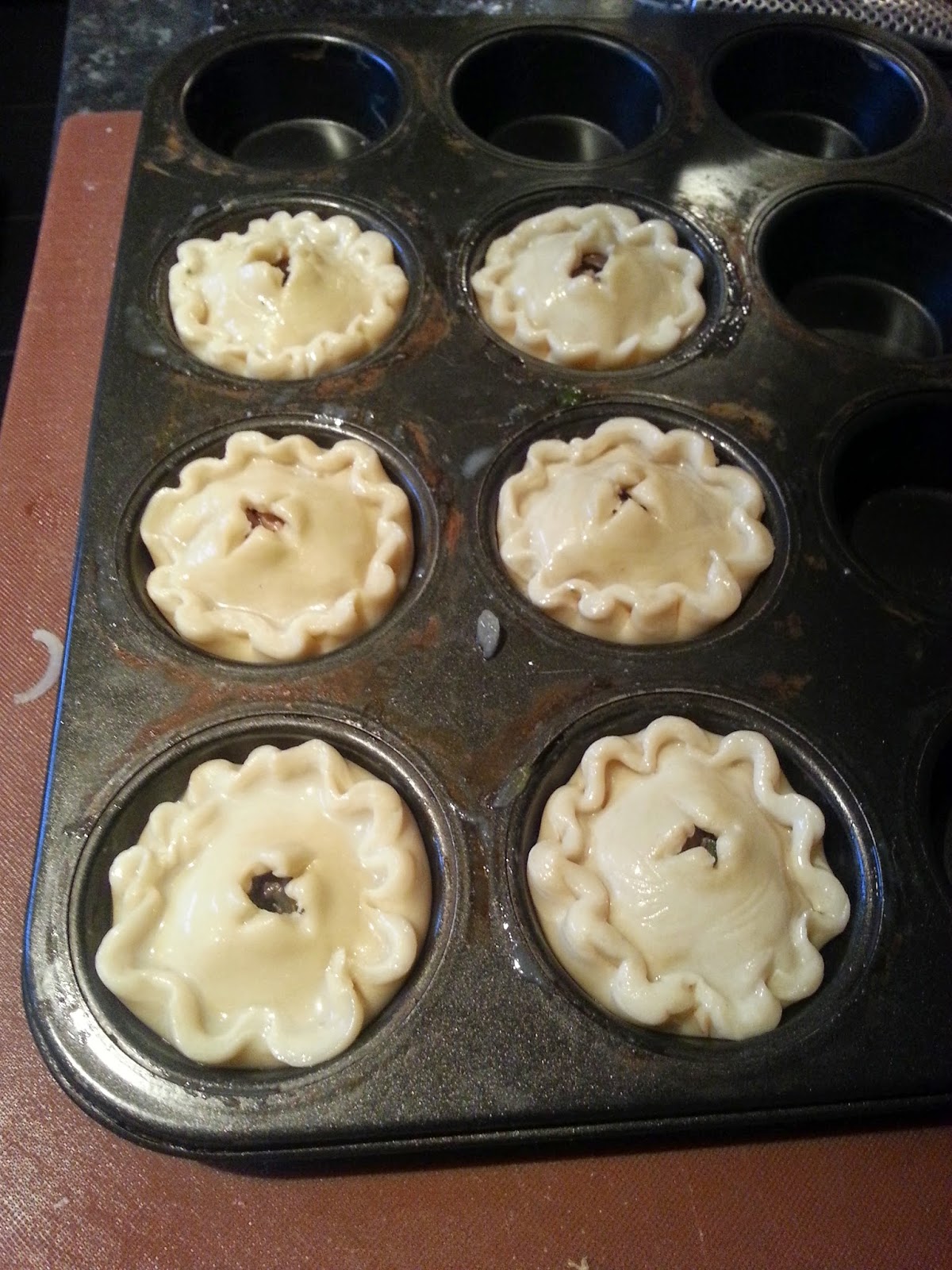
To make the pie, you will need to make a batch of hot water pastry โ€“ have a look at the post #282 Raised Pies. It also goes through the process of making the pies themselves. In this case, the pies are to be made small. To do this you can use wooden pie dollies or jam jars and raise the pastry around them. Alternatively, and much easier, is to use muffin tins and roll pastry to fit.


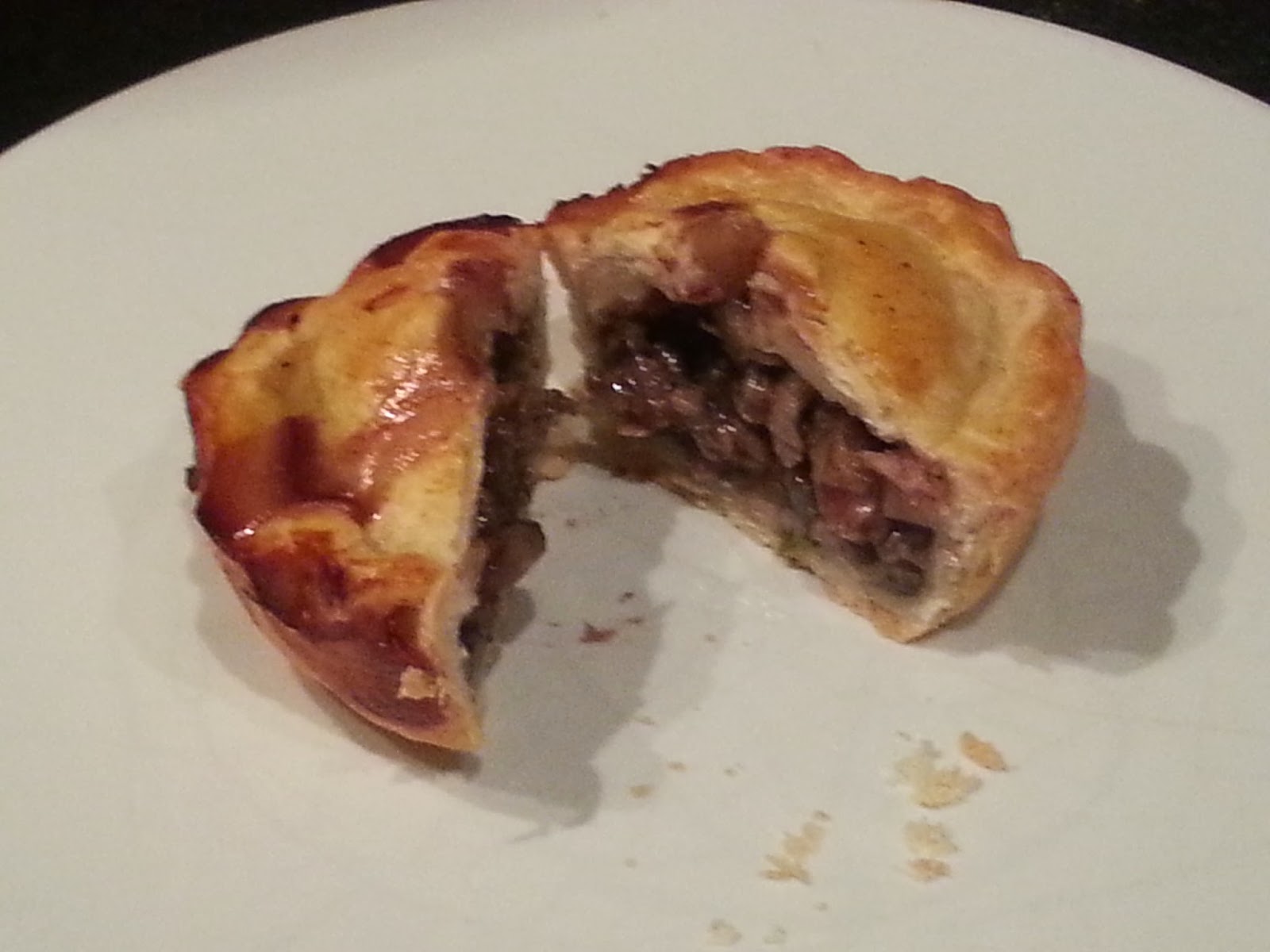
For the filling, you need a whole best end of neck of mutton, or a pound of fillet meat. Make sure the butcher give you the bones of the sheep. Chop the meat finely, including some fat. Finely chop 3 shallots or 4 ounces of onion along with 4 ounces of mushrooms and a tablespoon of parsley. Mix all of these together with the meat and a teaspoon of dried thymeand salt and pepper. Place in a pan with ยผ ย pint of water, bring to a simmer and let it tick over for 5 minutes. Cool.


Fill your pastry cases, however you have constructed them, with the mixture and bake for 25-45 minutes at 200โฐC, depending on size.


Once whipped out of the oven, pour in gravy made from the bones. There is no instruction from Jane as to how to make this, but itโ€™s pretty easy. Make a stock from bones, trimmings and some stock veg. Reduce it and mix into a roux of butter and flour to thicken it up.


#403 Raised Mutton Pies. These were great โ€“ I must admit I was a little dubious of the watery filling, but it really was delicious, the vegetables and herbs made the water into a delicious stock, which reduced during baking. They were so good, I added them to one of pop-up restaurant menus. 8/10.


#400 Crown Roast of Lamb

Well, well, well. Here we are at #400! Who would have thought Iโ€™d get this far?

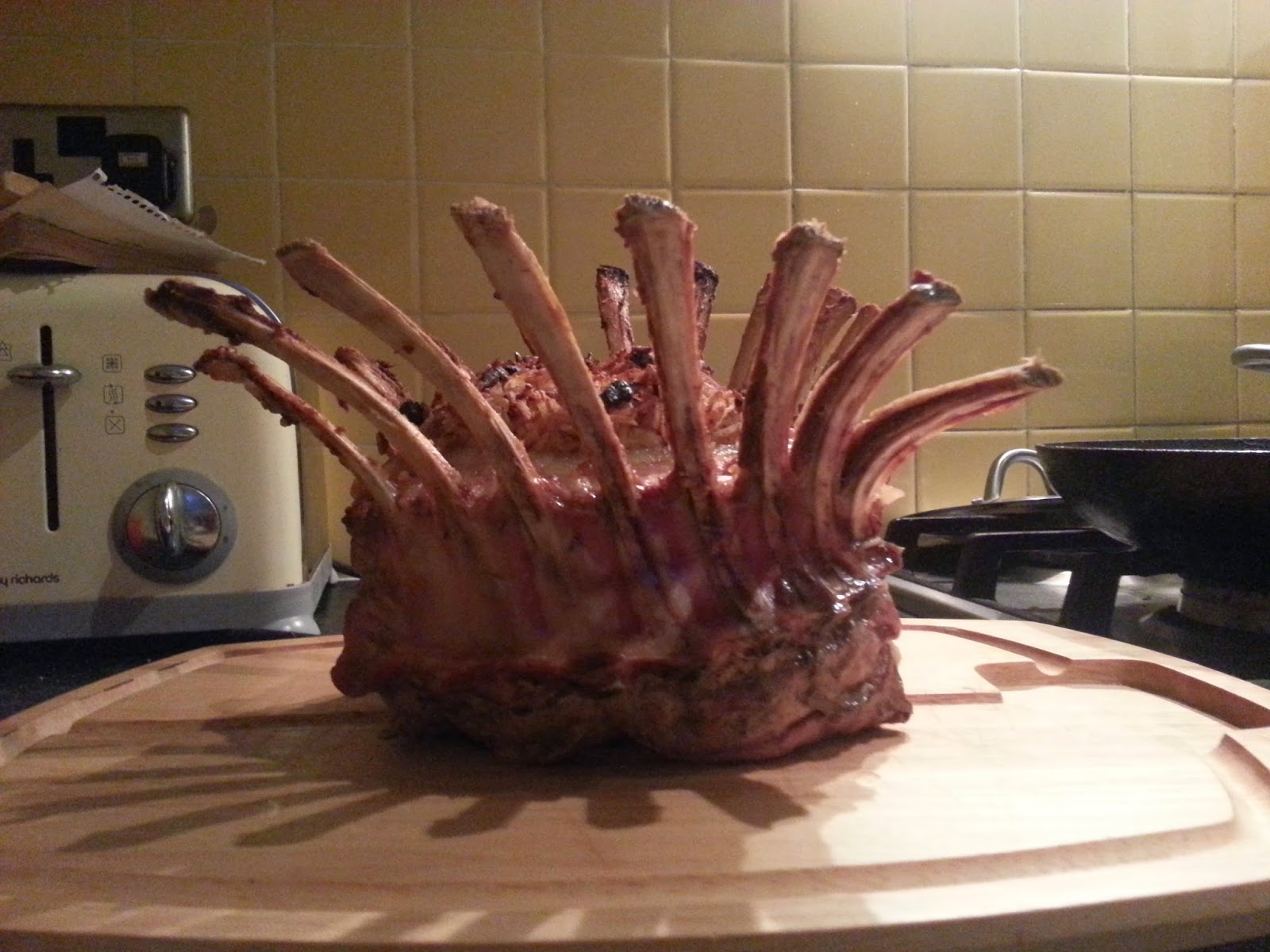
Iโ€™ve chosen this classic piece of meat sculpture for this milestone as it is such a special thing, and hardly seen these days. Plus, doing it Janeโ€™s way means you donโ€™t simply pop to the butcherโ€™s shop and ask for the roast assembled and oven-ready. No, Janeโ€™s way means constructing it yourself; something I really could not have done at the beginning of this project. This saves you a lot of money, and earns you plenty of kudos with your friends.

I did a quick look through some old books and it is odd that this classic and ancient and slightly macabre dish does not seem to appear before the 20th Century. I must be wrong here โ€“ can anyone shed any light on it?

To make your own rack of lamb, you will need three things: your lamb, stuffing and a trussing needle & thread.

First, the stuffing: go for any of the stuffing recipes in the Stuffings section of thelast chapter, or go with the stuffing recipe from #175 Shoulder of Lamb with Rice and Apricot Stuffing. I chose the latter.

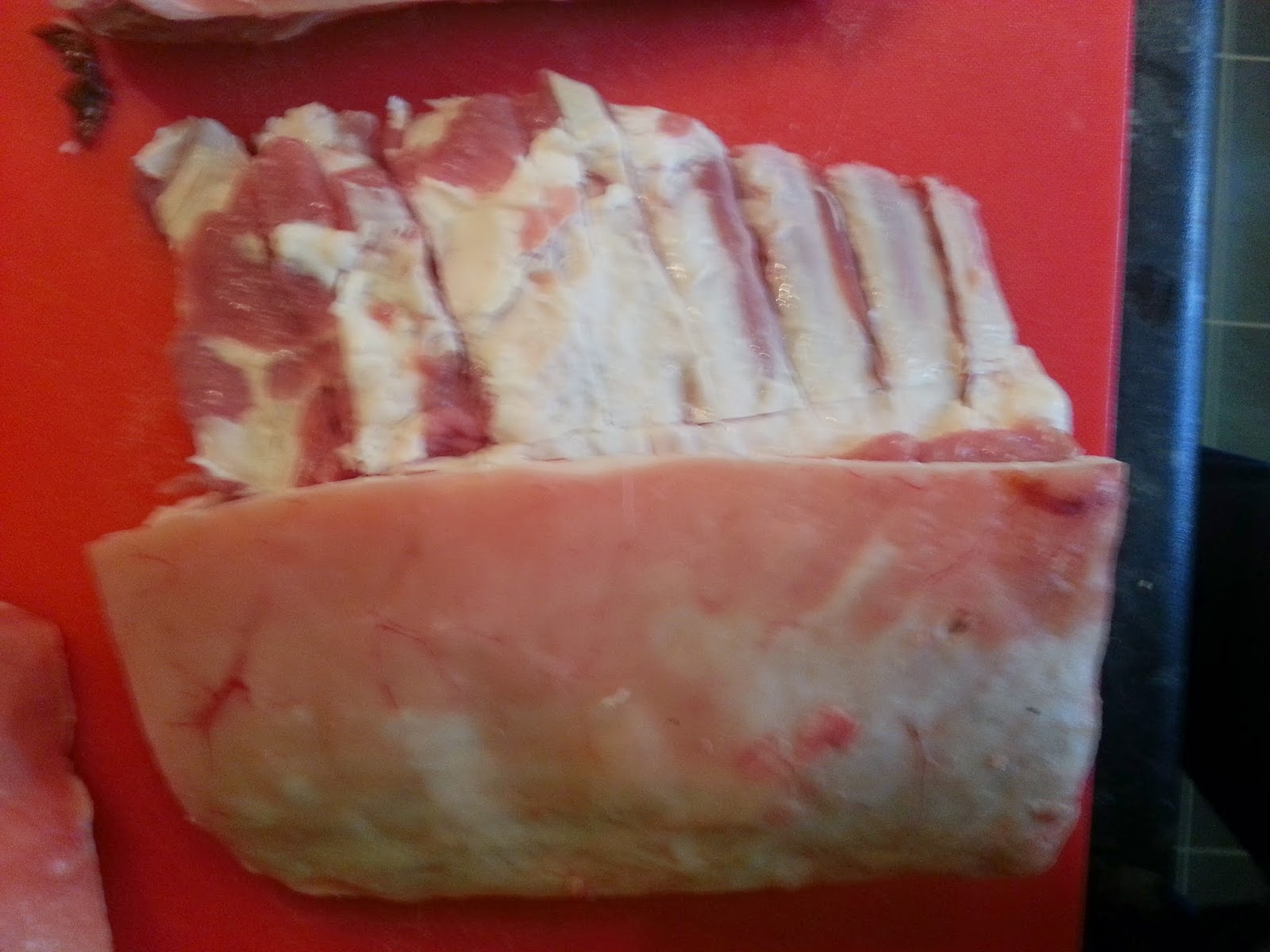
Ok, now the tricky bit. Go to your butcher and ask for a whole best end of neck; it is from this that you will get your two, perfectly symmetrical, racks. You should get 7-8 cutlets from each rack. Hereโ€™s what you ask the butcher to do (in Janeโ€™s own words):

  1. to divide in two down backbone so you have two symmetrical pieces,
  2. to chine it [this means to remove the backbone],
  3. to make small cuts between the cutlet bones [this is quite simple to do yourself].

The butcher will desperately try to chop off the long bones and you must insist he does not! At home, you can get the racks prepped by French trimming the thin ends; scraping away the fat from the ribs, just like#305 Guard of Honour. Itโ€™s quite laborious at first, but youโ€™ll soon get the knack.

Sit the two racks back-to-back with the fatty sides touching. Take your trussing needle and sew the ends together with two stiches, making sure the thread is tied good and tight.

Stand it up and shape it into a crown using your fist โ€“ this is where those little cuts the butcher made are important.ย  Cover the ends with foil and sit the whole thing on a rack in a foil-lined roasting pan. Season the meat (especially the fat) and fill the centre with your chosen stuffing.

Roast for 75 minutes ย at 190โฐC. Remove from the oven, cover with foil and let the meat rest for 20 minutes or so. If you want to be posh remove the foil from the ribs and replace with paper ruffles.

But what to serve with roast lamb? Donโ€™t fear, Grigson has it all covered for us in this post.

#400 Crown Roast of Lamb. What a spectacle this was! I loved the way it looked; not all nice and neat with each rib the same length, but instead the bones were their natural varied lengths, making it look evenย  more like a real crown. The stuffing was, of course, great and the meat itself wonderfully tender and medium rare. A surprising thing bearing in mind it had been a roasting for what seemed like a long time. The only minor thing is that the stuffing began to char, so I would recommend covering it with some foil for the first half of the roasting. Nevertheless, still marvellous. 10/10.


#388 Sweet Lamb Pie from Westmorland

Happy New Year Grigsoners!

There are no Christmas recipes in English Food left to cook, but this one is close, being a cross between a savoury lamb pie and a sweet mince pie. Itโ€™s a recipe that has no introduction from Jane Grigson, though I feel it should, as it is pretty strange-sounding: a pie with a minced lamb, dried fruit and apple filling. Though it hails from Westmorland (a now defunct northern English county now made up of bits of Cumberland, Lancashire and Yorkshire), it seems to me to be a very typical pie baked during the medieval period, where it was very common to cook meat with lots of dried fruit and spices.
The Westmorland Coat of Arms
Why was this done? After all it seems to be an odd combination. Many people say that it is because heavy use of fruit and spices masked the taste of rancid and rotten meat. This, however, is a total myth; the reason meat was combined with spice, dried fruit and sugar was because all of these ingredients were extremely expensive. It was all showing off. They are โ€“ in my past experience โ€“ also a good combination: previous recipes like #87 Mrs Beetonโ€™s Traditional Mincemeatand #328 Salmon in Pastry, with a Herb Saucefollow the same principle.
By the time of the Victorian era, none of these ingredients were particularly expensive, and this sort of food fell from favour, the only surviving remnant being the now totally meat-free mince pie.
This pie is known as a โ€˜plate pieโ€™, which is still commonly made in Northern England. It is simply a pie made, not in a tin, but on a plate. The plates can be of typical (ovenproof!) ceramic or formed from enamel. Whichever you use, make sure it is deepish. My Mum still makes both sweet and savoury plate pies.
To make the pie, start with the filling. Mince together 6 ounces of lean, boned lamb with 3 ounces of lamb fat(you can the butcher for fat trimmings or keep your own and freeze them until you have accrued enough). Mix these together along with 6 ounces of apples, any will do, but I used tart Bramleys, 4 ounces each of currants, raisins and sultanas, 2 ounces of candied peel, the juice of one orange and half a lemon, 2 ounces of blanched, slivered almonds, 4 tablespoons of rum, a good pinch of salt, freshly ground black pepper, half a teaspoon each of mace and cinnamon and a quarter of a teaspoon of freshly grated nutmeg. Phew.
Once well-mixed, give it a little taste and add more seasoning and spices if you wish.
Next, roll out enough shortcrust pastry and line the plate with it. Scatter over the filling and cover with more pastry, sealing the edges with beaten egg or water. Trim the edges and crimp, before glazing with beaten egg in the usual way.  
Bake at 200โฐC for around 30 minutes.
Jane says that any remaining filling can be used to make small mince pies. I think I went one better however, and made sweet lamb Eccles cakes, which were such a success they ended up on my last Pop-Up Restaurantโ€™s menu.
#388 Sweet Lamb Pie from Westmorland. I spotted this pie quite early, thinking it must be awful. Today I feel Jane Grigson has taught me well and I now knew this would be good. When you bite into it, you get the taste and aroma of lamb โ€“ so you know it is there โ€“ but the fruit and spice compliment it very well. There is no added sugar and the apples are still tart, so it is not sickly like a Christmas mince pie. Is it sweet? Is it savoury? It does not matter; these sorts of recipes are the crowning glory of English Food. Really lovely, go and make one. 8/10.

#379 Kidneys in their Fat

Another recipe from English Food that appeared at my pop-up restaurant last month. These kidneys were served alongside fried sweetbreads as an accompaniment to a roast saddle of lamb. The idea here being a way of introducing some offal into the meal, but making it an optional extra so that anyone that was squeamish did not have try it. I must say that they went down very well, with most of the guests opting to โ€˜excavateโ€™ their own pink kidneys from their crispy fat. A brave lot they indeed were.

This recipe is close to Janeโ€™s heart: โ€˜[A]lmost the first dish I learnt to cook on arriving in Wiltshireโ€ฆ[it] was a particular favourite of my husbandโ€™s.โ€™

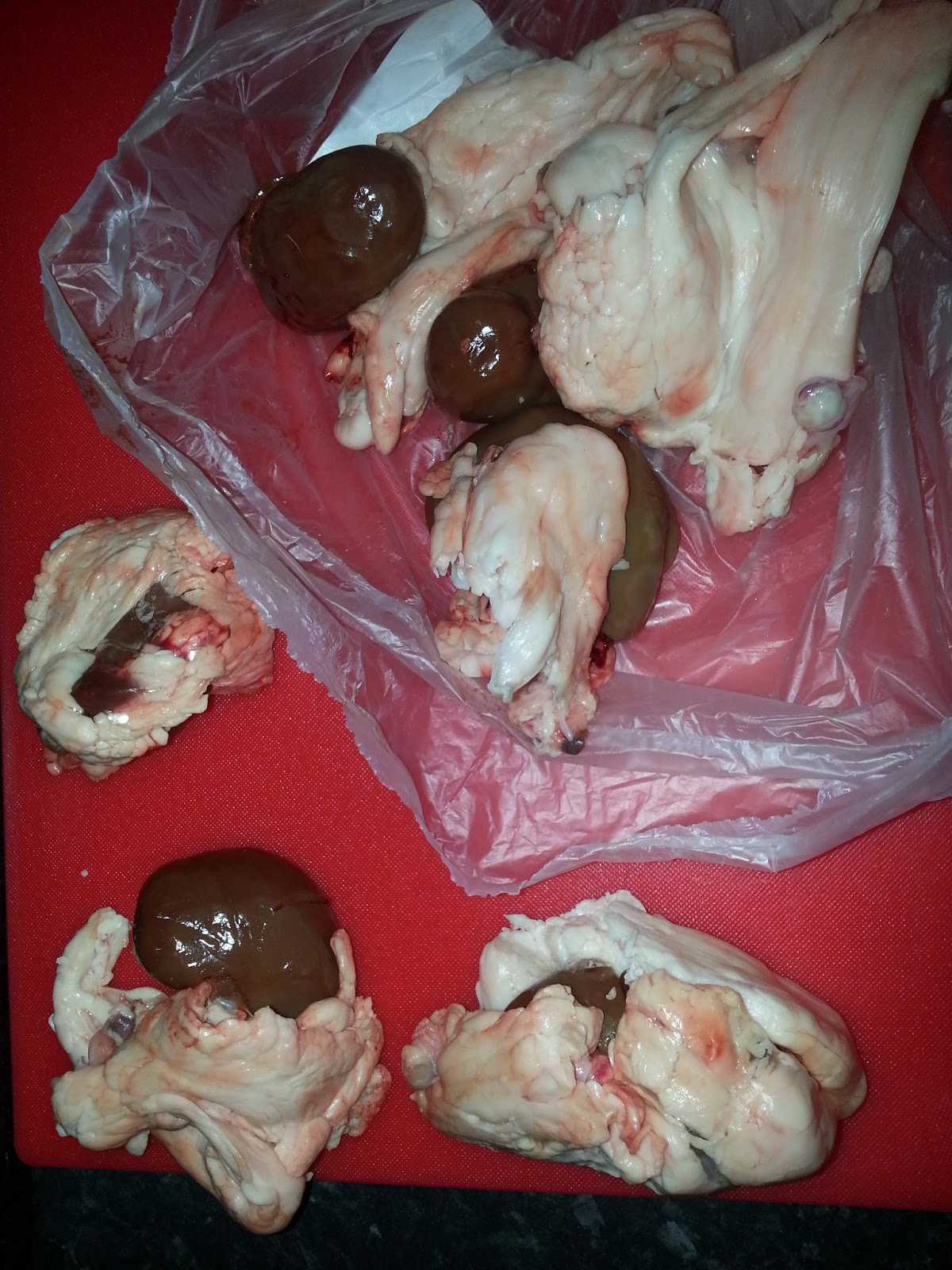
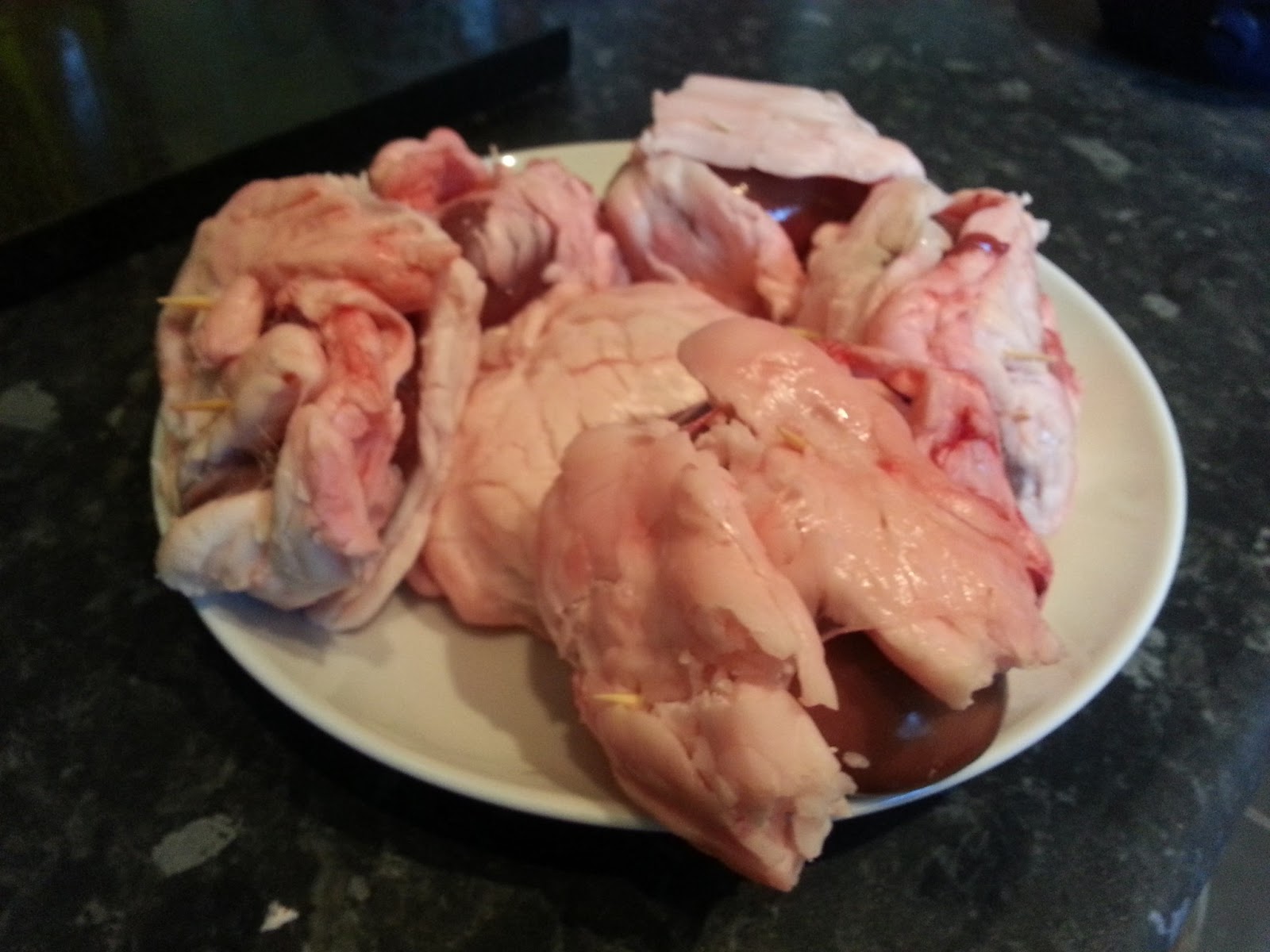
This is a very simple recipe. Ask your butcher for kidneys still covered in their suet, when you arrive home trim away any big chunks so that the kidneys are covered with about half an inch of fat. It wonโ€™t completely encase them, so when it comes to roasting them, make sure any bare kidney faces downwards, or use the fatty trimmings and cocktail sticks to cover the gaps.
Arrange the kidneys on a wire rack over a roasting tin and bake them in a hot oven – 230โฐCย – for 20 to 30 minutes. Check them after 15 though. The perfect kidney will be hot and pink, so if still a little too red and bloody, leave for a few more minutes. For some stupid reason, I forgot to take in picture of the pink kidneys within. Sorry folks!

Serve the kidneys straight away with roast lamb, or as a first course with brown bread and mustard.

#379 Kidneys in their Fat. As an offal fan, I was really looking forward to this one. When done perperly, the kidneys are mild, sweet and juicy, it is only when overcooked that they take on that mealy texture and overly-metallic tang. The trouble is that there is such a tiny window between cooked to perfection to overdone. If you get it on the button, however, they are a simple and delicious treat 8.5/10