
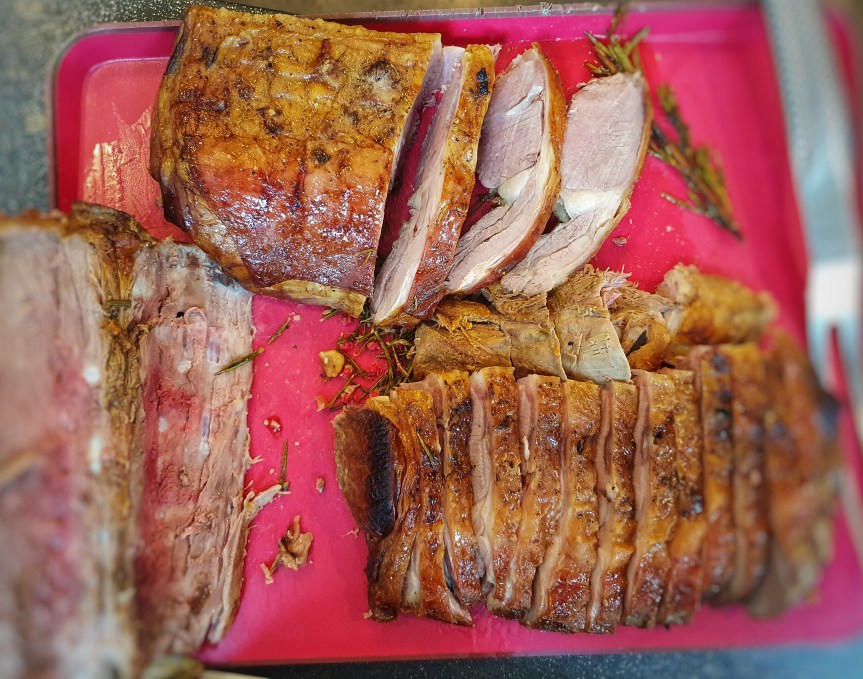
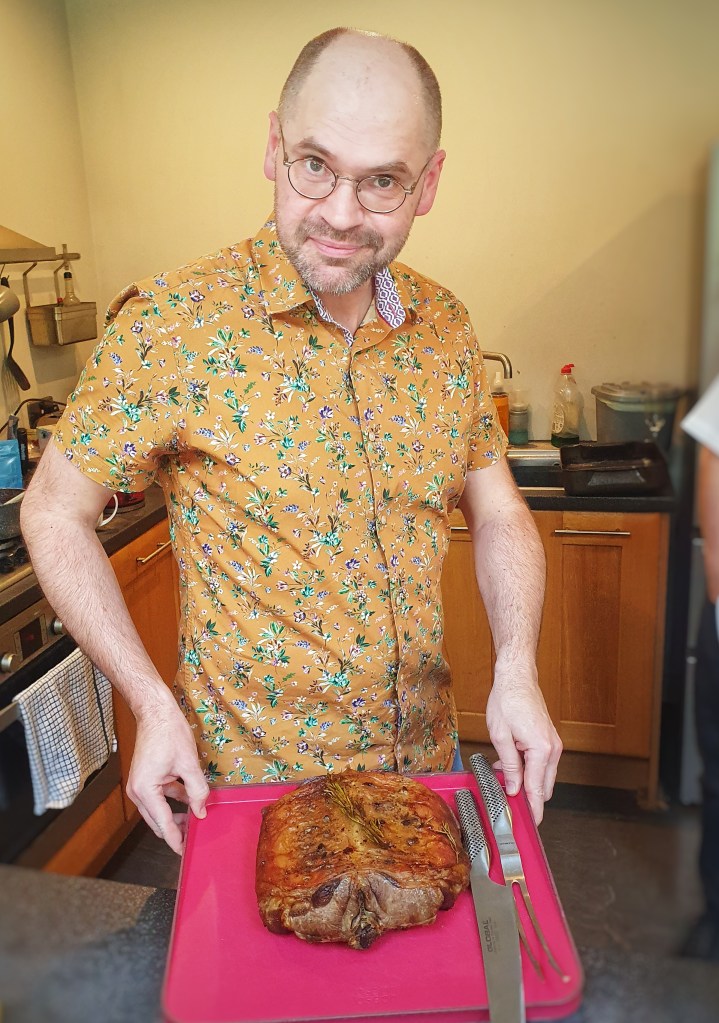
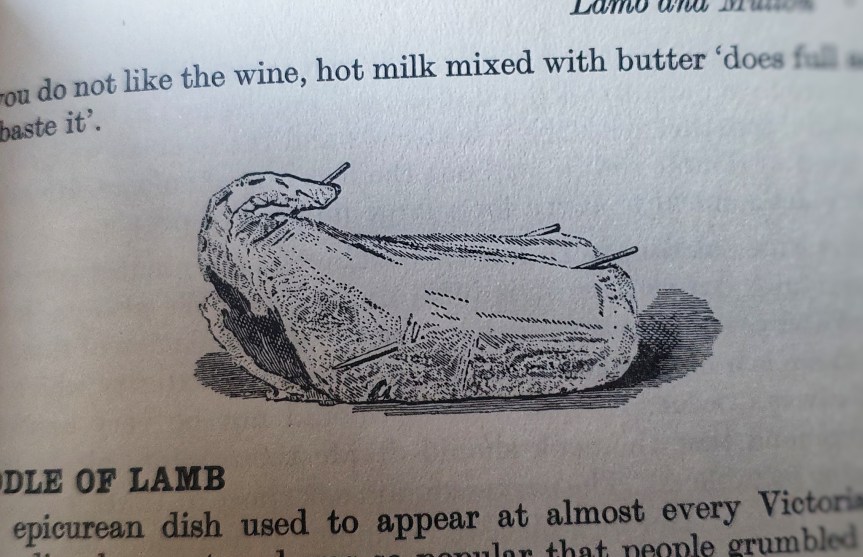
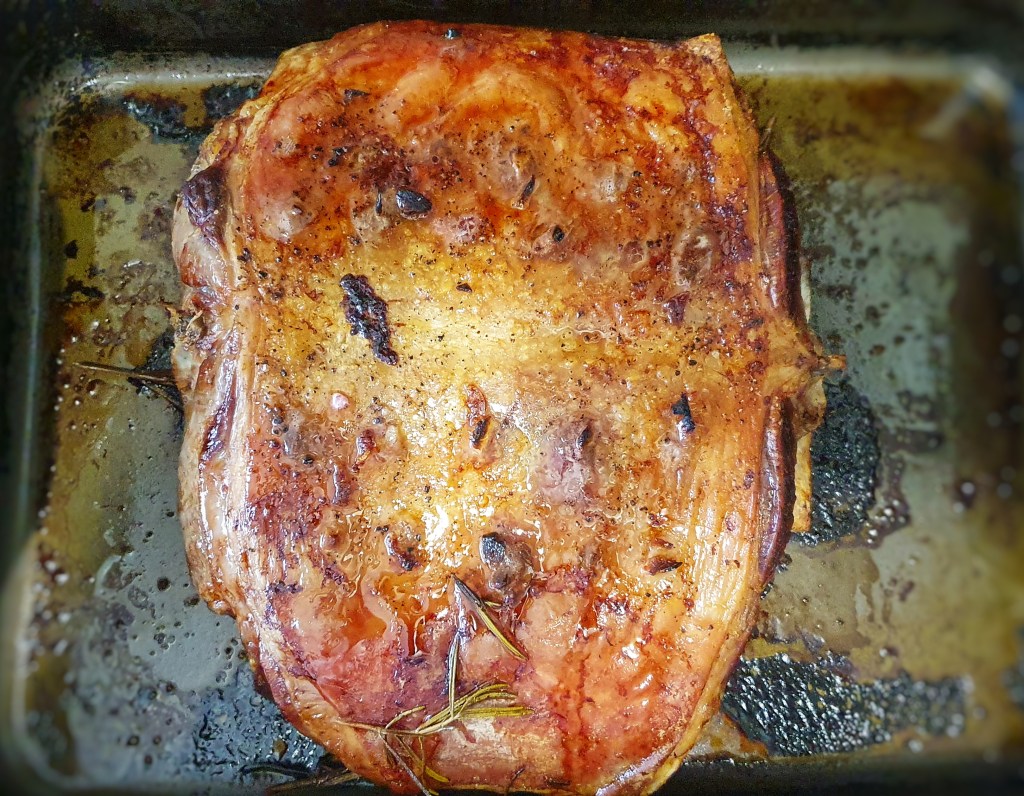
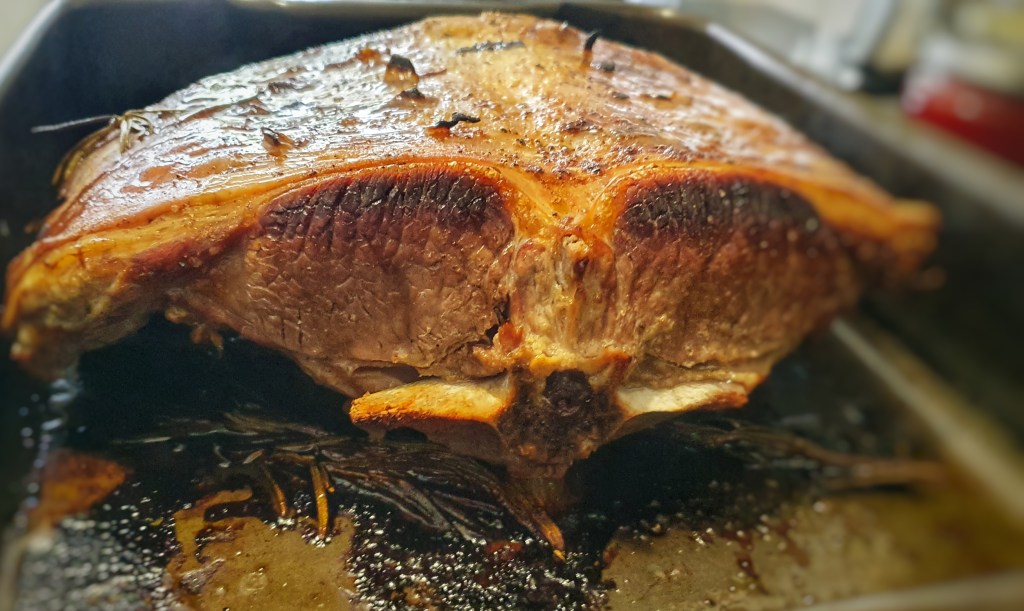
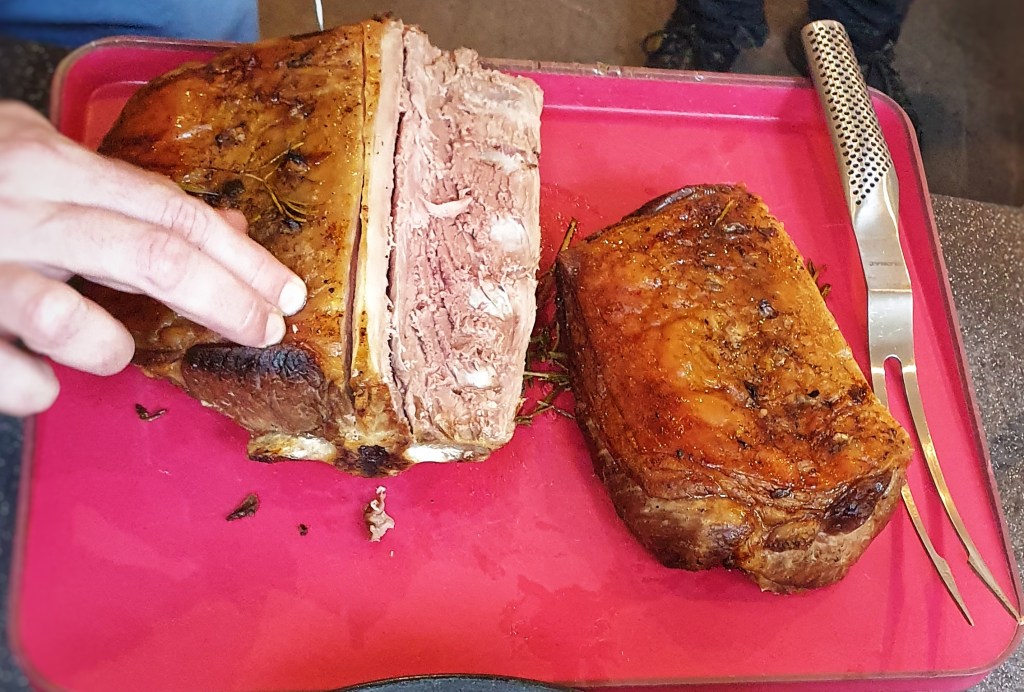
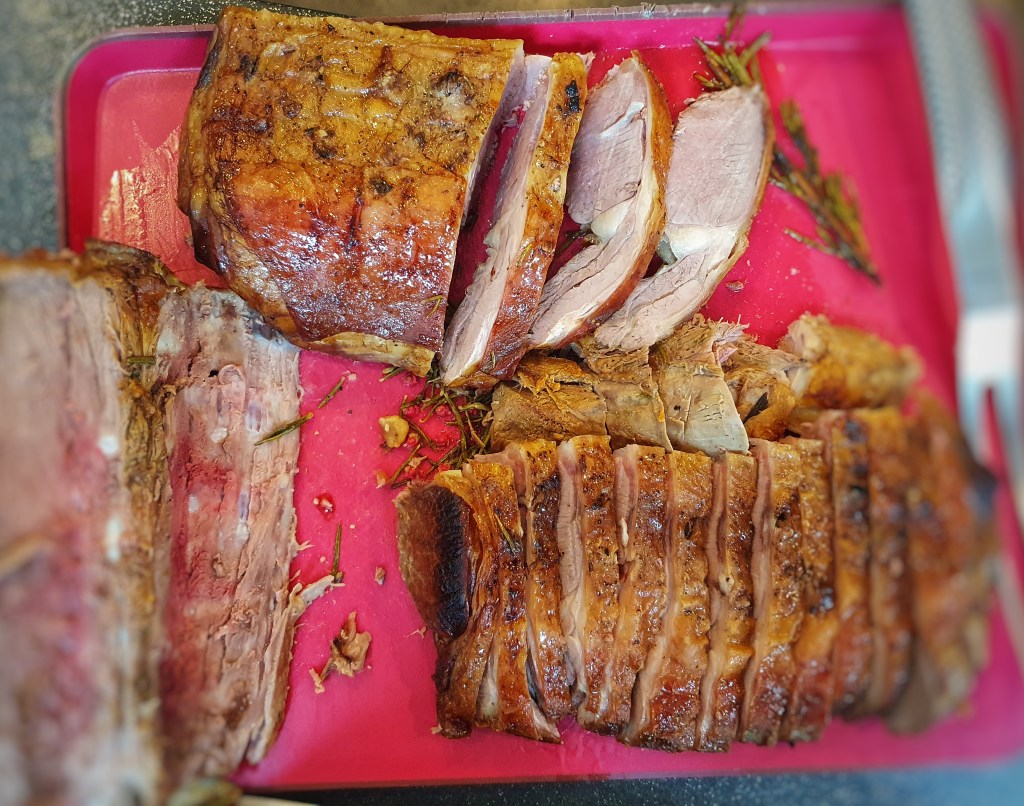
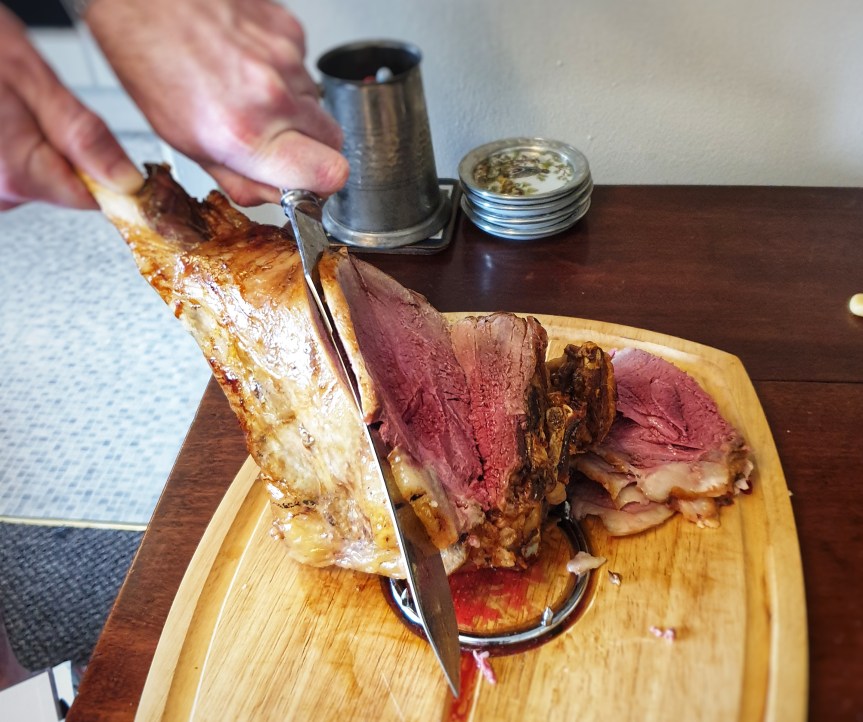
Last year, I cooked my 447th recipe from Jane Grigson’s English Food (3rd edition). It was the superlative #447 Roast Saddle of Lamb, the last of the 16 recipes in the Lamb & Mutton section of the Meat, Poultry & Gamechapter.
The recipes aren’t being cooked at a particularly fast rate anymore because the ingredients are either difficult to find or are expensive to buy (or both). There are just three recipes left to cook from the whole book. If you are wondering, these are: Roach, Elvers in the Gloucester Style and Ptarmigan!
Looking back at the recipes that make up the Lamb & Mutton section, it occurred to me how formative they were – from both a personal and professional point of view. First of all, the vast majority of dishes were very highly received, and easily the highest scoring section of the Meat, Poultry & Game chapter (see the stats section below), and bearing in mind lamb had been pooh-poohed by my family as greasy, fatty and of bad flavour, I wasn’t exactly primed to enjoy this batch of recipes.
Several years into the Neil Cooks Grigson project, when I had my burgeoning food business (The Buttery), I decided I should have a go at doing my own pop-up restaurant in my house,[1] I took inspiration from these recipes for the main course: the centrepiece was a boned saddle of lamb[2] with the blueberry sauce from #440 Primitive Lamb with Blueberry Sauce plus #379 Kidneys in their Fat as a garnish.
A few years later when The Buttery had become a proper bricks-and-mortar establishment, I revisited #188 Ragoût of Lamb and got it on the menu, and it went down very well indeed.
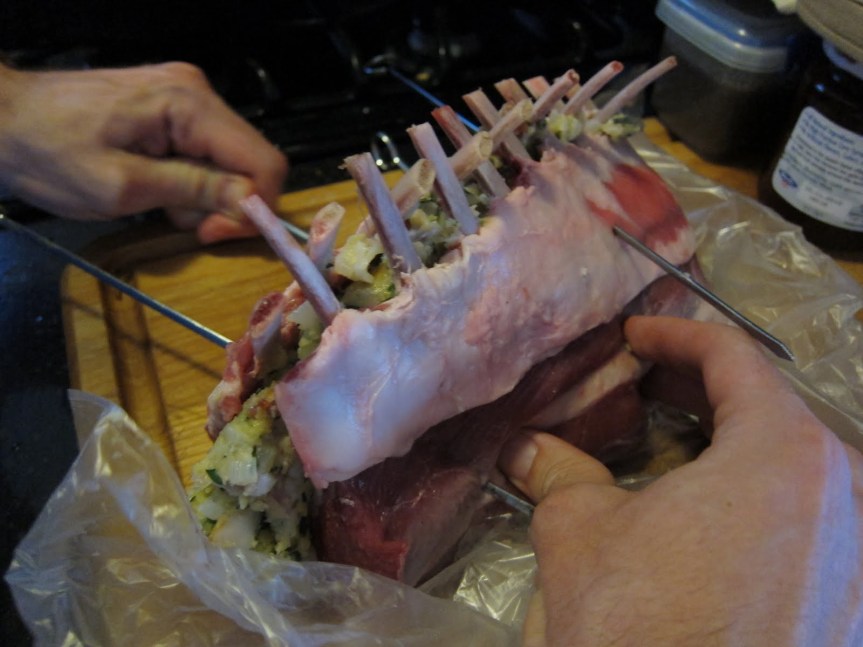
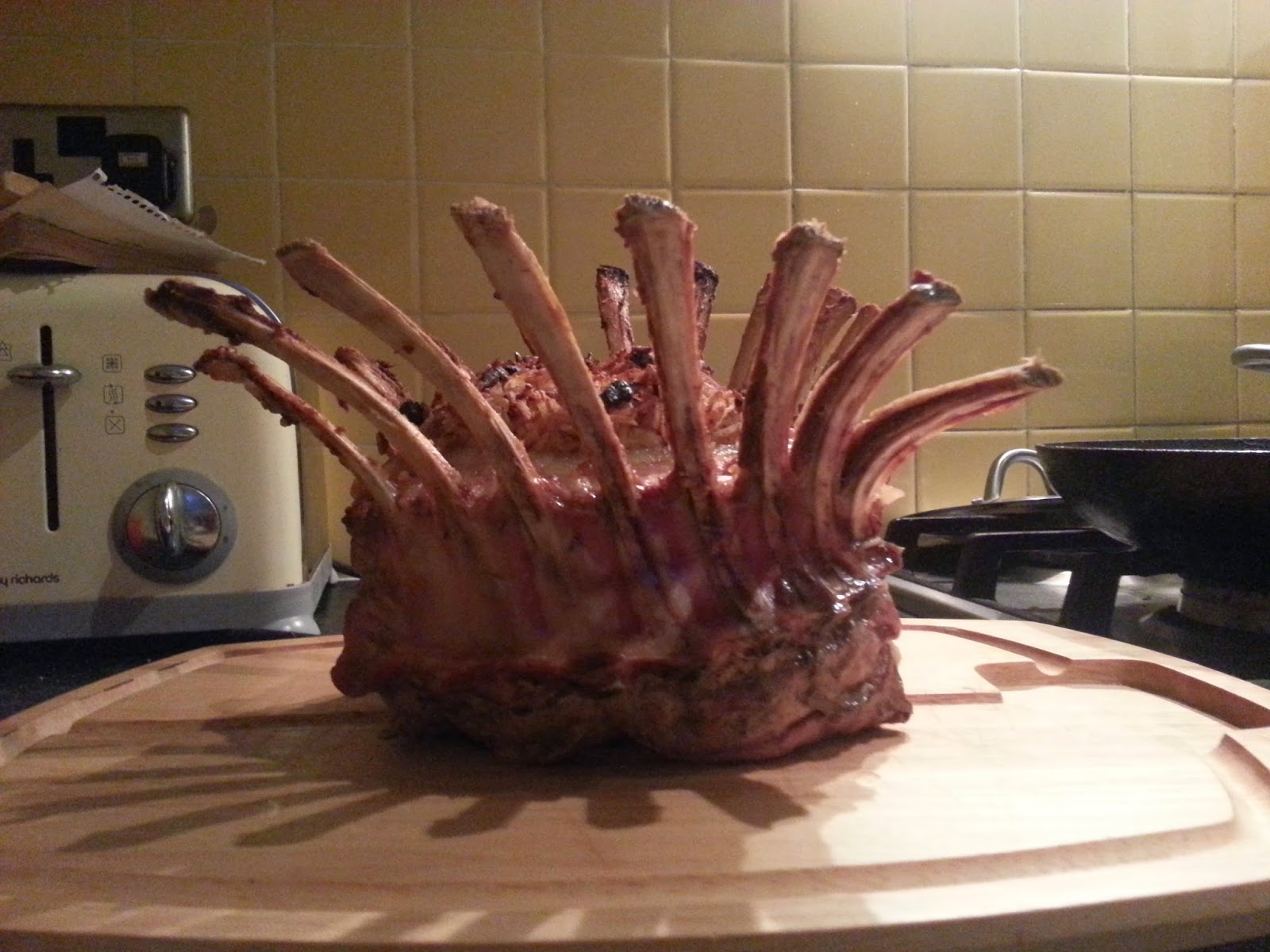
The star recipe was discovered whilst puzzling over a menu for a private catering job. I decided to cook #404 Lamb (or Mutton) to Eat like Venison: a leg of lamb long-marinated in red wine and red wine vinegar, so that the meat was extremely tender and tasted like the best venison you’ve ever eaten in your whole entire life. Astounding stuff. Other recipes to score full marks were #438 Plain Roast Primitive Lamb with Gravy and #400 Crown Roast of Lamb.
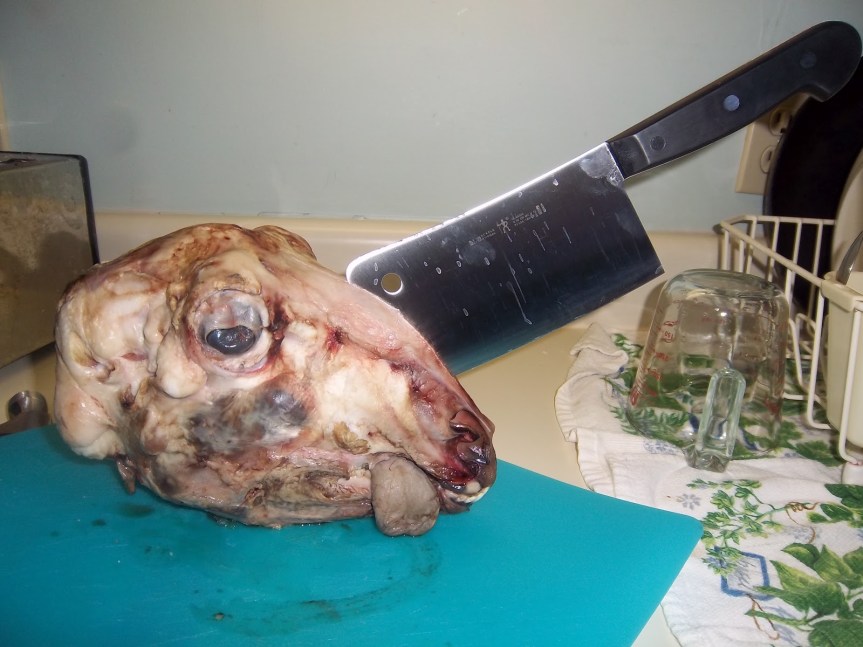
I also got the opportunity to discover some ingredients and dishes I probably never would have tried in other circumstances: the two primitive lamb recipes, the delicious combination of lamb and laverbread, and the rather challenging #333 Lamb’s Head and Barley, with Brain Sauce, which tasted good, and helped me to ditch my own prejudices regarding this sort of humble cookery.
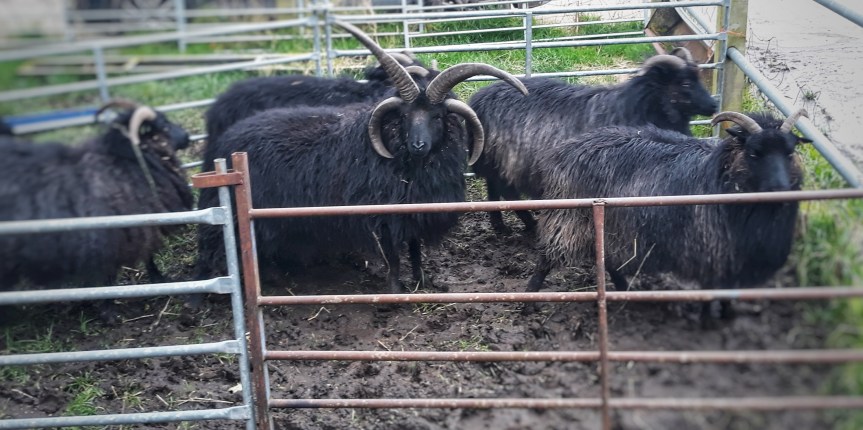
The Lamb & Mutton section, then, was a great success and a source of inspiration, but what was Jane’s opinion of lamb and mutton in England whilst she was writing and updating English Food in the 1970s, ’80s and ’90s? Typically, it’s a mix of praise and frustration. Indeed, she opens the section thus: ‘First-class lamb has become a problem in England since the importation of cheap, refrigerated New Zealand lamb made it a meat for the most homely occasions…Nowadays I sometimes conclude that our best lamb all goes to France’. But Jane is not totally filled with pessimism, adding ‘[h]owever, perseverance and a certain obstinacy should lead you to a butcher who can supply local or at least very good English lamb.’ Her favourite was actually Welsh mountain lamb. She also gives a special mention to the Rare Breeds Survival Trust, not just for saving breeds of sheep on the brink of extinction, but for making them economically viable to farm and sell. I echo this gratitude.
If you can support the podcast and blogs by becoming a £3 monthly subscriber I would be most grateful! Subscribing means unlocking lots of premium content, including bonus blog posts and recipes, access to the Easter eggs, a monthly newsletter and the secret podcast. Alternatively, you could treat me to a one-off virtual pint or coffee Click here for more information.
The Stats
When I complete a section or a chapter of the book I like to give you the stats for the section. So here goes with Lamb & Mutton: in short it has been the most popular part of the Meat, Poultry & Game chapter with a mean score of 8.47 and a median of 8.5. Most interesting, though, is that it has a mode of 10 – the only other category to receive full marks for its modal score is Stuffings.
Below, I have listed the recipes in the order they appear in the book with links to my posts with their individual scores, so have a gander. It is worth pointing out, that my posts are no substitute for Jane’s wonderful writing, so if you don’t own a copy of English Food, I suggest you get yourself one.
#447 Roast Saddle of Lamb 9.5/10
#299 Leg of Lamb Stuffed with Crab 7/10
#404 Lamb (or Mutton) to Eat like Venison 10/10
#188 Ragoût of Lamb 7.5/10
#143 Boiled Leg of Mutton (or Lamb) with Caper Sauce 7.5/10
#243 Spiced Welsh Mutton ‘Ham’ 8.5/10
#191 Lamb with Plums 8/10
#175 Shoulder of Lamb with Rice and Apricot Stuffing 9/10
#440 Primitive Lamb with Blueberry Sauce 9.5/10
#438 Plain Roast Primitive Lamb with Gravy 10/10
#353 Roast Rack of Lamb with Laverbread 9/10
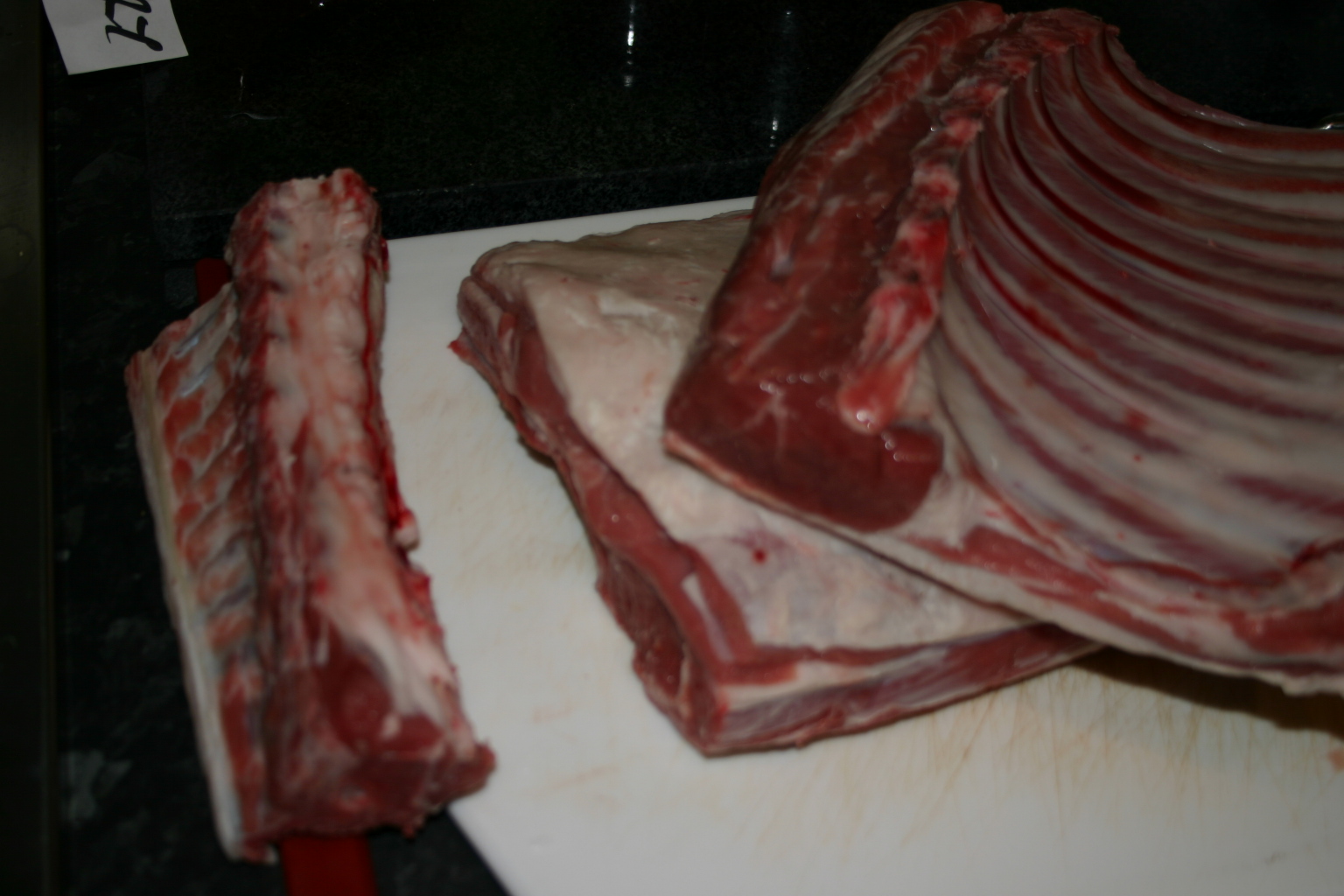
#305 Guard of Honour 8.5/10
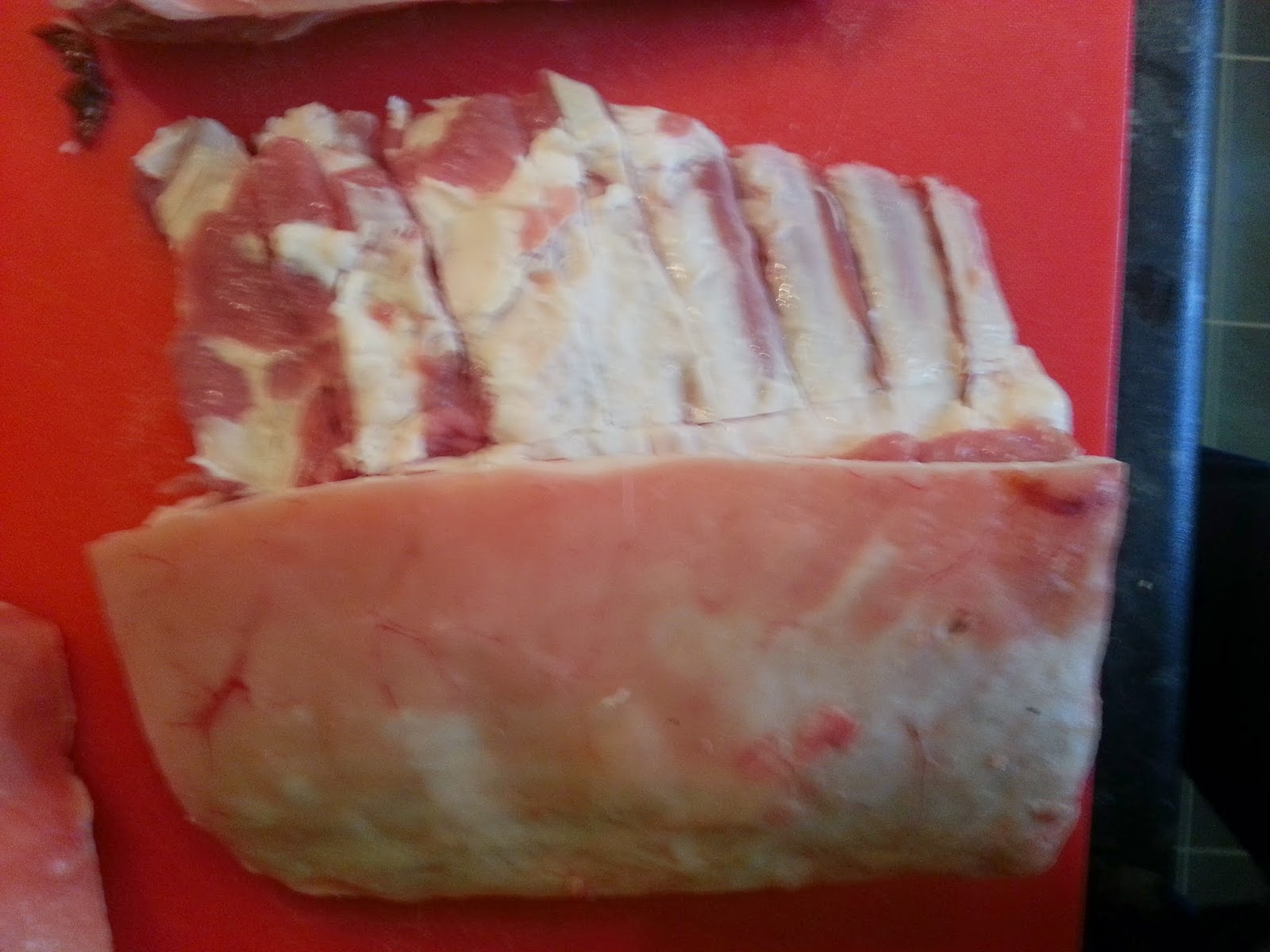
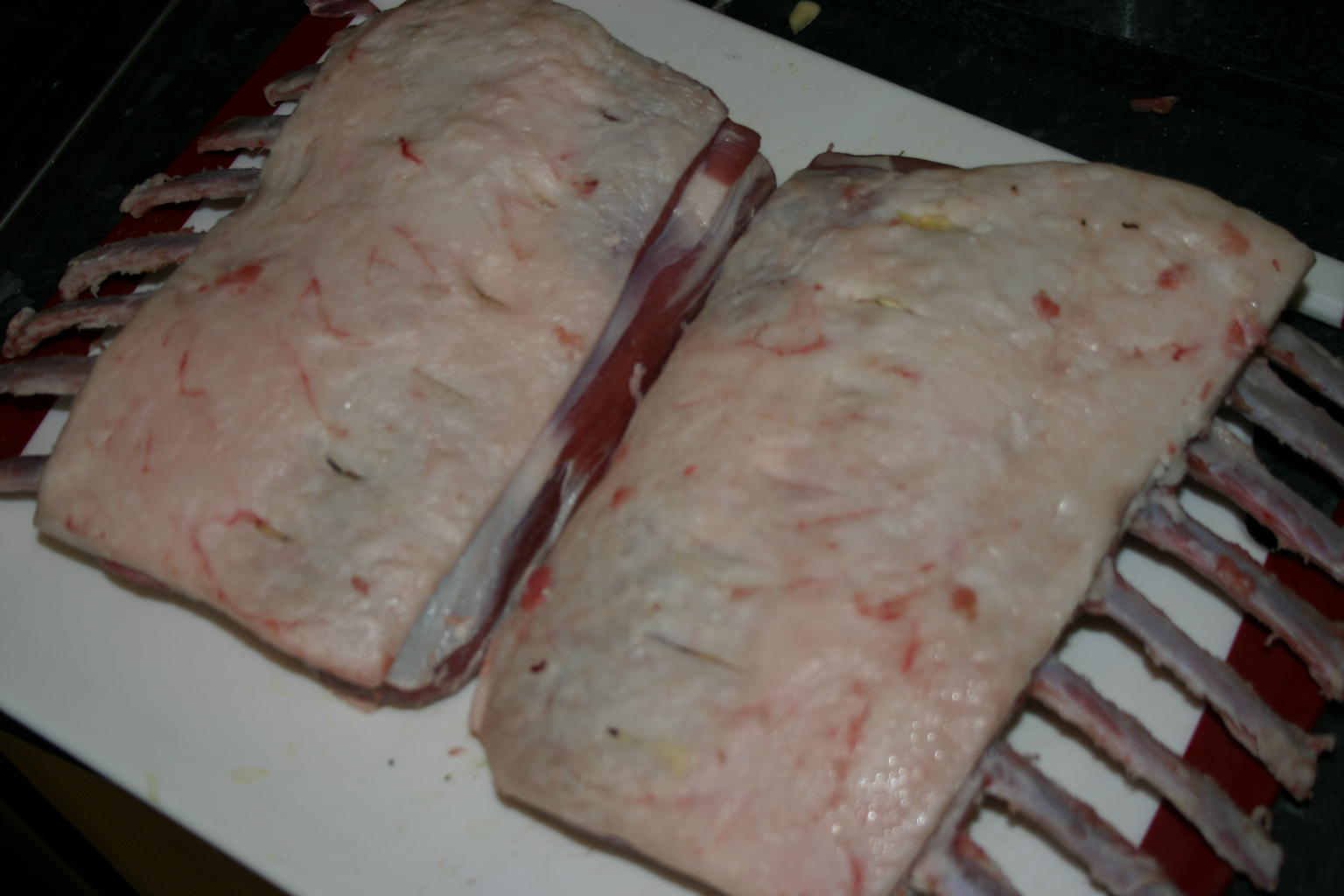
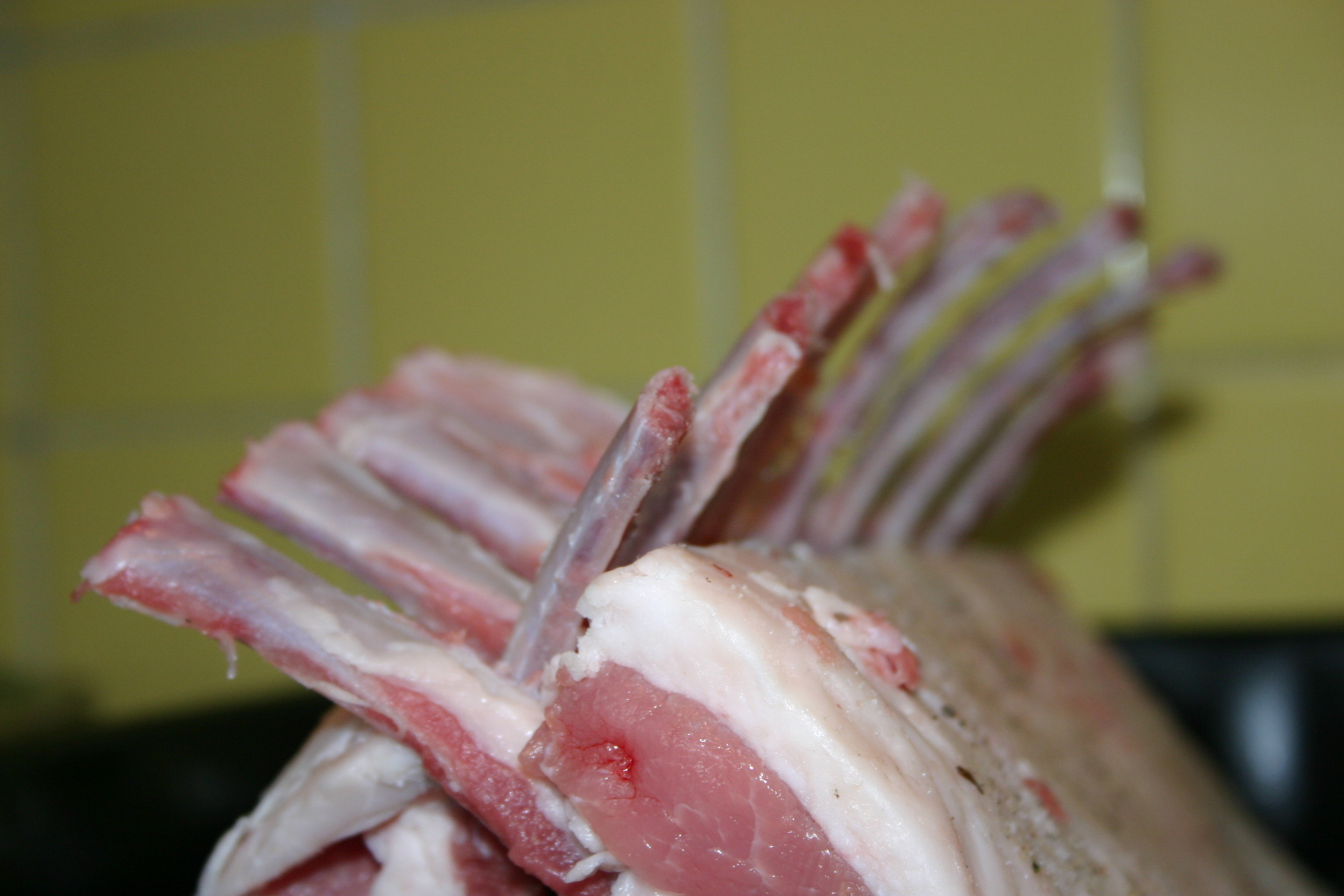
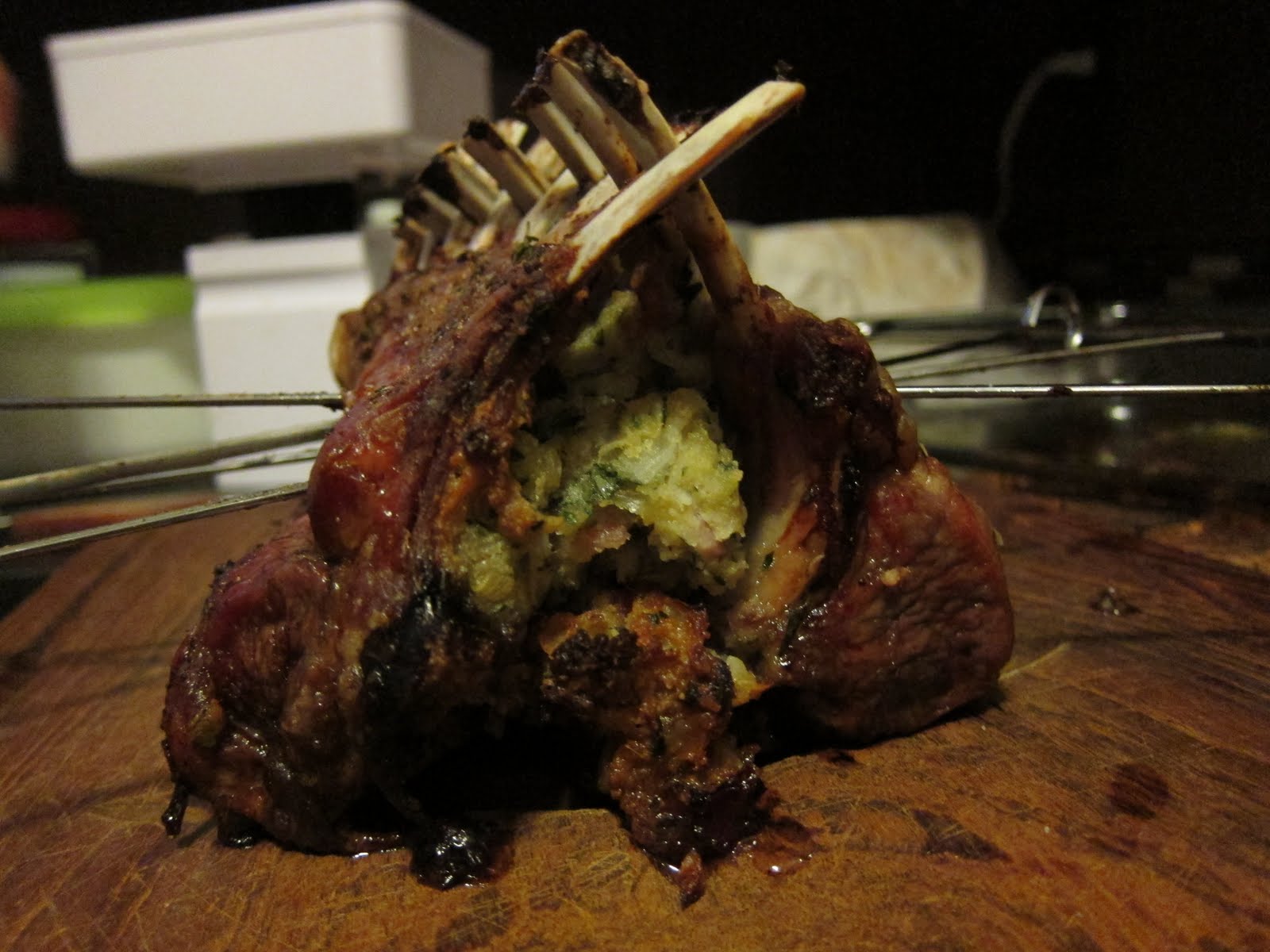
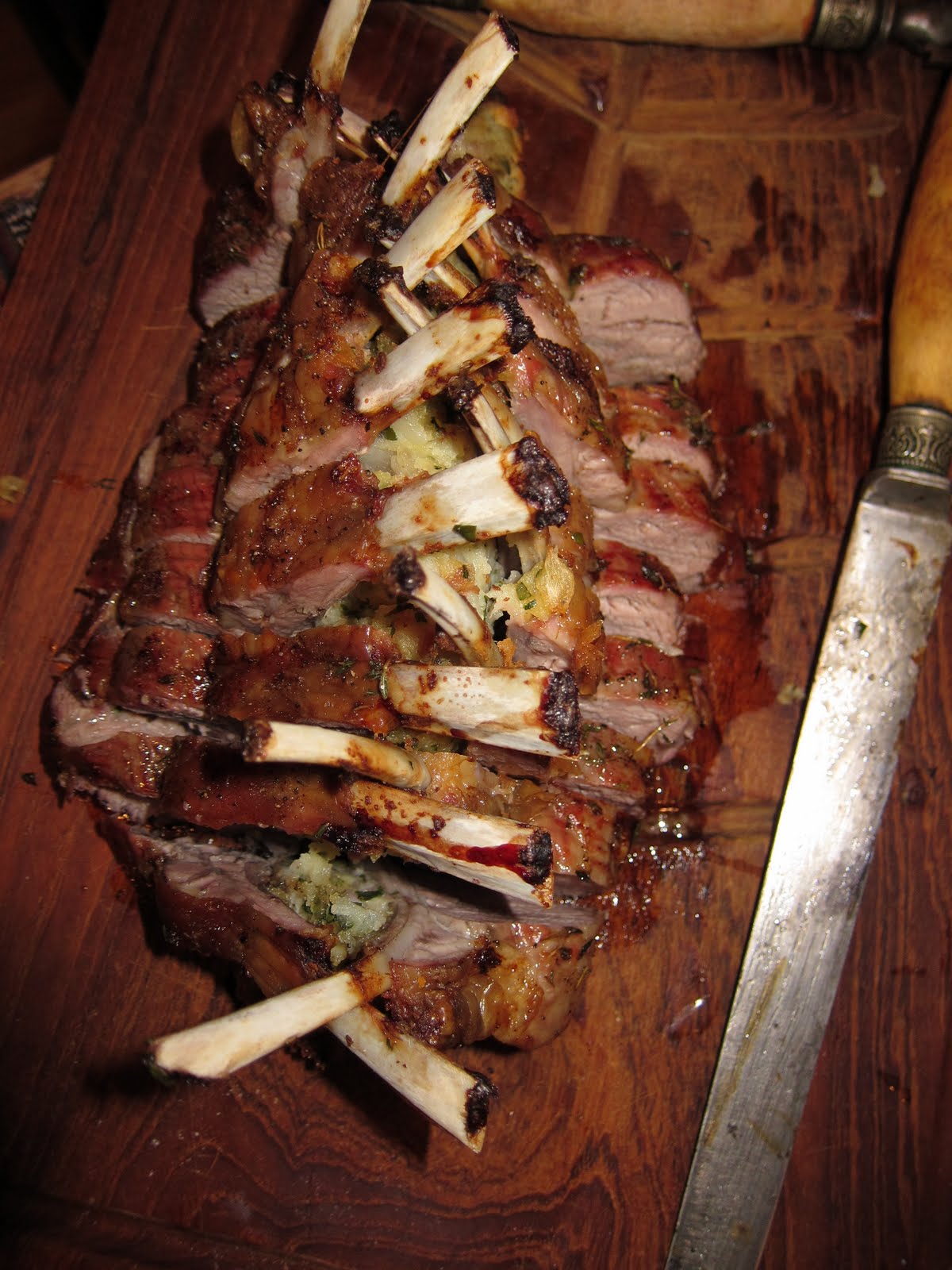
#400 Crown Roast of Lamb 10/10
#115 Lancashire Hot-Pot 6.5/10
#333 Lamb’s Head and Barley, with Brain Sauce 6.5/10
#379 Kidneys in their Fat 8.5/10
Notes
[1] There would be 10 pop ups in all as well as several ‘Pud Clubs’. I shoved all my furniture upstairs and brought in tables and chairs. For my efforts, I was nominated for a Manchester Food & Drink Award. They were exciting times.
[2] Because it was boned, I didn’t count the roast saddle of lamb recipe to be officially ticked off – Jane is very clear that a saddle of lamb should be cooked on the bone.







 Neil Cooks Grigson