#330 Leek, Pea or Asparagus Sauce

“We’re well used to tomato sauces”, says Grigson, “I don’t know why we haven’t gone further along the road, using other vegetables in the same kind of way”. This has always confused me; the only tomato sauce I know is either the tomato sauce for pasta or the tomato sauce that comes in bottles as ketchup. The recipe is obviously for neither. I can’t find a tomato sauce recipe that seems even remotely similar – even during the nineteenth century, tomato sauces were made for macaroni, simply stewed with olive oil and garlic and some herbs as we do nowadays.

The recipe below is for a thick creamy sauce made from leeks, peas or asparagus – a green vegetable to cover all seasons: leeks for autumn and winter, asparagus for spring and peas for summertime. As it is winter at the moment, I plumped for leeks. But what to serve it with? I eventually came up with the idea of serving the sauce with some seared scallops and some bacon – something which would also work with the peas and asparagus too, I reckon. The sauce is easy to make and can be made in advance and reheated when needed.
First of all prepare your vegetables: wash, trim and chop your leeks or asparagus, or shell your peas. You need 12 ounces prepared weight. Plunge them in ¼ pint of light stock or water. It is important to add salt to the water or stock as it makes the green colour much vivid. Cover and simmer until just tender. Liquidise the vegetables in a blender, or if you are old school a mouli-legumes. Push through a sieve to exclude any woody or fibrous bits (this is especially important with larger asparagus spears). Add around 3 ½ fluid ounces of soured cream, reheat and stir.
Then stir through either 3 tablespoons of clotted cream or unsalted butter. If using butter don’t add it until the last minute. The resulting sauce should be quite thick. Don’t forget to season with salt and pepper.
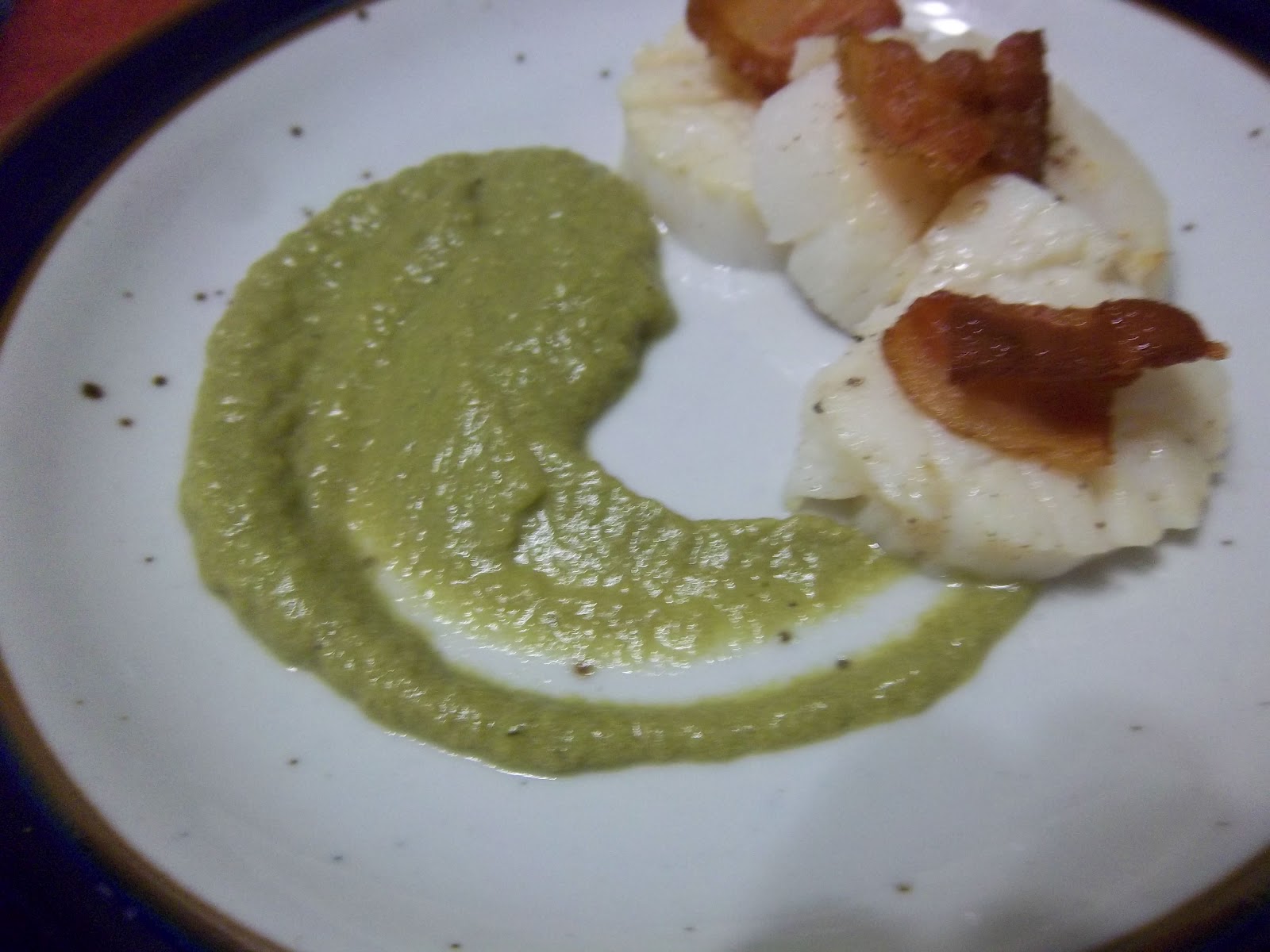
My attempt at being all cheffy!
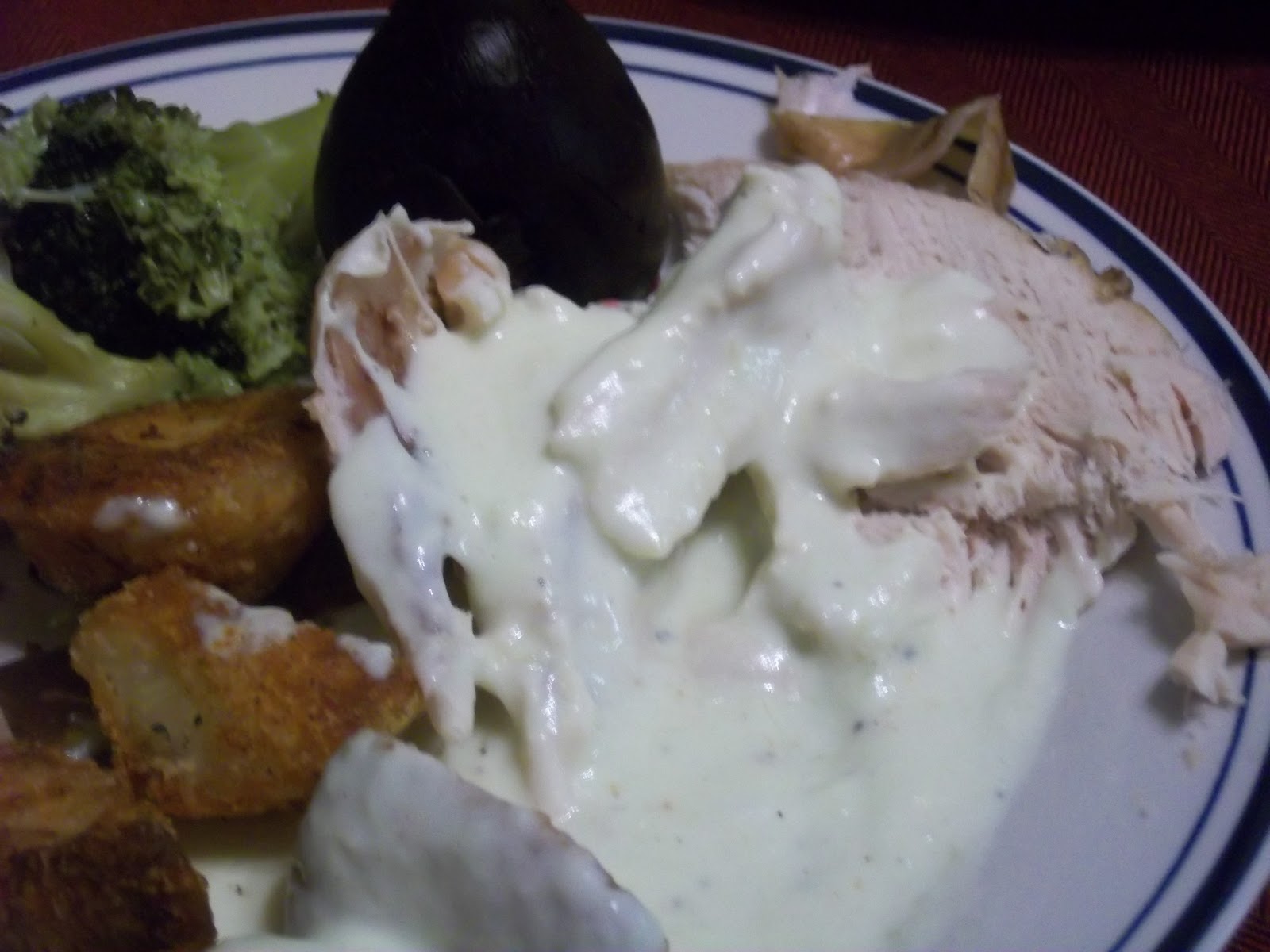
#330 Leek, Pea or Asparagus Sauce. Although I wasn’t sure what to do with this sauce, it turned out very well; the leeks were good and sweet, but made piquant by the sour cream. It went very well with the scallops and bacon, so I certainly recommend it for that. Strangely, I reckon it might be good stirred through some pasta with a some Parmesan cheese stirred through it…  7/10

#328 Salmon in Pastry, with a Herb Sauce

This is a recipe that is inspired by the medieval love of combining fish and candied sweetmeats. Griggers says it is a ‘brave, but entirely successful blend’. We’ll see. Large medieval banquets had to contain dishes with lots of spice; after all how else could you display your vast wealth other than to use that new and exciting new spice, sugar? When first brought to Europe from India, sugar was considered a spice like any other and therefore medicinal. It lost its rank as a spice once it gained popularity as a more general addition to the dinner table; albeit a giant banqueting table.

The addition of the salmon, then, you might feel was also a mark of an ostentatious medieval lord. It is not the case, back in the day, before such things as pollution and overfishing, streams were teeming with fish like salmon. In fact they were so common on the River Mersey that people used to feed them to their pigs! The same, of course, goes for oysters too, and yet we can now buy a pound of sugar for 30 pence. How times have changed.
This dish is very attractive: a nice piece of fish wrapped in pastry with some spices and a nice piquant herb sauce containing some lesser used herbs, and it’s pretty easy to make to boot.
Ask the fishmonger for a 2 ½ pound tail piece of salmon and ask him or her to bone it. If you like, ask them to take off the skin (though I have never seen the point of this). If there isn’t a tail in a single piece, get two filleted tail ends of approximately equal size.
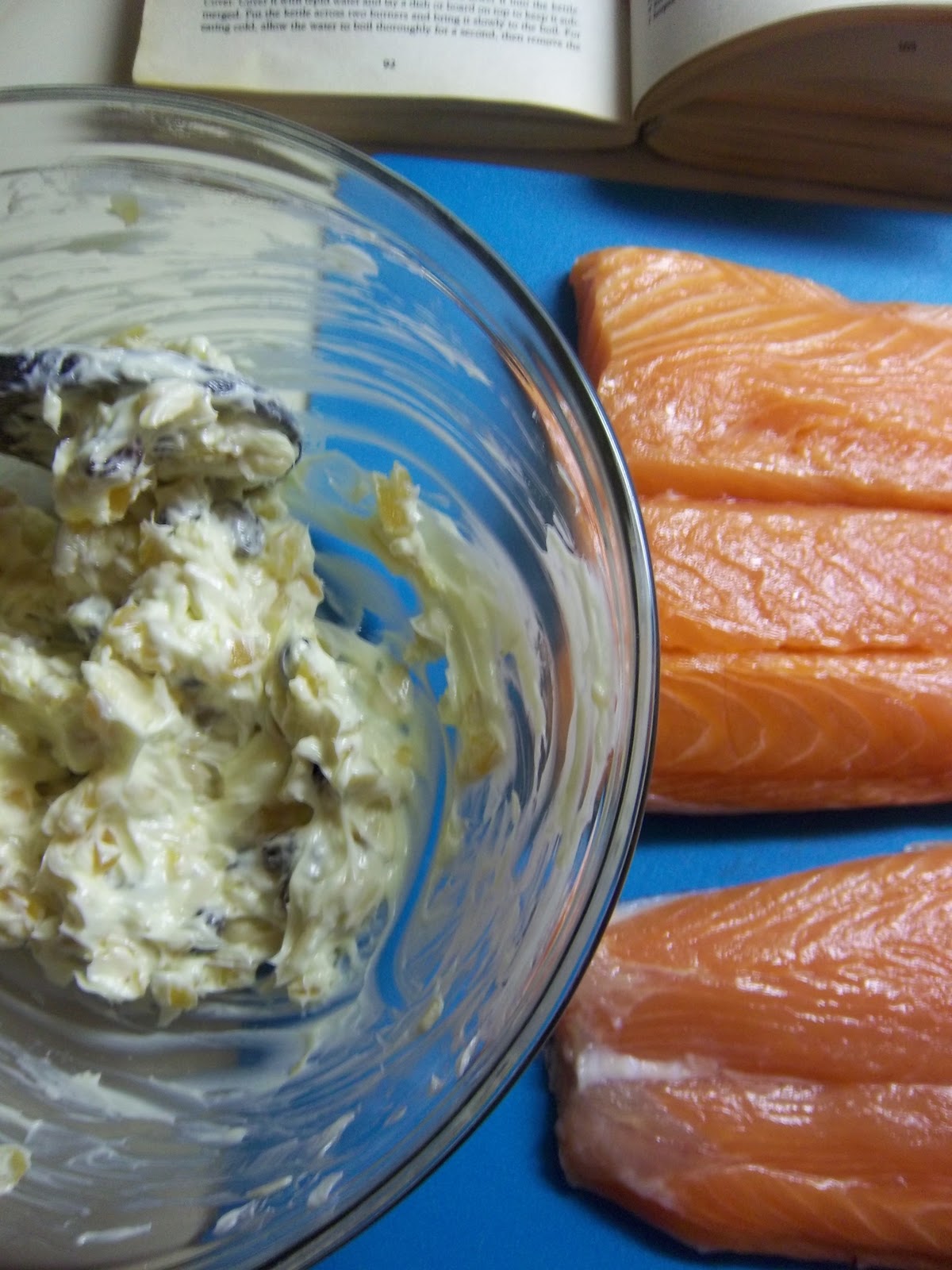
To make the sweet and spicy filling, beat 4 ounces of softened butter with 4 knobs of preserved ginger that have been chopped, a heaped tablespoon of raisins and  a rounded tablespoon of chopped, blanched almonds. Use half of the mixture to sandwich the two pieces of salmon together and then spread the remaining half over the top piece. Season with salt and pepper.
Now you are ready to encase the beast in pastry. Jane suggests using a shortcrust pastry made with 8 ounces of flour and 4 of fat, but I needed a lot more: I used a batch made of 14 ounces of flour and 7 of fat! I must have got a very large 2 ½ pound piece of salmon… Roll out a third of the pastry into a shape larger than the fish and place it on top. Next, roll out the rest and carefully place it over the fish, gluing it together with some beaten egg before trimming the edges and glazing the whole thing. Use the trimmings to ‘make a restrained decoration on top. There were a few small cracks in my pastry, but I hid them most cleverly with some pastry leaves that I placed here and there. I must say, I was quite impressed with my effort. Make 2 or 3 slashes on the top so that steam can escape and bake it for 30 to 35 minutes at 220C (425F).

Whilst the salmon cooks, you can get on with the sauce. Gently fry 2 chopped shallots, a heaped teaspoon of chopped parsley and a teaspoon of mixed chopped tarragon and chervil in 2 ounces of butter. When the shallots have softened, stir in a teaspoon of flour, then ½ pint of single cream (or half single-half double; American readers: heavy whipping cream is the thing to use here). Simmer for around 10 minutes, then season with salt and pepper and a teaspoon of Dijon mustard. Whisk 2 egg yolks with a couple more tablespoons of cream, turn down the heat in the pan and pour in. The sauce will thicken as the yolks start to cook – do not let the sauce boil, or your yolks will scramble. Finally, lift the whole thing by adding a good squeeze of lemon juice.

Place the salmon in its pastry on a hot dish; serve with the sauce in a separate sauceboat.’
#328 Salmon in Pastry, with a Herb Sauce. Another winner from Grigson; the medieval folk of England obviously knew what they were doing, and obviously weren’t all style, no substance. The salmon remained nice and moist and was perfectly cooked and really was complemented by its very sweet and slightly spiced butter basting. My only complaint would be that there wasn’t enough of the filling; I would have added at least an extra half again of the ginger and raisins. The sauce was excellent – creamy, yet light – tarragon and chervil are really delicious herbs that don’t get featured enough. This applies to chervil particularly, which seems to be in season at the moment as it’s cropping all over the place at the minute. A very good dish this one that could be made excellent with some minor changes. 8/10.

#314 Boiled Turkey with Celery Sauce

“Eat up brave warrior, for tomorrow we’re burning down your village”

Thanksgiving Day is just around the corner here in the USA so I thought the next two posts will have a Thanksgiving theme. I knew that there would be little chance of replacing the turkey on the day, but I wondered if cooking it in a different way might be possible. Plus if anyone reads this near Christmas, they might want to give it a go.

This is a classic: ‘A favourite dish of the Victorians and quite rightly so, because it is delicious – mild without insipidity’, says Jane. In fact, that is all she says on the dish. Boiling turkey was a popular way of cooking fowl, perhaps because it takes little time to cook; two hours maximum for a 15 pound turkey. I hoped it would make it deliciously juicy and tender. I did worry, however, that boiling it would sap what little flavour a turkey has even at the best of times.

The earliest recipe for boiled turkey with celery sauce I could find goes back to 1777 – it appears in a book by Charlotte Mason called The Lady’s Assistant to Regulating and Supplying her Table… (the full title is much longer than this!). More familiar contemporaries, Hannah Glasse and Elizabeth Raffald, also give recipes. Here’s a top-tip from Raffald:
Let your turkey have no meat the day before you kill it. When you are going to kill it give it a spoonful of alegar [malt vinegar], it will make it white and eat tender.”

So there you go.

I didn’t expect the recipe to go back much further as the turkey, being from the New World, would have entered Europe until the late fifteenth century at the earliest. However, I was wrong – it was celery that was the latecomer in England, appearing in the middle of the seventeenth century. Strangely, the earliest recorded mention of the turkey in Europe was in an account book from 1385; Phillippe of Burgundy enjoyed a roast turkey in one of his luxurious banquets. How on earth did it get there, I wonder?

Why we call these birds turkeys has always troubled me – after all they aren’t from Turkey. Nobody is sure, but it seems that the first English turkeys were brought to Britain by travelling merchants that had been given the gift of the birds after eating some whilst on a business trip to Turkey. So somehow the birds came from the New World, via Turkey, all before the New World was even discovered!

So if you fancy having a change from roast turkey, but want to keep to tradition give this recipe go:

The first thing you need to do is to get hold of a pot large enough to fit your turkey breast-side down. You need a turkey that weighs up to 15 pounds. Once your turkey is nestled in its pot, tuck in the following vegetables and aromatics: 4 sliced, medium carrots; a sliced, peeled turnip; a sliced stick of celery; three whole, unpeeled onions, each studded with three cloves; 15 crushed peppercorns; two bay leaves; 4 thyme sprigs; a bunch of parsley stalks; and a heaped tablespoon of salt. Then, add enough cold water to only just cover the legs.

If the turkey is smaller – and therefore younger and more tender – you can use less water. Cover and bring to a boil, then turn the heat down so the pot is only just simmering; a bubble or two every now and again is what you want. The turkey will be ready in up to two hours. Mine was ready in about 90 minutes. You can tell it is ready if the leg can be easily pulled from the body.
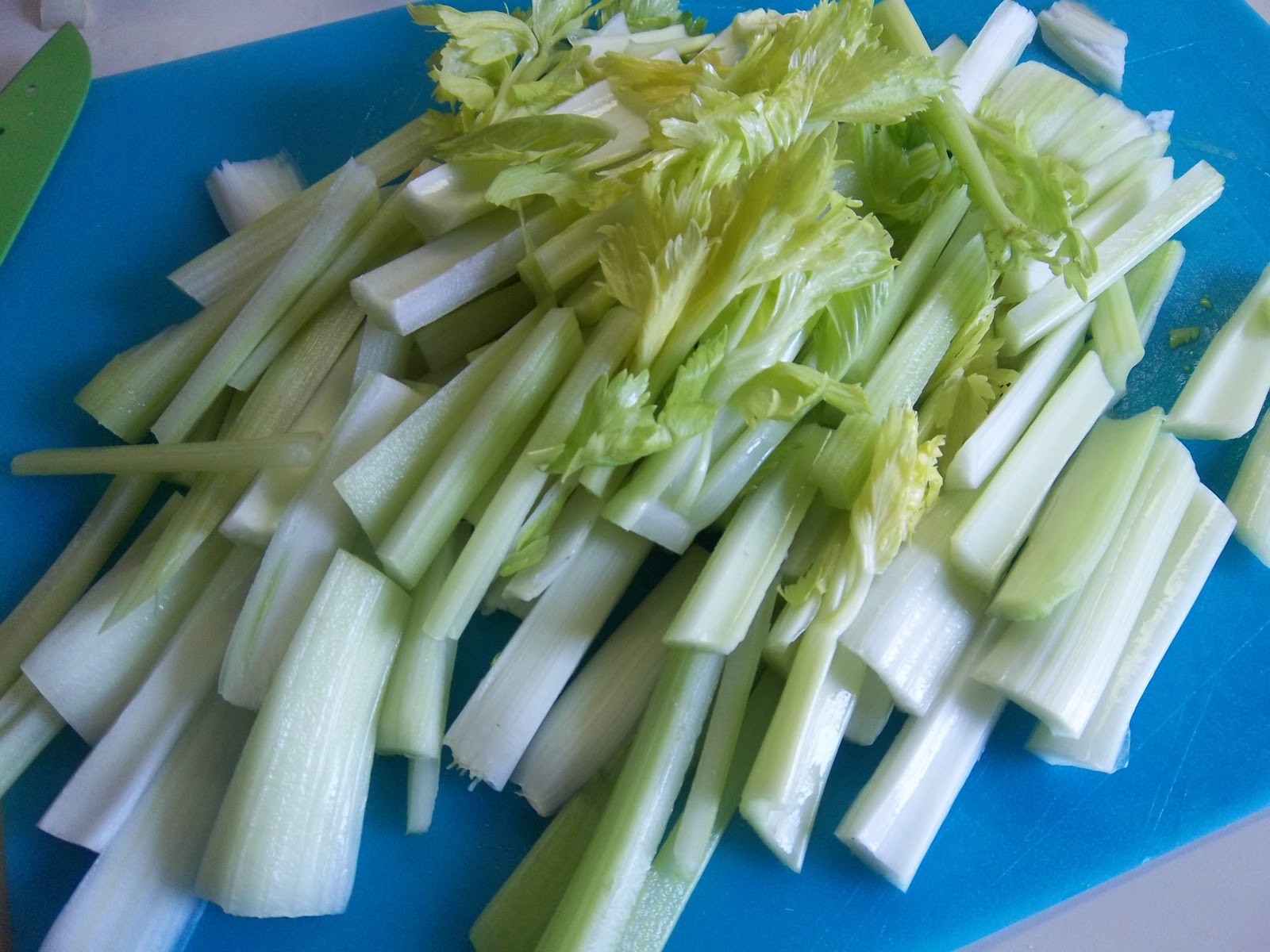
The sauce can be made while the bird is cooking, or it can be made ahead. You need to start by making three quarters of a pint of béchamel sauce. Next you need a whole head of celery. Remove and separate all the sticks and string them. This is easy to do: simply peel the backs of them, following the strings.
Cut the celery into strips and simmer them in salted water until they are tender, but still a little under-done. Around ten minutes should do you. Strain them, and return them to their pan with three ounces of butter and stew them a little longer.
Add the béchamel sauce and bring it and the celery to the boil. Next, liquidise it all and stir in a quarter of a pint of double cream. Season with salt and pepper.
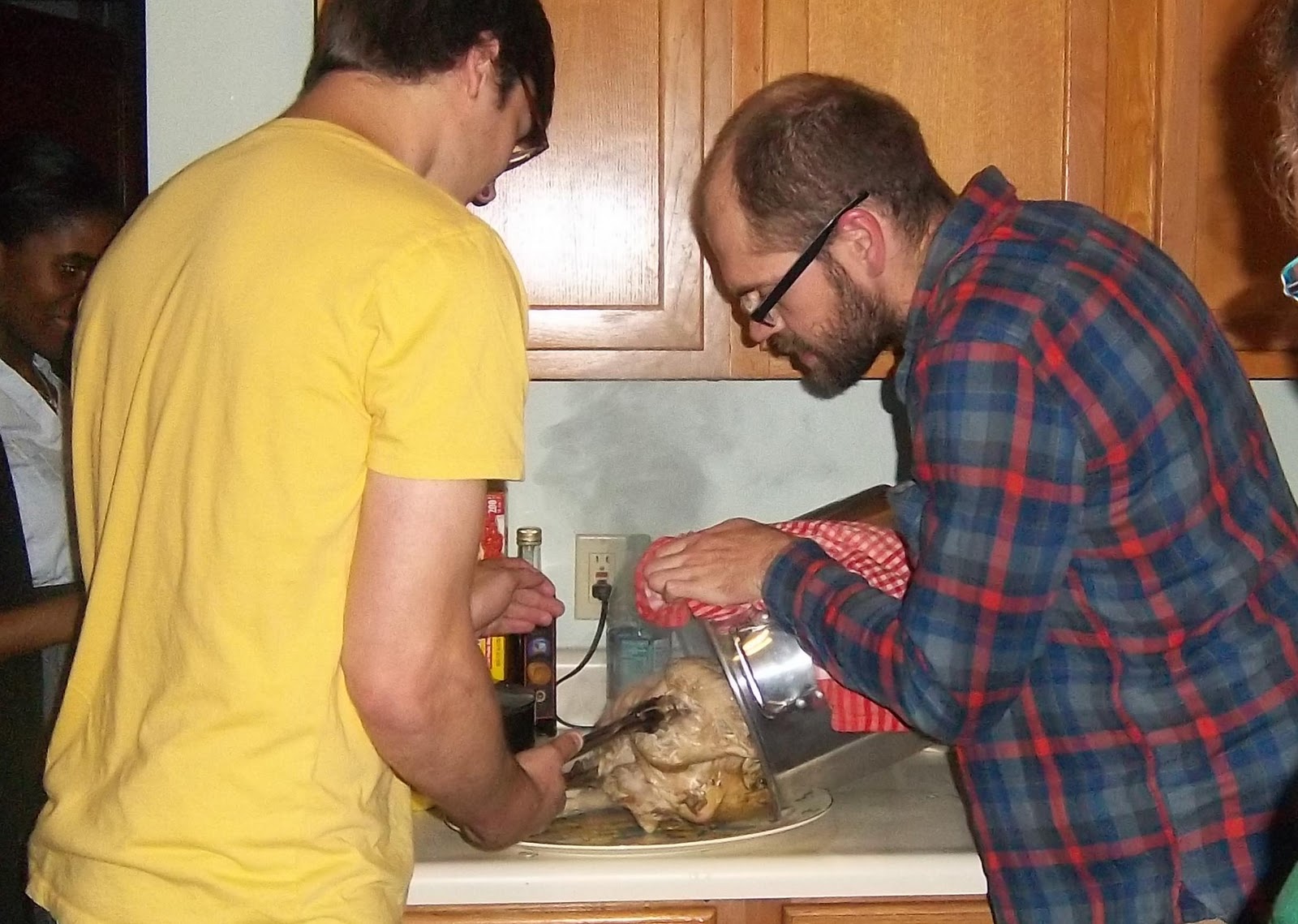
The most difficult part of the recipe was to get the turkey out of the pot without putting myself or one of my guests in the nearest burns unit. Griggers suggests using a ham kettle, but I only had a stock pot. I poured as much of the stock out as I could (reserving it of course, for a future recipe). Then, I lay the turkey on its side in its pot and Devin coaxed it out onto its serving dish with some wooden spoons.
“It’s a boy!”

It certainly didn’t look like an appetising thing, but hopefully appearances were deceptive…
This was its good side…
…and this was its bad.

#314 Boiled Turkey with Celery Sauce. Well I have to say it was very good: the meat was tender, though the breast still managed to be a little dry. The leg meat was perfect though – in fact it was the best leg meat I have eaten on a turkey. The celery sauce too was good, and Griggers was right when she said it was a ‘mild’ dish. I was good and homely food, perfect from the autumn and winter months, though I have to admit, I did miss the roasted taste and the crispy skin. Still very good though. 7/10.

#306 Mint Sauce

Ah, mint sauce. I love mint sauce, but have never actually made it myself. Mint sauce is, of course, the sauce to go with roast lamb, especially during the summer months. Though, I remember as a child when I used to go swimming with my Dad on a Sunday to Morley Swimming Baths, I always had a chip butty smothered in mint sauce straight afterwards.

The piquant sauce goes so well with fatty or rich foods. St Hildegarde, a German spiritualist nun of the early Middle Ages, said this of mint: “Like salt, when used sparingly, it tempers foods…[M]int, added to meat, fish or any other food, gives it a better taste and is a good condiment; it warms the stomach and ensures good digestion.”

I reckon that this is true, and by adding somesweetness and mild vinegar, you can get away with using it more than sparingly.
St Hildegard (1098-1179) depicted having a nice sit down
Griggers emphasizes that this sauce must be made with freshly boiled water and wine vinegar, not malt as it is far too harsh. We always used malt vinegar in our house when ‘diluting’ the thick sauce that came out of a jar. Let’s see how the proper stuff tastes like…
Chop up enough mint leaves to fill a measuring jug to the quarter-litre mark. Add three tablespoons of boiling water, stir and let the mint infuse into the water. When it is just warm, stir in three level teaspoons of sugar and four tablespoons of wine vinegar (any kind, though I went with red, as that’s all there was!). Stir to dissolve the sugar and add more sugar of vinegar if you like. I found the amounts given to be right on the button, myself.
#306 Mint Sauce. Excellent, excellent excellent! Sweet, sour and wonderfully aromatic. I am never, ever going to buy mint sauce again. Go and make some. 10/10

#292 Isle of Man Salt Duck


After returning from my little trip back to England and Ireland, I wanted to cook something that evoked some memories of it whilst all was still fresh in my mind. There are no Irish recipes in English Food, but there are a couple of Manx recipes (if you are from the Isle of Man, you are Manx). When Hugh and I flew the short distance from Belfast to Liverpool, we looked out the window and he told me about the bits of coastline and other features, and of course the Isle of Man was pointed out, looking surprisingly small. I’ve never managed to go to the Isle of Man, but it looked very pretty from the air.

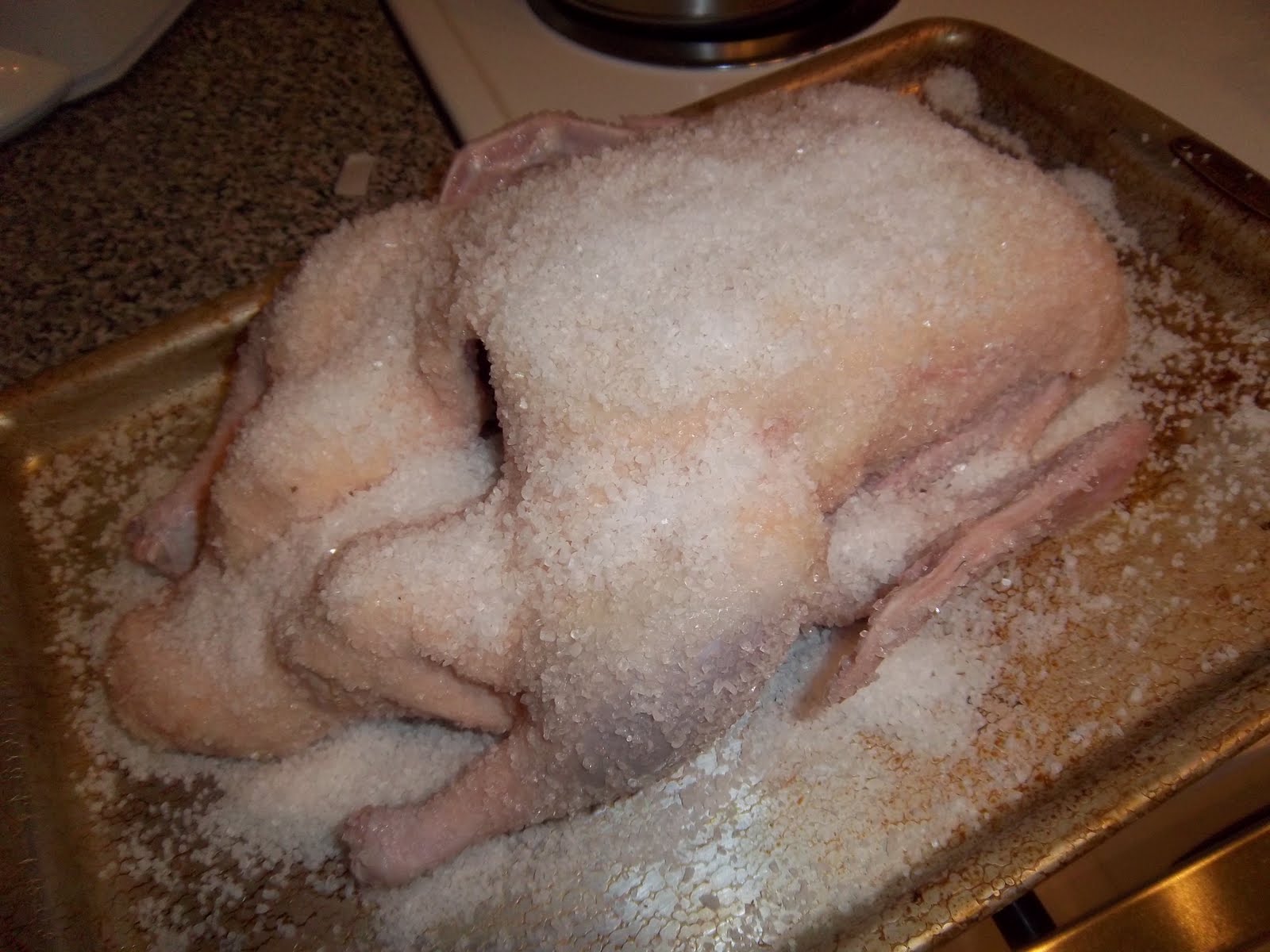
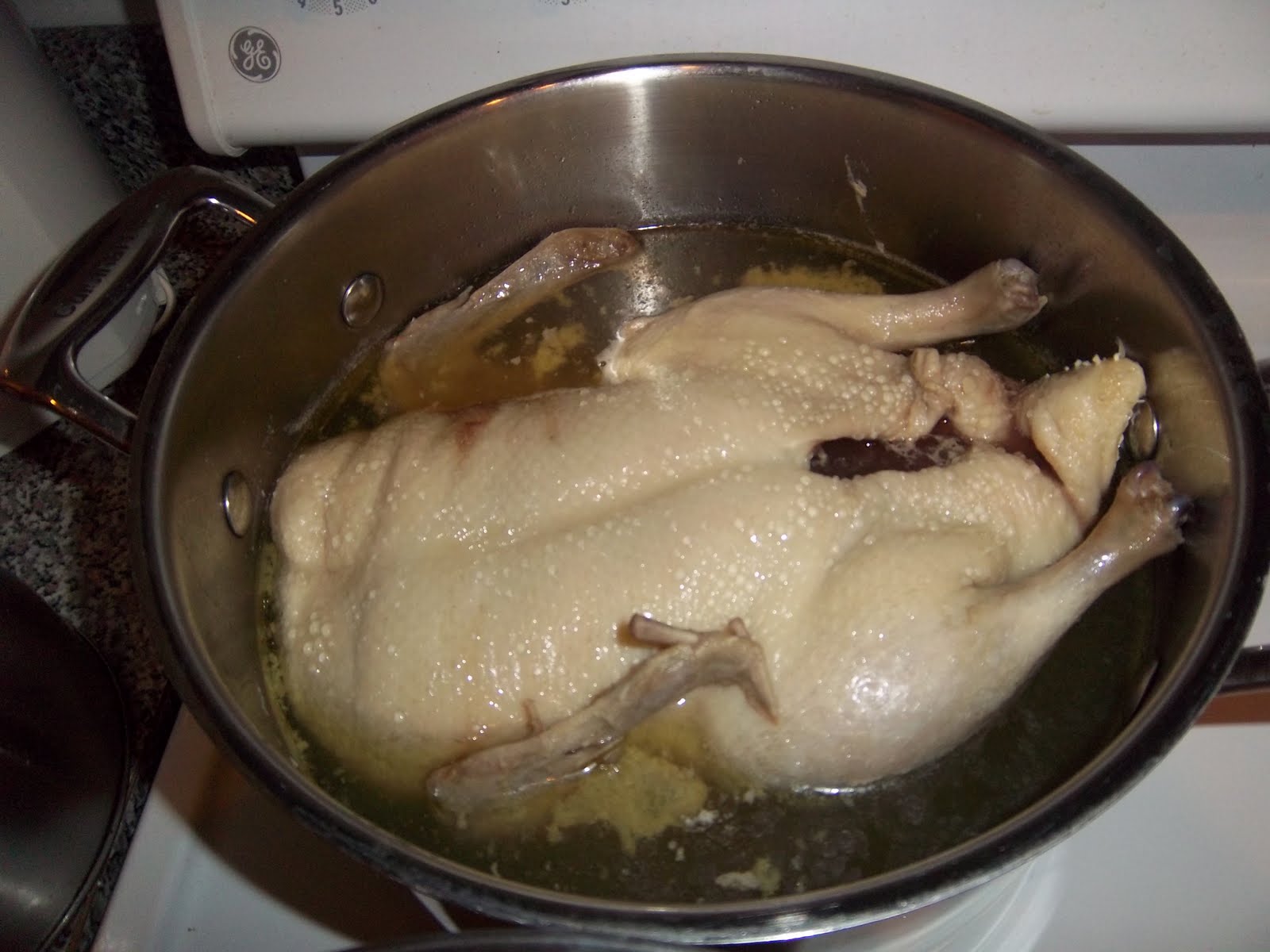
This is apparently a traditional Manx cured meat dish, but I did a quick internet search and could find any references to it at all, so I can’t give you any background information I’m afraid, Grigsoners. The cure is very simple to do; you simply have to pack coarse sea salt inside and outside of a duck 24-hours before you want to cook it. I assume in the days when this was done for actual preservation of meat, rather than for flavour, the duck could have been cured for several days or weeks. When you are ready to cook it, brush off the salt, rinsing off any tricky to remove bits and place in a pot with enough water to barely cover it.

Cover, bring to a simmer and let it happily gurgle away for between an hour and ninety minutes, depending on the size. I am always worried about doing the boiled meat recipes in the book, I always think they are going to come out insipid and boring, especially in this case as there was no call for any stock vegetables or seasoning with spices. I invited my friends Danny and Eric around to sample the delights – hoping it would taste okay…

If you like, you can cure your duck in brine instead – check out the recipe and instructions on brining meat here.

While the duck is simmering away gently, you can be getting on with the accompaniments: an onion sauce and colcannon (an Irish invention of potatoes and either cabbage or kale mashed together).

For the onion sauce, chop four large onions and add them to a pan with just enough water to cover them, season, cover with a lid, and allow them to simmer for fifteen minutes. Drain them over a bowl, so that the cooking liquor is saved. Add half a pint of milk and just under a pint of the liquor to the pan along with half an ounce of butter and bring to a simmer. Measure two level tablespoons of cornflour and slake it with a little more cold milk and whisk it into the hot sauce; it will thicken instantly. Simmer for a few more minutes so that the cornflour can cook out. Add the onions back to the pan and season with plenty of salt and pepper – very important here to season it very well – plus the grated rind of a lemon. Add more liquor or milk if it becomes too thick. This sauce can be (and was!) made in advance – make sure you keep it covered with a lid or some cling film to prevent a skin from forming if you do.

For the colcannon, boil equal amounts of potato and kale or cabbage together in a pan. Drain, and mash with butter and salt and pepper. If you are feeling extravagant, add a little blob of cream.
When the duck is cooked, make sure you let it rest for about twenty minutes before you carve it.

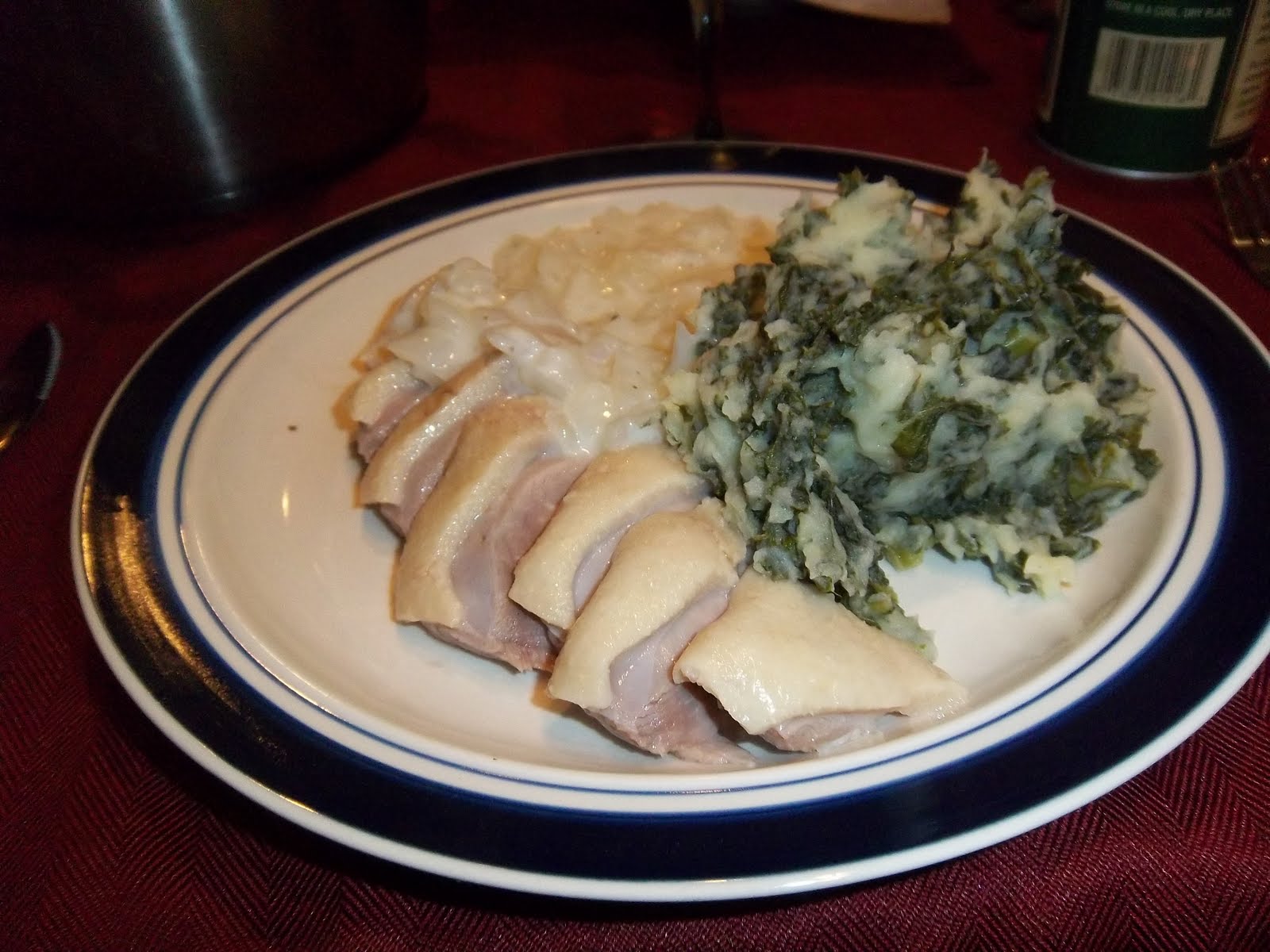
#292 Isle of Man Salt Duck. I must admit, when the duck was taken out of pan to rest, it did not look that appetizing with its podgy fat and no hint of colour. I’m used to eating roast duck. However, when I cut inside, there was the most tender duck meat within. It was salty, but not overpoweringly. It also had very subtle flavour too, as did the onion sauce, which I expected to be terribly strong. Instead, it was light and very good for a spring or summer meal. The colcannon was a great accompaniment too. This kind of good, but bland food, really requires heavy seasoning, otherwise it is in danger of becoming tasteless pap. This was not tasteless pap however: 7/10.

#279 Apple Sauce II

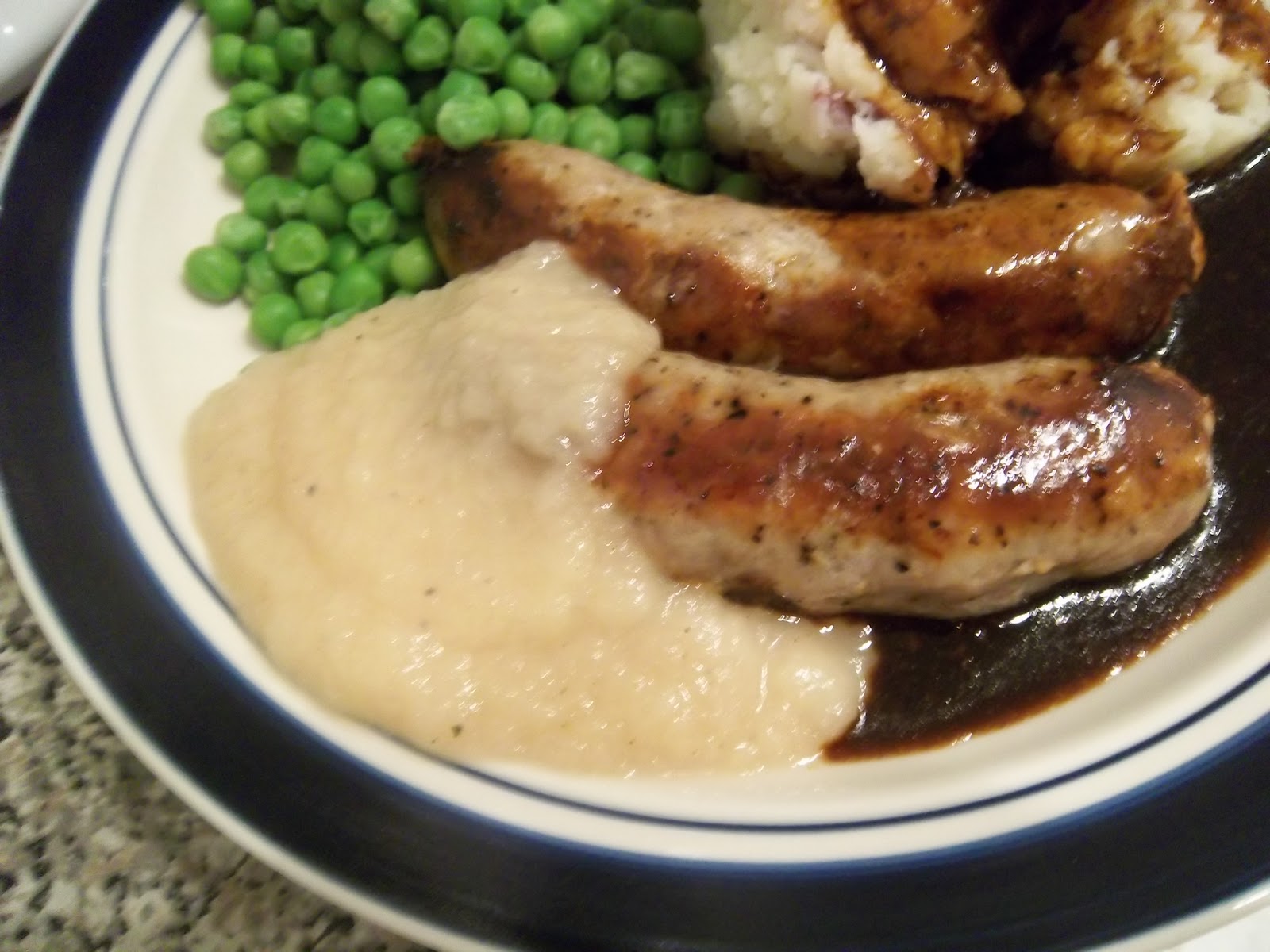
I still had sausages left over from Harrison Hog Farm – I ate half of them with Crempog Las and wanted to the give the rest the Grigson treatment. I could have gone with toad-in-the-hole or something, but I’d done that already. Luckily I spotted this apple sauce recipe which can be served with sausages (as well as pork, salt pork, duck and goose). What made me want to do this recipe is that allows one use sausage as the meat in a Sunday dinner rather than a roast meat which can be a pain to do if there is a lot going on in the day. So it’s good old sausage and mash for dinner.
The recipe asks for Cox’s Orange Pippins, Laxtons or James Grieve apples. These are not available in America (as far as I know), and so for any Northern Americans amongst us (and I know there are several), go for Mackintosh apples instead – they have the tart mealiness of a Cox’s Pippin.
There are several apple sauce recipes in English Food and I have now hit a bit of a brick wall – the remaining recipes all use Bramley’s seedlings which can’t be found in the USA, and I haven’t been able to find an appropriate alternative. If anyone has any suggestions, let me know!
Roughly chop 12 ounces of apples – no need to peel or core them. Add them to a saucepan along with a strip of lemon peel and 3 ounces of water (by weight!). Cover and simmer until soft. Pass them through a sieve into a bowl, forcing the apple flesh through to produce a smooth puree. Return to the saucepan and simmer quite briskly until the puree thickens and starts to spit and bubble a little. Stir in an ounce of butter and season with pepper and a little salt, but only if the butter was unsalted.

#279 Apple Sauce II. A slightly strange sauce this. I liked the fact it was unsweetened – bought apple sauces are far too sweet I think and they don’t always do a good job of cutting through the rich, greasy meat it’s usually served with. The butter enriched it but didn’t make the whole thing sickly like I expected. A good sauce, but nothing to write home home about! 5.5/10.

#272 Melted Butter

As our Jane quite rightly points out in English Food, many old recipe books suggest serving meat, fish and vegetables with good butter or good melted butter. This is not just high quality butter melted on the food, but a butter sauce not unlike hollandaise. The main difference being that flour is used to thicken the sauce instead of egg yolks, which makes the sauce much easier to make. In The Experienced English Housekeeper by Elizabeth Raffald, there are quite a few mentions of it, but no actual receipt. The recipe given here is from The Cook’s Guide by a certain Charles Elmé Francatelli who was briefly the chef at Buckingham Palace during the reign of Queen Victoria. Oh la-dee-da! (He left because he was disgusted with the filthiness of the kitchens.)
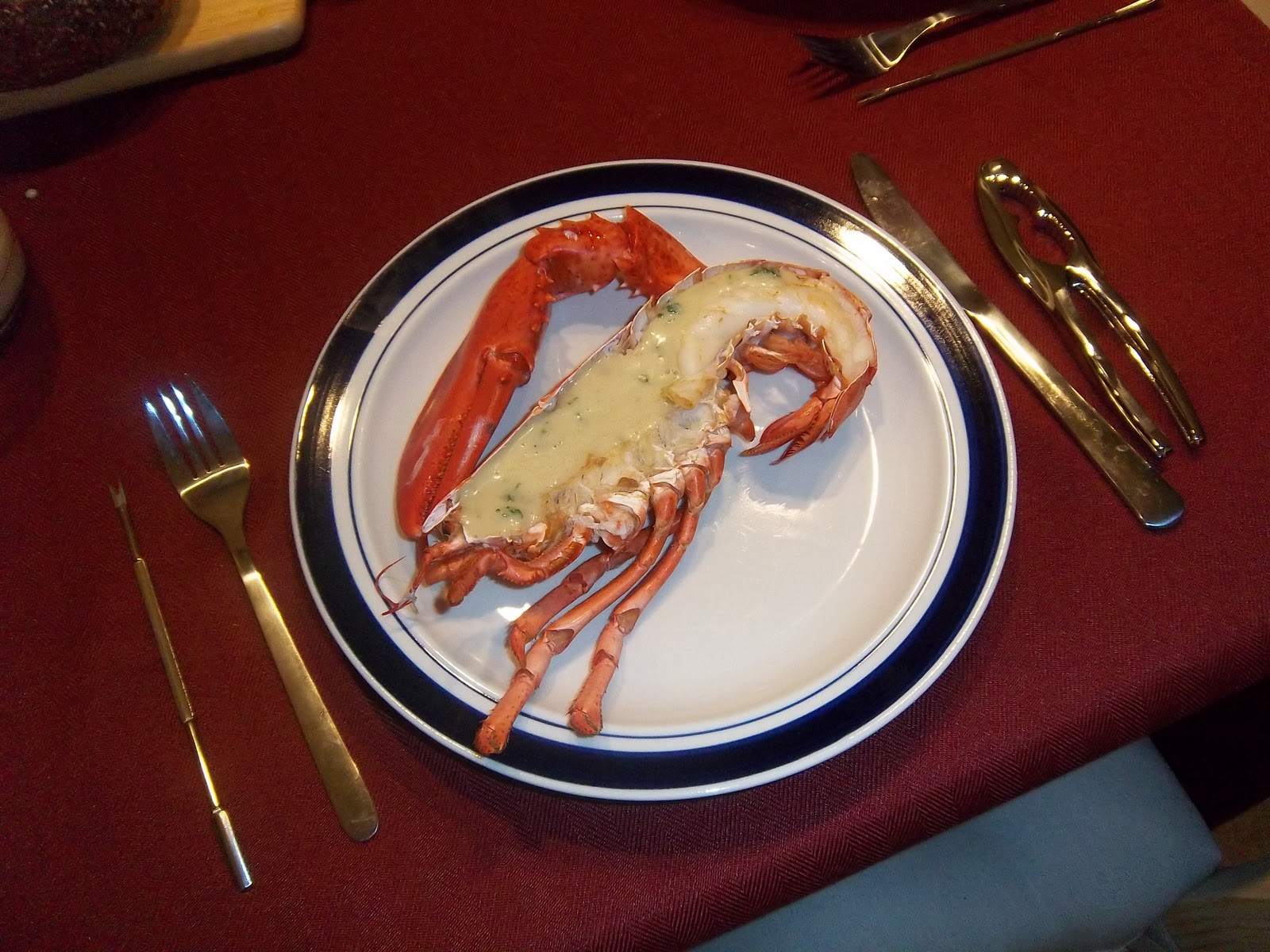
Anyways, the sauce seemed to be the perfect accompaniment to the poor old lobster I accidentally dismembered, then boiled. I’ll give the basic recipe and then the variations…
To make the sauce it is best to do the whole thing in a bain-marie or double boiler – i.e. a bowl over simmering water.  Weigh out 9 ounces of unsalted or lightly salted butter – Griggers suggests using a good Danish butter – melt one third of it in the ban-marie with some pepper and nutmeg. Next, stir in an ounce of flour and ¼ pint of cold water, using a whisk to prevent lumpiness. Heat until the sauce is at simmering point, then turn the heat right down and leave for 20 minutes for the sauce to thicken. Now beat in the rest of the butter piece by piece using the whisk. Add any flavorings you want at this point (see below for some suggestions). Season with lemon juice and salt, plus more pepper if required. Lastly, add a tablespoon of double cream for richness.
Flavorings:
Shrimp sauce – add some brown shrimp to the sauce at the end; use fish stock instead of water if you like
Lobster and crab sauces – add the chopped flesh plus some Cayenne pepper. If the lobster was a lady lobster with roe, then pass it through a sieve into the sauce.
Anchovy sauce – add some anchovy essence.
Herb sauce – add plenty of chopped herbs to the sauce near the end of cooking. For larger herbs like sorrel and spinach, steam and chop them before adding them to the sauce.
For the sauce I made, I didn’t want to chop the lobster up, so I stirred in the brown meat (which people think is inedible because of its consistency, but it is delicious) and some chopped parsley and provided it in a jug to be poured over the lobster halves.
Check out the fancy lobster tools!
#272 Melted Butter. I really like this surprisingly light sauce and it complimented the lobster brilliantly. Plus it was much easier than a sauce hollandaise – one didn’t have to stand next it hoping it wouldn’t split. I imagine it would be good to serve with fish, potatoes and asparagus for a Sunday lunch in the summertime. A definite winner this one.

#216 Orange Sauce for Duck and Game

This is a sauce for any game and requires two things from The Freezer of Delights that have been sat there for a while: game carcasses for a game stock (see here for recipe) and two Seville oranges. It is very important that you save and bones and carcasses from your meat for stock-making at a later date. It is, of course, even more important that actually used the bloody things once you’ve saved them. I served this with the Mallards of Death.

Melt 1 ½ ounces of butter in a small saucepan and stir in a rounded tablespoon of flour. Stir and cook until the roux becomes golden brown. Now whisk in ¾ of a pint of game stock, bring to a boil, and then simmer for around 20 minutes. Whilst it is cooking away gently, pare thinly the rinds of two Seville oranges and slice them as thinly as possible (you can use an orange and a lemon if you can’t get Seville oranges). Add the rind along with the juice of the oranges to the sauce and cook for a further 3 or 4 minutes. Add up to a tablespoon of sugar and four tablespoons of port, plus the skimmed roasting juices from the meat. That’s it! Easy.


#216 Orange Sauce for Duck and Game. A really good sauce this one; tangy, bitter, fruity, rich and a lovely red-brown colour with just the right amount of freshness and tang to cut through the very strong meat. If you don’t like bitter foods, use a normal orange and a lemon and perhaps less pared rind. 7/10.

#143 Boiled Leg of Mutton (or Lamb) with (#144) Caper Sauce

When Jane Grigson wrote English Food in the 1970s, she complained – quite rightly – that the general quality of lamb in England had declined rather. This was mainly due to the importation of cheap New Zealand lamb, which rendered mutton almost obsolete. These days things have changed and British lamb in a staple even in supermarkets and mutton is having a well-deserved comeback.

I popped into Manchester City Centre at the weekend and, by chance, the monthly farmers’ market was on so I had a little browse around the stalls and bought myself a leg of lamb from Bowland in Lancashire – a farm that outdoor-rears lamb, beef and pork. Here’s their website. The man at the fruit and veg stall spotted my purchase and commented that the best meat he’d ever had was from there. Great stuff. Now all I had to do was decide what to do with it and went for the boiled leg of lamb with caper sauce – mainly because it requires very little effort, but also because it is a very Victorian way of cooking meat and wanted to try it.

It’s well worth mentioning that caper sauce is also traditionally served with fish too, so if you’re a piscitarian, or whatever you fair-weather vegetarians like to call yourselves, you can try it with salmon or skate.

The original recipe asked for either a leg of mutton or of lamb – if you are to use lamb as I did, get hold of a real free-range one, otherwise it won’t stand up to the boiling.

Trim the leg of any large amounts of fat if it hasn’t been already and place the leg in a large pot with enough water to cover it. Add stock vegetables – 3 quartered carrots, 2 quartered parsnips, one quartered turnip and three whole onions (all peeled) – plus a very good seasoning with salt and pepper. Bring to the boil and turn down to a very low simmer and leave for 2 to 2 ½ hours depending upon size. Don’t dare to throw the stock away – use it make the caper sauce and with the leftovers, a soup (I did lamb and mint soup).

Whilst it is cooking you need to make a turnip puree as an accompaniment – also traditionally Victorian. Peel and slice 3 pounds of turnips and boil them in salted water until tender. Puree them in a blender, return to the pan and then whisk an ounce of butter into them. Next mix ¼ pint of double cream with a level tablespoon of flour and whisk this into the sauce. Cook the sauce until it thickens up slightly.

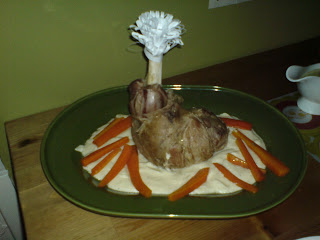
When the meat is cooked, remove it from the water, place it on a serving dish flat-side down and make a paper ruff (yes, a paper ruff!) to fasten around the shank for decoration. Spoon the turnip puree around the outside and scatter the quartered carrots over the puree.

Loving the ruff!
Serve it with caper sauce that has been made using the stock from the lamb.

For the sauce melt ½ an ounce of butter in a small saucepan and stir in a tablespoon of flour. Cook and stir for a few seconds before adding ¾ pint of the lamb or mutton stock (or indeed fish) bit by bit to avoid getting lumps. Simmer until it is the thickness of single cream. Season with salt and pepper and add an egg yolk that has been beaten with 2 tablespoons of cream and stir for a minute or two. Lastly add a generous tablespoon of drained and rinsed capers and ½ a tablespoon of chopped parsley. Serve immediately, says Griggers.

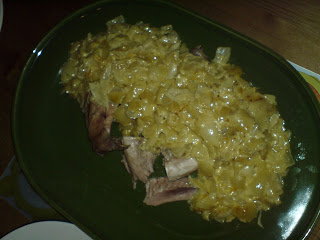
Sorry about the shite picture!

FYI: If you are looking for an alternative to capers – the flower bud of an Asian shrub, you can try using the buds of nasturtium, buttercup or marigold. I’ll stick to the original, though I think.

#143 Boiled Leg of Mutton (or Lamb) with (#144) Caper Sauce – 7.5/10. I really enjoyed this meal. It was so easy to cook, you could not go wrong with it, even if you’ve never cooked anything before in your life. The lamb was tasty and moist and not fatty as most of it had dissolved into the stock – I’m definitely going back to Bowland for my meat. The turnip puree was rather odd – unsurprisingly, it was quite bland and I suppose they were the bland carb element. I would’ve preferred mashed potato though. It’s very hard to mark the caper sauce separately as it is part of the dish. I really liked it – it was piquant and married with the lamb perfectly. The only way it could have been improved would be to chop the capers up first so that the sauce was very capery indeed!

#130 Boiled Wild Rabbit with Onion Sauce

Tis the end of the game season here in Old Blighty; though any game fans out there needn’t panic as rabbit is available all year round. This is due to the fact that they are evil vermin and should be ‘disappeared’. They were introduced by the Romans and by the Normans as farm animals, the little critters escaped and we were overrun. I am assuming they outcompeted the hares, causing their numbers to drop. So shoot away – even if you don’t want to eat them. You will be doing a service to the country.

FYI: Easter bunnies do not refer to rabbits, but hares, as it is they who display their ‘mad’ March behaviour. Rabbits are similar and much more common and so have been mis-named. If you spot anyone making this minor error, be annoying and pull them up on it and then do your best smug face to infuriate them further

Anyway, I’d never eaten wild rabbit and had had farmed only the once and totally cocked it up, but since I am loving the game thus far in English Food I knew I’d like this one. Only wild rabbit will do here, people, if you can’t get wild rabbit use duck instead. What also interested me was the huge amount of onions required for this recipe – it’s very rare that onions are used as a vegetable. It’s another Eighteenth Century dish. If you got your rabbit whole and intact, you should use the jaw bones and stick them in the rabbit’s eyes and fill its mouth with myrtle or barberries. Whatever they are.

Here goes…

For 4.

Truss your wild rabbit (or duck) with string, place it in a pan, cover with water, add a bouquet garni (I used parsley, bay, thyme, rosemary and some pared orange rind) and some salt and pepper then bring it to the boil and simmer ‘until done’. Having no frame of reference here, meant checking every now and again. Apparently, younger lithe rabbits cook quicker than old gnarly ones, so check every half an hour after the first hour is up. Once simmering, get to work on peeling 2 to 3 pounds of onions. Pop them in whole along with the rabbit after half an hour and take them out after another half an hour. Now chop them up – a boiled onion is a slippery customer, so be careful with them knife. Fry the onions in 4 ounces of butter until golden in colour, add 4 tablespoons of double cream and season with salt, pepper and nutmeg.

Remove the cooked rabbit and let it rest for a little while and then cut up into serving pieces – two rear legs, two fore legs and the saddle cut into 3 pieces. Arrange on a serving dish and smother with the sauce. Serve with spinach and potatoes as instructed by Griggers herself (I did mash).


#130 Boiled Wild Rabbit with Onion Sauce – 5/10. Not sure if I liked this. It wasn’t vile, as I finished my meal, but wild rabbit has an unusual flavour that is pungent and slightly unappetising. Butters said it tasted like sewage. Weirdly, he wasn’t far away with that description. In fact reading ahead to other rabbit recipes, Griggers herself says that rabbit needs strong flavours to balance its ‘rank flavour.’ This begs the question: if I don’t like it, should I cook the other recipes? They all ask for wild rabbit, however, it is only this recipe that absolutely requires wild, so maybe I should try farmed next time. Not sure. Slightly disappointed that I dislike something – I pride myself in not being a fussy eater. Anyways, the onion sauce was lovely and rich and creamy – loved that. Perhaps using a duck would have been better all round.