#279 Apple Sauce II

I still had sausages left over from Harrison Hog Farm – I ate half of them with Crempog Las and wanted to the give the rest the Grigson treatment. I could have gone with toad-in-the-hole or something, but I’d done that already. Luckily I spotted this apple sauce recipe which can be served with sausages (as well as pork, salt pork, duck and goose). What made me want to do this recipe is that allows one use sausage as the meat in a Sunday dinner rather than a roast meat which can be a pain to do if there is a lot going on in the day. So it’s good old sausage and mash for dinner.
The recipe asks for Cox’s Orange Pippins, Laxtons or James Grieve apples. These are not available in America (as far as I know), and so for any Northern Americans amongst us (and I know there are several), go for Mackintosh apples instead – they have the tart mealiness of a Cox’s Pippin.
There are several apple sauce recipes in English Food and I have now hit a bit of a brick wall – the remaining recipes all use Bramley’s seedlings which can’t be found in the USA, and I haven’t been able to find an appropriate alternative. If anyone has any suggestions, let me know!
Roughly chop 12 ounces of apples – no need to peel or core them. Add them to a saucepan along with a strip of lemon peel and 3 ounces of water (by weight!). Cover and simmer until soft. Pass them through a sieve into a bowl, forcing the apple flesh through to produce a smooth puree. Return to the saucepan and simmer quite briskly until the puree thickens and starts to spit and bubble a little. Stir in an ounce of butter and season with pepper and a little salt, but only if the butter was unsalted.

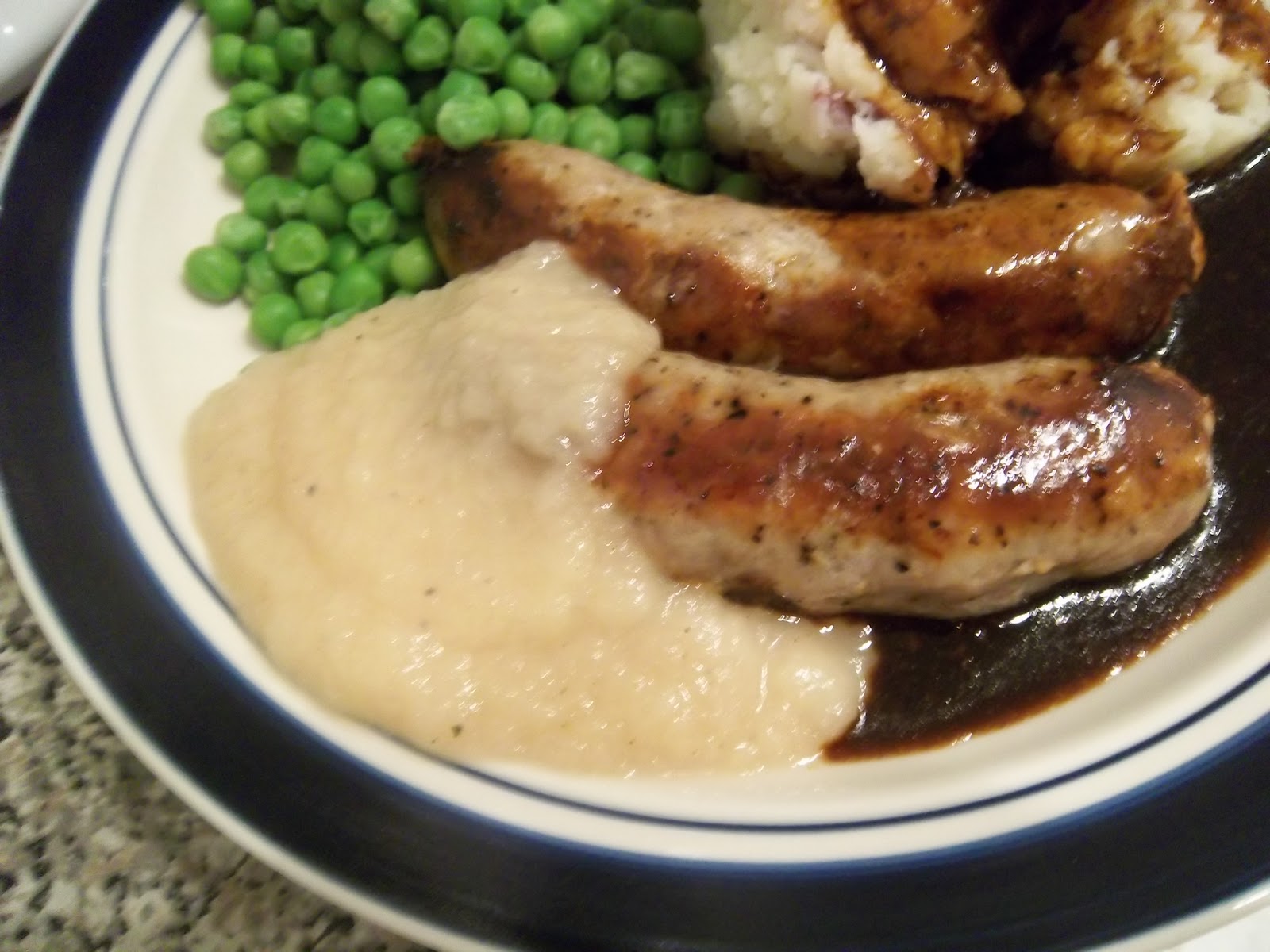
#279 Apple Sauce II. A slightly strange sauce this. I liked the fact it was unsweetened – bought apple sauces are far too sweet I think and they don’t always do a good job of cutting through the rich, greasy meat it’s usually served with. The butter enriched it but didn’t make the whole thing sickly like I expected. A good sauce, but nothing to write home home about! 5.5/10.

#277 Hazelnut Stuffing for Poultry and Lamb

I mentioned in the last post that people don’t make their own gravy anymore, well the same goes for stuffing. I have to admit, I don’t often make stuffing for roast poultry normally, though I have for the blog before. Every time I do, it comes out delicious and is always better than even the poshest pre-made supermarket pap. So I thought I was well overdue making some (which I think is also called dressing in the USA, non..?).
This one, I thought looked interesting – with its earthy hazelnuts and piquant-sweet preserved ginger; just the thing for a climate that is never really wintry. After all, the main reason that I haven’t cooked more food like this in Houston is because it is so bloody hot all the time and I don’t necessarily want roast meats. Anyways, this one seemed good and light and reasonably summery.
Griggers makes a point of highlighting the quality of hazelnut required for the recipe – pre-roasted and chopped hazelnuts are fine, she says, but you really want some slow roasted whole Italian ones from Avellino near Vesuvius, where they have been grown since Roman times. I’ll just pop over and fetch some. I couldn’t get those of course, but I did get Roman ones, so that pretty good I reckon, bearing in mind where I am!

Julian of Norwich with Hazelnut. For some reason.
If you want to be truly old-school, you can use cobnuts, which can still be found growing around the southern counties of England, in particular Kent. FYI: cobnuts were the original nut used in the game of conkers before the horse chestnut was introduced into Britain.
Stuffing is the easiest thing in the world to make. To start chop a large onions and soften it in two ounces of butter – keep it on a medium heat with a lid to prevent to browning. Once cooked, add the following ingredients in the following order: four ounces of fresh breadcrumbs; two ounces of toasted, chopped hazelnuts; four knobs of preserved ginger*, chopped; grated rind of half a lemon; the juice of a lemon; one large beaten egg; salt and pepper; and two tablespoons of chopped parsley. Now you can use the stuffing for whatever you like. If this is for turkey, you may need to double, or even treble the amounts given here.
If you are using it to stuff a bird, make sure you weigh it after it has been stuffed so you can include the extra weight in the cooking time.  Also, it is best to stuff the neck end rather than the cavity, as the stuffing doesn’t go stodgy; just loosen the skin and stuff it in, securing it all by folding the neck skin under the bird. Any left can go into the cavity – but only pack it loosely.

*If you can’t get preserved ginger then use ginger preserve (i.e. ginger jam), or miss it out entirely and replace it with the chopped liver of the bird(s) and a heaped teaspoon of thyme.

#277 Hazelnut Stuffing for Poultry and Lamb. Absolutely delicious and definitely the best stuffing so far in the book! It was sweet and earthy and the nuts had gone wonderfully soft and translucent, giving out their flavours into the rest of the mixture. The lemon and ginger lifted it all very well and stopped it from being too heavy. This is going into my everyday repertoire. 9/10.

#272 Melted Butter

As our Jane quite rightly points out in English Food, many old recipe books suggest serving meat, fish and vegetables with good butter or good melted butter. This is not just high quality butter melted on the food, but a butter sauce not unlike hollandaise. The main difference being that flour is used to thicken the sauce instead of egg yolks, which makes the sauce much easier to make. In The Experienced English Housekeeper by Elizabeth Raffald, there are quite a few mentions of it, but no actual receipt. The recipe given here is from The Cook’s Guide by a certain Charles Elmé Francatelli who was briefly the chef at Buckingham Palace during the reign of Queen Victoria. Oh la-dee-da! (He left because he was disgusted with the filthiness of the kitchens.)
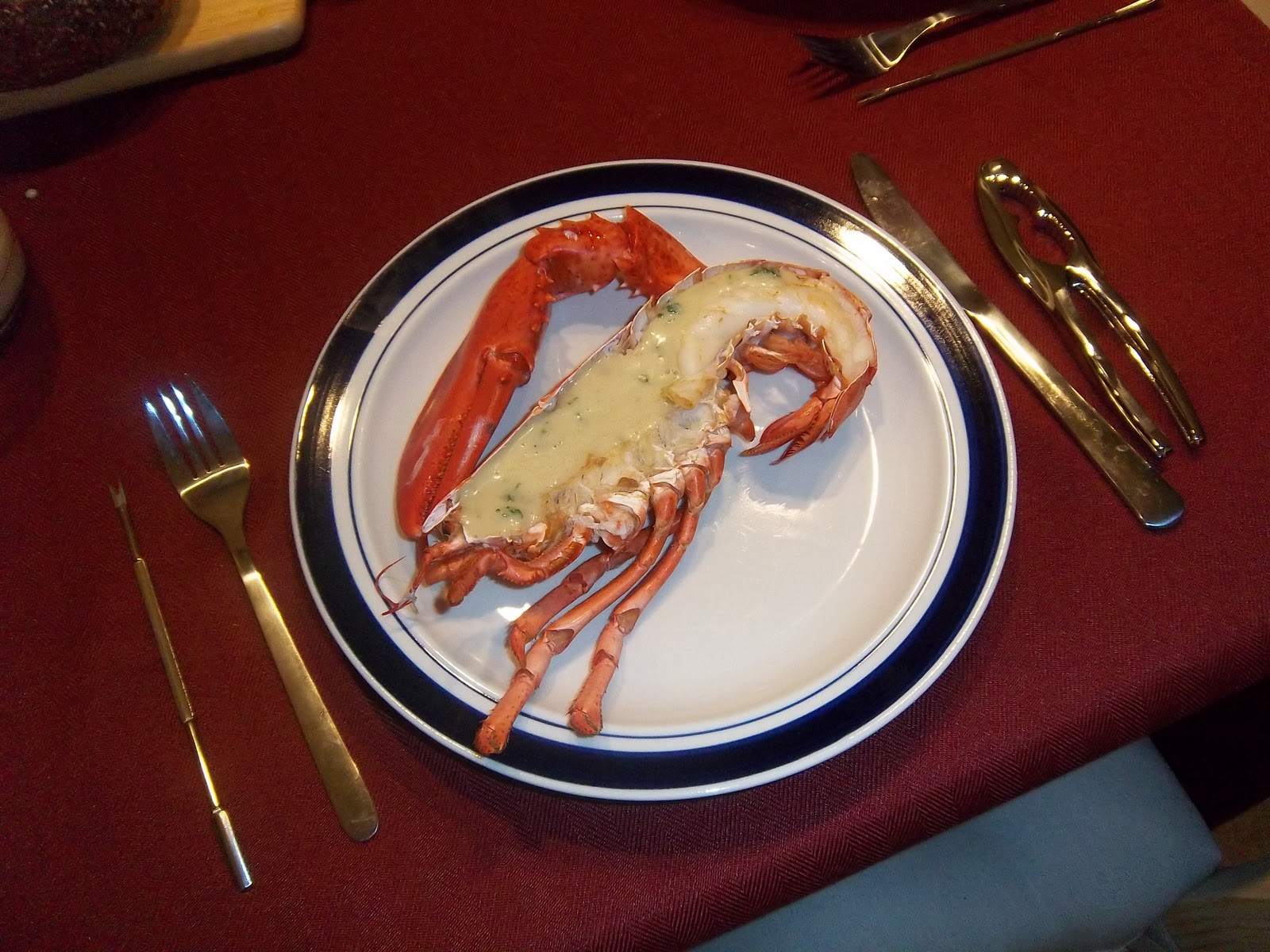
Anyways, the sauce seemed to be the perfect accompaniment to the poor old lobster I accidentally dismembered, then boiled. I’ll give the basic recipe and then the variations…
To make the sauce it is best to do the whole thing in a bain-marie or double boiler – i.e. a bowl over simmering water.  Weigh out 9 ounces of unsalted or lightly salted butter – Griggers suggests using a good Danish butter – melt one third of it in the ban-marie with some pepper and nutmeg. Next, stir in an ounce of flour and ¼ pint of cold water, using a whisk to prevent lumpiness. Heat until the sauce is at simmering point, then turn the heat right down and leave for 20 minutes for the sauce to thicken. Now beat in the rest of the butter piece by piece using the whisk. Add any flavorings you want at this point (see below for some suggestions). Season with lemon juice and salt, plus more pepper if required. Lastly, add a tablespoon of double cream for richness.
Flavorings:
Shrimp sauce – add some brown shrimp to the sauce at the end; use fish stock instead of water if you like
Lobster and crab sauces – add the chopped flesh plus some Cayenne pepper. If the lobster was a lady lobster with roe, then pass it through a sieve into the sauce.
Anchovy sauce – add some anchovy essence.
Herb sauce – add plenty of chopped herbs to the sauce near the end of cooking. For larger herbs like sorrel and spinach, steam and chop them before adding them to the sauce.
For the sauce I made, I didn’t want to chop the lobster up, so I stirred in the brown meat (which people think is inedible because of its consistency, but it is delicious) and some chopped parsley and provided it in a jug to be poured over the lobster halves.
Check out the fancy lobster tools!
#272 Melted Butter. I really like this surprisingly light sauce and it complimented the lobster brilliantly. Plus it was much easier than a sauce hollandaise – one didn’t have to stand next it hoping it wouldn’t split. I imagine it would be good to serve with fish, potatoes and asparagus for a Sunday lunch in the summertime. A definite winner this one.

#266 Concentrated Vanilla Sugar

Several recipes for cakes and other desserts require vanilla sugar. I have already made one of the two vanilla sugars in the book and this is the second. The best thing about this one is that not only is it concentrated, but it is also instant.

Whenever you are baking do try to use real vanilla pods, or at the very least the Madagascan vanilla extract. Don’t ever use the essence. If you do, I’ll come over to your house and smack your arse. Although Madagascar is the main producer of vanilla these days, it is actually a Mexican plant; an orchid in fact. Mexico had the monopoly on vanilla production because, although it is easy to grow the plants, fertilization of the flowers was only possible in Mexico itself. This is due to the symbiotic relationship between the vanilla plant and its pollinator; the Melipona bees of the area. It wasn’t until a 12 year-old slave discovered a way of artificially pollinating the flowers with a bamboo stick could vanilla farming leave Mexico. I wonder if the lad got a handsome reward. I doubt it….


Anyway, I have prattled on enough….


To make this vanilla sugar, cut two vanilla pods into one centimetre bits and put them into a blender along with four ounces of caster sugar. Whiz the mixture so that you get a grey-looking powder. Cut your vanilla sugar with eight ounces of caster sugar and keep it in an air-tight container. You’ll probably need to cut it further when you come to use it for recipes – this all depends on how much vanilla flavour you like. FYI it was thought of as an aphrodisiac, so don’t go crazy, unless you want your dinner party to turn into a scene from Eyes Wide Shut.


#266 Concentrated Vanilla Sugar. It’s hard to give this a mark really as it’s an ingredient rather than an actual food. We shall see when I come to use it in future recipes

#255 Lemon Curd

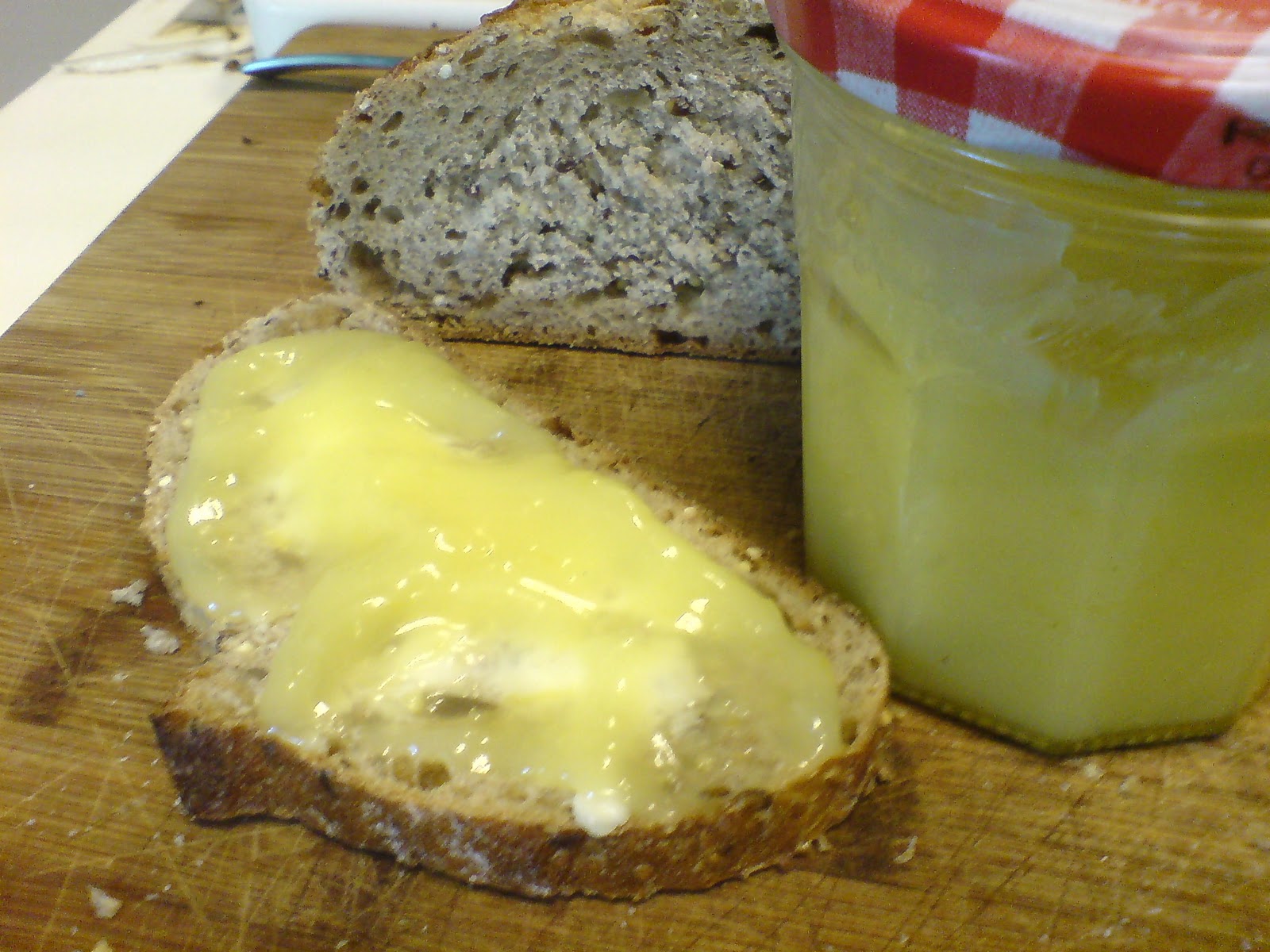
God, I love lemon curd. I once tried to make it a while ago and it was a complete disaster. Then, I was a mere amateur and these days I am a wee bit better at these more tricky recipes. The process for making lemon curd (or indeed any fruit curd) is to thicken lemon juice, sugar and butter with eggs. Any sauce that involves this process, like ice cream and custard can potentially end up in disaster, because over-heating scrambles the eggs and you end up with a horrible mess.

I haven’t found any lemon curd here in Houston and no one seems to know what I’m talking about at work, which surprises me for some reason. I don’t know why. So for those of you not in the know, lemon curd is essentially used like jam – use in sandwiches, to make tarts or as a cake filling. It has been popular since the mid-eighteenth century and is a kind of preserve, but doesn’t keep any where near as long as jam due to the butter and eggs. Therefore it is best made in small quantities, this is not a problem is it is much less of a rigmarole to make than jam. This recipe makes around two jars of lemon curd.

Grate the zest of two lemons into a glass bowl along with their juice, 3 ounces of butter and 7 ounces of sugar lumps (you could use granulated here too, I don’t know why sugar lumps are used here). Place the bowl over a pan of simmering water and stir until the butter has melted and the sugar dissolved. Whilst that is happening, crack 3 large eggs into another bowl and beat well. Sieve the eggs into the mixture (this prevents any lumps of white going in) and stir until the mixture thickens. This takes a while, and if you’re not used to thickening sauces with eggs it is best to be tentative and not have the heat to high. It will thicken quite alot, as long as the water is simmering beneath. Spoon the mixture into sterilised jars and allow to cool. Keep them in a cool place, but once open it’s probably best to keep the curd in the fridge, especially in this bloody Houston heat!

#255 Lemon Curd. This is a brilliant recipe for lemon curd. It isn’t too sweet and has a lot of zing; the inclusion of the zest really gives it some punch. It took me right back to England eating this! Delish. 8.5/10

#216 Orange Sauce for Duck and Game

This is a sauce for any game and requires two things from The Freezer of Delights that have been sat there for a while: game carcasses for a game stock (see here for recipe) and two Seville oranges. It is very important that you save and bones and carcasses from your meat for stock-making at a later date. It is, of course, even more important that actually used the bloody things once you’ve saved them. I served this with the Mallards of Death.

Melt 1 ½ ounces of butter in a small saucepan and stir in a rounded tablespoon of flour. Stir and cook until the roux becomes golden brown. Now whisk in ¾ of a pint of game stock, bring to a boil, and then simmer for around 20 minutes. Whilst it is cooking away gently, pare thinly the rinds of two Seville oranges and slice them as thinly as possible (you can use an orange and a lemon if you can’t get Seville oranges). Add the rind along with the juice of the oranges to the sauce and cook for a further 3 or 4 minutes. Add up to a tablespoon of sugar and four tablespoons of port, plus the skimmed roasting juices from the meat. That’s it! Easy.


#216 Orange Sauce for Duck and Game. A really good sauce this one; tangy, bitter, fruity, rich and a lovely red-brown colour with just the right amount of freshness and tang to cut through the very strong meat. If you don’t like bitter foods, use a normal orange and a lemon and perhaps less pared rind. 7/10.

#206 Orange Mincemeat Part 2; #211 Cumberland Rum Sauce

I have a few things up my sleeve for Christmas but for now I can only report on two things: the orange mincemeat I made last month and something to go on them (or your Christmas pud): Cumberland rum butter.

First up, the mincemeat. I have given the recipe for them already and also reported upon the Griggers way of making mince pies properly, which is how I make them now. All I have to do is give them a mark.

#206 Orange Mincemeat. Well, the orange mincemeat is ten times better than any bought stuff, the three types of booze must help. The mincemeat is not as orangey as I’d hoped, but still great. The best thing is, and it’s the same with the other recipe, is that it is not too sweet. Have a go, but the better is the Beeton. 6.5/10.


I have already made a brandy butter and it was good, but I thought I’d try this Cumberland rum butter – I had higher hopes for it as my favourite spirit is dark rum. Have a go at this, or the other brandy butter recipe, it’s very easy, just requiring some simple creaming and mixing.

Cream eight ounces of unsalted butter until pale and fluffy. Beat in six ounces of soft brown sugar, three tablespoons of rum and a good grate of nutmeg. That is it! Serve on mince pies or Christmas pudding, or even with warm oatcakes, which is how the folk of Cumberland served it, apparently.

#211 Cumberland Rum Butter. Really delicious. Not too sweet and sickly, the dark rum and dark sugar give it a bitter-sweet note. Great stuff. 7/10.

#199 Apple Sauce III

Eagle-eyed followers of the blog will notice that there has been no Apple Sauce I or II. In English Food there four recipes for apple sauce, so I thought it best to get the ball rolling. I’ve made this one first because it is not a sauce for pork, but for chicken. I had a very nice-looking free range chicken that I bought from the poulterer Peter D Willacy at Houghton Farmers Market, you see. He has no website, but you can call him in 01253 883470. The best thing about their chickens is that they come with giblets; not something you see these days, not even in good butchers. I’m hoping to buy a capon from them soon. This sauce can also be served with veal.

Anyways, if you are roasting a chicken this weekend, try this very easy creamy and usual hot apple sauce:

Core, dice and peel a pound of Cox’s pippin apples (or a good equivalent) and fry them in some clarified butter. (If you don’t clarify your butter first, it may burn. Melt it slowly in a pan, blot away any solids on the surface with some kitchen paper, then decant the liquid butter away, leaving behind any other solids that sank to the bottom.) When they have softened and turned a little golden, remove the apple pieces with a slotted spoon, leaving behind the buttery juices. Add six tablespoons of white wine (or cider) to the juices to deglaze and reduce it all well. Lastly, stir through six tablespoons of double cream and sharpen with a squeeze of lemon juice. Serve hot.


#199 Apple Sauce III. A strange one this one because the sauce is essentially stewed apples and cream, which in my book is a pudding. That said, it did go surprisingly well with the chicken as there are no strong flavours to drown out the subtle chicken. 5.5/10.

#177 Hollandaise Sauce

The fishmonger in the Arndale Centre in Manchester was selling sea bass for £1.50 each! What a bargain. I know that they’ve probably been dredged up by one of those massive trawler nets and by buying them I’ve surely helped seal the fate of several marine species, but ignorance is bliss so I won’t try to find out.

To go with the sea bass, I had samphire (see previous entry) and also made some hollandaise sauce. Not technically English, of course, but we’ve used it for so long in our cuisine it seems English – more English than, say mayonnaise anyway – and it is one of my favourite sauces. The trouble is, me and hollandaise has a chequered past; it’s a tricky sauce that is either amazing and delicious, or splits and is awful and goes in the bin. My success rate is around 50%. Griggers’ recipe is slightly different to the classic way of making it as it doesn’t use melted butter, but uses cubes of butter added gradually instead? Is this a foolproof recipe? We shall see…

FYI: hollandaise sauce first appeared as simply melted butter in eighteenth century France, but soon became the complex emulsion of butter and egg yolks we know and love and was added to the list of mother sauces of French cuisine by Escoffier in the early twentieth century (the others being béchamel, veloute, espangole and allemande).

This is the Griggers method (you can multiply up or down depending upon how much you need to make):

Begin by boiling down 3 tablespoons each of water and white wine vinegar and 10 crushed white peppercorns until just a tablespoon remains. Strain it into a bowl and allow to cool. Bring a pan of water to a simmer and place the bowl over it. Beat in three large egg yolks and beat in 6 ounces of unsalted butter bit by bit using a wire whisk. Do not over heat, or the eggs cook and the sauce splits. Season with salt and lemon juice.

#177 Hollandaise Sauce – 9/10. Well that was easy! This may be the fool-proof method I have been after (either that or it was a fluke). The sauce is beautifully rich, with a piquant tang of lemon and vinegar that cut through it so well that you easily drink a pit of the stuff. My only gripe is that this method doesn’t seem to make a very thick sauce, but that is being very nit-picky.

#171 Herb Stuffing

I have been trying to address an FAQ recently: “how far through the book are you?” I have been a right old geek and calculated it on a spreadsheet! Unfortunately I can’t work out how to put a table into Blogger and I’m no good with html script. If anybody reading this knows how to do a table please leave a comment. I did notice that I have not paid much attention to the Stuffings section, having done the Parsley and Lemon Stuffing at Christmastime. I went for this herb stuffing for two main reasons: firstly, Grigson uses this stuffing in many other recipes; and secondly, I had all the ingredients. I wanted to judge it in its own right and not part of another recipe, so I made it and used it to stuff a roast chicken for Sunday dinner.

By the way: There is no method for roasting a chicken (or goose for that matter) in English Food, so I went for the method normally used: 20 minutes a pound plus an extra 20 minutes at 200°C. Make sure when you calculate the cooking time, you weight the chicken after you’ve stuffed it. Place the chicken in a roasting tin, rub in plenty of butter into the skin and season well. Cover with foil and baste every half an hour. Remove foil for final 30 minutes and baste every 15 minutes until cooked. Leave to rest for 15 minutes before carving.

Anyway, back to the stuffing: Gently fry a chopped medium onion in 2 ounces of butter until nicely soft and golden and pour the contents including juices into a mixing bowl. Now add 2 ounces of chopped ham or bacon (I went with the latter; black bacon from the Cheshire Smokehouse), a tablespoon of chopped parsley, a tablespoon of chopped thyme, 4 ounces of breadcrumbs, and egg, an egg yolk and finally a seasoning with salt and pepper. Stir well and use it however you like: stuff poultry, veal, rabbit or tomatoes, or even roll into balls and bake on a tray in the oven.


#171 Herb Stuffing – 9/10. Absolutely delicious! Such a massive return for such little effort. It is really full of flavour; it is very important that you use good ham or bacon and fresh herbs for this as they should be the dominant flavours. There’ll be no Paxo in my house ever again! If you are doing a roast chicken dinner, give it a try – you will not be disappointed.